Substrate & safety
How much substrate do you need?
A published depth figure and a volume formula, because 'a couple of inches' is decorative rather than functional for a burrowing species.
By Brijon M.Last updated
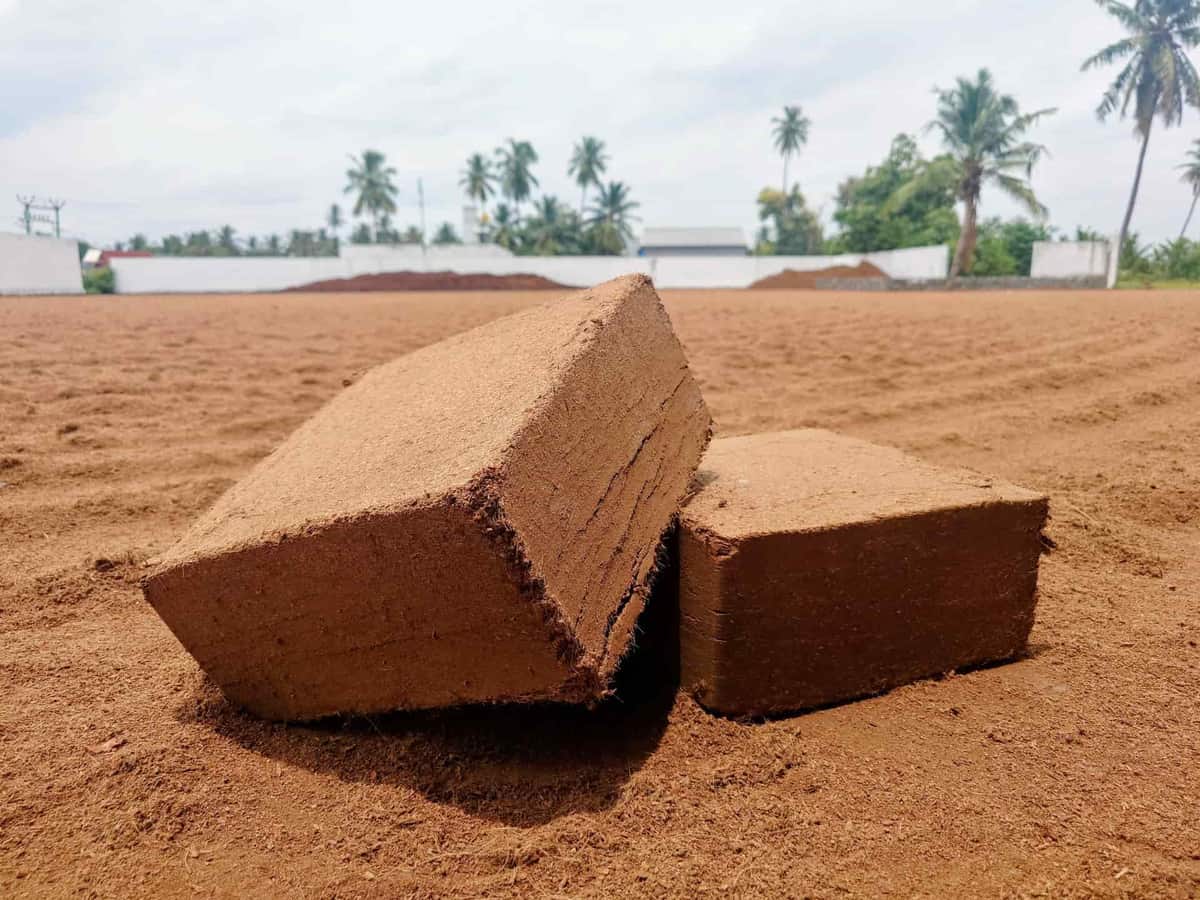
For a bearded dragon, pack loose substrate 4-6 inches deep. Across a 4 x 2 ft footprint that is approximately 80-120 quarts (2.7-4 cubic feet); across a 6 x 2 ft footprint it is approximately 120-180 quarts (4-6 cubic feet). Volume in cubic feet = length (ft) x width (ft) x depth (ft).
Shed & Bask earns a commission from qualifying Amazon purchases made through links on this page. It does not change what we recommend or the order we rank things in. Read the full disclosure.
The published figures
| Footprint | Depth | Volume needed |
|---|---|---|
| 4 x 2 ft | 4-6 in packed | About 80-120 quarts / 2.7-4 cubic feet |
| 6 x 2 ft | 4-6 in packed | About 120-180 quarts / 4-6 cubic feet |
Both figures come from the bearded dragon substrate guidance. They are larger than most keepers expect, which is the point of publishing them: the gap between what a setup looks like it needs and what it actually needs is the gap between a decorative floor and a functional one.
The formula, for any enclosure
Volume in cubic feet = length in feet x width in feet x depth in feet. A 4 inch depth is 0.333 ft; a 6 inch depth is 0.5 ft. Multiply cubic feet by about 30 to get quarts.
Worked example for a 36 x 18 in leopard gecko enclosure at 4 inches: 3 ft x 1.5 ft x 0.333 ft = 1.5 cubic feet, or roughly 45 quarts. Worked example for an 18 x 18 in crested gecko footprint at 3 inches plus a drainage layer: 1.5 x 1.5 x 0.25 = 0.56 cubic feet, about 17 quarts.
Why depth is not optional for a burrowing species
The published reasoning is behavioral: the best bearded dragon substrates are burrowable so the dragon can dig in a nice thick layer, and the instruction is to pack it 4 to 6 inches deep for best results. At one inch there is nothing to dig into. The animal is standing on a decorative surface rather than living in a substrate.
There is a thermal argument too. A deep substrate layer gives the animal a cooler, more stable microclimate to retreat into, which is part of the gradient the enclosure is supposed to provide.
Depth by species
| Species | Depth | Why |
|---|---|---|
| Bearded dragon | 4-6 in packed | Published figure. Burrowing is natural behavior |
| Leopard gecko | 3-4 in | Burrows and digs; floor area matters more than depth, but a flat sheet is not enough |
| Ball python | 3-4 in | Deep enough to burrow without the base sitting in standing water |
| Crested gecko | 2-3 in plus drainage | Arboreal, so the floor is a humidity reservoir rather than a living space |
The crested gecko row is the exception that proves the rule: an arboreal animal spends almost no time on the floor, so the substrate's job there is moisture management rather than burrowing. A drainage layer below it prevents the base from becoming waterlogged.
What not to do with depth
- Do not run a humid substrate so deep that the base never dries. Permanently saturated bedding is how scale rot and mold start. Ventilation is part of it.
- Do not fill to within an inch of the door. You need clearance to open a front-opening enclosure without dragging substrate out.
- Do not count the drainage layer as substrate depth. It is below the substrate and the animal does not use it.
For an arid build at depth
The BioDude Terra Sahara Bioactive Substrate Kit
Holds a burrow at the 4-6 in packed figure without a separate clay component, and is bioactive-ready.
For a humid build at depth
Coconut Husk / Cypress Mulch Humid Substrate
Deep enough to burrow in, and the depth is also the moisture reservoir - but it has to dry back, so pair it with real ventilation.
Frequently asked questions
How much substrate do I need for a bearded dragon?
Approximately 80 to 120 quarts (2.7 to 4 cubic feet) for a 4 x 2 ft footprint at the published 4 to 6 inch depth, or 120 to 180 quarts for a 6 x 2 ft footprint.
How deep should bearded dragon substrate be?
4 to 6 inches, packed, so the dragon can actually dig and burrow in it.
How do you calculate substrate volume?
Length in feet x width in feet x depth in feet = cubic feet. Multiply by about 30 for quarts. Order roughly 20% over, because substrate compacts.
Sources
- Bearded Dragon Substrate Options — ReptiFiles
- Crested Gecko Temperatures & Humidity — ReptiFiles
- Ball Python Substrate Options — ReptiFiles
Read next
Hub
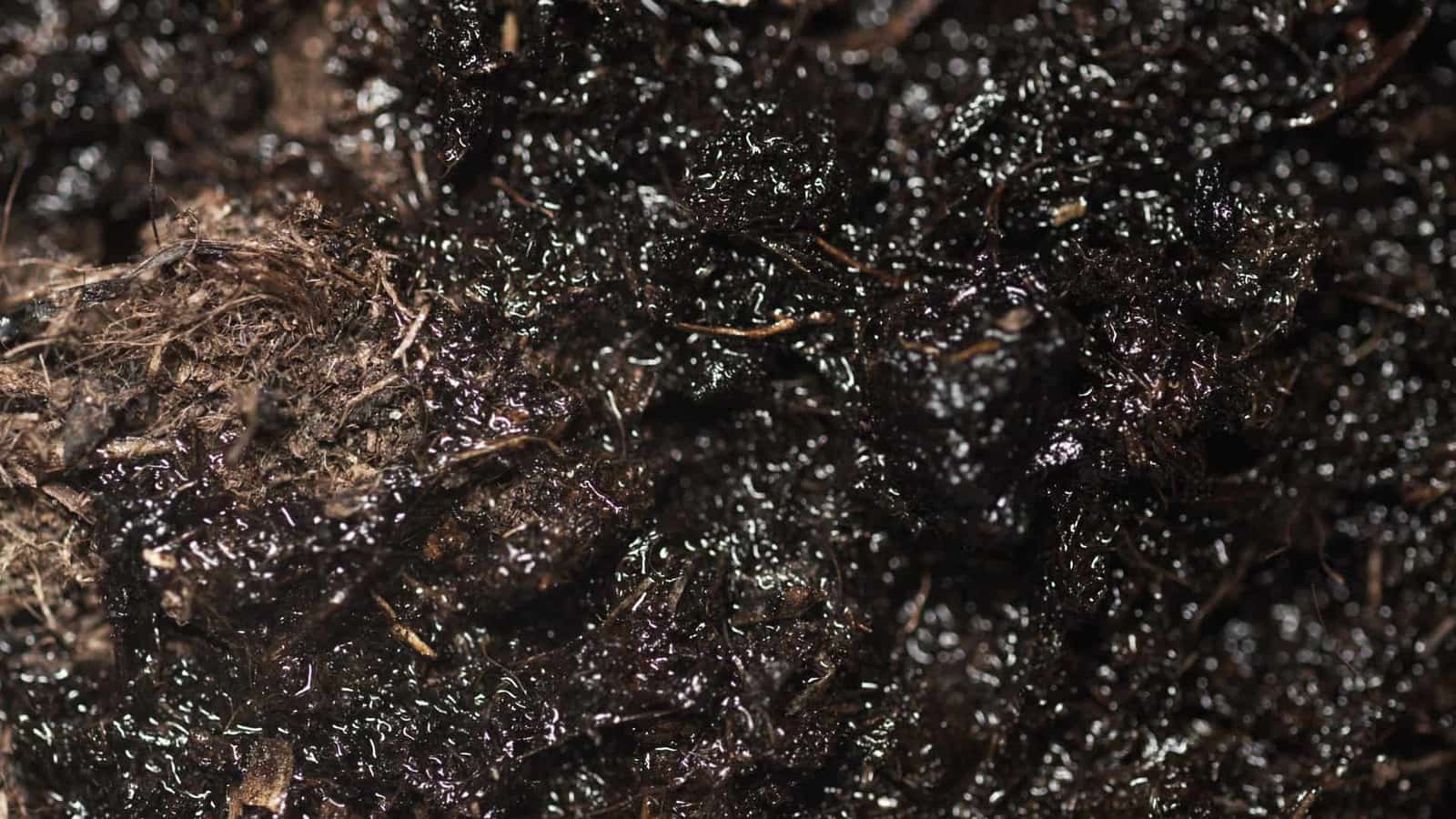
Reptile substrate and enclosure material safety
What the enclosure is made of, sealed with and floored with. This is the part of reptile keeping with the most confident advice and the least cited evidence.
Substrate & safety
Best reptile substrate (2026), by species and risk
Substrates judged against named hazards, usable depth and the species moisture target.
Substrate & safety
Reptile impaction risk: what the evidence identifies
The published causes of impaction, the named hazard substrates, and how to prevent it.
Substrate & safety
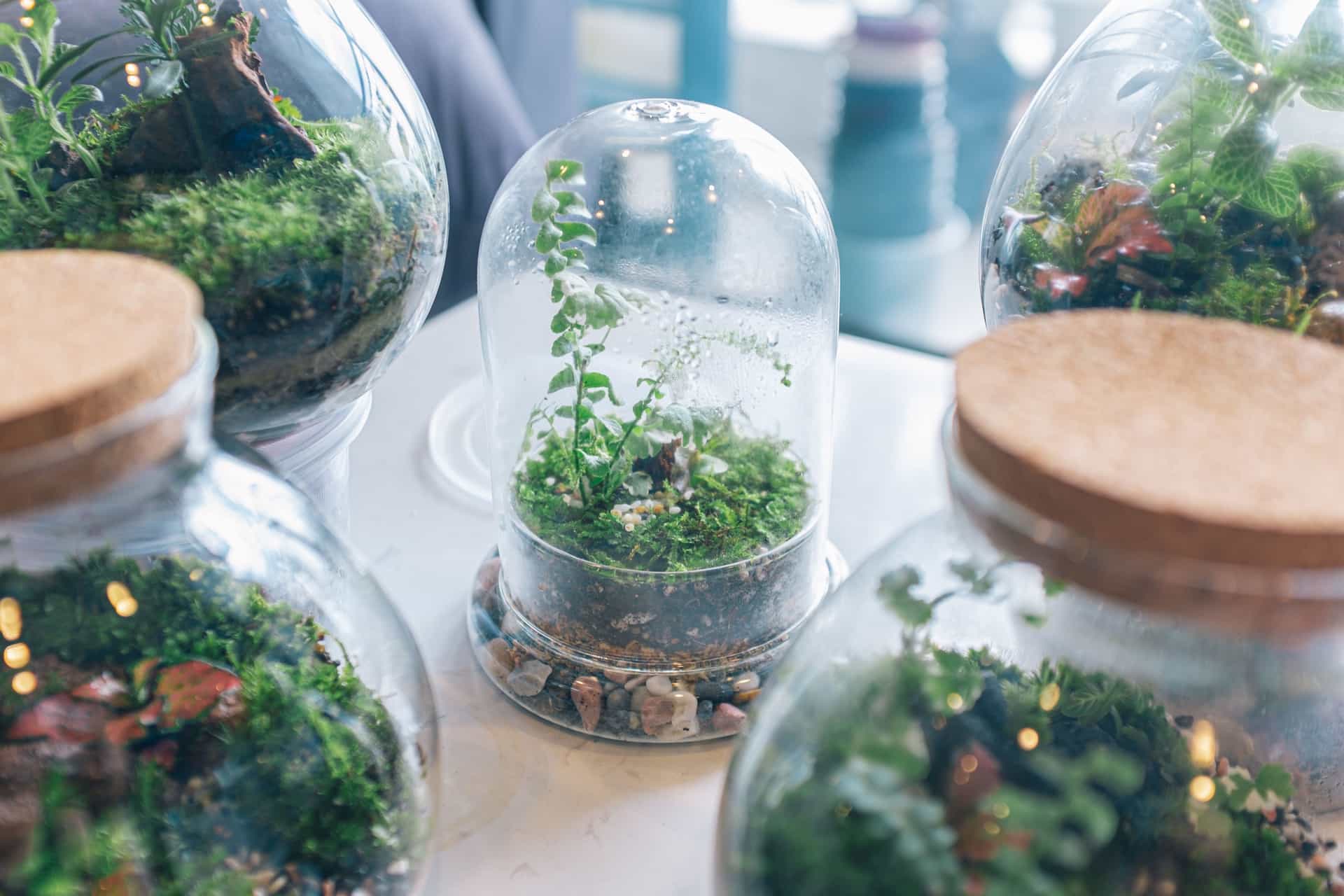
Bioactive reptile substrate basics
What bioactive means, which published mixes support it, and when a sterile setup is better.
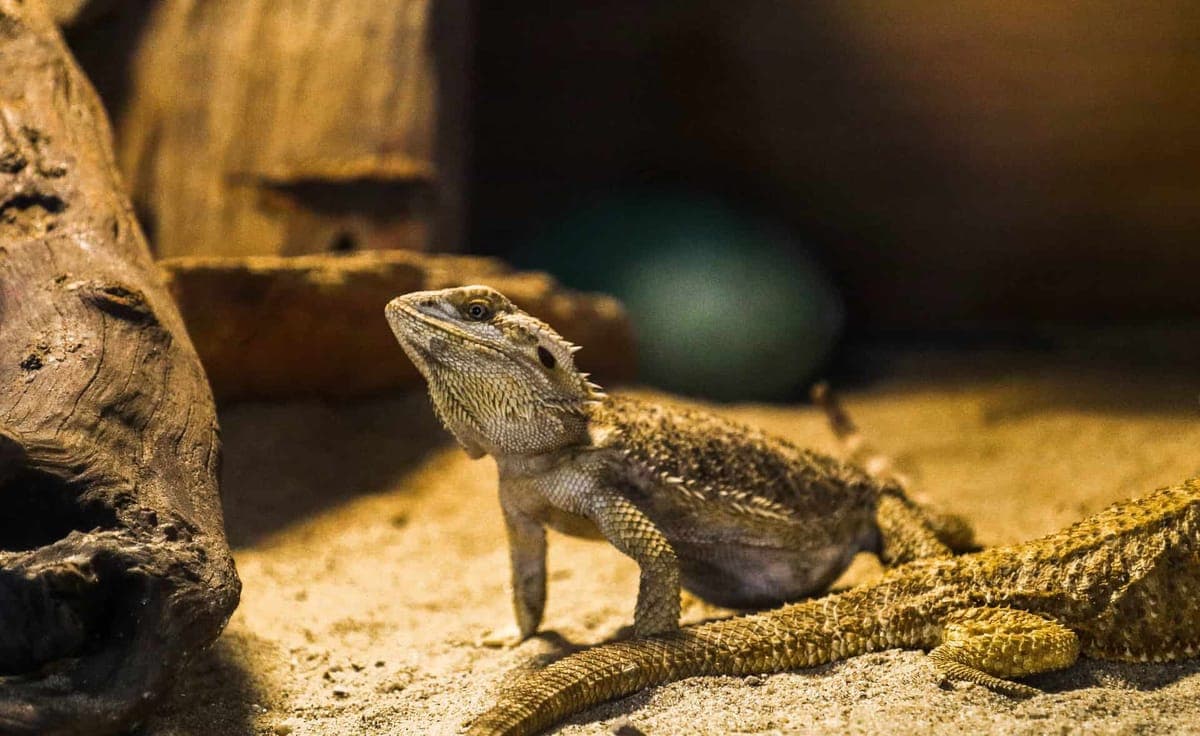
Bearded dragon
Bearded dragon substrate
The published dragon substrate mix, depth figure and named hazards.