Bearded dragon
Bearded dragon enclosure ideas that serve a function
Every object in the enclosure should be doing a job. Here is the list of jobs, and then the decor that does them.
By Brijon M.Last updated
Shed & Bask earns a commission from qualifying Amazon purchases made through links on this page. It does not change what we recommend or the order we rank things in. Read the full disclosure.
The jobs first
| Job | What it delivers | Typical item |
|---|---|---|
| Basking platform | A flat surface at 108-113 F (42-45 C) surface temperature, as the highest point | Slate, stone or unglazed tile |
| Warm hide | Cover at the hot end so the dragon is not forced into the open | Cork round, rock cave |
| Cool hide | Cover at the cool end | Cork round, plant pot on its side |
| Climbing | Vertical use of the enclosure and exercise | Secured branches, ledges |
| Digging | Natural behavior, and a cooler microclimate | 4-6 in of burrowable substrate |
| Visual barrier | Line of sight breaks, which reduce stress | Tall decor, hardscape, planting |
| Water | A shallow dish, cleaned daily | Shallow, stable, easy to scrub |
If a piece of decor does not appear in that list, it is there for you rather than for the dragon. That is allowed - this is also your living room - but it should not displace something on the list.
Hardscape
Slate, flagstone and unglazed tile are the workhorses: they hold heat, they give you flat surfaces at different heights, and they are trivially cleanable. Stack them stably - a large dragon digging underneath an unsecured rock stack is the one genuine injury risk in this category. Bed the base layer into the substrate rather than resting it on top, and if you use a clay-containing mix it will hold the stack level.
Climbing and height
Dragons climb more than their reputation suggests, and the published minimum includes 24 inches of height for a reason. Secured branches, cork rounds and ledges let the animal use the vertical dimension - which also gives you a second thermal layer, because air temperature rises.
Secure everything mechanically. A branch wedged between two walls will eventually be dislodged by an animal pushing against it.
If you want a genuine second level
Zen Habitats 4x2x4 PVC Reptile Enclosure
48 inches of height turns climbing decor from a token gesture into a usable part of the enclosure.
Digging
The published substrate guidance describes the best substrates as burrowable so the dragon can dig in a thick layer, which makes substrate depth a decor decision as much as a husbandry one. At 4 to 6 inches packed with a clay component, a dragon can dig a tunnel that holds. At one inch it cannot, and the behavior disappears.
So tunnels hold their shape
Zoo Med Excavator Clay Burrowing Substrate
The 20% clay component in the published 50/30/20 mix is what turns loose sand into a substrate that supports digging.
Live plants
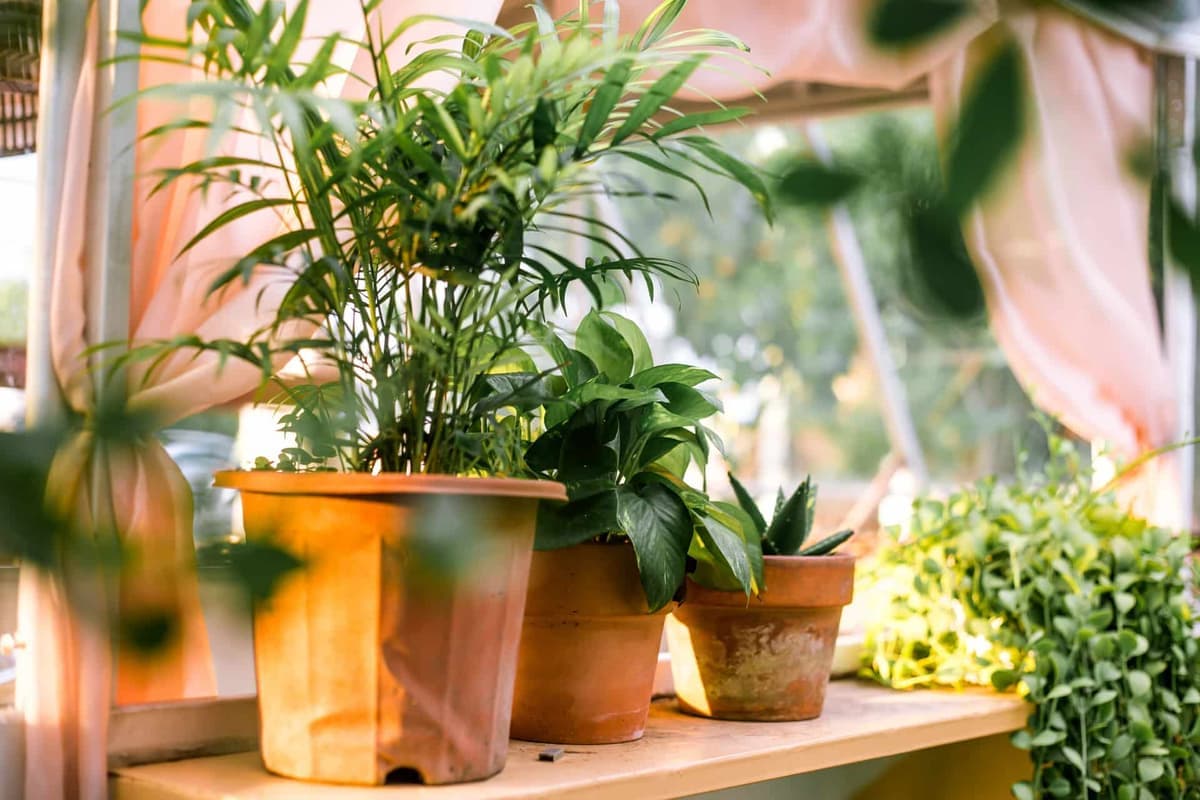
Possible in an arid build and genuinely good enrichment, with two conditions. Check the species against a toxicity reference by botanical name, and deal with nursery pesticide residue by bare-rooting, rinsing, repotting into clean substrate and quarantining the plant before it goes in. The safe plants guide covers both.
For a planted arid build
The BioDude Terra Sahara Bioactive Substrate Kit
Bioactive-ready substrate is designed to support plants and a clean-up crew, rather than a mix adapted after the fact.
What to avoid
- Heat rocks. Contact heat with a hot spot and no gradient.
- Unsecured rock stacks over a burrowing animal.
- Loose decorative sand or gravel of unknown composition. If you cannot identify it, it does not go in.
- Painted or coated ornaments with no published data. Same rule as the enclosure interior - see the materials guide.
- Anything that blocks the UVB path between the lamp and the basking platform.
Frequently asked questions
What should I put in a bearded dragon enclosure?
A basking slab as the highest point, a warm hide and a cool hide, secured climbing branches, 4-6 in of burrowable substrate, visual barriers and a shallow water dish.
Can bearded dragons have live plants?
Yes, in an arid build, provided you check the species by botanical name against a toxicity reference and deal with nursery pesticide residue by bare-rooting, rinsing and quarantining the plant first.
Are heat rocks safe for bearded dragons?
No. They provide contact heat with a hot spot and no gradient, which is how contact burns happen. Overhead halogen on a thermostat is the correct heat source.
Sources
- Bearded Dragon Substrate Options — ReptiFiles
- Bearded Dragon Terrarium Size Requirements — ReptiFiles
- Bearded Dragon Temperatures & UVB Requirements — ReptiFiles
- Toxic and Non-Toxic Plant List — ASPCA Animal Poison Control Center
Read next
Hub
Bearded dragon enclosures, lighting and substrate
A 4x2x2 is the standard most of the hobby works to. The current published minimum is larger than that. Here is what the numbers actually say, and what to buy once you know them.
Bearded dragon
Bearded dragon substrate
The published dragon substrate mix, depth figure and named hazards.
Bearded dragon
Bearded dragon basking setup
How to build and set a dragon basking spot to the published surface figure.
Substrate & safety
Non-toxic plants for reptile enclosures
How to check a plant species for toxicity, and why nursery pesticide residue is the bigger risk.
Substrate & safety
Is PVC safe for reptiles? Enclosure material safety
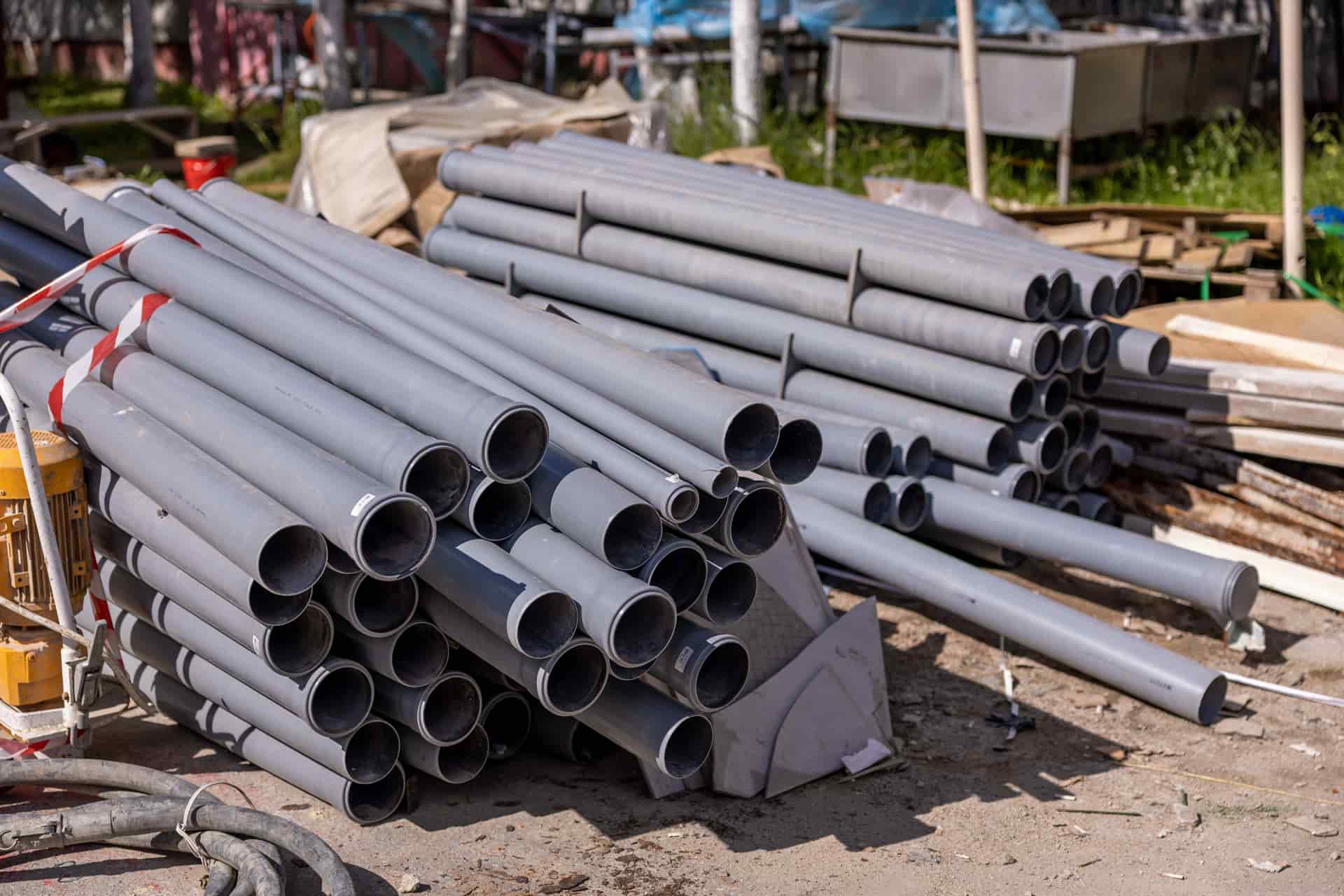
What to check on enclosure materials, and why the coatings matter more than the panel.
Bearded dragon
Bearded dragon enclosure requirements checklist
The complete bearded dragon setup checklist, with the figure and instrument for each.