Guides
Best stackable reptile enclosures
Stacking is a structural question before it is a shopping question. Three enclosures that genuinely stack, the two specs that disqualify most of the market, and the heat problem nobody mentions.
By Brijon M.Last updated
Only PVC and wooden enclosures with a flat, solid, load-bearing top are genuine stacking candidates - a screen-topped glass tank is not, because the screen carries no load and heat and humidity vent straight up into the enclosure above. Our top pick for stacking is the Dubia.com 4x2x2: solid ceiling, front-opening doors that still work with a box on the roof, and opaque sides. Stack no more than two high without a purpose-built rack, and give each enclosure its own thermostat.
Shed & Bask earns a commission from qualifying Amazon purchases made through links on this page. It does not change what we recommend or the order we rank things in. Read the full disclosure.
How we picked
Every pick below is scored against these thresholds, stated as numbers. Publishing them is the point: of the competitor roundups we surveyed, not one published a numeric selection threshold.
Meets the published adult footprint
At or above the cited minimum for the species it is sold for - 4.5 sq ft floor for a leopard gecko, about 8 sq ft for an adult ball python, 48 x 24 x 24 in or larger for a dragon, 18 x 18 x 36 in for a crested gecko
Source: ReptiFiles - Bearded Dragon Terrarium Size Requirements
Front-opening access
Doors on the front, not a lift-off lid. Less startling for the animal and harder to escape from
Holds the species humidity range
Material and lid design can hold the species target without constant intervention - 30-40% for a leopard gecko, 60-80% for a crested gecko
Takes a T5 fixture at a workable distance
Mesh top or internal mounting that puts a T5 HO lamp at its published distance - about 11 in through mesh for an Arcadia Desert 12%
Source: ReptiFiles - Bearded Dragon Temperatures & UVB Requirements
Supports a real thermal gradient
Long enough that the cool end actually reaches the species cool-side figure while the basking surface holds its target
Source: ReptiFiles - Bearded Dragon Temperatures & UVB Requirements
Materials we can account for
Manufacturer states the panel material, and any interior coating has a published temperature limit above the species basking surface temperature
Source: U.S. Environmental Protection Agency - Volatile Organic Compounds' Impact on Indoor Air Quality
These are the same criteria every roundup on this site applies. See the full methodology.
Quick picks
Every row is scored against the published criteria below. Tap a row to read the full write-up.
| # | Product | Best for | Criteria met | Price |
|---|---|---|---|---|
| 1 | 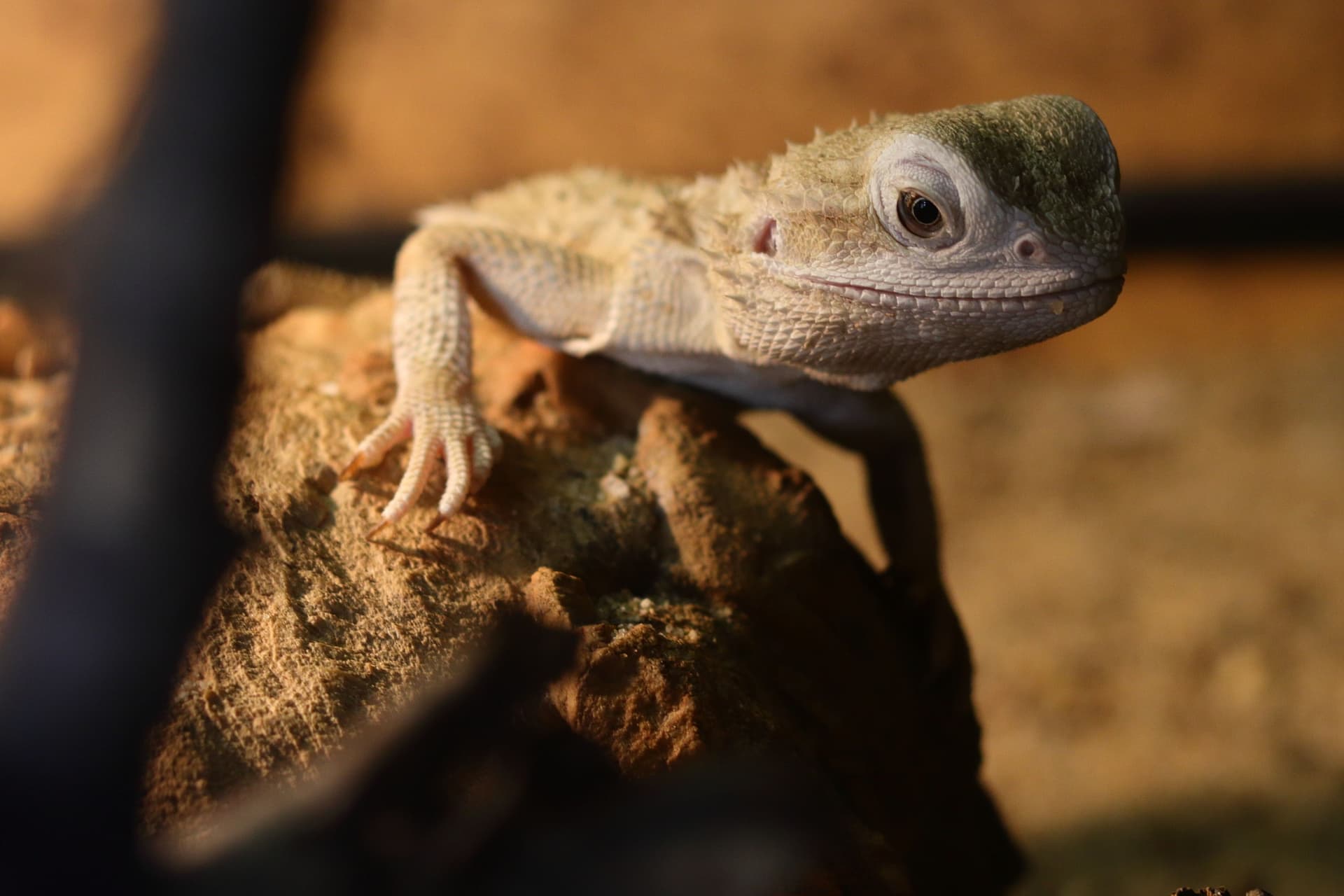 Dubia.com 4x2x2 (120 Gallon) Reptile Enclosure Best stackable enclosure | An adult ball python, or a small adult dragon | 5/6 | Check price on Amazon#ad We may earn a commission. Price and stock are resolved at Amazon. |
| 2 | 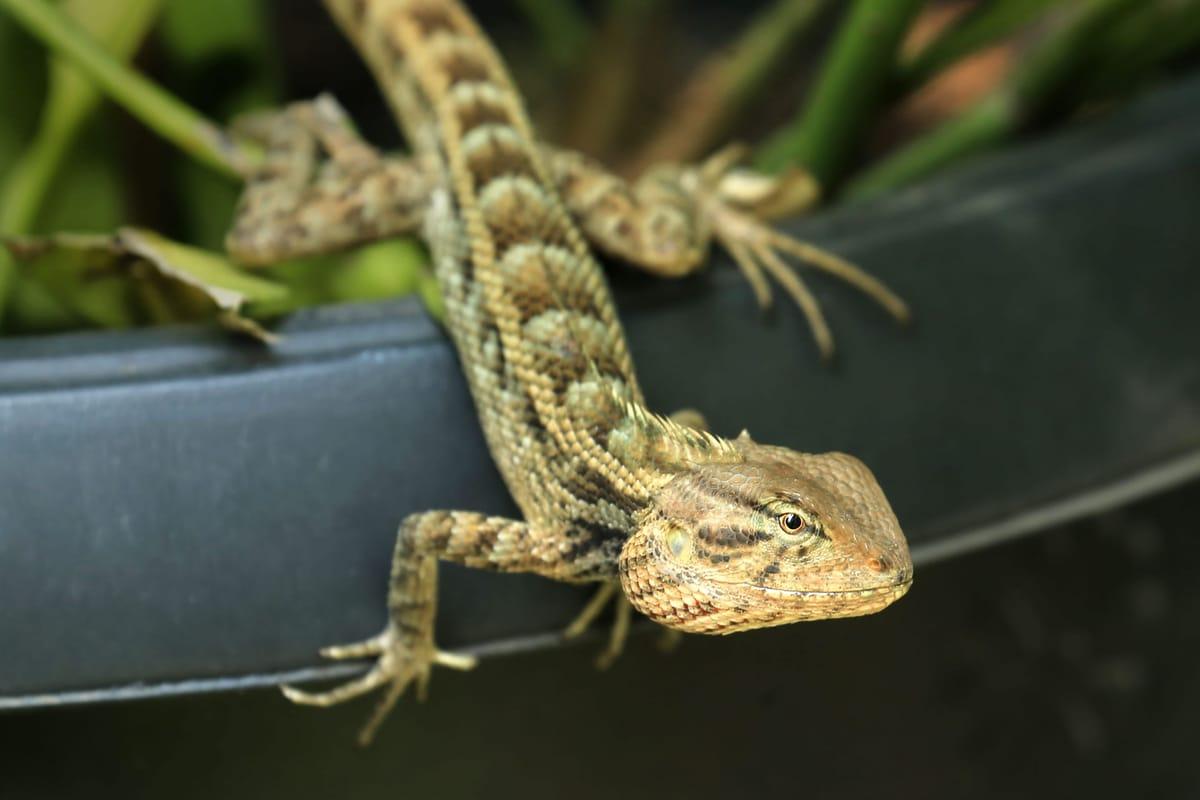 Zen Habitats 4x2x2 PVC Reptile Enclosure Best stackable with overhead lighting | A 4x2x2 adult dragon or an adult ball python | 5/6 | Check price on Amazon#ad We may earn a commission. Price and stock are resolved at Amazon. |
| 3 | 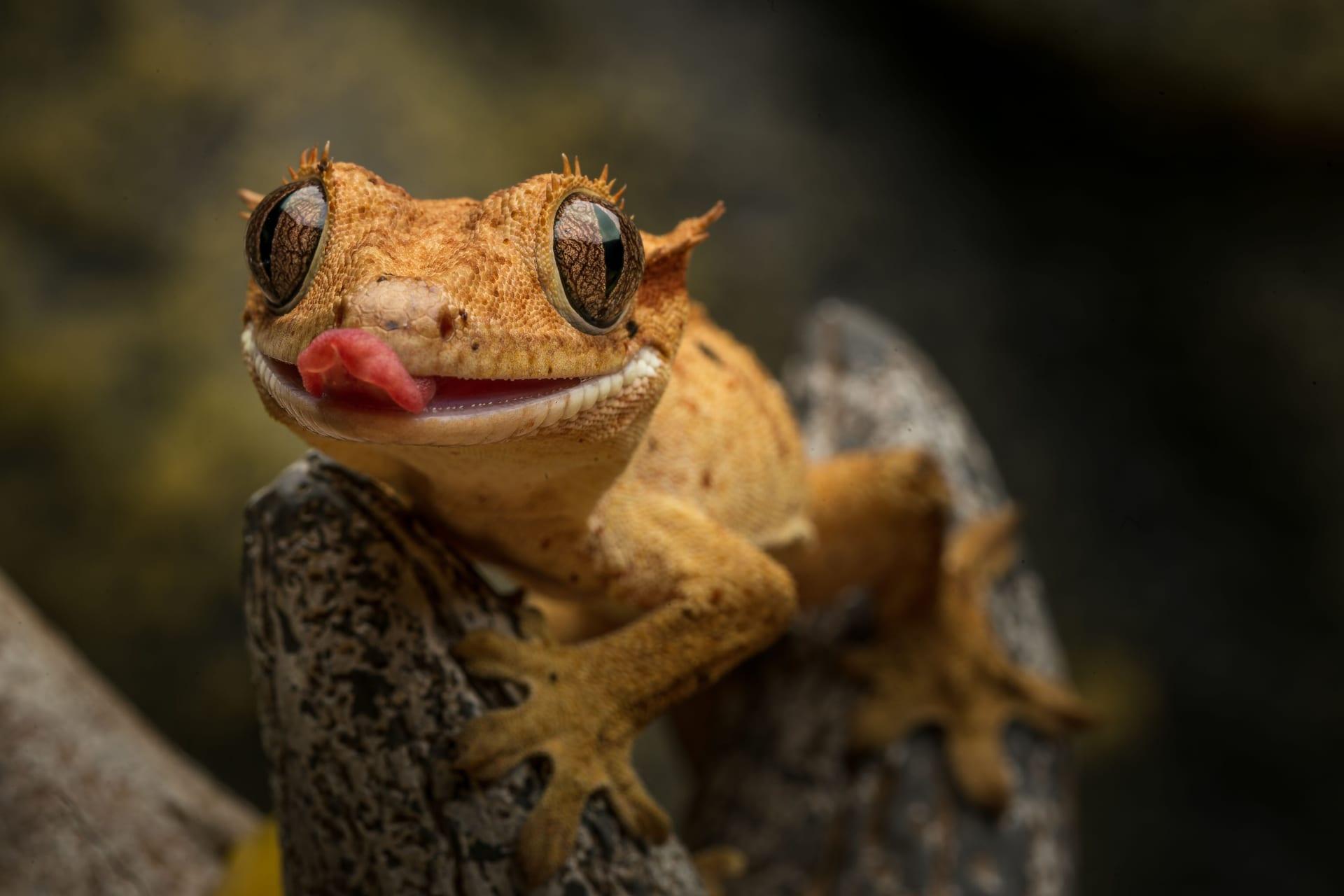 Zen Habitats 4x2x4 PVC Reptile Enclosure Best alternative to stacking | Arboreal species, or a dragon setup with a climbing level | 5/6 | Check price on Amazon#ad We may earn a commission. Price and stock are resolved at Amazon. |
Three specs decide whether an enclosure stacks
1. A flat, solid, load-bearing top. An enclosure roof made of screen mesh in a thin frame is not a shelf. The frame will take some weight at its edges and nothing in the middle, and a 4 ft enclosure full of substrate is heavy before you add water bowls and decor. If the top is mesh, the load has to go around it - a rack, a purpose-built stand, or a second enclosure sat on its own frame rather than on the roof below.
2. A ceiling that does not vent into the box above. This is the spec people miss and then spend a season fighting. Heat rises and humidity rises with it. An enclosure with a screen top sitting under another enclosure dumps both into the floor panel above, which means the lower animal loses the humidity you are trying to hold and the upper animal gets ambient warmth you never asked for and cannot control. A solid ceiling with ventilation at the sides breaks that chain.
3. Front-opening access that still works when stacked. Obvious in principle, routinely forgotten in practice. A top-opening enclosure at the bottom of a stack cannot be opened. A front-opening one can - but check the door swing, because doors that hinge upward need headroom the stack has just taken away. Sliding or side-hinged doors are the safe pattern.
What stacks, and what does not
| Enclosure type | Load-bearing top | Vents upward | Stackable? |
|---|---|---|---|
| PVC, solid ceiling, front doors | Yes | No - side vents | Yes, the intended candidate |
| PVC, mesh top, front doors | No | Yes | Only with a rack or stand between levels |
| Wooden / melamine, sealed | Yes, if the build is square | No | Yes, if you built it to carry load |
| Glass terrarium, screen top | No | Yes | No - the screen carries nothing |
| Standard aquarium | Rim only | Yes | No |
The heat problem, in numbers
Every species on this site has a published night minimum and a published cool side, and a stack quietly attacks both. A ball python wants 70-78 F (21-26 C) overnight and a cool hide at Cool hide 72-80 F (22-27 C); air never above 95 F (35 C) per the care reference. If that enclosure sits above a dragon enclosure running a basking lamp all day, its floor is being heated from below by something you are not controlling - and the cool end is the first casualty, because that is where the animal goes to stop being warm.
The fix is not a bigger thermostat. It is separation: a solid ceiling on the lower enclosure, an air gap between levels where the design allows one, and a thermometer reading the floor of the upper enclosure rather than its air. Our what temperature should a reptile enclosure be page has every species figure in one table, and how to measure basking temperature covers taking a reading that means something.
Each enclosure needs its own controller
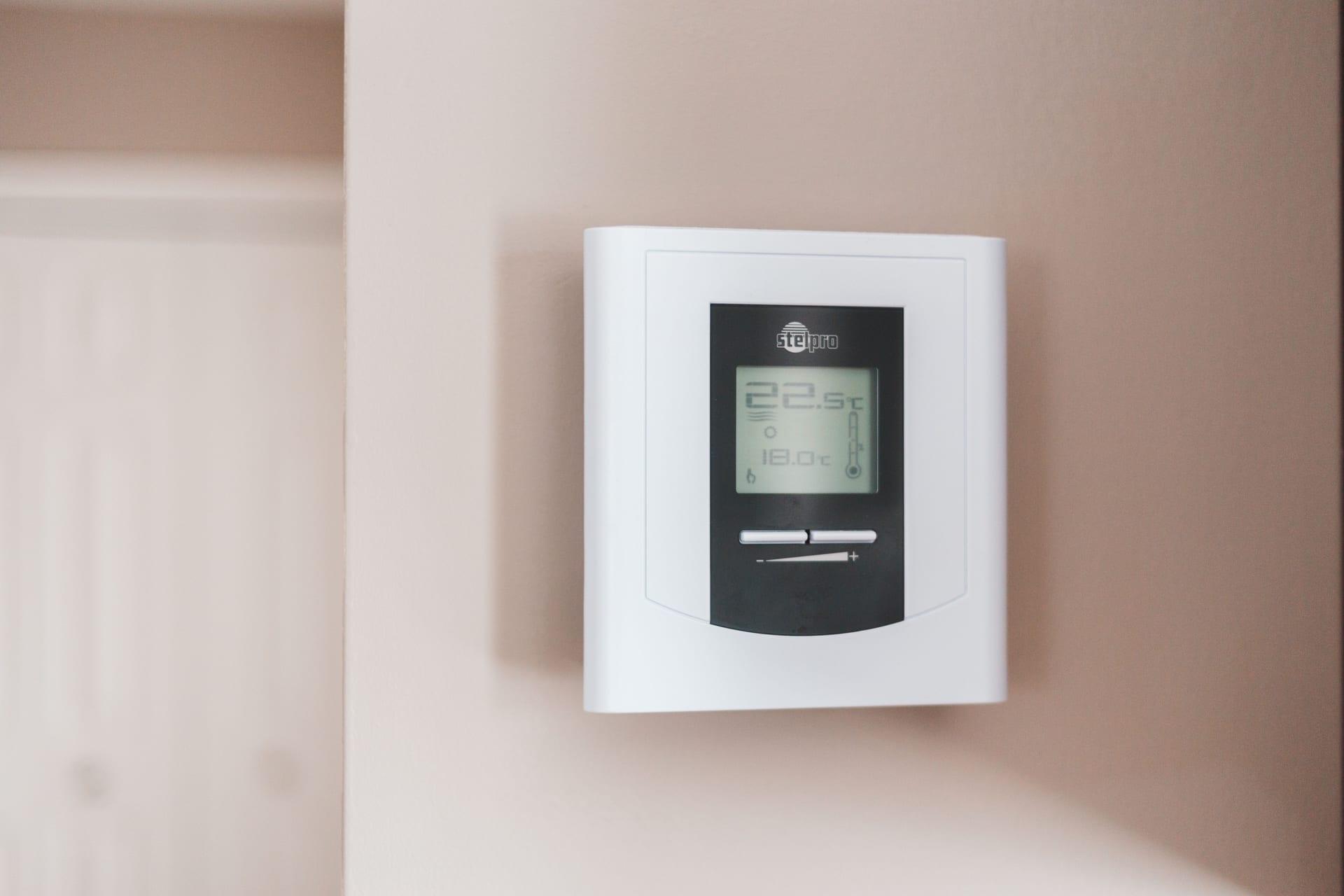
A stack is a set of independent thermal environments that happen to touch, so one thermostat cannot run two levels. Each enclosure needs its own heat source and its own probe at its own basking site. If you are building a two-high stack, a dual-channel proportional thermostat is the efficient answer - one unit, two independently controlled outputs, two probes. Best reptile thermostats covers the options and how thermostats work explains why on/off control behaves badly with a dimmable lamp.
Wiring deserves the same discipline. Two enclosures means two lamps, two probes and usually two more cables running up a wall, and a heat lamp cable pinched between a stack and a wall is a genuine fire path. Heat lamp fire safety is worth reading before you build rather than after.
The honest alternative
Most keepers who search for stackable enclosures have one animal and a small room, and what they actually want is more enclosure in the same floor area. Stacking is the answer when you have two animals. When you have one, a taller single enclosure gives you the same volume with a single thermostat, a single lamp and no heat transfer problem at all - which is why the 48 in tall unit is on this page. 120 gallon reptile enclosures compares the two shapes on the same footprint, and reptile enclosures with a stand covers getting one enclosure off the floor properly.
The picks in full
1. Best stackable enclosure
Dubia.com 4x2x2 (120 Gallon) Reptile Enclosure
Dubia.com · An adult ball python, or a small adult dragon
The best stacking candidate on the site, and the reason is the ceiling. A solid PVC top does two jobs a mesh top cannot: it carries load across the whole panel rather than across a screen frame, and it stops the lower enclosure venting heat and humidity straight into the floor of the one above it. Front-opening means the doors still work when there is a box sitting on the roof. Opaque sides suit a snake, which is the animal most keepers are stacking in the first place. The partial on lamp mounting is the trade you accept for a solid ceiling: an overhead fixture has to be mounted inside or the enclosure has to be heated from a panel rather than a dome.
Specifications
- Footprint
- 48 x 24 x 24 in (120 gallon)
- Material
- PVC
- Opening
- Front-opening
- Humidity
- Opaque on five sides, which helps hold humidity
How it scored against our criteria
| Meets the published adult footprintAt or above the cited minimum for the species it is sold for - 4.5 sq ft floor for a leopard gecko, about 8 sq ft for an adult ball python, 48 x 24 x 24 in or larger for a dragon, 18 x 18 x 36 in for a crested gecko | Meets |
|---|---|
| Front-opening accessDoors on the front, not a lift-off lid. Less startling for the animal and harder to escape from | Meets |
| Holds the species humidity rangeMaterial and lid design can hold the species target without constant intervention - 30-40% for a leopard gecko, 60-80% for a crested gecko | Meets |
| Takes a T5 fixture at a workable distanceMesh top or internal mounting that puts a T5 HO lamp at its published distance - about 11 in through mesh for an Arcadia Desert 12% | Partial |
| Supports a real thermal gradientLong enough that the cool end actually reaches the species cool-side figure while the basking surface holds its target | Meets |
| Materials we can account forManufacturer states the panel material, and any interior coating has a published temperature limit above the species basking surface temperature | Meets |
What works
- Carries the 8 sq ft of floor area an adult ball python needs
- Opaque sides give a snake visual security without taping paper to glass
- PVC is lighter than a glass tank of the same volume
What to know
- Ventilation needs checking if you run it humid for a python
- Shipping damage on large panels is a real risk with any flat-pack enclosure
Who should look elsewhere
If your ball python is over 4 ft, the enclosure should be at least as long as the snake. Go to a 5 or 6 ft build rather than forcing an adult into a 4 ft box.
2. Best stackable with overhead lighting
Zen Habitats 4x2x2 PVC Reptile Enclosure
Zen Habitats · A 4x2x2 adult dragon or an adult ball python
A PVC chassis on an aluminum frame, which is the structure that matters when something sits on top of it, and a mesh top that takes a T5 HO fixture at a workable distance. That mesh is both the strength and the catch: it is what makes this the stackable enclosure for a UVB species, and it is what means you cannot set the next enclosure flat on the roof. Stack this one with a rack or a dedicated stand between levels so the load bypasses the mesh entirely, and leave clearance for the fixture. The footprint partial is the same as everywhere on this site - good for a 4x2x2 class animal, short of the 24 cubic feet a full-grown dragon now asks for.
Specifications
- Footprint
- 48 x 24 x 24 in (about 120 gallons)
- Material
- PVC panels with an aluminum frame
- Opening
- Front-opening doors
- Top
- Mesh, lamp-compatible
How it scored against our criteria
| Meets the published adult footprintAt or above the cited minimum for the species it is sold for - 4.5 sq ft floor for a leopard gecko, about 8 sq ft for an adult ball python, 48 x 24 x 24 in or larger for a dragon, 18 x 18 x 36 in for a crested gecko | Partial |
|---|---|
| Front-opening accessDoors on the front, not a lift-off lid. Less startling for the animal and harder to escape from | Meets |
| Holds the species humidity rangeMaterial and lid design can hold the species target without constant intervention - 30-40% for a leopard gecko, 60-80% for a crested gecko | Meets |
| Takes a T5 fixture at a workable distanceMesh top or internal mounting that puts a T5 HO lamp at its published distance - about 11 in through mesh for an Arcadia Desert 12% | Meets |
| Supports a real thermal gradientLong enough that the cool end actually reaches the species cool-side figure while the basking surface holds its target | Meets |
| Materials we can account forManufacturer states the panel material, and any interior coating has a published temperature limit above the species basking surface temperature | Meets |
What works
- Front-opening, which is the access pattern every care reference prefers
- PVC holds humidity far better than screen-topped glass
- Mesh top takes a T5 HO fixture without an internal mount
What to know
- Does not reach the 24 cubic feet ReptiFiles now sets as its bearded dragon minimum
- Assembly is required and the panels are large to handle alone
Who should look elsewhere
If your dragon is a full-size adult at 19-23 in total length, the current ReptiFiles minimum is 6 x 2 x 2 ft or 24 cubic feet. Buy the 6 ft size instead of this one.
3. Best alternative to stacking
Zen Habitats 4x2x4 PVC Reptile Enclosure
Zen Habitats · Arboreal species, or a dragon setup with a climbing level
The pick for the keeper whose real problem is floor space rather than animal count. At 48 x 24 x 48 in this takes the footprint of one enclosure and gives roughly 32 cubic feet of usable volume on it, which is what most people are chasing when they start looking at stacks. One enclosure, one thermostat, one lamp, one set of doors you can actually reach - and none of the heat-transfer and access problems a two-high stack creates. Gradient scores partial because height concentrates warm air at the top, so the thermostat probe belongs at the basking surface rather than anywhere convenient.
Specifications
- Footprint
- 48 x 24 x 48 in
- Material
- PVC panels with an aluminum frame
- Opening
- Front-opening doors
- Top
- Mesh, lamp-compatible
How it scored against our criteria
| Meets the published adult footprintAt or above the cited minimum for the species it is sold for - 4.5 sq ft floor for a leopard gecko, about 8 sq ft for an adult ball python, 48 x 24 x 24 in or larger for a dragon, 18 x 18 x 36 in for a crested gecko | Meets |
|---|---|
| Front-opening accessDoors on the front, not a lift-off lid. Less startling for the animal and harder to escape from | Meets |
| Holds the species humidity rangeMaterial and lid design can hold the species target without constant intervention - 30-40% for a leopard gecko, 60-80% for a crested gecko | Meets |
| Takes a T5 fixture at a workable distanceMesh top or internal mounting that puts a T5 HO lamp at its published distance - about 11 in through mesh for an Arcadia Desert 12% | Meets |
| Supports a real thermal gradientLong enough that the cool end actually reaches the species cool-side figure while the basking surface holds its target | Partial |
| Materials we can account forManufacturer states the panel material, and any interior coating has a published temperature limit above the species basking surface temperature | Meets |
What works
- Vertical space is the binding constraint for arboreal species, and this has it
- Same PVC humidity retention as the 4x2x2
- Room to mount a UVB fixture well above a basking branch
What to know
- Height makes a basking gradient harder to control without a thermostat
- Overkill for a strictly terrestrial animal
Who should look elsewhere
A leopard gecko gets nothing from 48 in of height. Floor area is its constraint, so buy a 36 x 18 x 18 in instead and spend the difference on substrate depth.
Frequently asked questions
Can you stack reptile enclosures on top of each other?
PVC and wooden enclosures with a flat solid top, yes - two high, on a level floor, with the lower enclosure on its own stand. Glass terrariums with screen tops, no: the screen carries no load and vents heat and humidity straight into the enclosure above.
Can you stack glass reptile tanks?
Not safely on each other. If you need two glass tanks in one footprint, use a rack or shelving rated for the loaded weight so each tank sits on its own shelf and nothing rests on a screen top. See best reptile tanks for the glass options themselves.
Does stacking enclosures affect temperature?
Yes, and it is the most common problem with a stack. Heat rises out of the lower enclosure into the floor of the upper one, which pushes the upper enclosure cool side and night temperature up. Use a solid ceiling below, give each enclosure its own thermostat and probe, and measure the floor of the upper enclosure rather than its air.
Do I need a special rack for stackable enclosures?
For two enclosures, no, provided the lower one has a solid load-bearing top and sits on a proper stand. For three or more, buy a rack system designed for the load. A bookshelf is not a rack - a 4 ft enclosure full of substrate is far heavier than shelving of that kind is rated for.
Is it better to stack enclosures or buy one tall enclosure?
One tall enclosure, if you have one animal. You get the same volume in the same floor space with one thermostat, one lamp and no heat transfer between levels. Stack only when you genuinely have two animals to house, since none of the four species we cover should share an enclosure.
Sources
- Ball Python Humidity & Temperature Requirements — ReptiFiles
- Bearded Dragon Terrarium Size Requirements — ReptiFiles
- Ball Python Terrarium Size & Lighting — ReptiFiles
- Heating equipment and home fire safety — National Fire Protection Association
Read next
Hub
Reptile enclosure guides and comparisons
The cross-species decisions: what material to buy, how big it has to be, whether to build it yourself, and which beginner mistakes are expensive.
Guides
Best 120 gallon reptile enclosures
The 120 gallon size class decoded into inches and square feet, with three enclosures scored against the published adult minimum for each species it fits.
Guides
Reptile enclosure with a stand: what the stand actually has to do
What a reptile enclosure stand has to carry and match, how to work out the loaded weight, and when a cabinet you own will do.
Guides
Best PVC reptile enclosures (2026)
PVC enclosures ranked on footprint, humidity retention and whether the panel material is disclosed.
Guides
Reptile enclosure ventilation
How much ventilation an enclosure needs, where to place it for cross-flow, and the failures at each extreme.
Lighting & heat
Best reptile thermostats (2026)
Thermostats ranked by control type, stated accuracy, load ceiling and whether they alarm on failure.