Substrate & safety
Reptile impaction risk: what the evidence identifies
Impaction is usually treated as a substrate problem. The published causes are dehydration, low basking temperatures and parasite load - all of which are upstream of the floor.
By Brijon M.Last updated
The causes identified in the published guidance are dehydration, low basking temperatures and high parasite loads - not loose substrate as such. In a 2017 retrospective study of 529 captive bearded dragon patients, despite most being housed on loose substrate, very few were impacted, and most of those were already sick with parasites or metabolic bone disease.
Shed & Bask earns a commission from qualifying Amazon purchases made through links on this page. It does not change what we recommend or the order we rank things in. Read the full disclosure.
Why this page exists
Impaction is the risk this site's readers ask about most, and it is the risk the hobby gives the least evidence for. The standard advice - avoid loose substrate - is offered as settled, and the published position in the care reference we cite throughout this site is different enough that it is worth laying out carefully rather than simply repeating either version.
What the evidence says
The guidance cites a 2017 retrospective study of diseases in captive bearded dragons covering 529 patients. Despite most of the dragons having been housed on loose substrate, very few patients were impacted. Of the small number of impaction cases that did occur, most were already sick with other conditions - parasite infestation and metabolic bone disease - and those conditions were attributed as causing the impaction.
The causes the guidance identifies are therefore: dehydration, low basking temperatures and high parasite loads. A healthy animal at correct temperatures should be able to handle a loose substrate, passing any particles that are ingested.
The three causes, and what to do about each
Low basking temperature
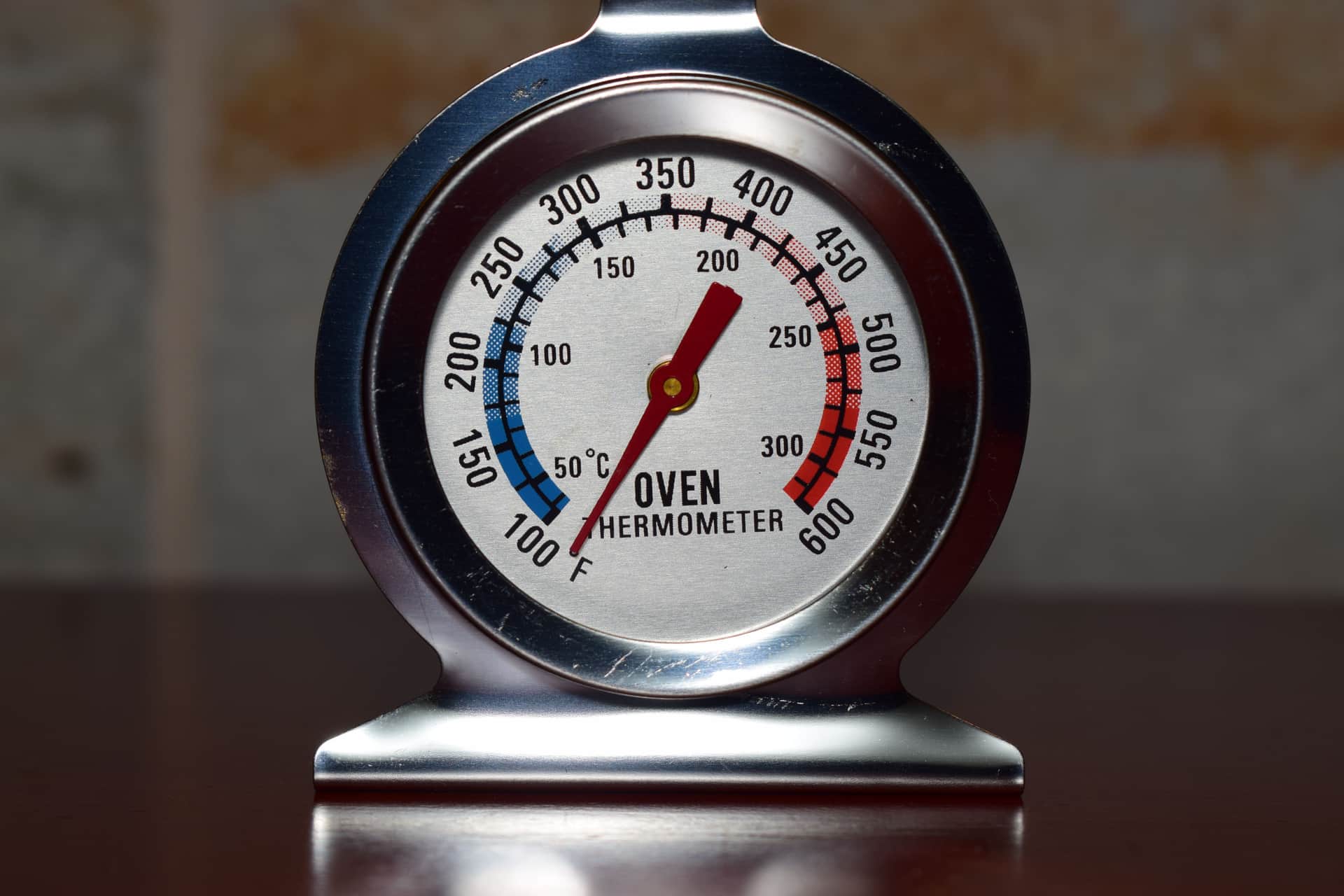
Digestion in a reptile is temperature-driven. An animal that cannot reach its basking target digests slowly, and slow digestion is where a blockage becomes possible. The published figures are surface temperatures: 108-113 F (42-45 C) surface temperature for a bearded dragon, 94-97 F (34-36 C) surface; warm hide 90-92 F (32-33 C) for a leopard gecko. Those cannot be verified with an air probe or a stick-on dial - you need an infrared gun pointed at the surface the animal lies on.
The single most useful purchase against impaction
Infrared Temperature Gun
It tells you whether your basking surface is actually at the published figure. A dragon digesting at 85 F instead of 108-113 F is the real risk factor.
Dehydration
Water comes from more than a dish. The published bearded dragon guidance notes that dragons get most of their water from food and from ambient humidity, and that the enclosure should average 30-60% ambient average - with the common belief that humidity should be as low as possible named as a myth. Too dry and you risk respiratory and skin problems alongside the hydration issue. For a leopard gecko the mechanism is different: a humid hide at 70-80% inside an enclosure at 30-40% ambient, with a humid hide at 70-80%.
Parasite load
A fecal screen for a newly acquired animal, and quarantine on a sterile surface where you can observe feces properly, is the standard answer. This is the one cause on the list that needs a vet rather than equipment.
The substrates that are genuinely hazardous
| Substrate | Mechanism |
|---|---|
| Calcium sand / vitamin sand | Calcium carbonate clumps inside the intestine; also neutralizes stomach acid |
| Ground nut shell | Dusty, and causes impaction if ingested |
| Wood products (bark, shavings) | Cause impaction if ingested |
A practical prevention checklist
- Measure the basking surface with an infrared gun. Not the air. The surface.
- Check ambient humidity is inside the species range, in both directions.
- Quarantine new animals and get a fecal screen.
- Avoid the named hazard substrates entirely.
- Use a loose substrate at a functional depth if the species burrows - shallow substrate is not safer, it just removes the behavior. Depth figures here.
- Feed appropriately sized prey, and do not feed on a bare hot surface.
- Keep substrate off an animal wearing topical medication - switch to tile or flagstone temporarily.
A loose substrate with low maintenance
The BioDude Terra Sahara Bioactive Substrate Kit
Bioactive-ready arid kit. A clean-up crew processes waste, which removes the main hygiene argument against loose substrate.
Frequently asked questions
What causes impaction in reptiles?
The causes identified in the published guidance are dehydration, low basking temperatures and high parasite loads. Loose substrate on its own is not the primary cause in a healthy animal at correct temperatures.
How do you prevent impaction in a bearded dragon?
Verify the basking surface is at 108-113 F (42-45 C) surface temperature with an infrared gun, keep ambient humidity in the 30-60% ambient average range, quarantine and fecal-screen new animals, and avoid the named hazard substrates - calcium sand, vitamin sand, ground nut shell and wood products.
Is loose substrate safe for reptiles?
For a healthy animal at correct temperatures, the published position is yes, excluding the named hazards. The 2017 study of 529 captive bearded dragon patients found very few impaction cases despite most animals being housed on loose substrate.
Sources
- Bearded Dragon Substrate Options — ReptiFiles
- A survey of diseases in captive bearded dragons: a retrospective study of 529 patients (Schmidt-Ukaj et al., 2017) — Veterinarni Medicina
- Bearded Dragon Temperatures & UVB Requirements — ReptiFiles
- Leopard Gecko Temperatures & Humidity — ReptiFiles
Read next
Hub
Reptile substrate and enclosure material safety
What the enclosure is made of, sealed with and floored with. This is the part of reptile keeping with the most confident advice and the least cited evidence.

Substrate & safety
Best reptile substrate (2026), by species and risk
Substrates judged against named hazards, usable depth and the species moisture target.
Substrate & safety
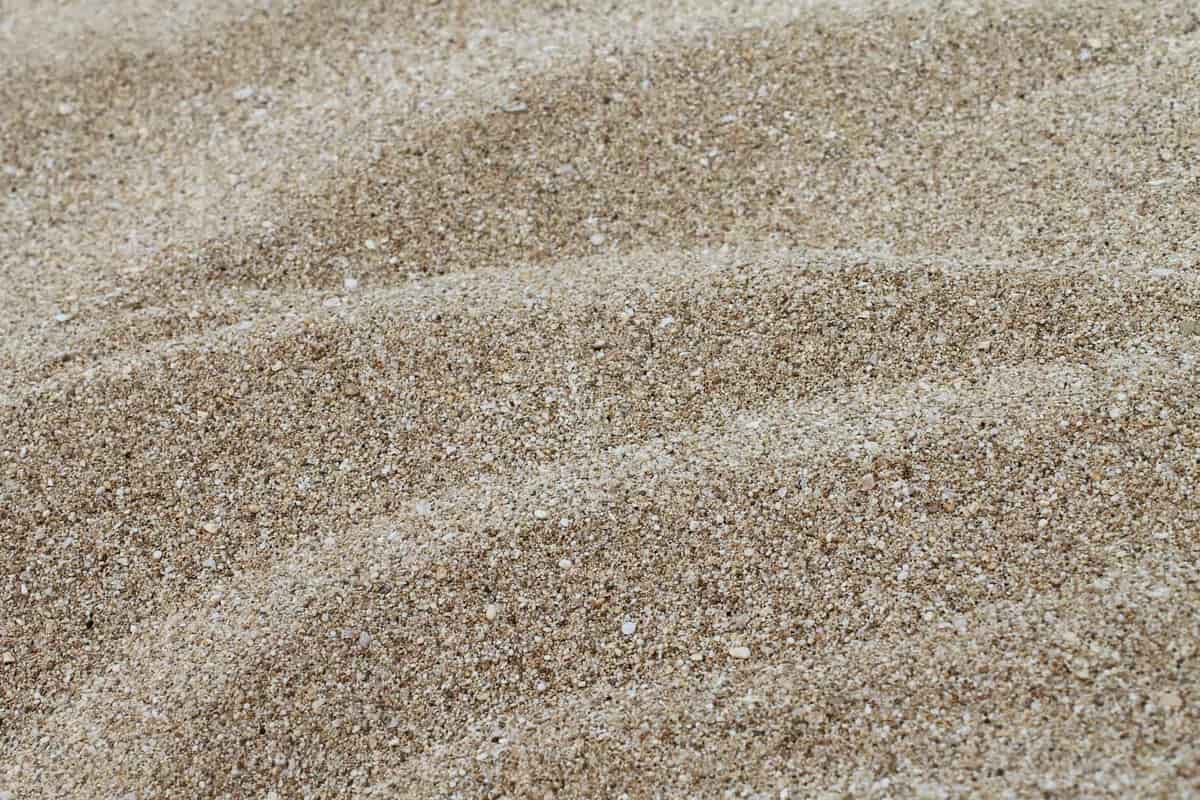
Is sand safe for reptiles?
Which sands are named as hazards, which appear in published mixes, and what the impaction evidence says.
Substrate & safety
How much substrate do you need?
Published substrate depths and the volume formula to work out what to order.
Bearded dragon
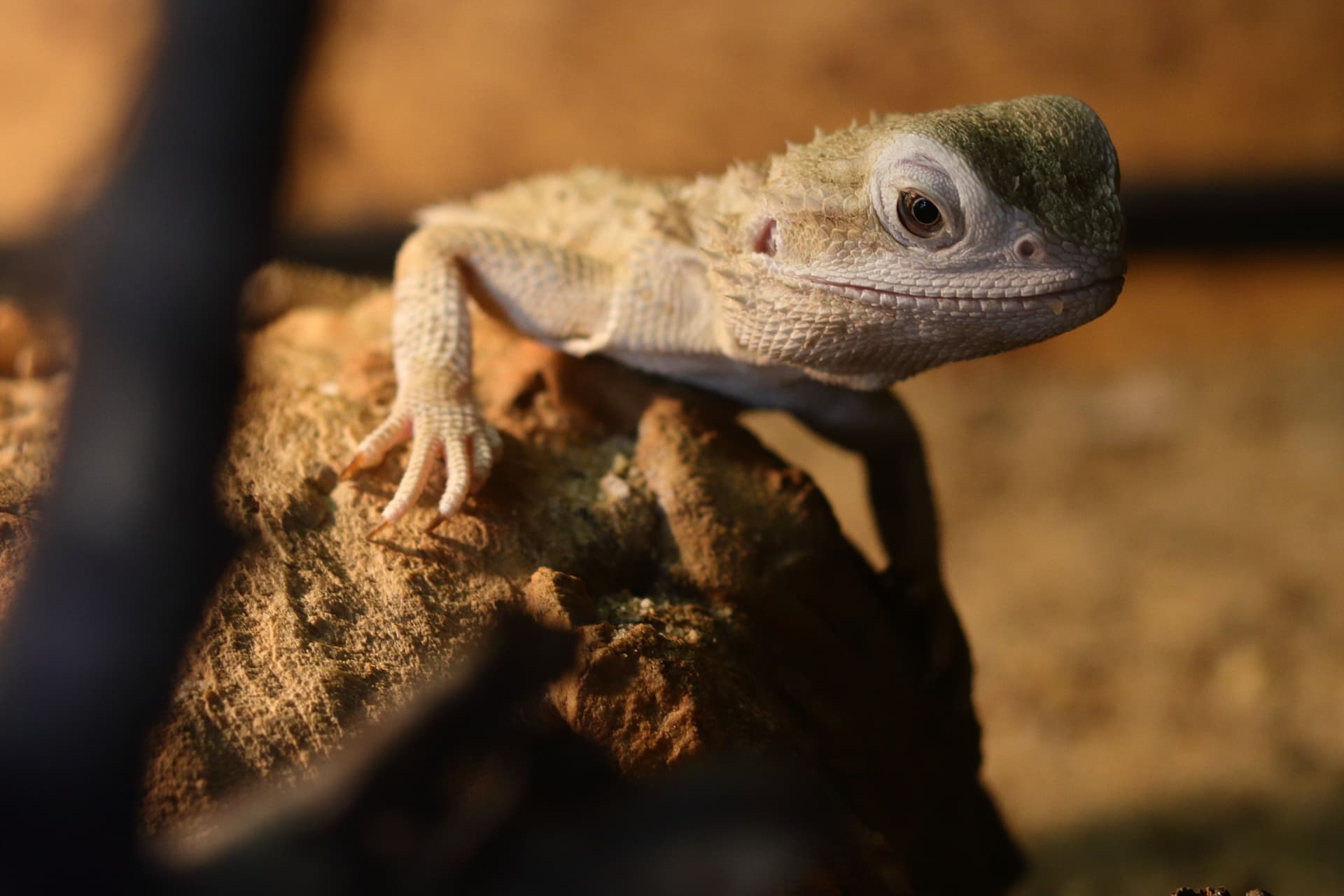
Bearded dragon temperature and humidity
The published dragon temperature and humidity figures, and where each comes from.
Lighting & heat
Best reptile thermometers and humidity gauges (2026)
The two instruments that can actually read the published figures: an infrared gun and a probe combo.