Guides
Dubia reptile enclosure review
A 48 x 24 x 24 in PVC box that gets the two things right that matter most for a snake - floor area and humidity retention - and asks you to solve lamp mounting yourself. Here is who should buy it.
By Brijon M.Last updated
The Dubia.com 4x2x2 is a 48 x 24 x 24 in PVC enclosure - about 8 sq ft of floor and 16 cubic feet - and it is a strong buy for an adult ball python: it meets the published 48 x 24 x 24 in minimum, and the opaque PVC holds a humid range a screen top cannot. Its one real trade-off is the solid ceiling, which means planning a lamp mount instead of setting a fixture on mesh. Buy the mesh-top alternative instead if your animal needs overhead UVB, and buy a smaller glass terrarium if your animal is a leopard gecko.
Shed & Bask earns a commission from qualifying Amazon purchases made through links on this page. It does not change what we recommend or the order we rank things in. Read the full disclosure.
How we picked
Every pick below is scored against these thresholds, stated as numbers. Publishing them is the point: of the competitor roundups we surveyed, not one published a numeric selection threshold.
Meets the published adult footprint
At or above the cited minimum for the species it is sold for - 4.5 sq ft floor for a leopard gecko, about 8 sq ft for an adult ball python, 48 x 24 x 24 in or larger for a dragon, 18 x 18 x 36 in for a crested gecko
Source: ReptiFiles - Bearded Dragon Terrarium Size Requirements
Front-opening access
Doors on the front, not a lift-off lid. Less startling for the animal and harder to escape from
Holds the species humidity range
Material and lid design can hold the species target without constant intervention - 30-40% for a leopard gecko, 60-80% for a crested gecko
Takes a T5 fixture at a workable distance
Mesh top or internal mounting that puts a T5 HO lamp at its published distance - about 11 in through mesh for an Arcadia Desert 12%
Source: ReptiFiles - Bearded Dragon Temperatures & UVB Requirements
Supports a real thermal gradient
Long enough that the cool end actually reaches the species cool-side figure while the basking surface holds its target
Source: ReptiFiles - Bearded Dragon Temperatures & UVB Requirements
Materials we can account for
Manufacturer states the panel material, and any interior coating has a published temperature limit above the species basking surface temperature
Source: U.S. Environmental Protection Agency - Volatile Organic Compounds' Impact on Indoor Air Quality
These are the same criteria every roundup on this site applies. See the full methodology.
Quick picks
Every row is scored against the published criteria below. Tap a row to read the full write-up.
| # | Product | Best for | Criteria met | Price |
|---|---|---|---|---|
| 1 | 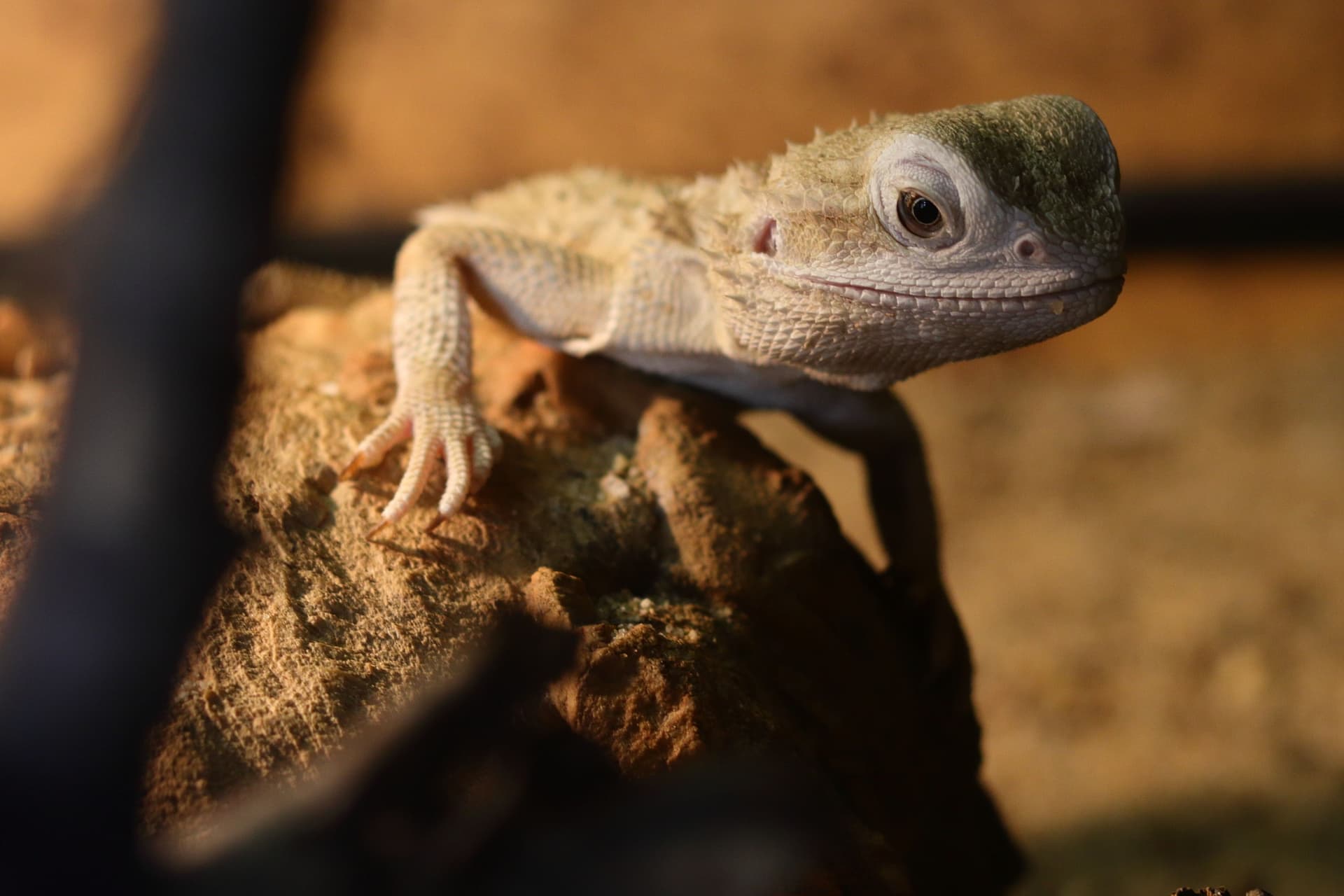 Dubia.com 4x2x2 (120 Gallon) Reptile Enclosure The product under review | An adult ball python, or a small adult dragon | 5/6 | Check price on Amazon#ad We may earn a commission. Price and stock are resolved at Amazon. |
| 2 | 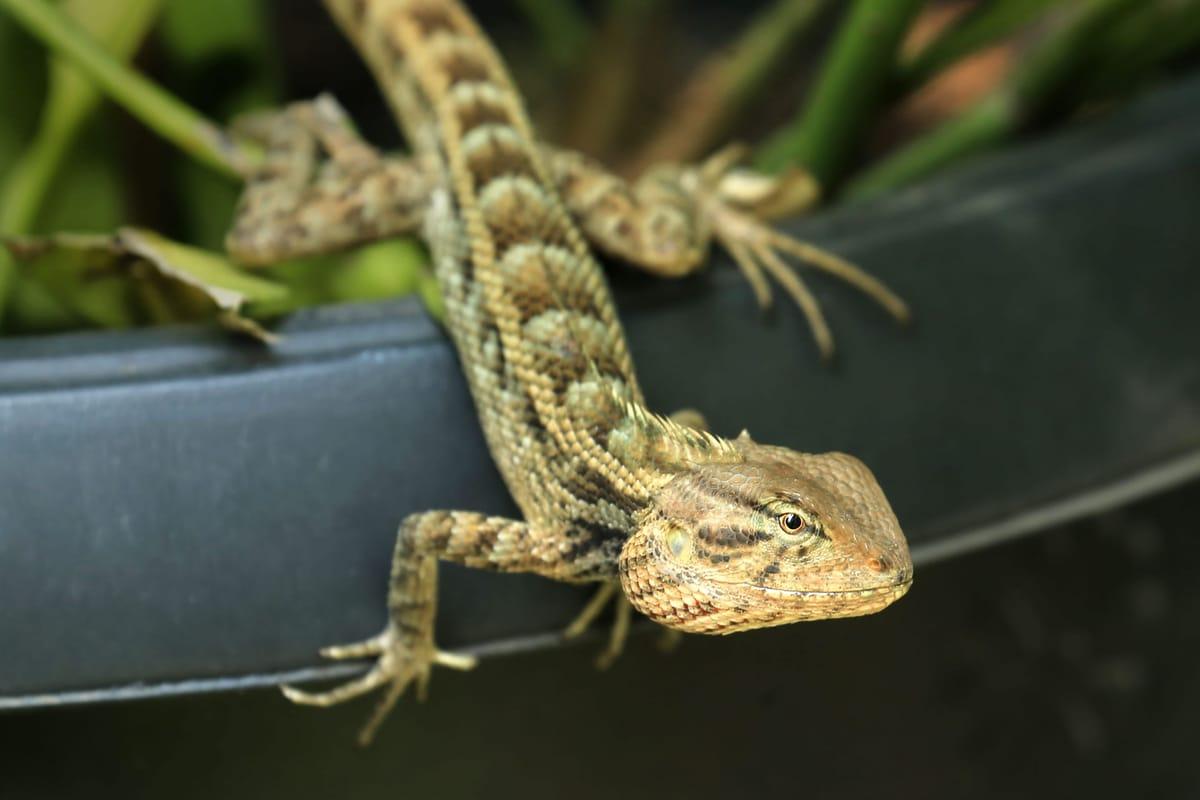 Zen Habitats 4x2x2 PVC Reptile Enclosure The alternative with a mesh top | A 4x2x2 adult dragon or an adult ball python | 5/6 | Check price on Amazon#ad We may earn a commission. Price and stock are resolved at Amazon. |
| 3 |  REPTI ZOO Front-Opening Glass Terrarium If 4 feet is more than you need | A leopard gecko at the 36 x 18 x 18 in minimum | 5/6 | Check price on Amazon#ad We may earn a commission. Price and stock are resolved at Amazon. |
What it is, in the numbers that matter
| Measure | Figure | What it clears |
|---|---|---|
| Footprint | 48 x 24 x 24 in | 4 x 2 x 2 ft, the class the market calls a 4x2x2 |
| Floor area | About 8 sq ft | Meets the published ball python adult minimum |
| Volume | 16 cubic feet | Short of the 6 ft L x 2 ft W x 2 ft H (1.8 x 0.6 x 0.6 m), or 24 cubic feet of internal volume figure for a full-grown bearded dragon |
| Material | PVC, opaque on five sides | Holds a humid range; gives a snake visual security |
| Opening | Front-opening doors | The access pattern every care reference prefers |
| Ceiling | Solid | Holds humidity; requires a planned lamp mount |
If you want the unit arithmetic on that size class in every system - inches, centimeters, square feet, gallons - it is on 4x2x2 enclosure dimensions, and the buying guide to the class as a whole is 4x2x2 reptile enclosure.
Who should buy it
An adult ball python keeper, first and foremost. This is the use case the enclosure is genuinely good at, and the reasons stack. The published adult minimum is 48 x 24 x 24 in (120 x 60 x 60 cm), about 8 sq ft of floor area per the care reference, and 8 sq ft meets it. The humidity requirement for this species is a managed balance - raised for sheds, ventilated against scale rot as the reference puts it - and that balance is achievable in opaque PVC and genuinely difficult in a screen-topped tank. The opaque sides matter behaviorally too: a snake in a glass box with four transparent walls often gets paper taped over three of them, which is a workaround for an enclosure that was the wrong choice.
Anyone keeping a humidity-dependent species at this footprint. The material does the work that misting otherwise does. Best enclosures for humidity starts from that figure rather than from the box.
The solid ceiling is the whole trade-off
Every meaningful criticism of this enclosure comes back to one design decision, so it is worth being precise about it rather than listing it as a con and moving on.
A solid PVC ceiling keeps humidity in. It also means there is no mesh to set a T5 fixture on. Your options become an internal mount, a fixture suspended above a cut opening, or heating from a ceiling-mounted radiant panel instead of a lamp - and that last option is actually the one we would recommend for a ball python anyway, because this species wants a warm zone held at a figure rather than a bright basking spot. Best basking bulb for a ball python scores the heat sources against that target, and best UVB for ball pythons covers the low-output tube if you choose to run UVB.
Where the solid ceiling genuinely hurts is a high-UVI species. A bearded dragon needs UVI 4.0-4.5 at the basking surface per the Ferguson zone guidance, which means a linear tube at a measured distance above the basking surface - far easier on mesh. If that is your animal, the mesh-top alternative on this page is the better buy, and Zen Habitats vs Dubia is the full head-to-head on exactly this difference.
Stacking, the stand, and the lock
These are the three things people search for after the review, and all three come back to the same PVC-and-solid-ceiling construction.
Stacking. A flat solid top is what makes an enclosure a stacking candidate at all - it carries load across the panel rather than across a screen frame, and it stops the lower enclosure venting heat and humidity into the floor of the one above. That makes this one of the better candidates in its class. Two high on a level floor, with the lower unit on its own stand, is the sensible ceiling without a purpose-built rack, and each enclosure needs its own thermostat and probe. Stackable reptile enclosures covers the structural and thermal rules in full.
The stand. A 4 ft enclosure loaded with substrate, water and decor is heavy, and a bookshelf is not a stand. Work out the loaded weight before you decide what it sits on - reptile enclosures with a stand has the arithmetic and the working-height question for front doors.
The lock. Worth confirming on the current listing rather than taking from any review, because door hardware is the detail manufacturers revise most often between production runs. A front-opening enclosure housing a strong adult snake should have a positive latch; check the listing photos and the spec list at the point of purchase.
Assembly, honestly
Flat-pack PVC enclosures in this class ship as panels and are assembled at home, and two things are consistently true across the category. The panels are large and awkward to handle alone, so this is a two-person job or at least a job done on the floor rather than on a table. And shipping damage to a large flat panel is a real risk with any enclosure sold this way - inspect every panel before you start, because a cracked panel found halfway through assembly is a far worse afternoon than one found in the box.
We are not going to quote assembly times or screw counts for you. Those change between revisions, and the manufacturer's own instructions are the authority on the unit you actually receive.
Who should buy something else
A full-grown bearded dragon keeper. 16 cubic feet does not reach the 6 ft L x 2 ft W x 2 ft H (1.8 x 0.6 x 0.6 m), or 24 cubic feet of internal volume the current reference sets as its minimum, and the solid ceiling fights the overhead UVB this species needs most. Go to a 6 ft footprint, or take the 48 in tall version of a 4 ft chassis for about 32 cubic feet on the same floor space. Best bearded dragon enclosures has the alternatives.
A leopard gecko keeper. The published minimum is 36 x 18 x 18 in with at least 4.5 sq ft of floor space. A 4x2x2 is not dangerous - larger is not a problem on floor area - but it is more enclosure than the animal needs, it is harder to keep a warm surface concentrated across, and the dry range this species wants is better served by glass. Best leopard gecko tanks is the right list, and leopard gecko heating covers holding that warm surface.
A crested gecko keeper. Wrong shape entirely. The published minimum is 18 x 18 x 36 in for juveniles and adults over 12 g - taller than it is wide - and a 4x2x2 puts the volume into length an arboreal animal will not use.
A snake over about 4 feet. The rule that overrides floor area is that the enclosure should be at least as long as the snake, so a larger adult needs a 5 or 6 ft build regardless of what 8 sq ft suggests. Ball python enclosure size has the figures by life stage.
The verdict
A well-judged enclosure for the species it is best known for. If you keep an adult ball python up to about 4 ft, this is a buy: the footprint meets the published minimum, the material holds the humidity range the animal needs, and the opaque sides solve a behavioral problem that glass creates. Budget for a planned heat mount rather than assuming a fixture will sit on top, and check the current listing for door hardware and ventilation before you order.
If your animal needs overhead UVB at a measured distance, buy the mesh-top alternative instead and accept the humidity trade. If your animal is smaller than this footprint, buy smaller - a correctly sized glass terrarium beats an oversized PVC box you have to heat. And if you want the two leading 4x2x2 units compared side by side rather than one reviewed on its own, Zen Habitats vs Dubia is that page.
The picks in full
1. The product under review
Dubia.com 4x2x2 (120 Gallon) Reptile Enclosure
Dubia.com · An adult ball python, or a small adult dragon
Scored against our published enclosure criteria, this clears five of six and takes a partial on the sixth. The footprint is the headline: 48 x 24 x 24 in gives about 8 sq ft of floor, which meets the published adult ball python minimum, and the enclosure is named in the ball python guidance we work from rather than just marketed at it. PVC on five opaque sides does two jobs at once - it holds a humid range without constant misting, and it gives a snake visual security without paper taped over glass. Front-opening doors are the access pattern every care reference prefers. The partial is lamp mounting: a solid ceiling means you are planning a mount or heating from a panel rather than setting a fixture on mesh, and that is a real design decision rather than a footnote. Ventilation also wants checking if you intend to run it genuinely wet.
Specifications
- Footprint
- 48 x 24 x 24 in (120 gallon)
- Material
- PVC
- Opening
- Front-opening
- Humidity
- Opaque on five sides, which helps hold humidity
How it scored against our criteria
| Meets the published adult footprintAt or above the cited minimum for the species it is sold for - 4.5 sq ft floor for a leopard gecko, about 8 sq ft for an adult ball python, 48 x 24 x 24 in or larger for a dragon, 18 x 18 x 36 in for a crested gecko | Meets |
|---|---|
| Front-opening accessDoors on the front, not a lift-off lid. Less startling for the animal and harder to escape from | Meets |
| Holds the species humidity rangeMaterial and lid design can hold the species target without constant intervention - 30-40% for a leopard gecko, 60-80% for a crested gecko | Meets |
| Takes a T5 fixture at a workable distanceMesh top or internal mounting that puts a T5 HO lamp at its published distance - about 11 in through mesh for an Arcadia Desert 12% | Partial |
| Supports a real thermal gradientLong enough that the cool end actually reaches the species cool-side figure while the basking surface holds its target | Meets |
| Materials we can account forManufacturer states the panel material, and any interior coating has a published temperature limit above the species basking surface temperature | Meets |
What works
- Carries the 8 sq ft of floor area an adult ball python needs
- Opaque sides give a snake visual security without taping paper to glass
- PVC is lighter than a glass tank of the same volume
What to know
- Ventilation needs checking if you run it humid for a python
- Shipping damage on large panels is a real risk with any flat-pack enclosure
Who should look elsewhere
If your ball python is over 4 ft, the enclosure should be at least as long as the snake. Go to a 5 or 6 ft build rather than forcing an adult into a 4 ft box.
2. The alternative with a mesh top
Zen Habitats 4x2x2 PVC Reptile Enclosure
Zen Habitats · A 4x2x2 adult dragon or an adult ball python
The same 48 x 24 x 24 in class with the opposite ceiling decision, and the honest alternative if your animal needs a lamp overhead. The mesh top takes a T5 HO fixture at a workable distance with no internal mount and no drilling, which is what a UVB species wants. You pay for it in humidity - mesh sheds moisture continuously - and in the footprint score, which is a partial here for the same reason it is everywhere on this site: the 4x2x2 class is the widely used dragon size but does not reach the 24 cubic feet the current reference sets as a bearded dragon minimum. Choose by ceiling: solid for a humid snake, mesh for a lamp.
Specifications
- Footprint
- 48 x 24 x 24 in (about 120 gallons)
- Material
- PVC panels with an aluminum frame
- Opening
- Front-opening doors
- Top
- Mesh, lamp-compatible
How it scored against our criteria
| Meets the published adult footprintAt or above the cited minimum for the species it is sold for - 4.5 sq ft floor for a leopard gecko, about 8 sq ft for an adult ball python, 48 x 24 x 24 in or larger for a dragon, 18 x 18 x 36 in for a crested gecko | Partial |
|---|---|
| Front-opening accessDoors on the front, not a lift-off lid. Less startling for the animal and harder to escape from | Meets |
| Holds the species humidity rangeMaterial and lid design can hold the species target without constant intervention - 30-40% for a leopard gecko, 60-80% for a crested gecko | Meets |
| Takes a T5 fixture at a workable distanceMesh top or internal mounting that puts a T5 HO lamp at its published distance - about 11 in through mesh for an Arcadia Desert 12% | Meets |
| Supports a real thermal gradientLong enough that the cool end actually reaches the species cool-side figure while the basking surface holds its target | Meets |
| Materials we can account forManufacturer states the panel material, and any interior coating has a published temperature limit above the species basking surface temperature | Meets |
What works
- Front-opening, which is the access pattern every care reference prefers
- PVC holds humidity far better than screen-topped glass
- Mesh top takes a T5 HO fixture without an internal mount
What to know
- Does not reach the 24 cubic feet ReptiFiles now sets as its bearded dragon minimum
- Assembly is required and the panels are large to handle alone
Who should look elsewhere
If your dragon is a full-size adult at 19-23 in total length, the current ReptiFiles minimum is 6 x 2 x 2 ft or 24 cubic feet. Buy the 6 ft size instead of this one.
3. If 4 feet is more than you need
REPTI ZOO Front-Opening Glass Terrarium
REPTI ZOO · A leopard gecko at the 36 x 18 x 18 in minimum
On the page because a 4x2x2 is the wrong purchase for a good number of the people searching for one. If the animal is a leopard gecko, the published adult minimum is 36 x 18 x 18 in and glass is arguably the better material - it builds a clean thermal gradient because it sheds heat through the walls, and the dry range this species wants is helped rather than hindered by a screen top. Front-opening with a lock on most models. The humidity partial is the standing caveat on screen-topped glass, and it is the reason this is not the answer for a ball python.
Specifications
- Common sizes
- 36 x 18 x 18 in and 18 x 18 x 24 in among others
- Material
- Glass with a screen top
- Opening
- Front-opening doors
- Lock
- Door lock included on most models
How it scored against our criteria
| Meets the published adult footprintAt or above the cited minimum for the species it is sold for - 4.5 sq ft floor for a leopard gecko, about 8 sq ft for an adult ball python, 48 x 24 x 24 in or larger for a dragon, 18 x 18 x 36 in for a crested gecko | Meets |
|---|---|
| Front-opening accessDoors on the front, not a lift-off lid. Less startling for the animal and harder to escape from | Meets |
| Holds the species humidity rangeMaterial and lid design can hold the species target without constant intervention - 30-40% for a leopard gecko, 60-80% for a crested gecko | Partial |
| Takes a T5 fixture at a workable distanceMesh top or internal mounting that puts a T5 HO lamp at its published distance - about 11 in through mesh for an Arcadia Desert 12% | Meets |
| Supports a real thermal gradientLong enough that the cool end actually reaches the species cool-side figure while the basking surface holds its target | Meets |
| Materials we can account forManufacturer states the panel material, and any interior coating has a published temperature limit above the species basking surface temperature | Meets |
What works
- Glass dissipates heat well, which makes a temperature gradient easier to establish
- Front-opening is less startling for the animal than reaching in from above
- Easy to see and easy to clean
What to know
- A screen top sheds humidity constantly, which is the wrong trade for a crested gecko or ball python
- Heavy, and a large glass tank is awkward to move once filled
Who should look elsewhere
If you need to hold 60-80% humidity, glass with a screen top will fight you every day. Buy PVC instead and stop misting four times a day.
Frequently asked questions
Is the Dubia 4x2x2 enclosure good for a ball python?
Yes, for an adult up to about 4 ft. It carries the roughly 8 sq ft of floor the published minimum asks for, and the opaque PVC holds the humidity range a shed needs while giving the snake visual security. The enclosure should be at least as long as the snake, so a larger animal needs a 5 or 6 ft build.
What are the dimensions of the Dubia 4x2x2?
48 x 24 x 24 inches - 4 x 2 x 2 feet, about 8 square feet of floor and 16 cubic feet of volume, which is also where the 120 gallon label on this size class comes from. See 4x2x2 enclosure dimensions.
Can you stack Dubia enclosures?
The flat solid top makes it one of the better stacking candidates in its class - two high on a level floor, lower unit on its own stand, each enclosure with its own thermostat and probe. See stackable reptile enclosures for the structural and heat-transfer rules.
How do you mount a UVB light in a Dubia enclosure?
Because the ceiling is solid rather than mesh, you either mount the fixture inside the enclosure or suspend it above a cut opening - there is no setting it on top. For a ball python, a ceiling-mounted radiant panel for heat plus a low-output internal tube for UVB is the cleaner answer. If you need easy overhead mounting, a mesh-top enclosure is the better buy.
Is Dubia or Zen Habitats better?
They differ mainly on the ceiling: Dubia is solid, which holds humidity, and Zen Habitats has mesh, which takes a lamp fixture. Choose by whether your species needs humidity retention or overhead UVB. The full comparison is in Zen Habitats vs Dubia.
Sources
- Ball Python Terrarium Size & Lighting — ReptiFiles
- Ball Python Humidity & Temperature Requirements — ReptiFiles
- Bearded Dragon Terrarium Size Requirements — ReptiFiles
- Leopard Gecko Terrarium Size & Lighting Requirements — ReptiFiles
- Crested Gecko Terrarium Size & Cohabitation Notes — ReptiFiles
- What Are Ferguson Zones? Reptile UVB Information — Zen Habitats
Read next
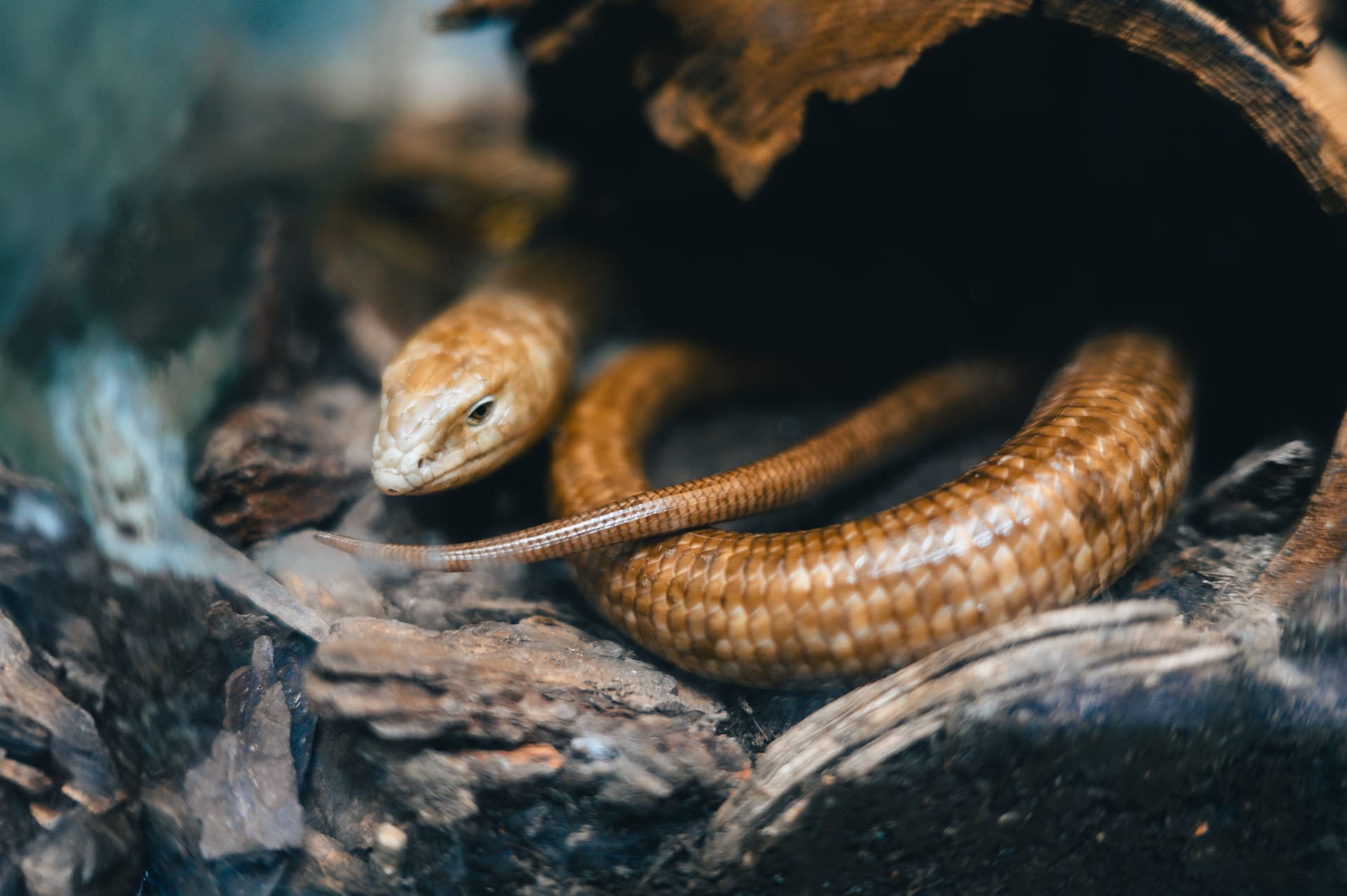
Hub
Reptile enclosure guides and comparisons
The cross-species decisions: what material to buy, how big it has to be, whether to build it yourself, and which beginner mistakes are expensive.
Guides
Zen Habitats vs Dubia 4x2x2: which one to buy
The two most-compared 4x2x2 PVC enclosures, separated on lid design, lamp mounting and humidity retention.
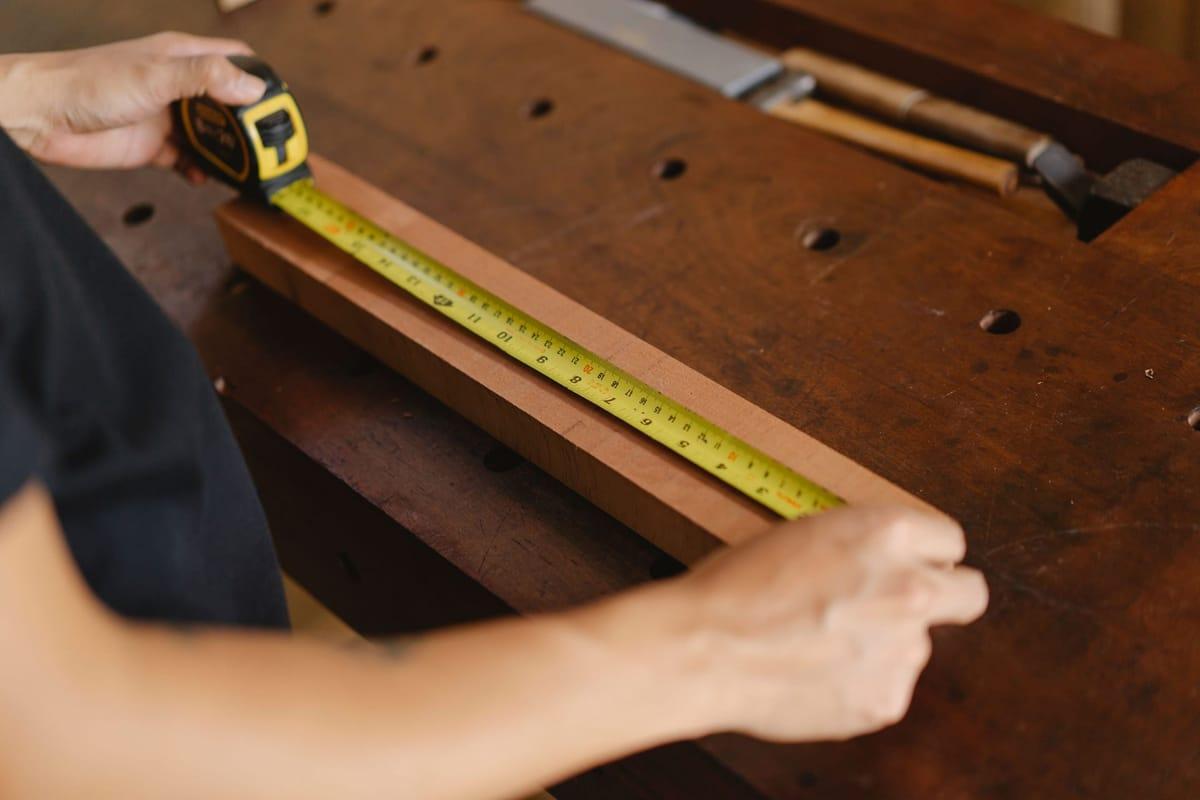
Guides
4x2x2 reptile enclosure: the dimensions, and which species it fits
What a 4x2x2 enclosure measures in inches, centimeters and gallons, and the species it does and does not cover.
Guides
Best stackable reptile enclosures
Which reptile enclosures stack safely - flat load-bearing tops, solid ceilings, front access - and why screen-topped glass tanks are not candidates.
Ball python
4 best snake enclosures for ball pythons (2026)
Ball python enclosures ranked against the published 8 sq ft floor area and humidity.
Guides
Best PVC reptile enclosures (2026)
PVC enclosures ranked on footprint, humidity retention and whether the panel material is disclosed.