Leopard gecko
Best substrate for a leopard gecko tank
A dry, diggable floor plus one deliberately wet hide. The substrate debate in this species is mostly a debate about the hide.
By Brijon M.Last updated
A dry, naturalistic sand and soil mix the gecko can dig in, with a moss-lined humid hide at 70-80%. Never calcium sand, vitamin sand, ground nut shell or wood shavings. Ambient humidity stays at 30-40%; the hide is the only wet part.
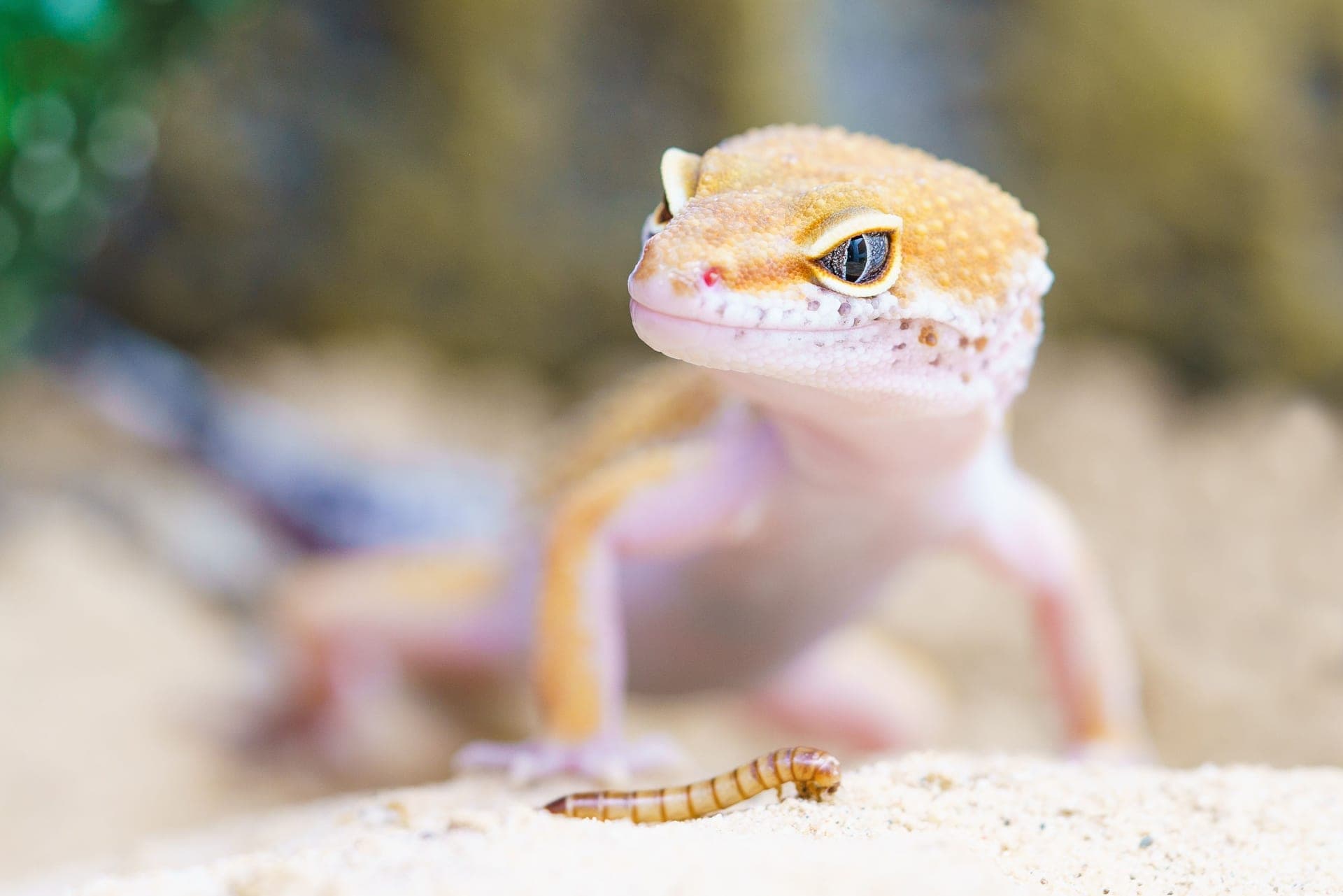
Shed & Bask earns a commission from qualifying Amazon purchases made through links on this page. It does not change what we recommend or the order we rank things in. Read the full disclosure.
The options
| Option | Suits | Watch out for |
|---|---|---|
| Naturalistic sand and soil mix | Established adults; allows digging | Needs depth to be functional rather than decorative |
| Fine natural quartz sand, undyed | A component of a mix | Will not hold a burrow on its own; replace every 3-6 months |
| Bare tile or paper towel | Quarantine, hospital setups, topical medication | No enrichment; a poor permanent floor |
| Reptile carpet | Short-term only | Traps waste in the fibers; loops catch claws and teeth |
The named hazards
The same list applies as for any arid species: calcium sand and vitamin sand, which clump in the gut because of their calcium carbonate content and can also neutralize stomach acid; ground nut shell, which is dusty and causes impaction; and wood products. Dyed substrates are out too - unnatural colors will dye the animal.
The sand component
Zoo Med ReptiSand
Fine, natural, undyed quartz sand. Named as an appropriate loose substrate - and explicitly not the same product as calcium sand.
So the mix holds a burrow
Zoo Med Excavator Clay Burrowing Substrate
Sand alone collapses. A clay component gives it the structure to hold a tunnel, which is what makes digging behavior possible.
The humid hide is the substrate decision that actually matters
For this species, more health outcomes hang on the hide than on the floor. Ambient humidity should sit at 30-40% ambient, with a humid hide at 70-80%, and shedding needs 70-80%. The published approach is not to raise ambient humidity - which can make the gecko sick - but to line a hide with moistened substrate and place it at the middle to cool end.
The humid hide lining
Sphagnum Moss
Holds water for days and releases it slowly. Rinse or replace it monthly before it goes moldy, and keep it away from the feeding area so long strands are not ingested.
Depth and maintenance
- Depth: 3 to 4 inches is enough to allow digging without eating too much of a shallow enclosure's usable height. Volume formula here.
- Spot-clean daily, removing the surrounding substrate with the waste.
- Replace loose sand completely every 3 to 6 months to control bacterial growth.
- Switch to tile temporarily if the gecko is wearing a topical medication - loose substrate sticks to ointment unavoidably.
On impaction
The evidence discussed on our impaction page identifies dehydration, low basking temperatures and parasite load as the causes, rather than loose substrate as such. For a leopard gecko the practical version is: confirm the warm hide is at 90-92 F and the basking surface at 94-97 F before you blame the floor, because a gecko digesting below temperature is the actual risk factor.
Frequently asked questions
What is the best substrate for a leopard gecko tank?
A dry naturalistic sand and soil mix the gecko can dig in, plus a moss-lined humid hide at 70-80%. Bare tile is appropriate for quarantine or hospital setups.
Is sand safe for leopard geckos?
Fine, natural, undyed quartz sand is in the appropriate category; calcium sand and vitamin sand are named hazards. As with any arid species, correct temperatures and hydration matter more to impaction risk than the floor material does.
Can I use reptile carpet for a leopard gecko?
Short-term, yes. As a permanent floor it traps waste in the fibers, offers no digging enrichment, and its loops can catch claws and teeth. Full comparison.
Sources
- Leopard Gecko Substrate Options — ReptiFiles
- Leopard Gecko Temperatures & Humidity — ReptiFiles
- Bearded Dragon Substrate Options — ReptiFiles
- A survey of diseases in captive bearded dragons: a retrospective study of 529 patients (Schmidt-Ukaj et al., 2017) — Veterinarni Medicina
Read next
Hub
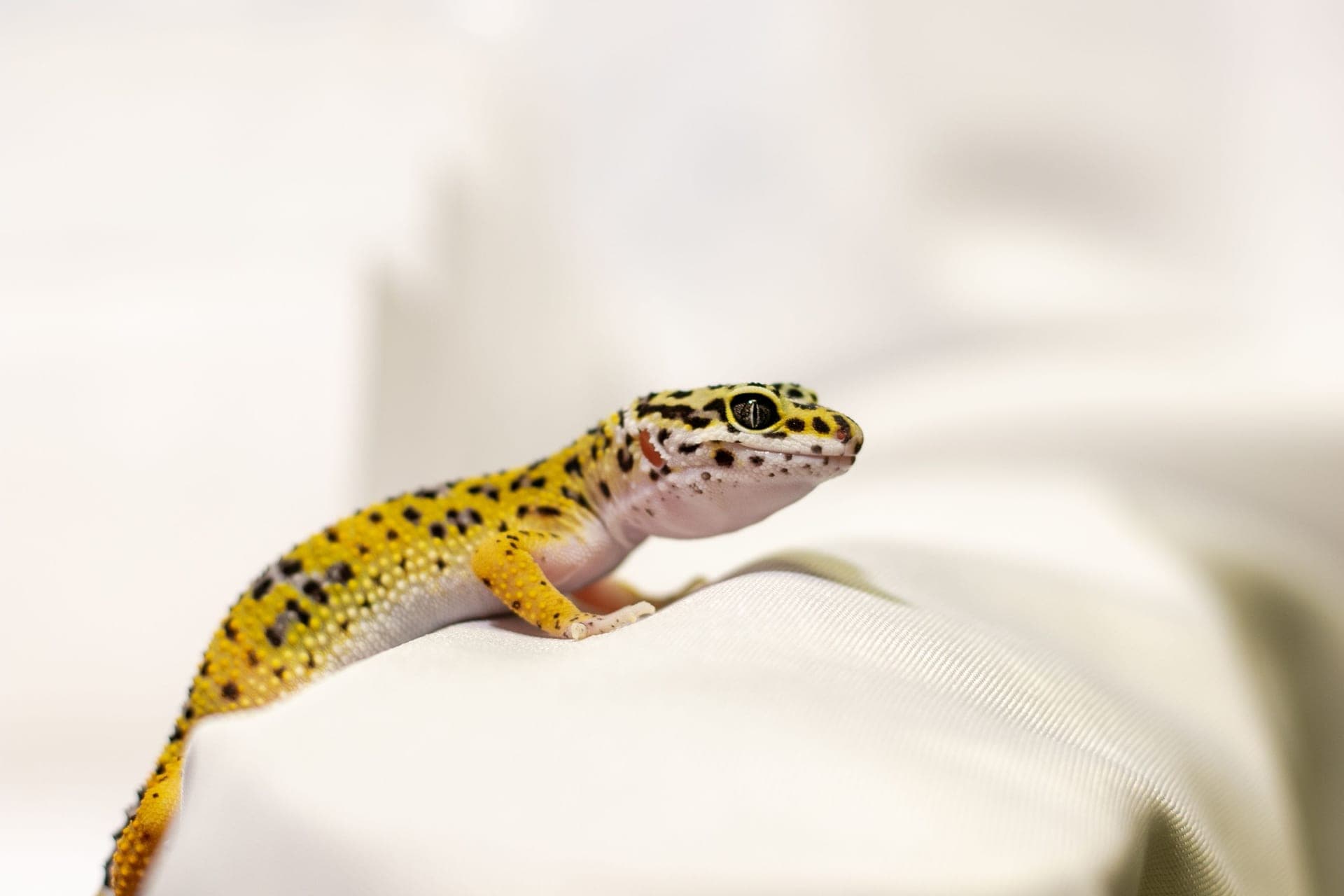
Leopard gecko tanks, lighting and substrate
Floor space is the constraint, not height. The published adult minimum is 4.5 sq ft - more than a 20-gallon long gives you.
Substrate & safety
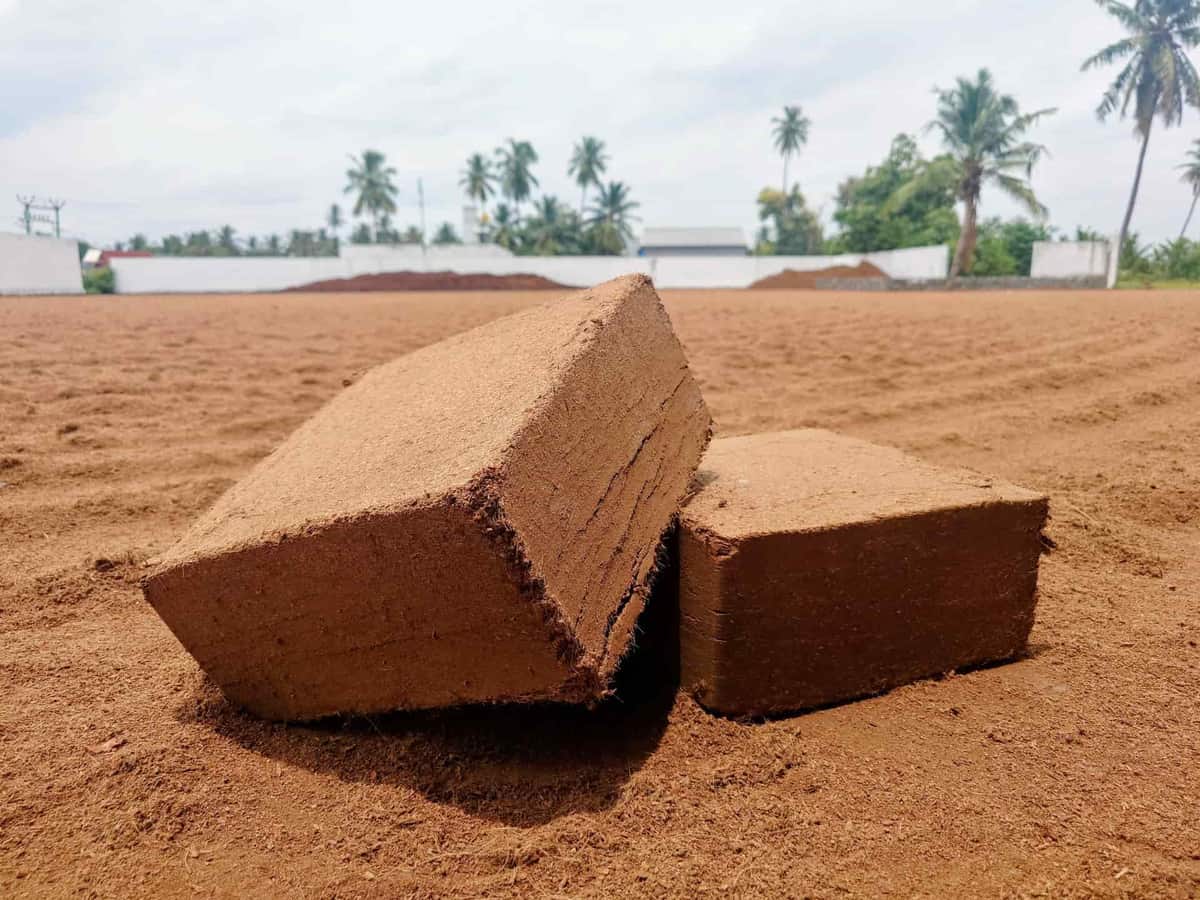
Best reptile substrate (2026), by species and risk
Substrates judged against named hazards, usable depth and the species moisture target.
Substrate & safety
Reptile impaction risk: what the evidence identifies
The published causes of impaction, the named hazard substrates, and how to prevent it.
Substrate & safety
Is sand safe for reptiles?
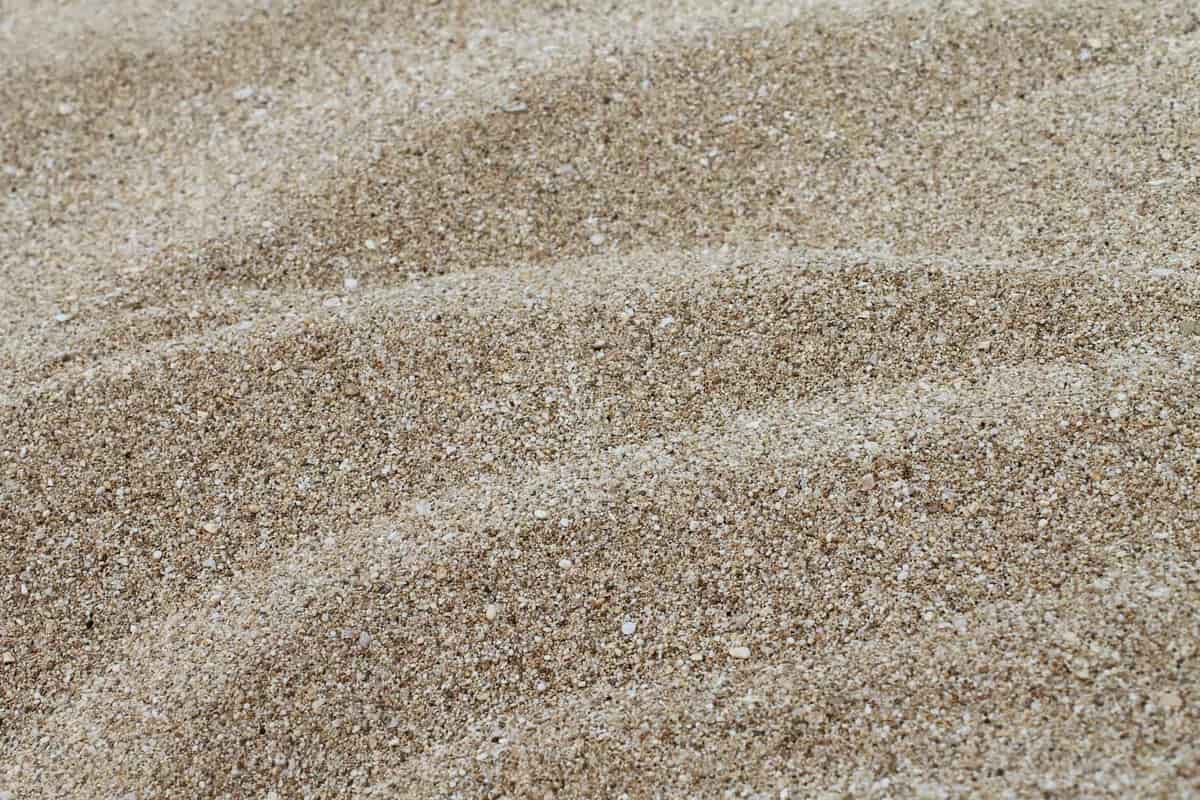
Which sands are named as hazards, which appear in published mixes, and what the impaction evidence says.
Leopard gecko
Leopard gecko temperature and humidity
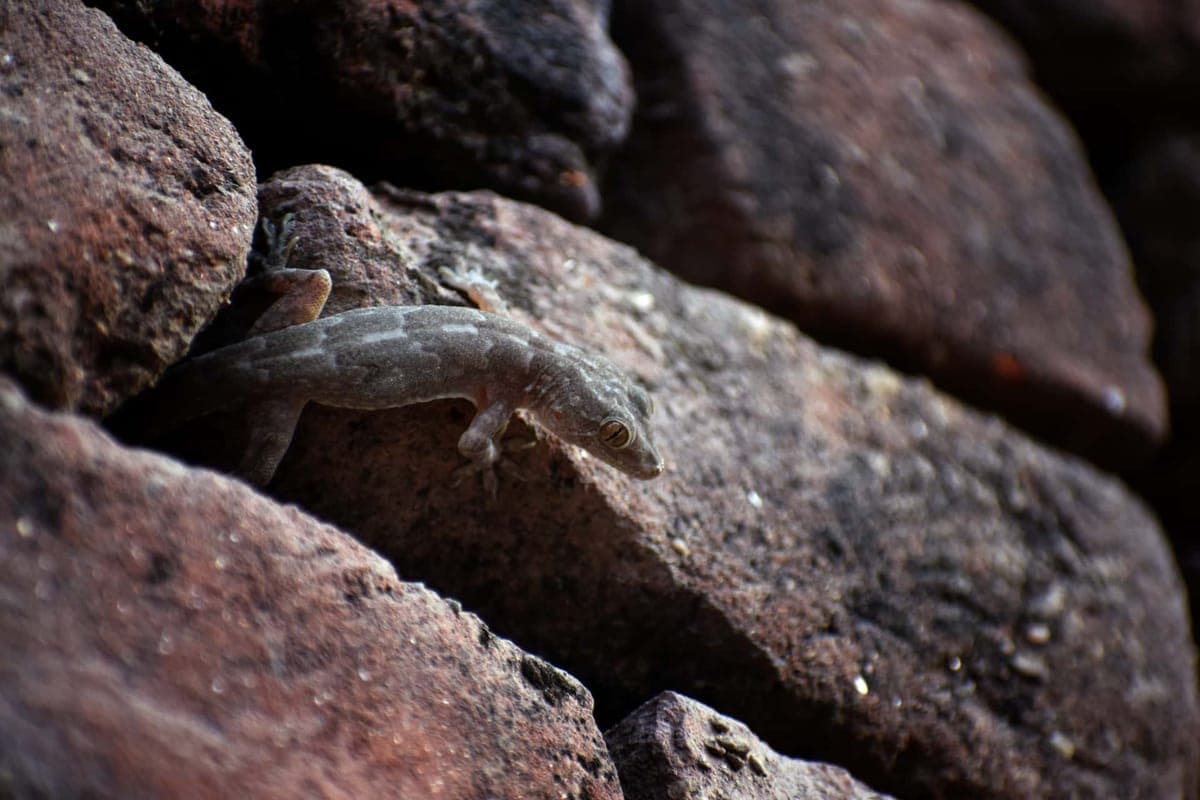
The published leopard gecko temperature and humidity figures and how to hit them.
Substrate & safety
Reptile carpet vs loose substrate
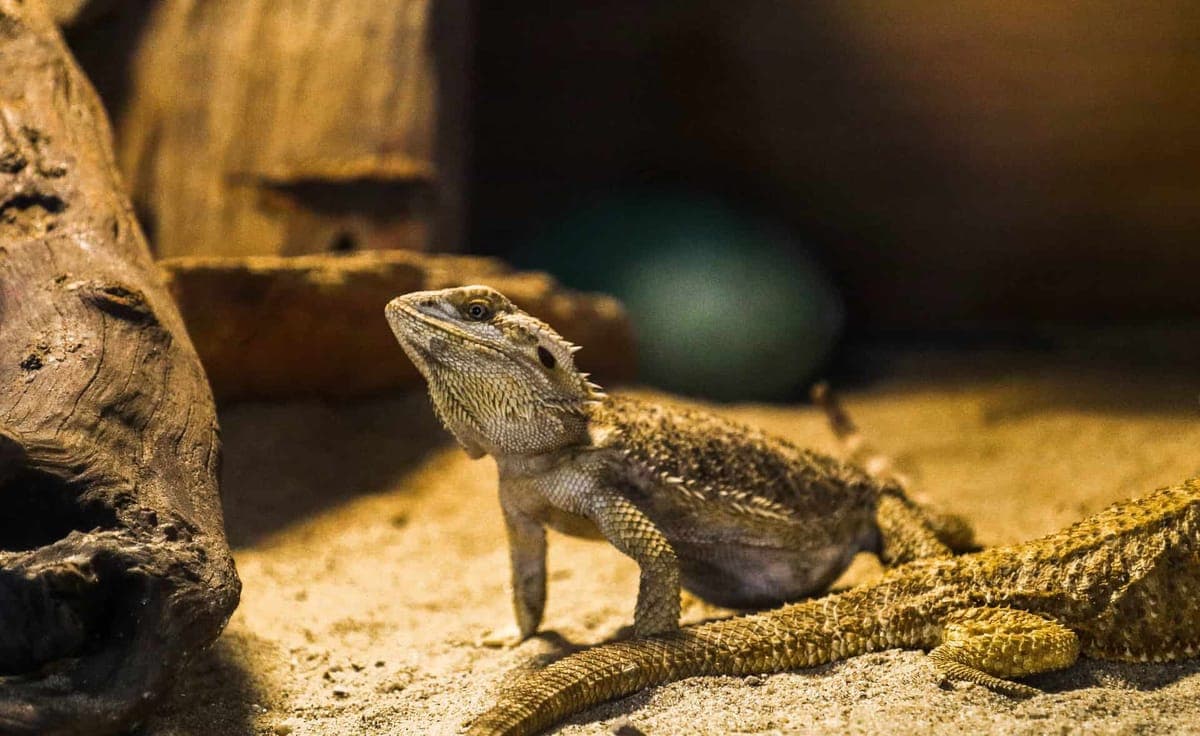
Carpet versus loose substrate on hygiene, enrichment and claw risk, with the impaction evidence.