Bearded dragon
Bearded dragon temperature and humidity
The basking figure is a surface temperature derived from the dragon's optimum core body temperature. That derivation is why the number is so specific.
By Brijon M.Last updated
Basking surface 108-113 F (42-45 C) surface temperature. Cool side 77-85 F (25-29 C) surface, 72-99 F (22-37 C) air gradient. Night 55-75 F (12-24 C). Ambient humidity 30-60% ambient average. The basking figure is a surface temperature and needs an infrared gun, not an air probe.
Shed & Bask earns a commission from qualifying Amazon purchases made through links on this page. It does not change what we recommend or the order we rank things in. Read the full disclosure.
The figures
| Parameter | Target | Measured with |
|---|---|---|
| Basking surface | 108-113 F (42-45 C) surface temperature | Infrared gun, aimed at the slab |
| Cool side surface | 77-85 F (25-29 C) | Infrared gun |
| Air temperature gradient | 72-99 F (22-37 C) | Probe thermometer |
| Night | 55-75 F (12-24 C) | Probe thermometer, logged overnight |
| Ambient humidity | 30-60% ambient average | Probe hygrometer at the cool end |
Where the basking number comes from
This is one of the better-derived figures in reptile husbandry and it is worth knowing the chain. The guidance traces the basking surface recommendation to work indicating the optimum core body temperature of central bearded dragons is about 36.3 C (97.3 F) - measured from rectal temperatures taken when dragons moved away from the sun, having presumably reached their target. Achieving that core temperature requires a basking site at 42 to 45 C, which is 108 to 113 F. The same source adds that the basking surface does not need to exceed 50 C (122 F), because above that you are overheating the enclosure rather than the animal.
So the number is not a convention. It is derived from a target body temperature, which is why it is a surface figure and why it is stated as a band rather than a single value.
The humidity myth
A common belief is that dragon humidity should be as low as possible and that any rise puts the animal in danger. The guidance names this as a myth: central Australia is not bone dry, it does rain, and the average human home is significantly drier than outdoors. The target is 30-60% ambient average, measured at the cool end. Below that range you risk respiratory problems and problems with skin and scales.
Heat and humidity are inversely related, so the basking area may read as low as 10% while the cool end sits much higher. That is a correct gradient, not a fault, and brief spikes from watering plants or from rainy weather are described as perfectly natural and safe.
Building the gradient in practice
- Put the basking lamp and the UVB fixture at the same end. The basking area should be the highest point and closest to the UVB lamp.
- Use a stone, slate or tile basking slab rather than a branch - it holds and radiates heat, and it gives you a flat surface to measure.
- Set the thermostat probe at the basking surface and dial in until the infrared gun reads inside the band.
- Check the far end. If it reads above 85 F surface, your enclosure is too short or the lamp is too powerful for it.
- Log the night temperature for a few nights before buying any night heat. Most homes do not fall below 55 F.
The instrument the basking figure requires
Infrared Temperature Gun
108-113 F is a surface temperature. Point it at the slab. This is the measurement most setups have never actually taken.
To hold it there
Spyder Robotics Herpstat 1 Proportional Thermostat
A dimming controller for a halogen lamp, so the surface holds its band instead of swinging with the room.
For the air and the humidity
Zoo Med Digital Thermometer and Humidity Gauge
A probe at the cool end gives you the second half of the gradient and the 30-60% humidity reading.
Frequently asked questions
What temperature should a bearded dragon tank be?
Basking surface 108-113 F (42-45 C) surface temperature, cool side 77-85 F (25-29 C) surface, 72-99 F (22-37 C) air gradient, with an air gradient of 72-99 F and nights at 55-75 F (12-24 C).
What is the best basking temperature for a bearded dragon?
108-113 F as a surface temperature. That figure is derived from an optimum core body temperature of about 97.3 F, and the published guidance notes the surface does not need to exceed 122 F.
What humidity should a bearded dragon have?
30-60% ambient average ambient, measured at the cool end. The idea that it should be as low as possible is named as a myth - too dry causes respiratory and skin problems.
Do bearded dragons need heat at night?
Only if the room falls below 55 F. A nightly drop is normal and healthy. If you do need night heat, use a lightless source, never a colored bulb.
Sources
- Bearded Dragon Temperatures & UVB Requirements — ReptiFiles
- Bearded Dragon Terrarium Size Requirements — ReptiFiles
Read next
Hub
Bearded dragon enclosures, lighting and substrate
A 4x2x2 is the standard most of the hobby works to. The current published minimum is larger than that. Here is what the numbers actually say, and what to buy once you know them.
Bearded dragon
Bearded dragon basking setup
How to build and set a dragon basking spot to the published surface figure.
Bearded dragon
Bearded dragon enclosure requirements checklist
The complete bearded dragon setup checklist, with the figure and instrument for each.
Lighting & heat
Best reptile thermometers and humidity gauges (2026)
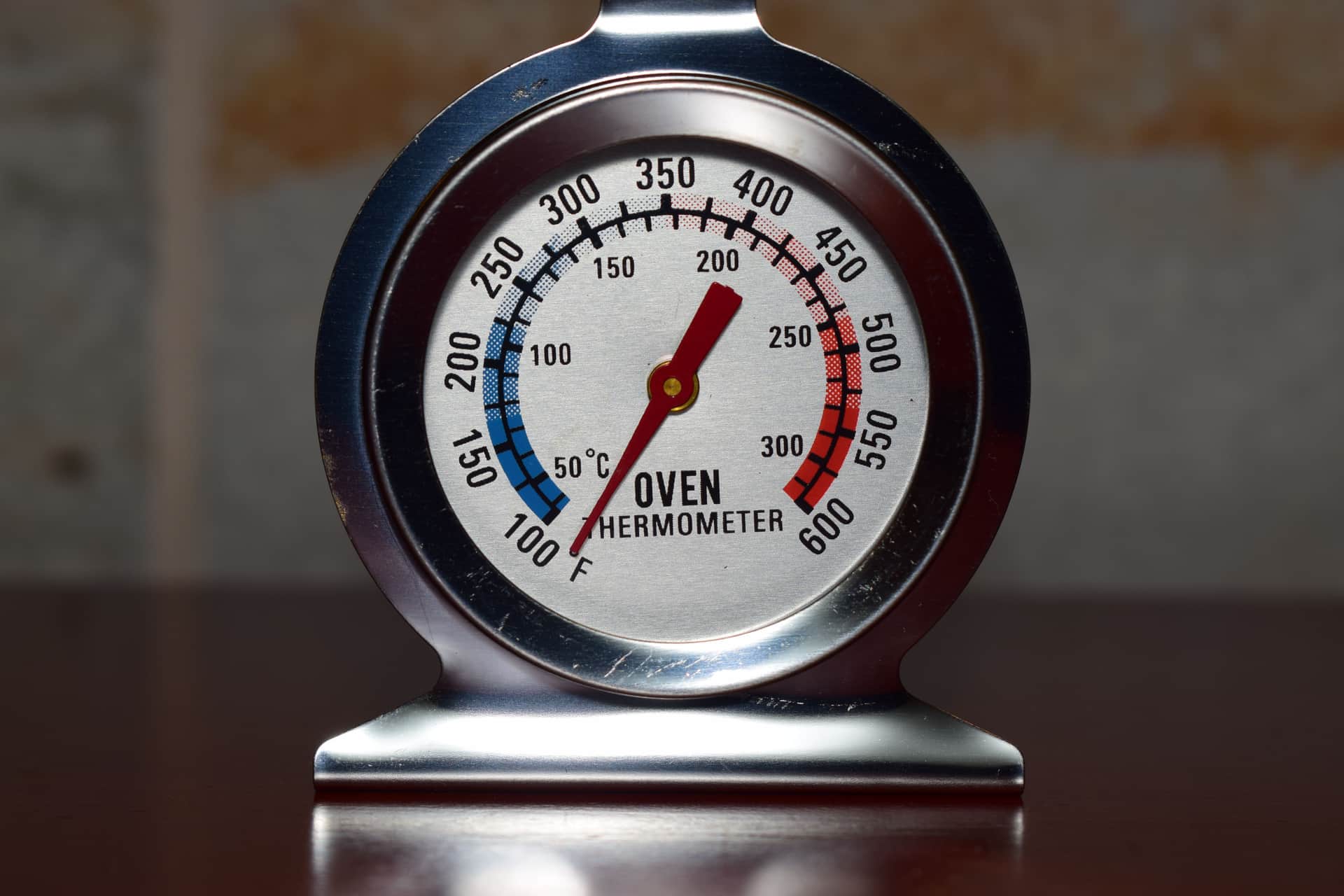
The two instruments that can actually read the published figures: an infrared gun and a probe combo.
Lighting & heat
Best reptile thermostats (2026)
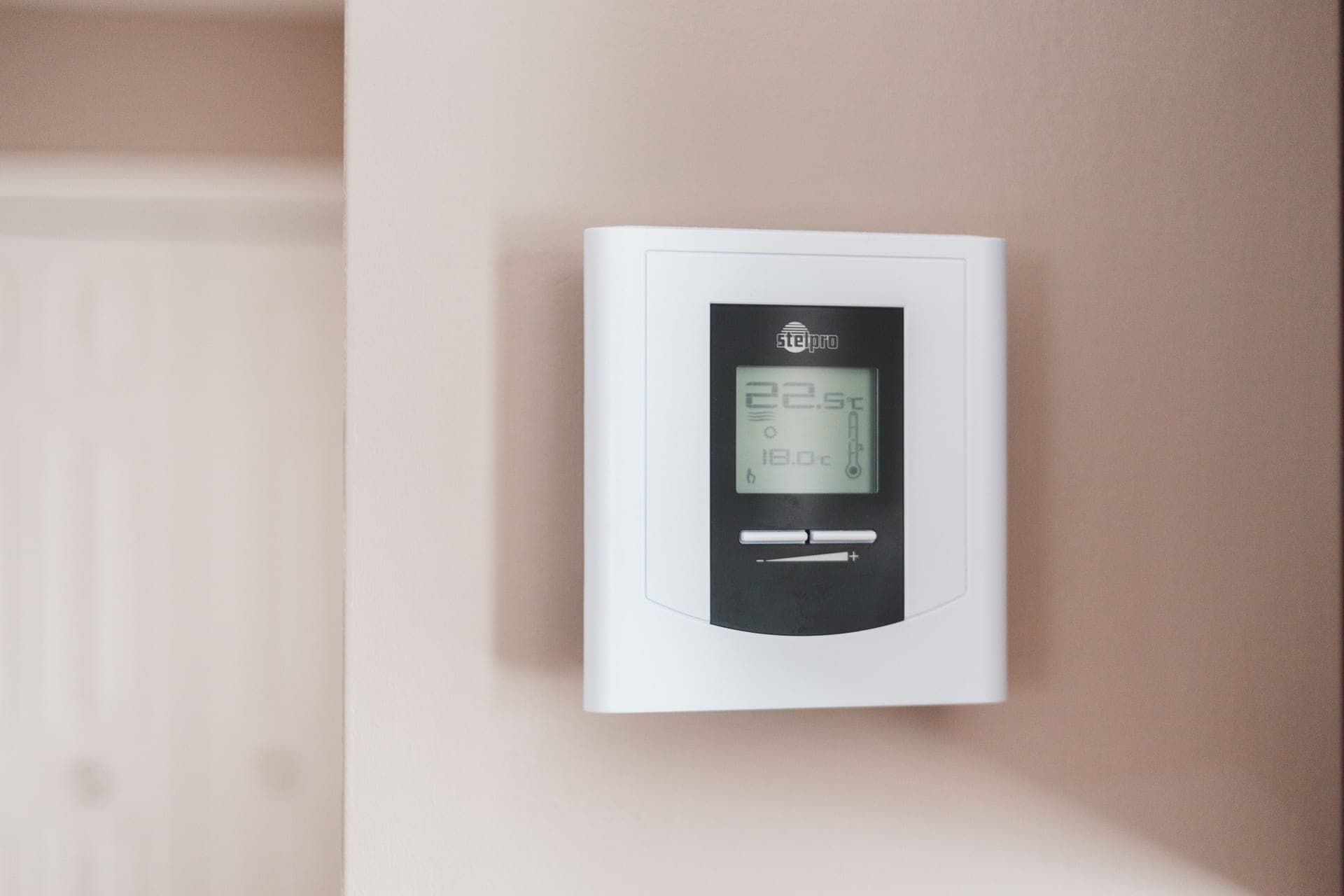
Thermostats ranked by control type, stated accuracy, load ceiling and whether they alarm on failure.
Substrate & safety
Reptile impaction risk: what the evidence identifies
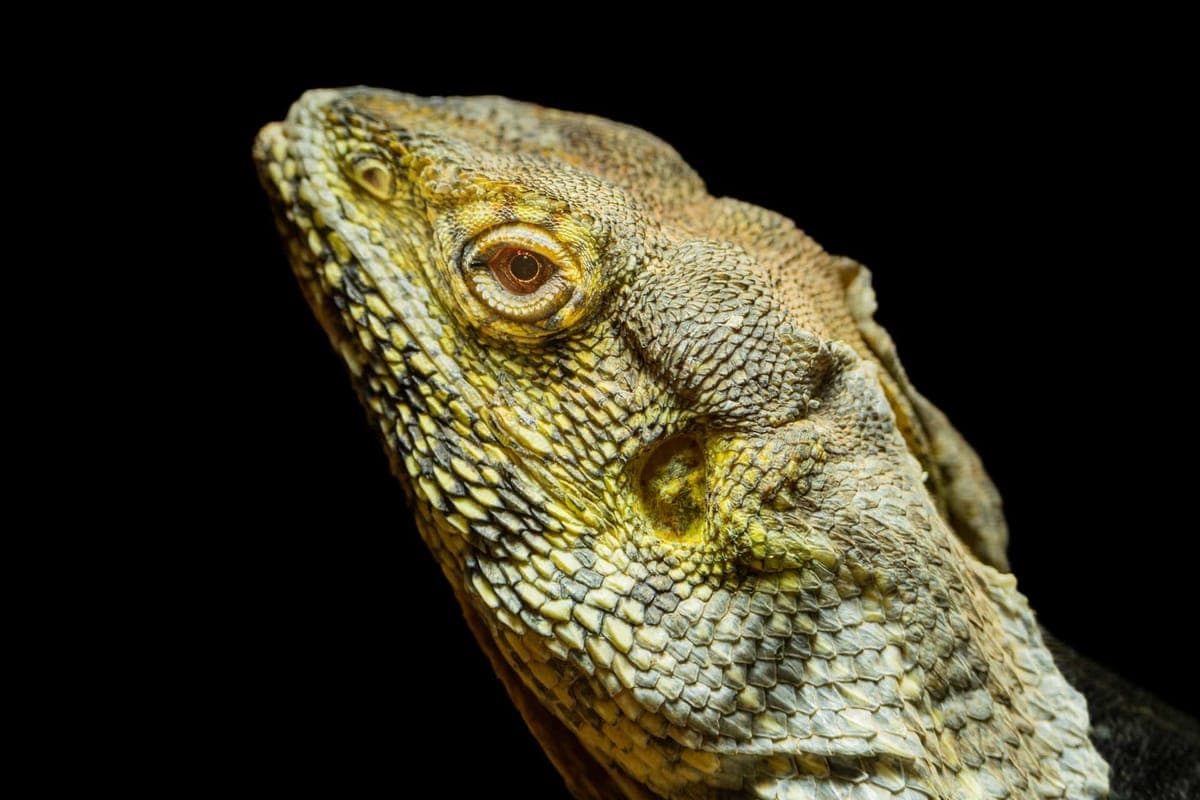
The published causes of impaction, the named hazard substrates, and how to prevent it.