Leopard gecko
Best heat mat for a leopard gecko
Wattage is the spec people shop on and it is almost never the one that decides the outcome. Area, external control and a published figure you can check are - so that is what these four mats are scored against.
By Brijon M.Last updated
For an adult leopard gecko in a 36 x 18 x 18 in enclosure, buy a mat of roughly 100 to 200 square inches - a Fluker's 11 x 11 in or 11 x 17 in, a Zoo Med 8 x 12 in or 8 x 18 in - and a thermostat, in the same order. The mat heats one end only, so the cool side still reaches 70-77 F (21-25 C). Wattage barely matters because the thermostat sets the temperature; what matters is that the manufacturer publishes a wattage so you can check it against the controller's load rating. Every mat on this page gets hotter than 94-97 F (34-36 C) surface on its own. That is the whole argument for the controller.

Shed & Bask earns a commission from qualifying Amazon purchases made through links on this page. It does not change what we recommend or the order we rank things in. Read the full disclosure.
How we picked
Every pick below is scored against these thresholds, stated as numbers. Publishing them is the point: of the competitor roundups we surveyed, not one published a numeric selection threshold.
Sized for the warm end, not the whole floor
At least about 8 x 12 in (96 sq in) so the whole warm hide sits over it, and no more than about a third of a 36 x 18 in floor (216 sq in) so the cool end still reaches 70-77 F
Controlled by an external thermostat
Designed to run on a separate on/off thermostat, with no internal temperature limit presented as a substitute for one
Lands on the species figure under control
Holds the warm hide floor at 90-92 F and an open warm surface at 94-97 F when a thermostat is setting the temperature, rather than running to a fixed figure of its own
Published wattage per size
A stated wattage for each size, so the mat can be matched to the controller's published load rating instead of guessed at
Probe access and an air gap
Mounting instructions leave the thermostat probe reachable between the mat and the enclosure floor, and call for the tank to be raised so heat is not trapped underneath
Source: National Fire Protection Association - Heating equipment and home fire safety
Named element, named approval
Manufacturer names the heating element and states a safety approval (UL/cUL or equivalent) rather than describing the mat only as safe
These are the same criteria every roundup on this site applies. See the full methodology.
Quick picks
Every row is scored against the published criteria below. Tap a row to read the full write-up.
| # | Product | Best for | Criteria met | Price |
|---|---|---|---|---|
| 1 | Zoo Med ReptiTherm Under Tank Heater (U.T.H.) Best documented mat | A leopard gecko warm hide on a thermostat, in a glass enclosure | 4/6 | Check price on Amazon#ad We may earn a commission. Price and stock are resolved at Amazon. |
| 2 | 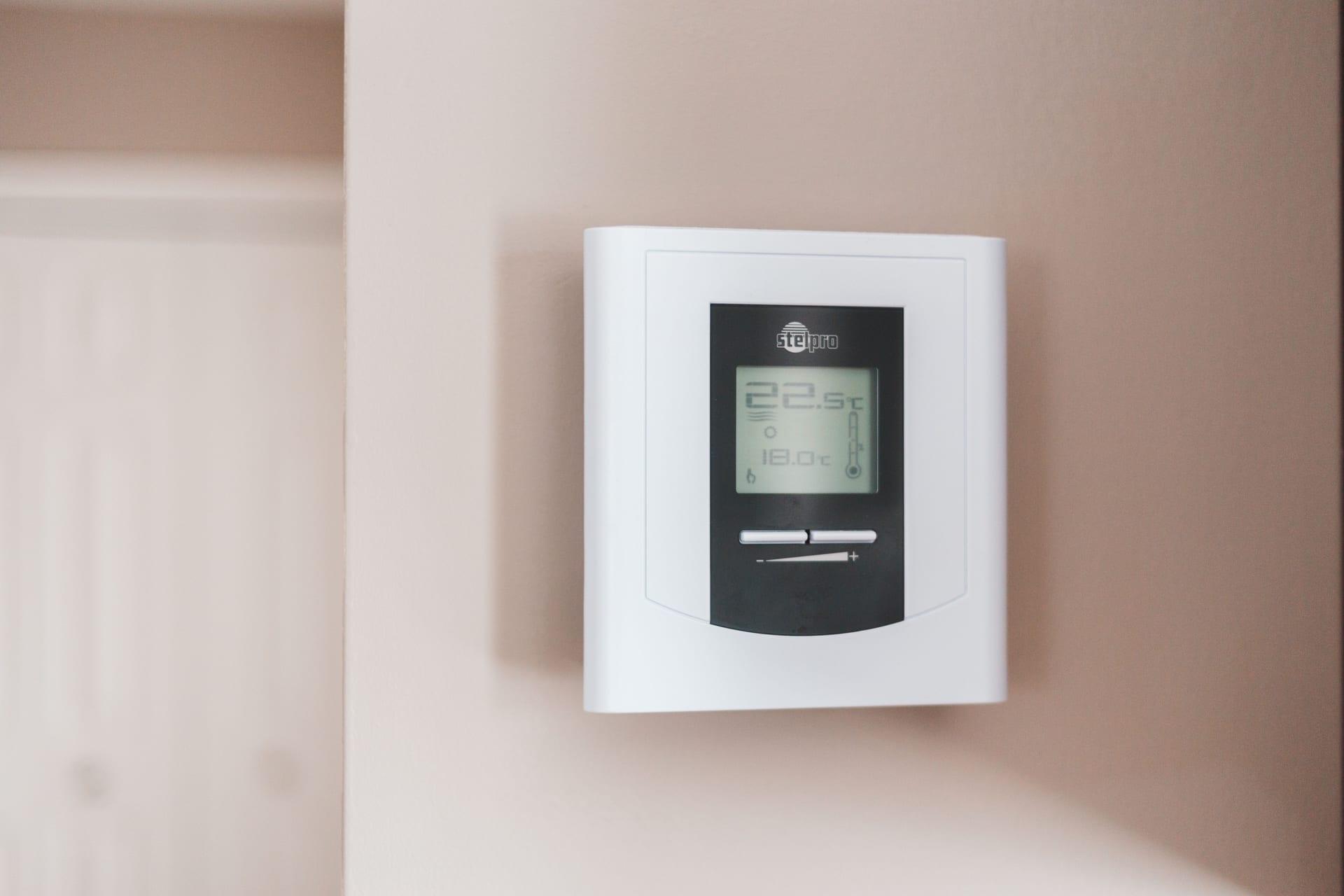 VIVOSUN Reptile Heat Mat and Digital Thermostat Combo Best mat and thermostat bundle | A first heat mat, where buying the controller separately is the step most often skipped | 4/6 | Check price on Amazon#ad We may earn a commission. Price and stock are resolved at Amazon. |
| 3 |  Fluker's Premium Heat Mat Best published size range | Matching mat area to a specific enclosure footprint | 2/6 | Check price on Amazon#ad We may earn a commission. Price and stock are resolved at Amazon. |
| 4 | 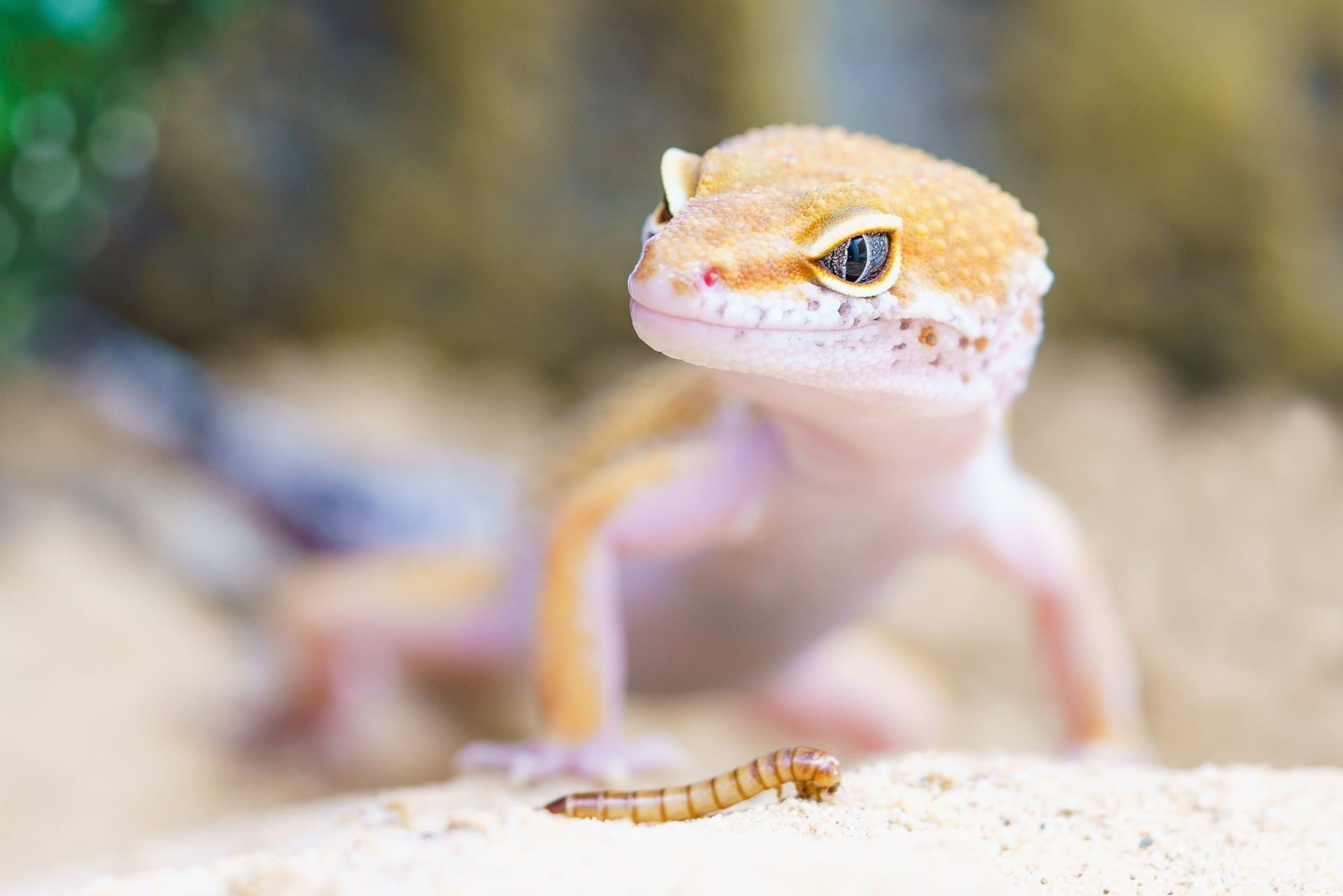 Zilla Heat Mat (Terrarium Heater) Best published temperature ceiling | A keeper who wants a published upper bound on the mat itself, underneath the thermostat | 0/6 | Check price on Amazon#ad We may earn a commission. Price and stock are resolved at Amazon. |
Before the mats: do leopard geckos need one?
No - they need a warm surface at a published figure, and a mat is one of two legitimate ways to deliver it. That distinction matters because it changes what you are shopping for. You are not buying heat. You are buying a surface that holds 94-97 F (34-36 C) surface; warm hide 90-92 F (32-33 C) while the other end of the enclosure stays at 70-77 F (21-25 C), per ReptiFiles, and a mat is a component in that system rather than the system itself.
The honest case for a mat is that this is a species kept by belly contact: a leopard gecko spends its day pressed against the floor of a hide, and conduction through that floor is how the heat actually reaches it. The honest case against is that current husbandry has been moving toward overhead radiant heat, which supplies the deeply penetrating Infrared-A band a mat cannot produce. Both positions are defensible, and we lay the argument out properly in leopard gecko heating rather than re-running it here. If you have already decided on a mat, this is the page for picking one.
The figures a mat has to hit
| Zone | Published figure | What a mat has to do about it |
|---|---|---|
| Warm surface | 94-97 F (34-36 C) surface; warm hide 90-92 F (32-33 C) | Hold it at the floor of the warm hide, under thermostat control |
| Cool side | 70-77 F (21-25 C) | Stay off it entirely - the mat covers one end, never the middle |
| Night | Tolerates a drop to 60 F (16 C) | Can run after dark because it emits no light, but usually is not needed |
| Humidity | 30-40% ambient, with a humid hide at 70-80% | Nothing - a mat dries an enclosure slightly, which the humid hide offsets |
| Floor space | 36 x 18 x 18 in with at least 4.5 sq ft of floor space | Sets the mat size: a third of that floor is the upper bound |
Read the warm row twice. It contains two numbers - an open surface figure and a warm hide figure - and the hide is the one the animal occupies all day. A mat that hits the surface figure in the open but leaves the hide floor cold has not met the requirement, which is why the mat goes under the hide rather than under a decorative gap in the middle of the enclosure.
What watt heat mat for a leopard gecko?
This is the question the search box asks, and the answer is that wattage is the wrong spec to shop on. A mat on a thermostat does not run at its rated power - it runs at whatever duty cycle holds the probe at your setpoint, so a 24 w mat and a 12 w mat controlled to the same figure produce the same floor temperature. The larger one simply reaches it faster and recovers faster after the hide is opened.
Wattage matters for exactly one reason: the thermostat has a published load rating, and the mat has to sit under it. That is an arithmetic check, and you can only do it if the manufacturer publishes a figure. Two of the four mats here do not, which is a real mark against them.
| Mat | Size | Published wattage | Area | Share of a 36 x 18 in floor |
|---|---|---|---|---|
| Zoo Med U.T.H. small | 6 x 8 in | 8 w | 48 sq in | 7% - too small |
| Zoo Med U.T.H. medium | 8 x 12 in | 16 w | 96 sq in | 15% - workable |
| Zoo Med U.T.H. large | 8 x 18 in | 24 w | 144 sq in | 22% - good |
| Fluker's small | 6 x 11 in | 7 w | 66 sq in | 10% - too small |
| Fluker's medium | 11 x 11 in | 12 w | 121 sq in | 19% - good |
| Fluker's large | 11 x 17 in | 20 w | 187 sq in | 29% - at the ceiling |
| Fluker's jumbo | 11 x 29 in | 35 w | 319 sq in | 49% - too much |
| Zilla large | 8 x 18 in | Not published | 144 sq in | 22% - good |
| VIVOSUN | 8 x 12 in / 8 x 18 in | Not published | 96-144 sq in | 15-22% - workable |
The arithmetic behind that last column is worth doing yourself, because it is the single most useful thing on this page. A 36 x 18 x 18 in enclosure has a floor of 648 square inches. A mat should be big enough that the whole warm hide and the gecko inside it sit over heated glass - call that 100 square inches as a floor - and small enough that it cannot drag the far end out of its 70-77 F (21-25 C) range, which is where the one-third ceiling of about 200 square inches comes from.
That band, 100 to 200 square inches, is the whole sizing answer. It rules out every small mat sold as a complete leopard gecko solution, and it rules out the jumbo sizes that look like better value. If your enclosure is larger than the minimum - and bigger is better for this species - recalculate: a third of a 48 x 18 in floor is about 288 square inches, and the Fluker's jumbo stops being an overreach.
What a "self-regulating" ceiling does and does not mean
Zilla's 113 F figure is the most interesting number in this comparison, and it is also the most likely to be misread. A self-regulating element whose output falls as it heats is a genuine safety property - it bounds the worst case if a controller sticks closed, and that is worth having. What it is not is a setting. 113 F is 16 to 19 F above the open surface figure this species is kept at, so a mat sitting happily at its own ceiling is a mat running far too hot for the animal on top of it.
Treat a published ceiling as a second line of defense behind the thermostat, in the same way you treat a lamp guard and a stand as a second line behind correct wattage. Useful. Not a substitute.
Where the probe goes, which decides everything
A thermostat does not control the enclosure. It controls the single point its probe is touching, and everything else is a consequence. With an under-tank mat the probe goes between the mat and the underside of the enclosure floor, directly over the mat, taped down - not loose in the air, not inside the enclosure, not at the cool end. That position reads the hottest point of the glass, which is the surface the gecko can contact, so controlling it is controlling the burn risk.
Then verify with a second instrument, because a thermostat reports what its probe sees and nothing else. An infrared reading of the warm hide floor and then the cool end takes about ten seconds and is the only way to know a gradient exists at all. How to measure basking temperature is the method; how thermostats work covers why an on/off controller is the correct type for a mat and the wrong type for a filament lamp.
If you are buying the controller separately
Inkbird ITC-308 Temperature Controller
An on/off temperature controller with a remote probe and a published load rating - the correct control type for a lightless source like a mat, where switching is invisible to the animal.
The verification step
Infrared Temperature Gun
Reads the temperature of the surface the gecko actually lies on, which is the quantity the published figure is stated in. A controller display is not a measurement of the floor.
Glass only, and raised off the shelf
Every mat here is designed to be fixed to the outside of a glass tank. Two consequences follow, and both are in the manufacturers' own instructions rather than ours.
First, raise the tank. Zoo Med ships feet for this and tells you to use them: a mat pressed flat between a tank base and a solid shelf has nowhere to shed heat, and the trapped layer runs hotter than the mat was designed to. The NFPA's general heating-equipment guidance makes the same point about clearance around any heater, and it applies to a 24 w mat under a glass tank as much as to a space heater.
Second, a mat is the wrong product for a PVC enclosure. PVC panel is an insulator - that is the property that makes it good at holding humidity and good at holding heat in - and a mat on the outside of an insulating floor heats the panel rather than the surface inside. If you have moved to PVC, and many keepers should, heat from above instead.
Substrate depth changes the answer
This is the failure mode Zoo Med puts in writing and almost nobody repeats. A mat heats glass; the substrate on top of that glass is insulation. Pile it deep and the mat cannot reach the surface the animal is on. Lay it thin and the gecko is close to glass that may be at the mat's own temperature rather than at your setpoint.
Zoo Med's own warning is specific: with a lightweight substrate, a burrowing animal can push the bedding aside and rest directly on the hot glass above the heater. That is the burn mechanism, described by the manufacturer. The practical rule is a thin layer - under about two inches over the mat - with the probe controlling the glass beneath it, and a check with an infrared gun after every substrate change. If you want a deep, burrowable substrate, and there are good reasons to want one, a mat is working against you and overhead heat is the better answer. ReptiFiles' substrate guidance covers the depth side of that trade.
How we picked, and what we did not do
We did not put these four mats on a bench. Every figure on this page is quoted from the manufacturer's own current product information, fetched for this page, and where a manufacturer does not publish a figure the table says "not published" rather than borrowing a number from a review site. That is the whole method, and it is why the scores look the way they do: a mat is marked down for documentation gaps, because documentation is the only thing a buyer can check before the money leaves.
It also means the ranking is not a ranking of heat output. All four mats will hold a hide floor at 90-92 F on a thermostat. They differ in whether you can verify that they will, and in whether the box contains the part that makes it true. Our methodology page states the standard in full.
The order we would buy in
Thermostat first. If you own one already, buy the Zoo Med U.T.H. in the 8 x 12 in or 8 x 18 in size and use the wattage table to confirm it sits under your controller's rating. If you do not own one, buy the VIVOSUN combo and skip the shopping problem entirely - a bundled controller with a published 40-108 F range is better than a standalone controller you have not bought yet. If you need a specific area that neither line offers, Fluker's has the sizes.
Then measure for three days before you trust any of it, and remember the other half of the gradient: the cool end has to reach 70-77 F (21-25 C) while the warm end holds. If raising the warm end drags the cool end up with it, the enclosure is too small rather than the mat too weak. The leopard gecko setup checklist is the full component list, and leopard gecko temperature and humidity is where the humid hide fits into this.
For how the same decision plays out elsewhere on the site: heat mat versus heat lamp runs the comparison for a ball python, which is warmed by hide temperature rather than surface temperature, and best thermostats is the controller roundup this page keeps pointing at.
The picks in full
1. Best documented mat
Zoo Med ReptiTherm Under Tank Heater (U.T.H.)
Zoo Med · A leopard gecko warm hide on a thermostat, in a glass enclosure
The only mat here that answers every question a buyer should be asking before the money leaves: a wattage per size, a named solid state nichrome element, a stated UL/cUL approval, and mounting instructions that require the tank to be raised so heat is not trapped under the glass. It scores partial on external control for one reason, and it is a real one - Zoo Med recommends a thermostat or rheostat only if your home reaches 80 F or warmer, where we would call one mandatory at any room temperature. Partial on the surface target too, because Zoo Med's own figure is a 2-8 degree rise, and a 2 degree rise in a 70 F room does not reach the warm hide figure.
Specifications
- Sizes and wattage
- Mini 4 x 5 in / 4 w; small 6 x 8 in / 8 w; medium 8 x 12 in / 16 w; large 8 x 18 in / 24 w
- Element
- Solid state nichrome heating element
- Approvals
- UL/cUL approved (GS/TuV/CE in Europe)
- Mounting
- Outside the tank only, underneath or on the side, with the tank raised on the included feet
- Manufacturer temperature claim
- Raises temperature by 2-8 degrees depending on mounting and substrate
- Warranty
- 1 year
How it scored against our criteria
| Sized for the warm end, not the whole floorAt least about 8 x 12 in (96 sq in) so the whole warm hide sits over it, and no more than about a third of a 36 x 18 in floor (216 sq in) so the cool end still reaches 70-77 F | Meets |
|---|---|
| Controlled by an external thermostatDesigned to run on a separate on/off thermostat, with no internal temperature limit presented as a substitute for one | Partial |
| Lands on the species figure under controlHolds the warm hide floor at 90-92 F and an open warm surface at 94-97 F when a thermostat is setting the temperature, rather than running to a fixed figure of its own | Partial |
| Published wattage per sizeA stated wattage for each size, so the mat can be matched to the controller's published load rating instead of guessed at | Meets |
| Probe access and an air gapMounting instructions leave the thermostat probe reachable between the mat and the enclosure floor, and call for the tank to be raised so heat is not trapped underneath | Meets |
| Named element, named approvalManufacturer names the heating element and states a safety approval (UL/cUL or equivalent) rather than describing the mat only as safe | Meets |
What works
- Publishes a wattage for each size, which is the figure a thermostat load rating has to cover
- Names the heating element and states a UL/cUL approval rather than just calling the mat safe
- Instructions require the tank to be elevated, which is the step that stops heat being trapped under the glass
- Zoo Med publishes the substrate failure mode in writing: a burrowing animal that pushes thin substrate aside can end up resting on hot glass
What to know
- The adhesive backing is permanent - Zoo Med describes the mat as permanently adhering to the terrarium, so a placement mistake is not recoverable
- Zoo Med only recommends a thermostat or rheostat if your home reaches 80 F or warmer; we would treat one as mandatory at any room temperature
- The published 2-8 degree rise is vague, and in a cool room a mat alone may not reach the 90-92 F warm hide figure
- Not for aquatic tanks - Zoo Med warns the combination can create stress cracks
Who should look elsewhere
If you want the controller in the same box rather than bought separately, the VIVOSUN mat and thermostat combo ships with a probe and a 40-108 F controller. If your enclosure is PVC rather than glass, an under-tank mat is the wrong product entirely - heat from above instead.
2. Best mat and thermostat bundle
VIVOSUN Reptile Heat Mat and Digital Thermostat Combo
VIVOSUN · A first heat mat, where buying the controller separately is the step most often skipped
The mat that cannot be run uncontrolled, because the controller is in the box - a digital thermostat with a published 40-108 F range and a remote probe, which spans the entire band this species is kept at. That single fact fixes the failure mode that actually hurts animals. It fails published wattage outright: VIVOSUN does not state the mat's power draw anywhere, so you cannot check the pairing by arithmetic and are trusting the manufacturer to have matched its own two parts. Buy the 8 x 12 in or the 8 x 18 in; the 6 x 8 in is too small for an adult enclosure.
Specifications
- Sizes
- 6 x 8 in, 8 x 12 in and 8 x 18 in mats listed
- Included controller
- VIVOSUN digital thermostat, published 40-108 F control range, 1000 w load capacity
- Electrical
- 120 VAC / 60 Hz, UL approved (stated on the 8 x 12 in listing)
- Surface
- VIVOSUN states the 8 x 12 in mat can reach well above 104 F, which is why the controller matters
- Mat wattage
- Not published by VIVOSUN
- Tank type
- Glass tanks
How it scored against our criteria
| Sized for the warm end, not the whole floorAt least about 8 x 12 in (96 sq in) so the whole warm hide sits over it, and no more than about a third of a 36 x 18 in floor (216 sq in) so the cool end still reaches 70-77 F | Meets |
|---|---|
| Controlled by an external thermostatDesigned to run on a separate on/off thermostat, with no internal temperature limit presented as a substitute for one | Meets |
| Lands on the species figure under controlHolds the warm hide floor at 90-92 F and an open warm surface at 94-97 F when a thermostat is setting the temperature, rather than running to a fixed figure of its own | Meets |
| Published wattage per sizeA stated wattage for each size, so the mat can be matched to the controller's published load rating instead of guessed at | Below |
| Probe access and an air gapMounting instructions leave the thermostat probe reachable between the mat and the enclosure floor, and call for the tank to be raised so heat is not trapped underneath | Meets |
| Named element, named approvalManufacturer names the heating element and states a safety approval (UL/cUL or equivalent) rather than describing the mat only as safe | Partial |
What works
- The thermostat and probe are in the box, so the mat cannot be run uncontrolled by accident
- The controller published range of 40-108 F covers the whole 90-97 F band this species is kept at
- Three mat sizes, including an 8 x 18 in that suits a 36 in enclosure
- A stated UL approval and a stated voltage, which not every marketplace mat gives you
What to know
- VIVOSUN does not publish the mat wattage, so you cannot check it against the controller load rating by arithmetic - you are trusting the pairing
- The 6 x 8 in size is too small for an adult leopard gecko enclosure; it is the 8 x 12 in or 8 x 18 in you want
- The heating element is not named anywhere in the product information
- Bundled controllers are generally simpler than a standalone unit - there is no high or low temperature alarm
Who should look elsewhere
If you already own a thermostat, you are paying for a second one here. Buy the Zoo Med U.T.H. for the published wattage table and keep the controller you have.
3. Best published size range
Fluker's Premium Heat Mat
Fluker's · Matching mat area to a specific enclosure footprint
Five sizes with a published wattage each, from a 2 w mini to a 35 w jumbo, which makes this the easiest line to size to an actual footprint - the 11 x 11 in and 11 x 17 in both land inside the band a 36 x 18 in floor wants. The scoring is honest about the rest. Fluker's states the mat operates at a constant 100 F and offers no thermostat guidance at all, and 100 F is above the open surface figure and well above the warm hide figure, so uncontrolled it overshoots the thing you bought it to hit. The element is not named and no approval is stated.
Specifications
- Sizes and wattage
- Mini 4 x 5 in / 2 w; small 6 x 11 in / 7 w; medium 11 x 11 in / 12 w; large 11 x 17 in / 20 w; jumbo 11 x 29 in / 35 w
- Manufacturer temperature claim
- Stated to operate at a constant 100 F
- Thermostat guidance
- None given on the manufacturer page
- Element
- Not named by Fluker's
- Fixing
- Adhesive; Fluker's warns against using pins or metal objects to fasten it
- Surface condition
- Not for tanks with cracked or broken surfaces
How it scored against our criteria
| Sized for the warm end, not the whole floorAt least about 8 x 12 in (96 sq in) so the whole warm hide sits over it, and no more than about a third of a 36 x 18 in floor (216 sq in) so the cool end still reaches 70-77 F | Meets |
|---|---|
| Controlled by an external thermostatDesigned to run on a separate on/off thermostat, with no internal temperature limit presented as a substitute for one | Partial |
| Lands on the species figure under controlHolds the warm hide floor at 90-92 F and an open warm surface at 94-97 F when a thermostat is setting the temperature, rather than running to a fixed figure of its own | Partial |
| Published wattage per sizeA stated wattage for each size, so the mat can be matched to the controller's published load rating instead of guessed at | Meets |
| Probe access and an air gapMounting instructions leave the thermostat probe reachable between the mat and the enclosure floor, and call for the tank to be raised so heat is not trapped underneath | Partial |
| Named element, named approvalManufacturer names the heating element and states a safety approval (UL/cUL or equivalent) rather than describing the mat only as safe | Below |
What works
- Five published sizes with a wattage each - the 11 x 11 in and 11 x 17 in land squarely in the band a 36 x 18 in floor wants
- A published wattage means the controller load rating can be checked rather than assumed
- Explicit written warnings about fixing method and cracked glass
- The size range lets you heat one end of a long enclosure without covering half the floor
What to know
- Fluker's states a constant 100 F, which is above the 94-97 F warm surface figure and well above the 90-92 F warm hide figure - uncontrolled, it overshoots
- No thermostat guidance at all on the manufacturer page, which is the one instruction a mat most needs
- The heating element is not named, and no UL or equivalent approval is stated in the product information
- Retailer listings disagree with each other on the mini wattage, so buy by the dimension rather than by the label
Who should look elsewhere
If you want the manufacturer to tell you how to run the mat safely rather than only how hot it gets, the Zoo Med U.T.H. publishes mounting instructions, an element and an approval. Buy Fluker's for the size, not for the documentation.
4. Best published temperature ceiling
Zilla Heat Mat (Terrarium Heater)
Zilla · A keeper who wants a published upper bound on the mat itself, underneath the thermostat
Zilla publishes something nobody else here does: a hard number for how hot the mat can get. The carbon fiber element is stated to be self-regulating to a safe maximum of 113 F with no additional thermal switches, and the mat is stated to have no exposed wires. Read that 113 F correctly, though - it is 16 to 19 F above the figure a leopard gecko is kept at, so it is a fire and contact limit rather than a husbandry setting, and a thermostat is still mandatory. No wattage is published, and Zilla's own page contradicts itself on which sizes exist, which is why area scores partial.
Specifications
- Element
- Carbon fiber, described as delivering evenly distributed infrared heat across the surface
- Published ceiling
- Self-regulating to a stated safe maximum of 113 F, without additional thermal switches
- Wiring
- Zilla states the product has no exposed wires
- Sizes
- Described as mini, small, medium and large; the manufacturer page selector lists only small and medium
- Fits
- Stated as 10-20 gallons on the current manufacturer page record
- Wattage
- Described only as low wattage - no figure published
How it scored against our criteria
| Sized for the warm end, not the whole floorAt least about 8 x 12 in (96 sq in) so the whole warm hide sits over it, and no more than about a third of a 36 x 18 in floor (216 sq in) so the cool end still reaches 70-77 F | Partial |
|---|---|
| Controlled by an external thermostatDesigned to run on a separate on/off thermostat, with no internal temperature limit presented as a substitute for one | Partial |
| Lands on the species figure under controlHolds the warm hide floor at 90-92 F and an open warm surface at 94-97 F when a thermostat is setting the temperature, rather than running to a fixed figure of its own | Partial |
| Published wattage per sizeA stated wattage for each size, so the mat can be matched to the controller's published load rating instead of guessed at | Below |
| Probe access and an air gapMounting instructions leave the thermostat probe reachable between the mat and the enclosure floor, and call for the tank to be raised so heat is not trapped underneath | Partial |
| Named element, named approvalManufacturer names the heating element and states a safety approval (UL/cUL or equivalent) rather than describing the mat only as safe | Partial |
What works
- A published numeric ceiling, which no other mat here states - useful as a backstop if a thermostat fails
- Carbon fiber across the whole surface rather than a single resistive track, which is the claim behind the even-heat wording
- Mounts under or on the side of the terrarium, so it can heat a vertical face where a floor is unsuitable
- No exposed wires is a real electrical claim, stated by the manufacturer
What to know
- 113 F is 16-19 F above the figure a leopard gecko is kept at - the self-regulating ceiling is a fire and contact limit, not a husbandry setting, so a thermostat is still mandatory
- No wattage is published, so the mat cannot be checked against a controller load rating
- Zilla's own page is internally inconsistent about which sizes exist, which makes buying the right area harder than it should be
- No UL or equivalent approval figure appears in the product information
Who should look elsewhere
If the self-regulating ceiling is what appeals, read it as a safety limit rather than as a thermostat and budget for a controller anyway. If you would rather the controller came with the mat, buy the VIVOSUN combo.
Frequently asked questions
What watt heat mat for a leopard gecko?
Size by area, not by wattage. For a 36 x 18 x 18 in enclosure aim for roughly 100 to 200 square inches - a Zoo Med 8 x 12 in (16 w) or 8 x 18 in (24 w), or a Fluker's 11 x 11 in (12 w) or 11 x 17 in (20 w). On a thermostat the mat runs at whatever duty cycle holds your setpoint, so the published wattage matters mainly as a figure to check against the controller's load rating.
Are heat mats good for leopard geckos?
They are a legitimate way to deliver the warm surface this species needs, because a leopard gecko is warmed by belly contact with the floor of its hide. They are only good on a thermostat: every mat we looked at publishes or implies an uncontrolled temperature above the 94-97 F (34-36 C) surface target, and an uncontrolled mat is the most common cause of contact burns in the hobby. Current guidance leans toward overhead radiant heat, which a mat cannot replicate.
What temperature should a leopard gecko heat mat be set to?
Set the controller so the floor of the warm hide reads 94-97 F (34-36 C) surface; warm hide 90-92 F (32-33 C), with the probe between the mat and the underside of the glass. Then confirm the surface with an infrared reading rather than trusting the controller display, and confirm the far end still sits at 70-77 F (21-25 C).
Can you use a heat mat without a thermostat?
No. A mat wired straight to the wall climbs until it reaches equilibrium with the room, and the published figures make the problem concrete - Fluker's states a constant 100 F, Zilla a self-regulating ceiling of 113 F, both above the warm hide target of 90-92 F. A thermostat is the part that makes a mat safe, not an optional extra.
Does the heat mat go under the tank or inside it?
Outside, on the underside or the side of a glass tank, with the tank raised on feet so heat is not trapped beneath it. Never inside the enclosure, where the animal can lie directly on the element, and not under a PVC enclosure at all - PVC panel insulates, so the mat heats the panel rather than the surface the gecko is on.
Do leopard geckos need heat at night?
Usually not. The published night figure is Tolerates a drop to 60 F (16 C), so a drop after dark is normal husbandry rather than a problem. A mat can run at night because it emits no light, but measure your room overnight before deciding you need it.
Sources
- Leopard Gecko Temperatures & Humidity — ReptiFiles
- Leopard Gecko Terrarium Size & Lighting Requirements — ReptiFiles
- Leopard Gecko Substrate Options — ReptiFiles
- Heating equipment and home fire safety — National Fire Protection Association
Read next
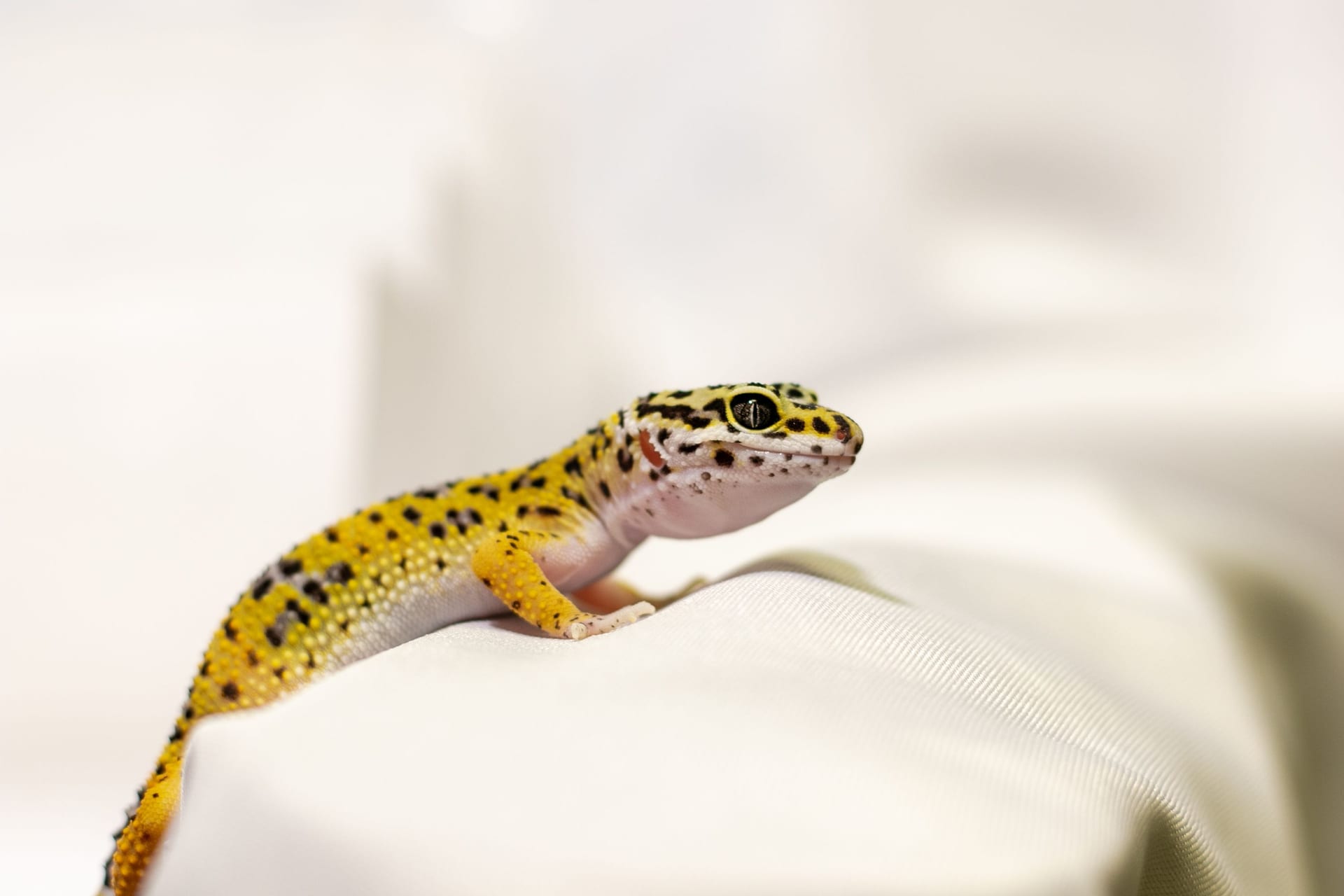
Hub
Leopard gecko tanks, lighting and substrate
Floor space is the constraint, not height. The published adult minimum is 4.5 sq ft - more than a 20-gallon long gives you.
Leopard gecko
Leopard gecko heating
Leopard gecko heating to the published 94-97 F warm surface figure - mat versus overhead lamp, where the probe goes, and what to run at night.
Leopard gecko
Leopard gecko temperature and humidity
The published leopard gecko temperature and humidity figures and how to hit them.
Ball python
Ball python: heat mat or heat lamp?
Heat mat versus overhead halogen for a ball python, decided by infrared band.
Lighting & heat
Best reptile thermostats (2026)
Thermostats ranked by control type, stated accuracy, load ceiling and whether they alarm on failure.
Lighting & heat
How to measure basking temperature
The method: surface readings with an infrared gun, where to aim, when to read, and what each instrument is for.