This hub exists because it is the part of reptile keeping where confident advice and actual evidence diverge most, and because nobody in the hobby has properly owned the material-safety question. Search for a non-toxic sealant for a reptile enclosure and the best page you will find is on a general healthy-home blog. That is the gap this section fills: connecting the material to the animal, which means asking what a finish does under a basking lamp at 108 F, not just whether it is low-VOC in a living room.
Impaction: what the evidence says, and what the hobby says
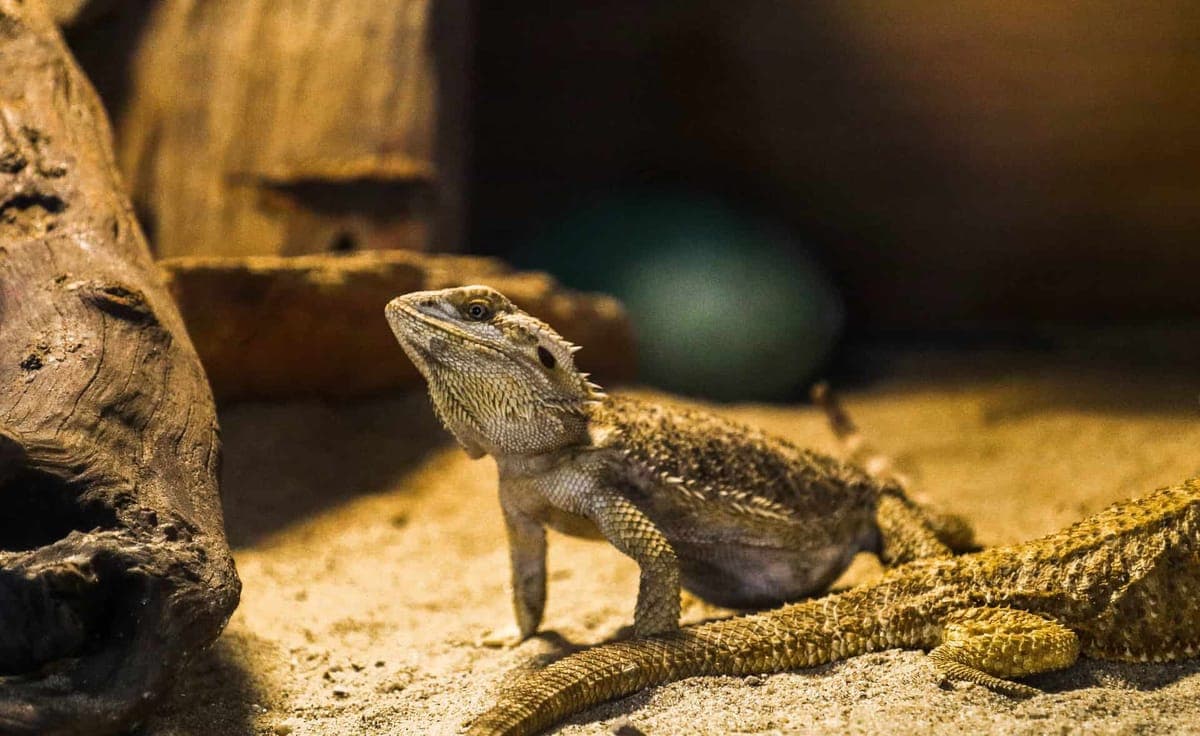
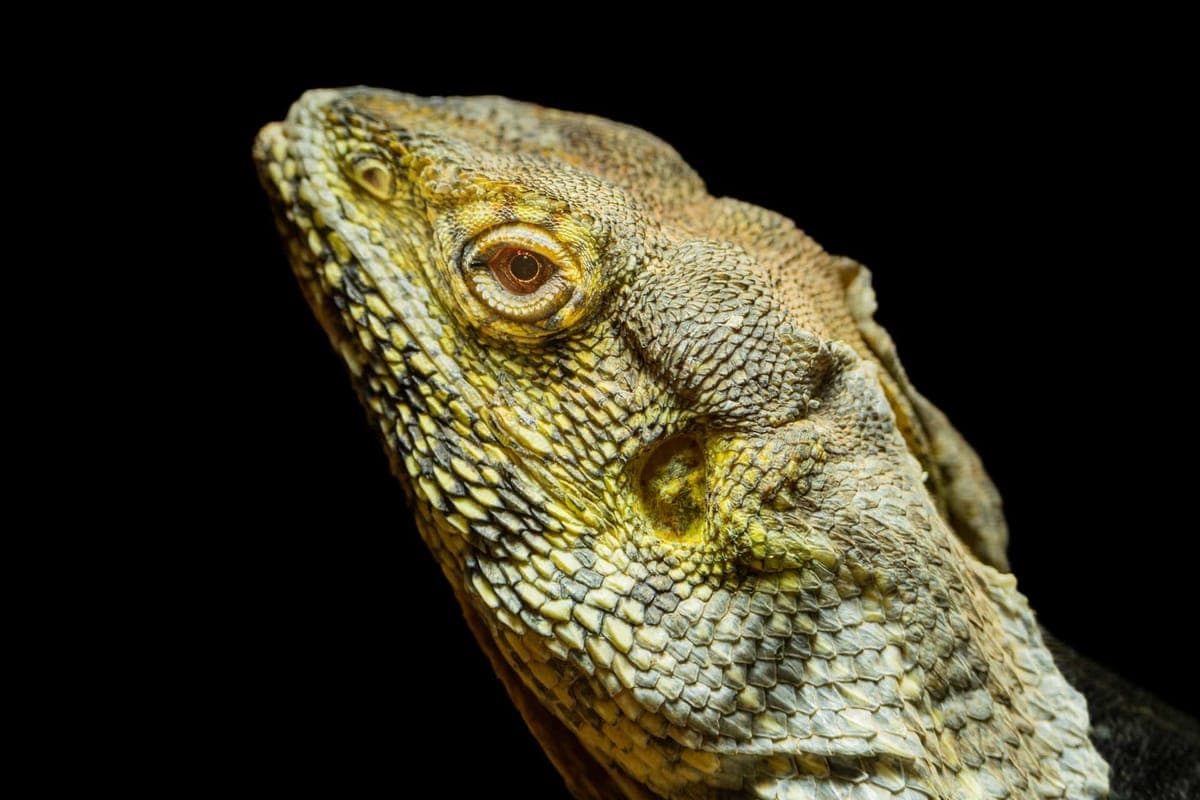
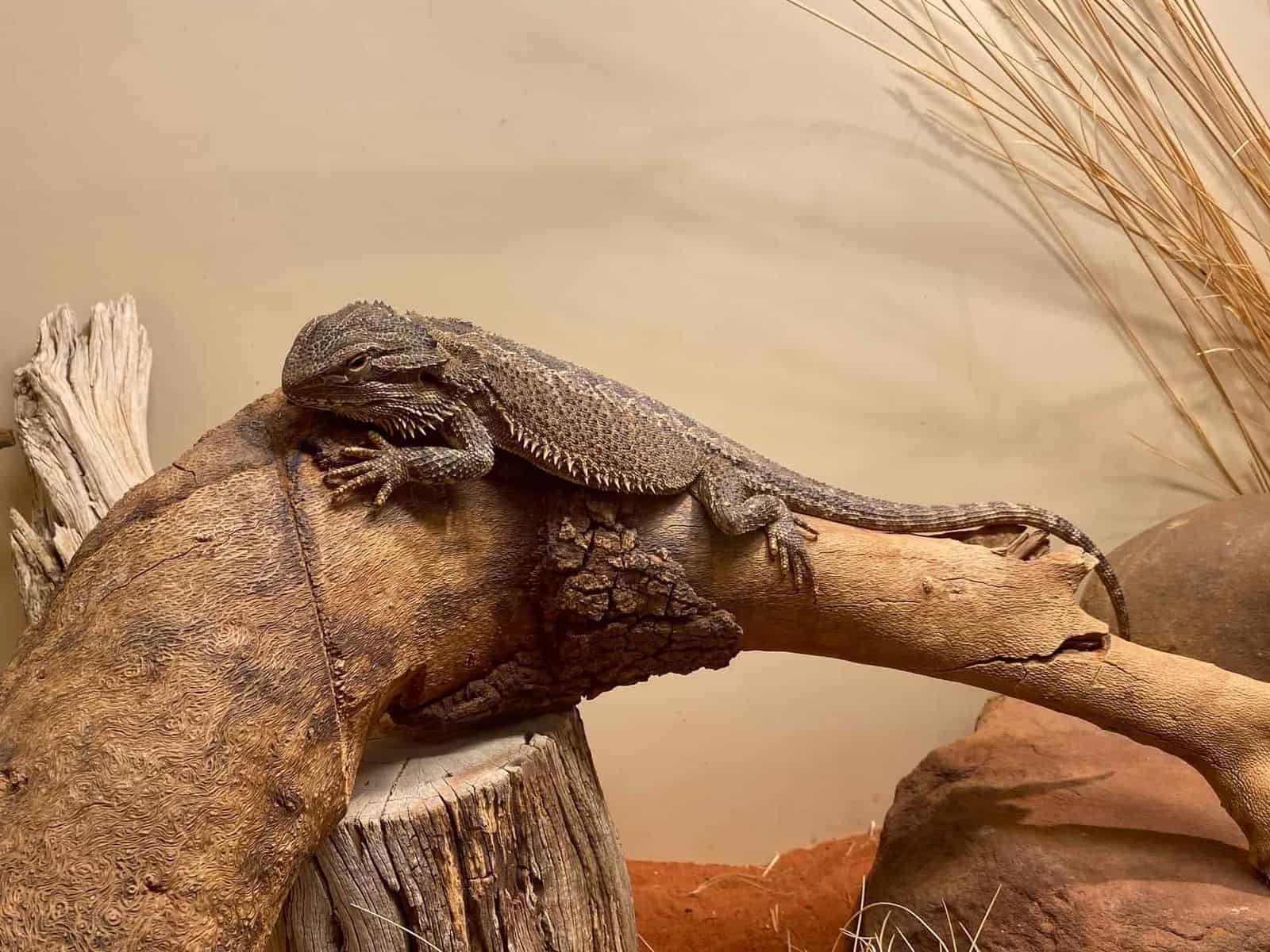
The standard advice is that loose substrate causes impaction and sand is the worst offender. The published position we follow is more specific and more useful. ReptiFiles points to a 2017 retrospective study of 529 captive bearded dragon patients in which, despite most animals being housed on loose substrate, very few were impacted - and most impaction cases were animals already sick with parasites or metabolic bone disease. The causes identified are dehydration, low basking temperatures and parasite load. A healthy animal at correct temperatures passes incidental substrate.
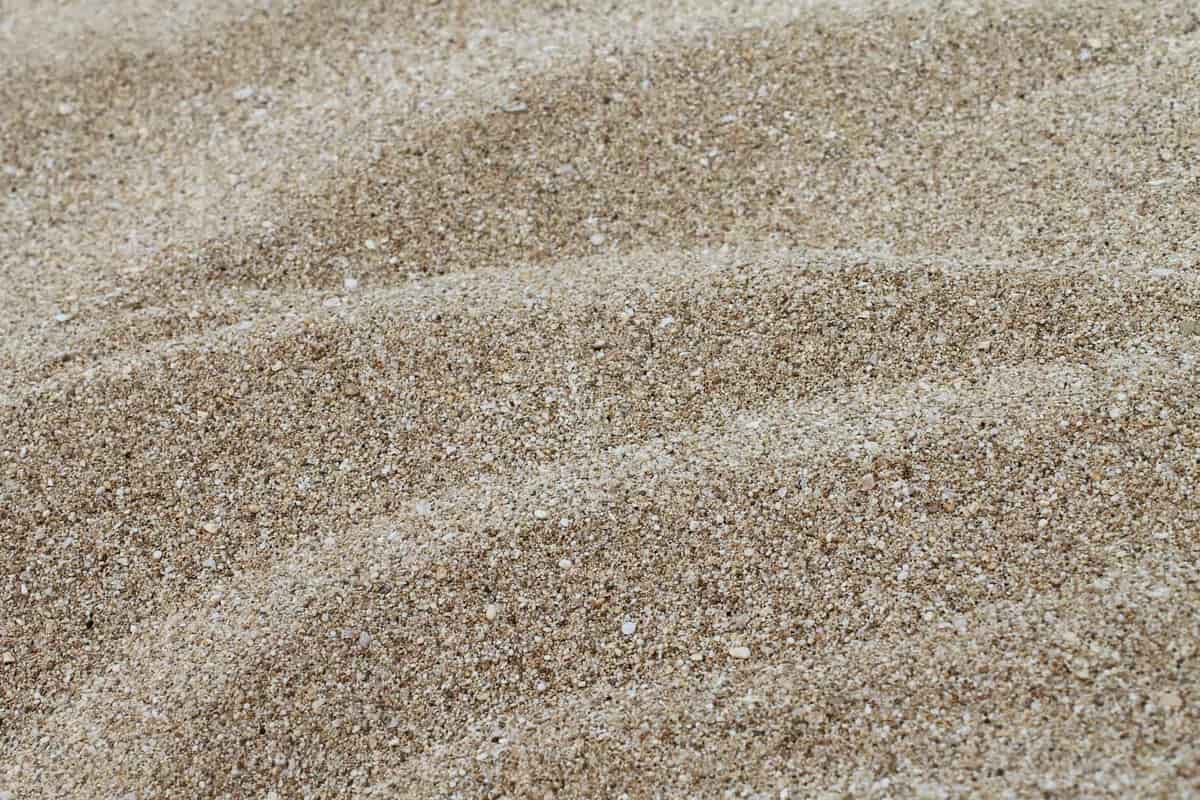
That is not a license to use anything. The substrates named as genuine hazards are specific: calcium sand and vitamin sand, which clump inside the gut because of their calcium carbonate content and can also neutralize stomach acid; ground nut shell, which is dusty and causes impaction; and wood shavings and bark. Our position is therefore a two-part one. Avoid the named hazards absolutely. For everything else, treat a loose substrate problem as a husbandry problem first - check your basking surface temperature and your hydration before you blame the floor.
Depth is a specification, and most setups miss it
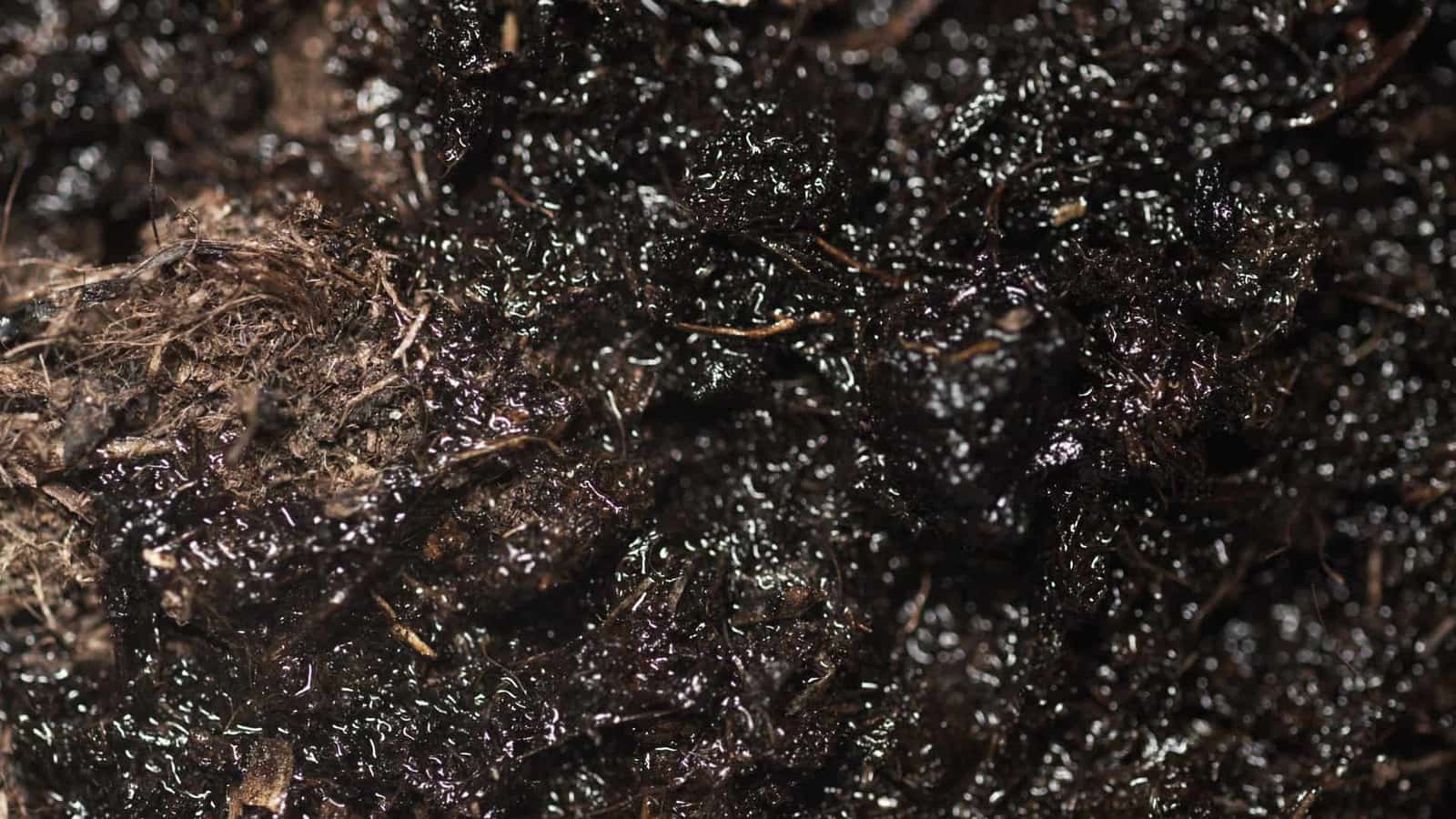
A burrowing species needs enough substrate to burrow. For a bearded dragon the published figure is a 4 to 6 inch packed layer, which works out at roughly 80 to 120 quarts (2.7 to 4 cubic feet) for a 4 x 2 ft footprint, or 120 to 180 quarts for a 6 x 2 ft. Most setups run an inch or two, which is decorative rather than functional. The published naturalistic mix is 50% very fine sand, 30% organic topsoil and 20% excavator clay - and the same source notes that this specific mix is not bioactive-ready, so if you want a planted build, buy a bioactive kit rather than adapting this one.
Materials: what "reptile-safe" has to mean
"Non-toxic" on a label is marketing until a named standard or a manufacturer technical statement backs it. On this site a material clears the bar only when we can state three things: what the claim is measured against, what the full cure time is, and how the material behaves at the temperature your basking surface actually reaches. That last one is the question nobody asks. A coating rated to 140 F is fine under a basking site at 108 to 113 F and is outside its range if you run hotter.
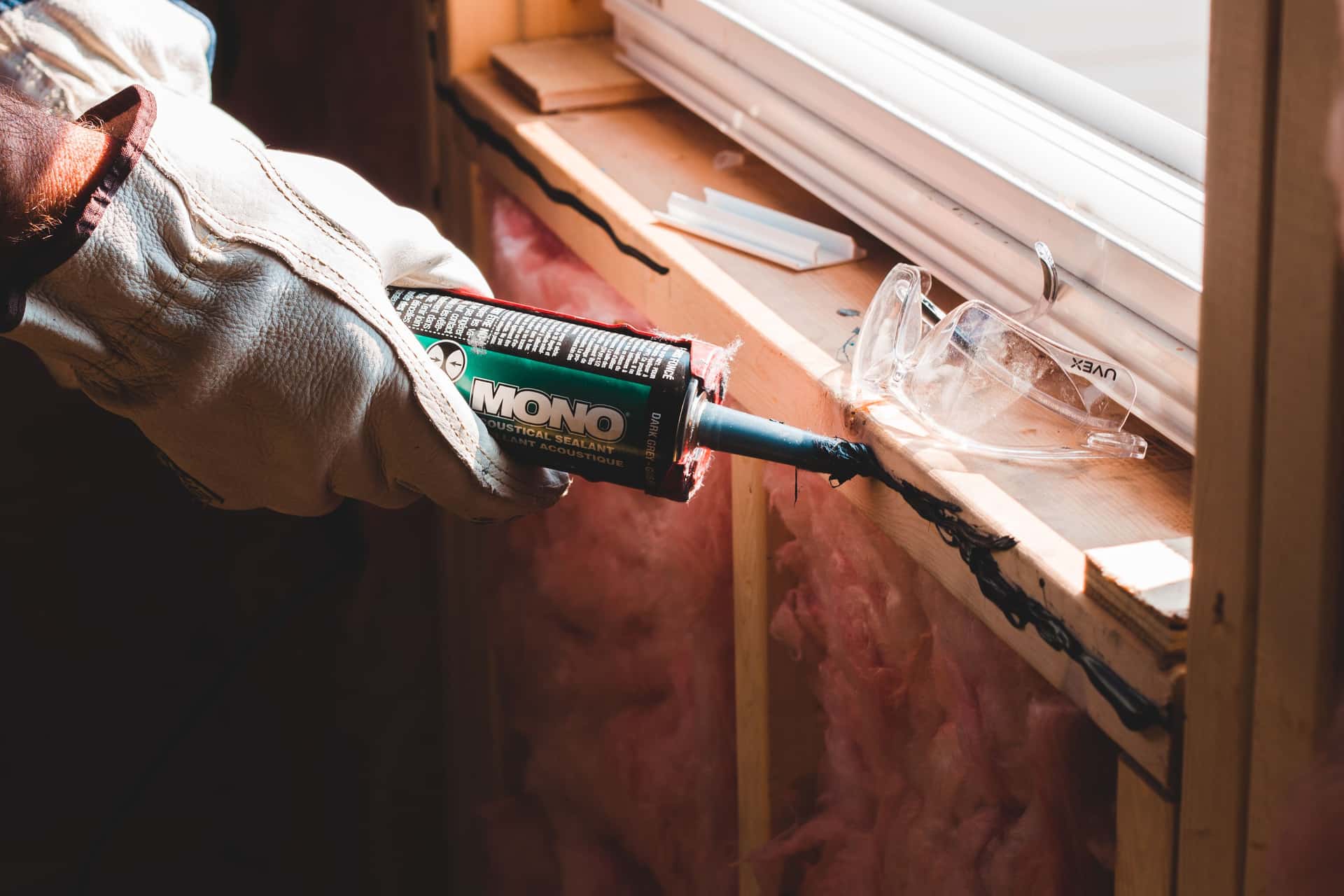
Where we cannot establish a standard, we say so on the page rather than quietly recommending anyway. The sealant, paint and adhesive guides below each name the products we would use, the evidence behind each, and - explicitly - the gaps in that evidence.
Shed & Bask earns a commission from qualifying Amazon purchases made through links on this page. It does not change what we recommend or the order we rank things in. Read the full disclosure.