Leopard gecko
Best leopard gecko tank decor
This species uses the floor and the first few inches above it. Decor that serves that is useful; decor that fills the top of the tank is not.
By Brijon M.Last updated
Shed & Bask earns a commission from qualifying Amazon purchases made through links on this page. It does not change what we recommend or the order we rank things in. Read the full disclosure.
The jobs
| Job | What it delivers | Typical item |
|---|---|---|
| Warm hide | Cover at 90-92 F, where digestion happens | Cork round, rock cave |
| Cool hide | Cover at the far end | Cork round, plant pot on its side |
| Humid hide | 70-80% micro-environment for shedding | Closed hide lined with damp moss |
| Basking surface | A flat surface reaching 94-97 F | Slate or unglazed tile |
| Low climbing | Enrichment within the first few inches | Flat stacked stone, low branches, ledges |
| Visual barriers | Line-of-sight breaks, which reduce stress | Hardscape, dry foliage |
| Digging | Natural behavior | 3-4 in of a diggable mix |
Three hides, and why the humid one is different
The warm and cool hides are about cover and thermoregulation. The humid hide is a health intervention: shedding problems are among the most common complaints in this species, and the published fix is a hide lined with moistened substrate at 70-80%, placed at the middle to cool end. It should be a closed hide with a small entrance rather than an open dish of moss, because the whole point is to hold a micro-environment.
For the humid hide
Sphagnum Moss
Holds water for days and releases it slowly. Keep it away from the feeding area so long strands are not ingested with prey.
Low climbing is real enrichment
Leopard geckos are terrestrial, which is often taken to mean they never climb. They do - low. Flat stacked stone, a cork flat at a shallow angle, a low branch: all of it gets used, and it also creates the line-of-sight breaks that make an enclosure feel secure rather than exposed.
Stack stone stably and bed the base layer into the substrate. A gecko digging under an unsecured stack is the one genuine injury risk in this category.
Digging
Give the substrate enough depth and structure to hold a shallow burrow - 3 to 4 inches of a mix with a clay component. At one inch the behavior disappears, and so does the cooler microclimate a burrow provides.
So burrows hold
Zoo Med Excavator Clay Burrowing Substrate
A clay component turns loose sand into a substrate that supports digging rather than collapsing behind the animal.
The sand half of the mix
Zoo Med ReptiSand
Fine, natural and undyed. Not calcium sand, which is a named hazard.
What to avoid
- Heat rocks. Contact heat with no gradient.
- Tall decor at the expense of floor. Height is not the dimension this species uses.
- Unsecured rock stacks over a digging animal.
- Painted or coated ornaments with no published data - see the materials guide.
- Long-strand moss in the feeding area, which can be ingested with prey.
Live plants are possible in a dry build but harder than in a humid one. If you do use them, check the species by botanical name and deal with nursery pesticide residue - the safe plants guide covers both.
Frequently asked questions
What decor does a leopard gecko need?
Three hides - warm, cool and humid - a flat basking surface, low climbing structure, visual barriers, and substrate with enough depth to dig in.
Do leopard geckos climb?
Low, yes. Flat stacked stone, cork flats and low branches all get used, and they create the line-of-sight breaks that make the enclosure feel secure.
Are heat rocks safe for leopard geckos?
No. They deliver contact heat with no gradient, which is how contact burns happen. Use overhead heat or a thermostatted mat under the warm hide instead.
Sources
- Leopard Gecko Temperatures & Humidity — ReptiFiles
- Leopard Gecko Substrate Options — ReptiFiles
- Toxic and Non-Toxic Plant List — ASPCA Animal Poison Control Center
Read next
Hub
Leopard gecko tanks, lighting and substrate
Floor space is the constraint, not height. The published adult minimum is 4.5 sq ft - more than a 20-gallon long gives you.
Leopard gecko
Best substrate for a leopard gecko tank
Leopard gecko substrate options, the named hazards, and the humid hide arrangement.
Leopard gecko
Leopard gecko temperature and humidity
The published leopard gecko temperature and humidity figures and how to hit them.
Leopard gecko
Leopard gecko setup checklist
The complete leopard gecko setup checklist with the figure and instrument for each.
Substrate & safety
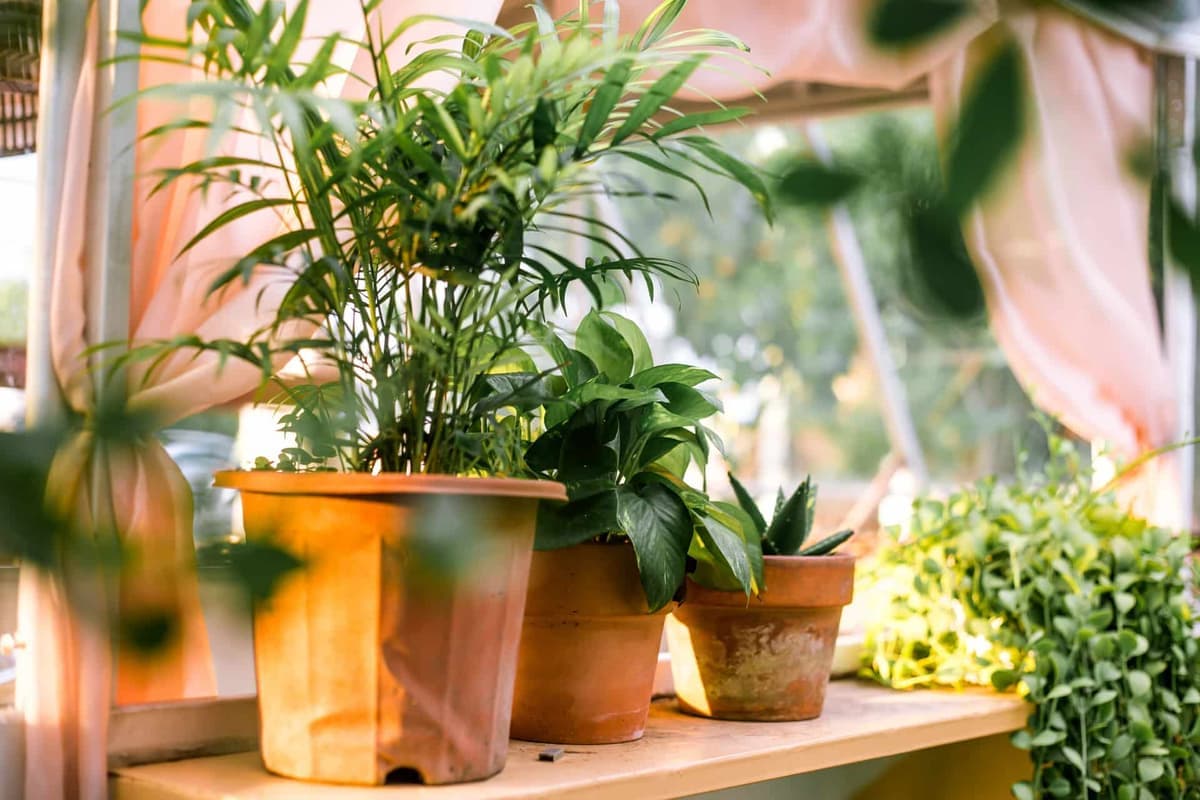
Non-toxic plants for reptile enclosures
How to check a plant species for toxicity, and why nursery pesticide residue is the bigger risk.
Substrate & safety
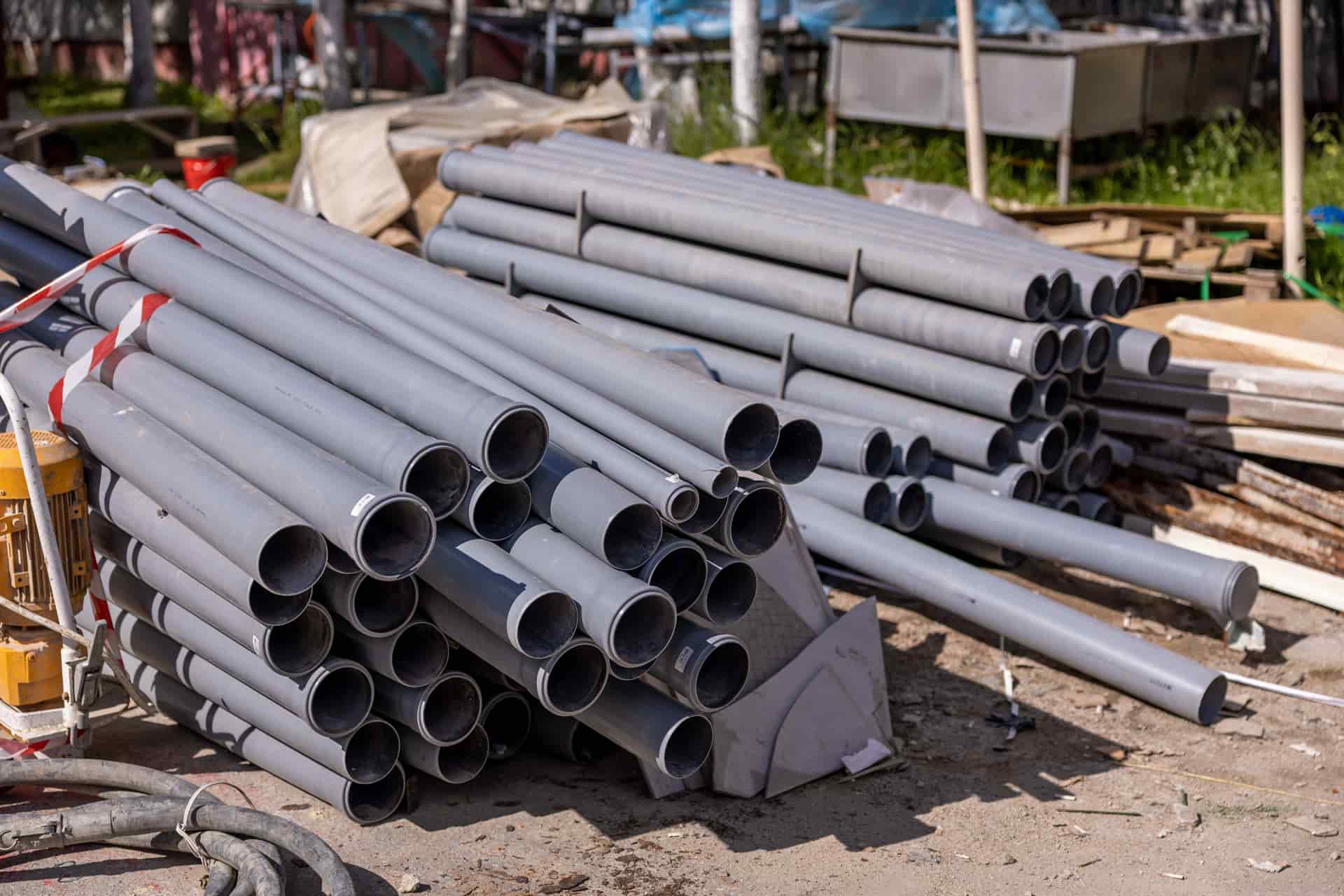
Is PVC safe for reptiles? Enclosure material safety
What to check on enclosure materials, and why the coatings matter more than the panel.