Substrate & safety
Non-toxic glue for a reptile enclosure
Three adhesives cover almost every enclosure job, and the rule that matters is the same for all of them: cure fully, and never let the adhesive be the exposed surface.
By Brijon M.Last updated
Waterproof PVA wood glue for structural wood joints, 100% RTV silicone with no mildewcide for bonding backgrounds and sealing seams. Cure everything fully before the animal goes in, and design the build so the adhesive is never the surface the animal contacts.
Shed & Bask earns a commission from qualifying Amazon purchases made through links on this page. It does not change what we recommend or the order we rank things in. Read the full disclosure.
How we picked
Every pick below is scored against these thresholds, stated as numbers. Publishing them is the point: of the competitor roundups we surveyed, not one published a numeric selection threshold.
The safety claim names a standard or a technical statement
A cited certification, test or manufacturer technical statement - not the word non-toxic on a label
Source: U.S. Environmental Protection Agency - Volatile Organic Compounds' Impact on Indoor Air Quality
Published temperature limit above the basking surface
A stated service temperature that clears the species basking figure - 108-113 F for a bearded dragon
Source: ReptiFiles - Bearded Dragon Temperatures & UVB Requirements
Published full cure time
A full cure figure, not a dry-to-touch time, with the animal kept out until it completes
Source: Pond Armor - Pond Shield Non-Toxic Epoxy product information
No antimicrobial or mildewcide additive
No fungicide, mildewcide or added biocide of any kind in the formulation
These are the same criteria every roundup on this site applies. See the full methodology.
The principle that makes this simple
An adhesive in a reptile enclosure should be doing one of two jobs: holding structure that is then sealed over, or bonding a decorative element that is then coated. In both cases the adhesive ends up buried. If your design has an adhesive bead as an exposed interior surface the animal can reach, change the design rather than hunting for a safer glue.
The three adhesives that cover almost everything
| Job | Adhesive | Notes |
|---|---|---|
| Wood-to-wood structural joints | Waterproof PVA wood glue | Water clean-up, no solvent exposure during the build. Clamp and cure, then seal over it |
| Bonding foam backgrounds, cork, rock | 100% RTV silicone, no mildewcide | Flexible, inert once cured, and it is also the seam sealant |
| Waterproof bonding and coating in one | Two-part epoxy | Self-priming, bonds to wood, metal, stone and many plastics |
Structural wood joints
Titebond III Ultimate Wood Glue
A waterproof PVA formulation suits a humid build better than standard wood glue, with water clean-up and no solvent exposure. Glue the structure, then seal the interior separately.
Backgrounds and seams
100% RTV Silicone Sealant (aquarium grade)
100% silicone with no mildewcide does both jobs. Flexible enough to survive panel movement, and inert once fully cured - which is why aquarium manufacturers use it.
When the bond also has to be waterproof
Pond Armor Pond Shield Non-Toxic Epoxy
Self-priming epoxy that bonds to wood, metal, stone and many plastics, with a published -78 F to 140 F service range and a full cure of up to 7 days.
Cure times, which are the actual safety control
Every adhesive here is inert once cured and is not inert before. The cure is therefore not a convenience step, it is the step that makes the material safe.
- PVA wood glue: clamp time, then a full cure before you seal over it. Sealing over partly cured glue traps moisture in the joint.
- Silicone: ventilate until the acetic acid smell has gone entirely, then longer. Thick beads take substantially longer than thin ones.
- Epoxy: the Pond Armor product states 24 to 48 hours to dry and up to 7 days to fully cure. Nothing goes in before the 7 days.
Expanding foam backgrounds, specifically
The usual construction is expanding foam shaped and carved, bonded with silicone, then coated. Two points that are frequently skipped:
- Foam must be fully cured before carving, and fully cured again before coating. Uncured foam inside a sealed shell continues to off-gas with nowhere to go.
- The foam is never the finished surface. It is porous, it absorbs waste, and it cannot be disinfected. The coating over it is the surface, and it has to be a product with a published temperature limit and cure time - see the sealant guide.
What about the animal chewing it?
Worth addressing honestly. A fully cured silicone or epoxy surface is not a nutritional target and is not generally chewed, but enclosure decor does get scratched, climbed and dug against. That is an argument for mechanical robustness as well as chemical inertness: a background that is well bonded and well coated stays intact, and an intact surface is the one that is not being ingested in flakes. Inspect bonded elements at every deep clean.
Frequently asked questions
What glue is safe for a reptile enclosure?
Waterproof PVA wood glue for wood joints, and 100% RTV silicone with no mildewcide for bonding backgrounds and sealing seams. Both are inert once fully cured, which is the condition that makes them safe.
Can I use Gorilla Glue or construction adhesive in a vivarium?
We would not. Solvent-based construction adhesives and contact cements off-gas during and after application, and a sealed enclosure is the worst geometry for that. Use PVA, silicone or epoxy, all of which have published cure behavior.
How long does glue need to cure before a reptile goes in?
Follow the published full cure, not the set time. For the epoxy named here that is up to 7 days. For silicone, until the acetic acid smell has completely gone.
Sources
- Volatile Organic Compounds' Impact on Indoor Air Quality — U.S. Environmental Protection Agency
- Pond Shield Non-Toxic Epoxy product information — Pond Armor
- UL GREENGUARD Gold Certification — chemical emissions criteria — UL Solutions
Read next
Hub
Reptile substrate and enclosure material safety
What the enclosure is made of, sealed with and floored with. This is the part of reptile keeping with the most confident advice and the least cited evidence.
Substrate & safety
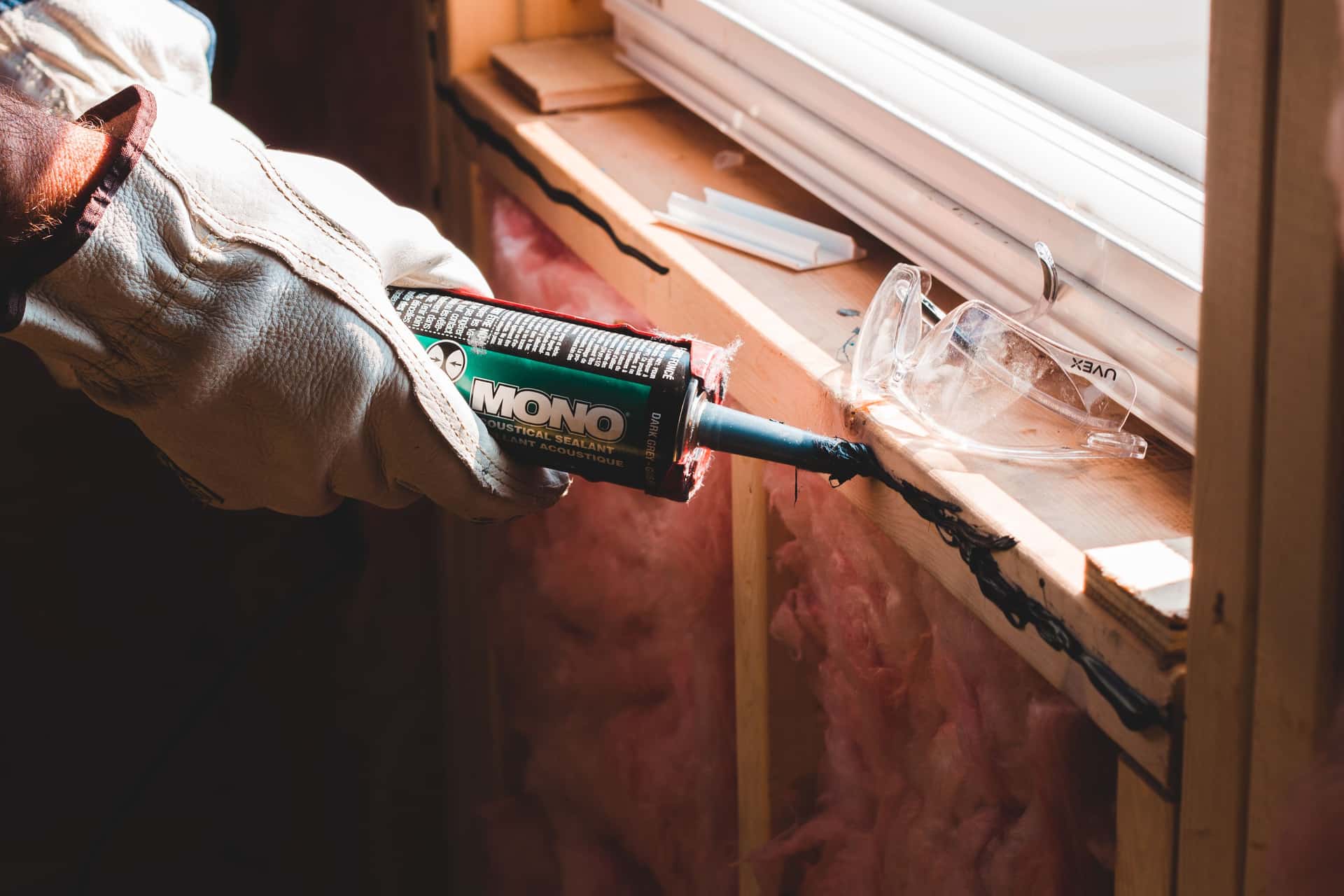
Non-toxic sealant for a reptile enclosure
Which sealants to use, the mildewcide rule, and the cure times that have to be respected.

Substrate & safety
Non-toxic paint for a reptile enclosure
How to choose an interior paint: low-VOC water-based, named standards, full cure and a heat check.
Substrate & safety
Is PVC safe for reptiles? Enclosure material safety
What to check on enclosure materials, and why the coatings matter more than the panel.
Guides
Building vs buying a reptile enclosure
When building your own enclosure is the right call, and the costs DIY comparisons leave out.