Lighting & heat
UVB distance and Ferguson zones
The one page that turns a percentage on a box into a setup instruction. Every figure here is published, and every assumption behind it is stated.
By Brijon M.Last updated
Ferguson zones sort reptiles by the UV they seek in the wild. Published basking maxima: Zone 1, UVI 0.6-1.4; Zone 2, 1.1-3.0; Zone 3, 2.9-7.4; Zone 4, 4.5-9.5. Set your lamp distance so the reading at the animal's basking position lands inside its zone.
Shed & Bask earns a commission from qualifying Amazon purchases made through links on this page. It does not change what we recommend or the order we rank things in. Read the full disclosure.
The Ferguson zone table, with the numbers
| Zone | Description | Zone UVI range | Basking zone maximum | Species here |
|---|---|---|---|---|
| Zone 1 | Crepuscular / shade dweller | 0 - 0.7 | 0.6 - 1.4 | Leopard gecko, crested gecko |
| Zone 2 | Partial sun / occasional basker | 0.7 - 1.0 | 1.1 - 3.0 | Ball python |
| Zone 3 | Open or partial sun basker | 1.0 - 2.6 | 2.9 - 7.4 | Bearded dragon |
| Zone 4 | Mid-day sun basker | 2.6 - 3.5 | 4.5 - 9.5 | Uromastyx, chuckwalla |
Two columns, two different things. The "zone UVI range" describes the average exposure an animal experiences across its active period. The "basking zone maximum" is the peak figure at the basking site, and it is the one you set your lamp against. Those figures come from Northampton Reptile Center, with the species assignments corroborated by Zen Habitats.
Species targets used on this site
| Species | Zone | Target used here | Source |
|---|---|---|---|
| Bearded dragon | Zone 3, edging into Zone 4 | UVI 4.0-4.5 at the basking surface | ReptiFiles bearded dragon temperatures and UVB |
| Ball python | Zone 2 | UVI 2.0-3.0 at the basking area | ReptiFiles ball python humidity and temperatures |
| Leopard gecko | Zone 1 | UVI 0.5-1.5 at the basking spot | ReptiFiles leopard gecko temperatures and humidity |
| Crested gecko | Zone 1 | UVI 1.0-2.0 at the basking branch | ReptiFiles crested gecko temperatures and humidity |
Mount distances, all in one place
| Lamp | Species | Distance | Mesh assumption |
|---|---|---|---|
| Arcadia T5 HO Desert 12% | Bearded dragon | 11 in / 27 cm | About 45% mesh block |
| Arcadia T5 HO Desert 12% | Bearded dragon | 16-17 in / 40.5-42 cm | No mesh |
| Arcadia T5 HO Dragon 14% | Bearded dragon | 11-12 in / 28-30 cm | About 45% mesh block |
| Arcadia T5 HO Dragon 14% | Bearded dragon | 17-18 in / 43-45 cm | No mesh |
| ReptiSun T5 HO 5.0 / Arcadia 6% | Ball python | 10-14 in / 25-35 cm | About 35% mesh block |
| Arcadia ShadeDweller Max 2.5% | Leopard gecko (normal pigment) | 8-14 in / 20-35 cm | About 30% mesh block |
| Arcadia ShadeDweller 7% | Leopard gecko (normal pigment) | 10-18 in / 25-45 cm | About 30% mesh block |
| Arcadia ShadeDweller Max 2.5% | Leopard gecko (hypo pigment) | 12-14 in / 30-35 cm | About 30% mesh block |
| Arcadia ShadeDweller 7% | Leopard gecko (hypo pigment) | 16-18 in / 40-45 cm | About 30% mesh block |
| Arcadia ShadeDweller 7% (12 in) | Crested gecko | 8-12 in / 20-30 cm | About 35% mesh block, lamp above mesh |
| Arcadia ShadeDweller Max 2.5% (24 in) | Crested gecko | 6-9 in / 15-23 cm | About 35% mesh block, lamp above mesh |
What the mesh assumption means in practice
Mesh blocks a substantial fraction of UVB output - the published corrections on this page assume somewhere between 30% and 45% depending on the species page they come from. Your lid may be finer or coarser than the one those figures were measured through, which is the single largest uncontrolled variable in a typical setup.
Three practical consequences. First, if you mount the fixture inside the enclosure, the mesh correction disappears and you need the no-mesh distance instead - 16 to 17 inches rather than 11 for an Arcadia Desert 12%. Second, if you do not own a meter, the published advice for bearded dragons is to add 1 to 3 inches to the figure to account for the animal's own height. Third, a meter removes the guesswork entirely, which is why it is the only item on this site we describe as making every other figure verifiable.
Building the gradient, not just the peak
The basking figure is the maximum, not the whole specification. For a bearded dragon the optimal UVI gradient runs from 0 at the furthest point from the lamp up to 4.0-4.5 at the basking site. That gradient is what lets the animal choose its own exposure, which is the entire mechanism Ferguson zones describe. An enclosure where UVI is uniform everywhere - usually because it is too small - removes the choice.
The instrument every figure here assumes
Solarmeter Model 6.5 UV Index Meter
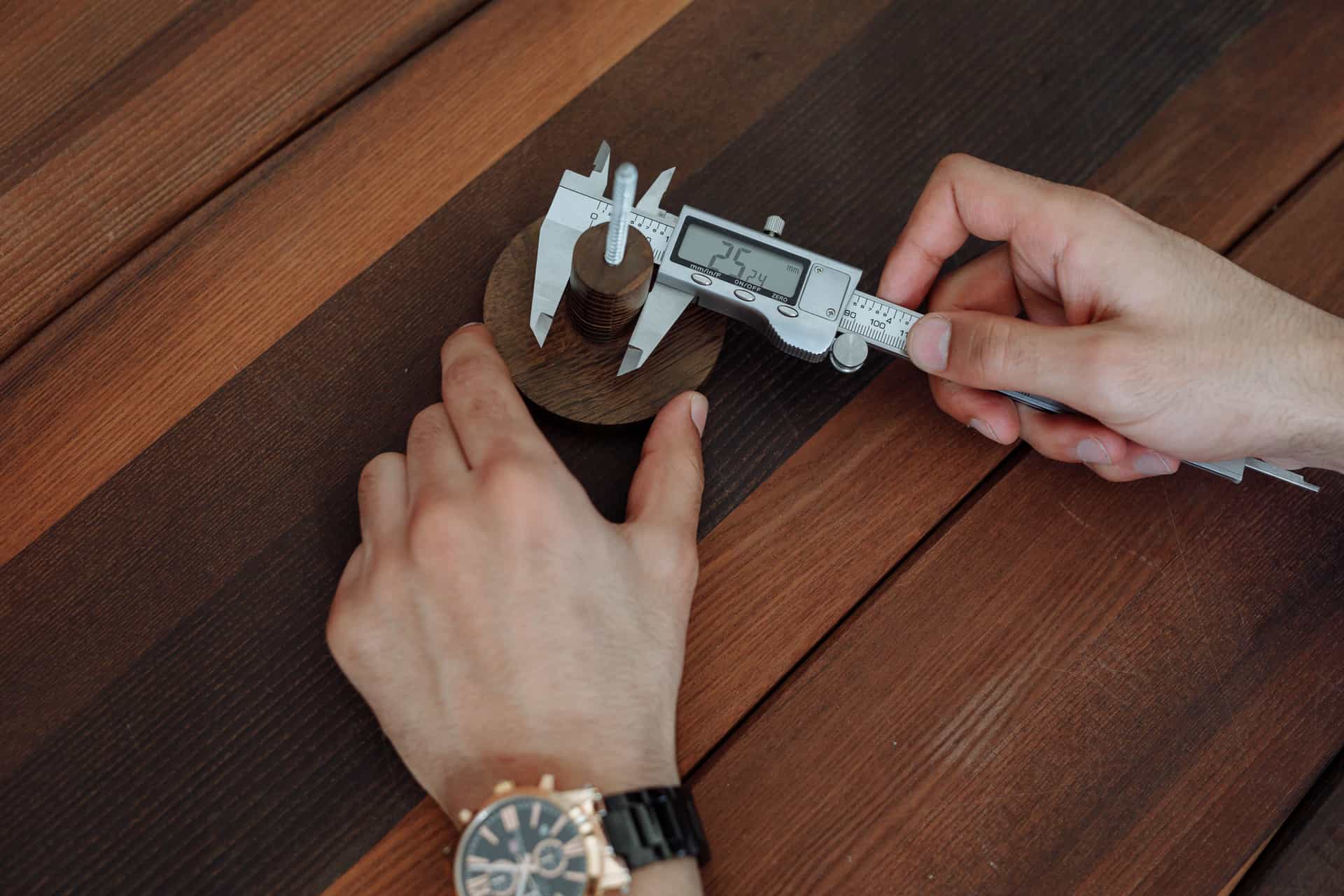
Published distances are estimates for a stated mesh and fixture. A reading at your basking surface is the actual number.
The fixture the Arcadia figures assume
Arcadia ProT5 Reflector Fixture
A reflector roughly doubles usable output. Using a chart distance with a non-reflector housing gives you a number that does not describe your enclosure.
Frequently asked questions
What are Ferguson zones?
A system that sorts reptiles by the UV exposure they seek in the wild, from Zone 1 (crepuscular and shade dwellers) to Zone 4 (mid-day sun baskers), each with a published UV index range and a basking zone maximum.
What Ferguson zone is a bearded dragon?
Zone 3 - open or partial sun basker, with a published basking maximum of UVI 2.9-7.4 - with individuals edging into Zone 4 during the hottest part of the day. The target used in care guidance is UVI 4.0-4.5 at the basking surface.
How does mesh affect UVB?
It blocks a substantial proportion of the output. Published distance figures assume roughly a 30 to 45% block depending on the source, which is why a lamp mounted inside the enclosure needs a much longer distance than the same lamp above a mesh lid.
What wattage UVB does a bearded dragon need?
Wattage is the wrong specification - it describes power draw, not ultraviolet output. Choose by output class and mount distance: a 12-14% T5 HO at the published distance for your mesh.
Sources
- Which Ferguson Zone Are Bearded Dragons? — Northampton Reptile Center
- What Are Ferguson Zones? Reptile UVB Information — Zen Habitats
- Bearded Dragon Temperatures & UVB Requirements — ReptiFiles
- Leopard Gecko Temperatures & Humidity — ReptiFiles
- Crested Gecko Temperatures & Humidity — ReptiFiles
- Ball Python Humidity & Temperature Requirements — ReptiFiles
- Solarmeter Model 6.5 UV Index Meter — Solarmeter
Read next
Hub
Reptile UVB, heat and thermostats
Wattage and percentage tell you almost nothing on their own. UV index at a stated mount distance is the number that decides whether a lamp is right for your animal.
Lighting & heat
6 best reptile UVB bulbs (2026), judged by UVI at a stated distance
UVB bulbs ranked by whether they reach the species UVI target at a distance your enclosure allows.
Lighting & heat
Best reptile UVB light fixtures (2026)
T5 fixtures judged on reflector performance and whether published distance charts assume them.
Lighting & heat
Best reptile UVB meters (2026)
What a UV index meter measures, why only the Solarmeter 6.5 class is accepted, and how to use one.
Lighting & heat
UVB 5.0 vs 10.0: which one, and at what height
UVB 5.0 vs 10.0 decided by Ferguson zone and mount height, not by which number is bigger.
Lighting & heat
When to replace a reptile UVB bulb
The 12-month replacement rule, why visible light misleads, and how to track it.