Leopard gecko
Leopard gecko temperature and humidity
A dry enclosure with one deliberately wet corner. Getting that arrangement right prevents the most common health complaint in the species.
By Brijon M.Last updated
Basking surface 94-97 F (34-36 C) surface; warm hide 90-92 F (32-33 C). Cool end 70-77 F (21-25 C). Night Tolerates a drop to 60 F (16 C). Ambient humidity 30-40%, with a humid hide at 70-80% placed at the middle to cool end.
Shed & Bask earns a commission from qualifying Amazon purchases made through links on this page. It does not change what we recommend or the order we rank things in. Read the full disclosure.
The figures
| Parameter | Target | Measured with |
|---|---|---|
| Basking surface | 94-97 F (34-36 C) | Infrared gun |
| Warm hide | 90-92 F (32-33 C) | Probe or gun, inside the hide |
| Cool end | 70-77 F (21-25 C) | Probe thermometer |
| Night | Tolerates a drop to 60 F (16 C) | Probe thermometer, logged |
| Ambient humidity | 30-40% | Probe hygrometer |
| Humid hide | 70-80% | Probe hygrometer, inside the hide |
Why the night drop is a feature
The published guidance notes that leopard geckos tolerate a drop to 60 F at night, and that studies show a nightly drop in temperature is healthier than maintaining the same temperatures as during the day, with benefits for long-term health. Most US homes never fall that low, which means most keepers need no night heat at all.
If your home does get very cold, do not use a colored night bulb. Reptiles see that light and it disrupts the sleep cycle; the published alternative is a ceramic heat emitter in a wire cage-type fixture, which is good at raising ambient air temperature.
The humidity arrangement, which is the important part
Leopard geckos are desert animals and need a fairly dry environment. The ambient target is 30-40%, which should roughly match the humidity already in your home, and a screen top or equivalent ventilation helps keep it there. Occasional spikes above that are safe in a well-ventilated enclosure.
Shedding, though, needs more humidity than that. Shedding problems are among the most common health issues in this species, and the published fix is specific: do not raise humidity across the whole enclosure - that can make the gecko sick. Instead provide a humid hide lined with moistened substrate, placed in the middle to cool end, holding 70-80%.
The humid hide lining
Sphagnum Moss
Holds water for days and releases it slowly, which is exactly what a 70-80% micro-environment needs. Rinse or replace it before it goes moldy.
Belly heat, clarified
The guidance addresses this directly: what people mean by belly heat is making sure the gecko's digestive tract gets the heat energy required for proper digestion. As long as the gecko has an appropriate basking area and preferably a warm hide reaching 90-92 F - measured with a digital probe thermometer or temperature gun - it gets the energy it needs. Overhead halogen and a thermostatted under-tank mat both achieve that. The measured figure is the requirement.
For the basking surface
Infrared Temperature Gun
94-97 F is a surface temperature, and the warm hide figure is measured on or in the hide. An air probe reads neither.
For ambient and the humid hide
Zoo Med Digital Thermometer and Humidity Gauge
Move the probe into the humid hide to confirm 70-80%, then back to the cool end for the 30-40% ambient reading.
Frequently asked questions
How hot should a leopard gecko enclosure be?
Basking surface 94-97 F, warm hide 90-92 F, cool end 70-77 F. At night a drop to 60 F is tolerated and is healthier than holding daytime temperatures.
How humid should a leopard gecko enclosure be?
30-40% ambient, which should roughly match your home, with a humid hide at 70-80% placed at the middle to cool end for shedding.
How do you keep a leopard gecko enclosure humid?
You do not - you keep it dry and add one humid hide. Raising whole-enclosure humidity for a desert species can make it ill. A moss-lined hide at 70-80% is the published approach.
Do leopard geckos need heat at night?
Only if the room falls below 60 F. If it does, use a ceramic heat emitter in a guarded fixture rather than a colored night bulb.
Sources
- Leopard Gecko Temperatures & Humidity — ReptiFiles
- Leopard Gecko Terrarium Size & Lighting Requirements — ReptiFiles
Read next
Hub
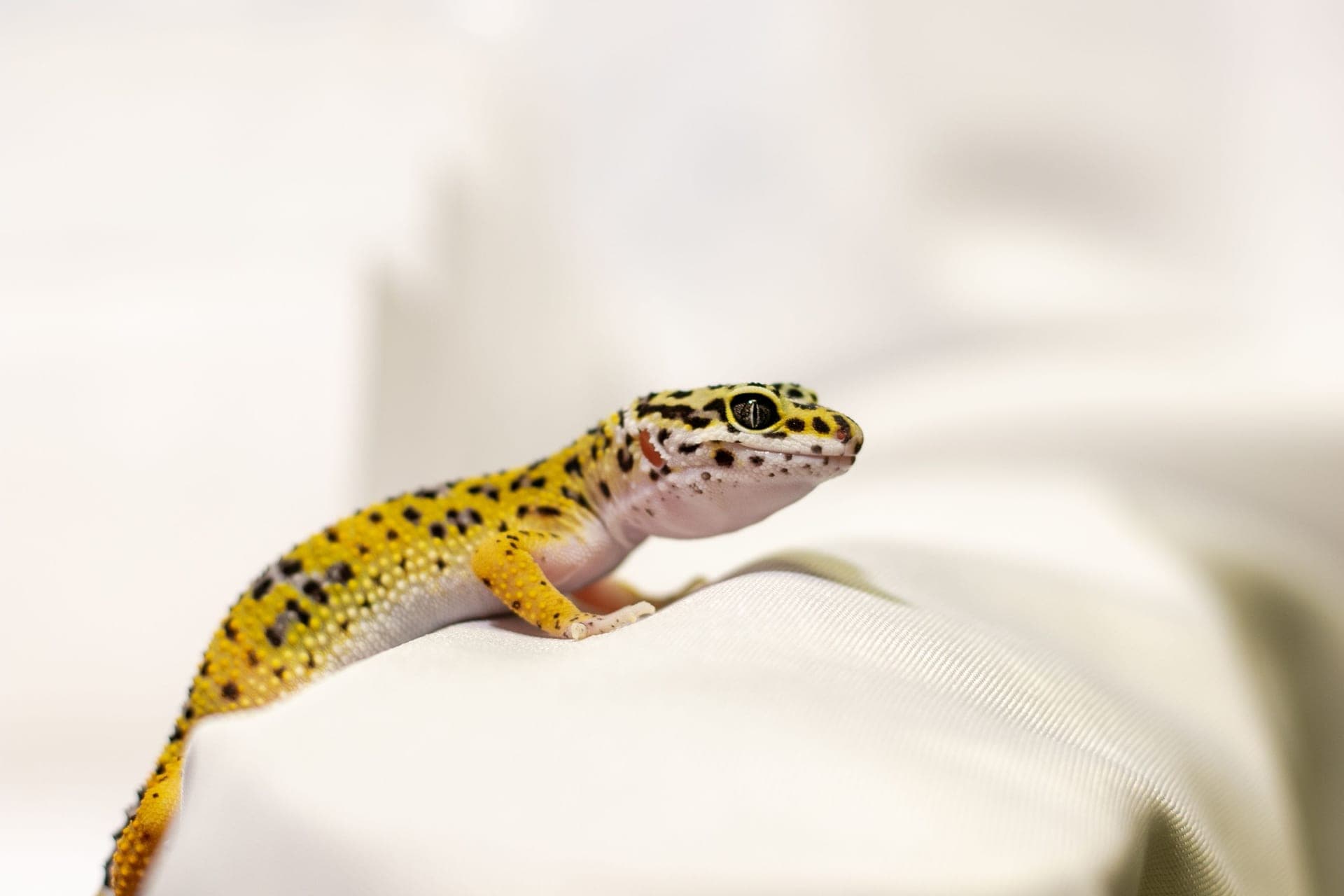
Leopard gecko tanks, lighting and substrate
Floor space is the constraint, not height. The published adult minimum is 4.5 sq ft - more than a 20-gallon long gives you.
Leopard gecko
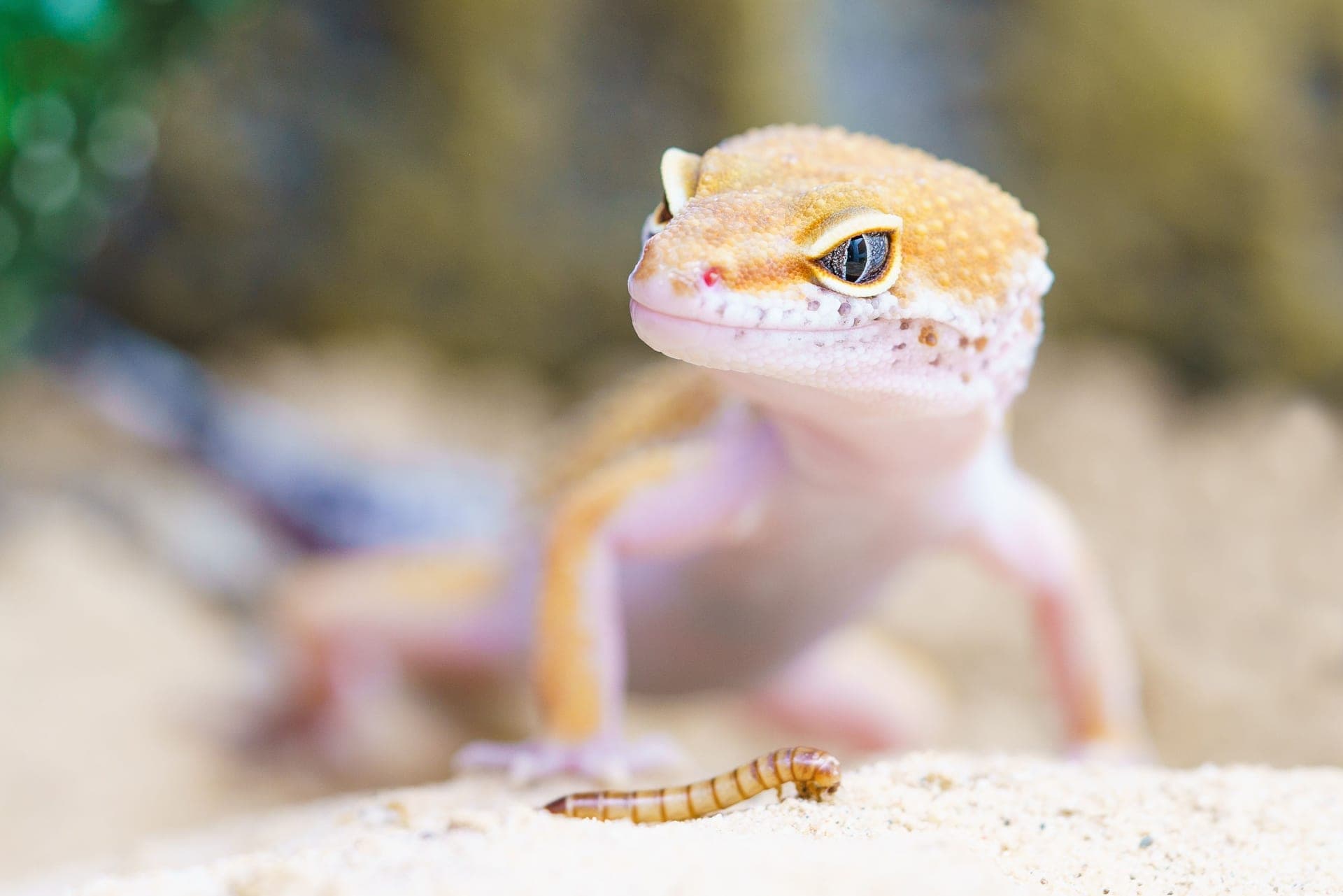
Leopard gecko setup checklist
The complete leopard gecko setup checklist with the figure and instrument for each.
Leopard gecko
Best substrate for a leopard gecko tank
Leopard gecko substrate options, the named hazards, and the humid hide arrangement.

Lighting & heat
Reptile night lighting mistakes
Why colored night bulbs are wrong, what to use for night heat, and the nightly drop.
Lighting & heat
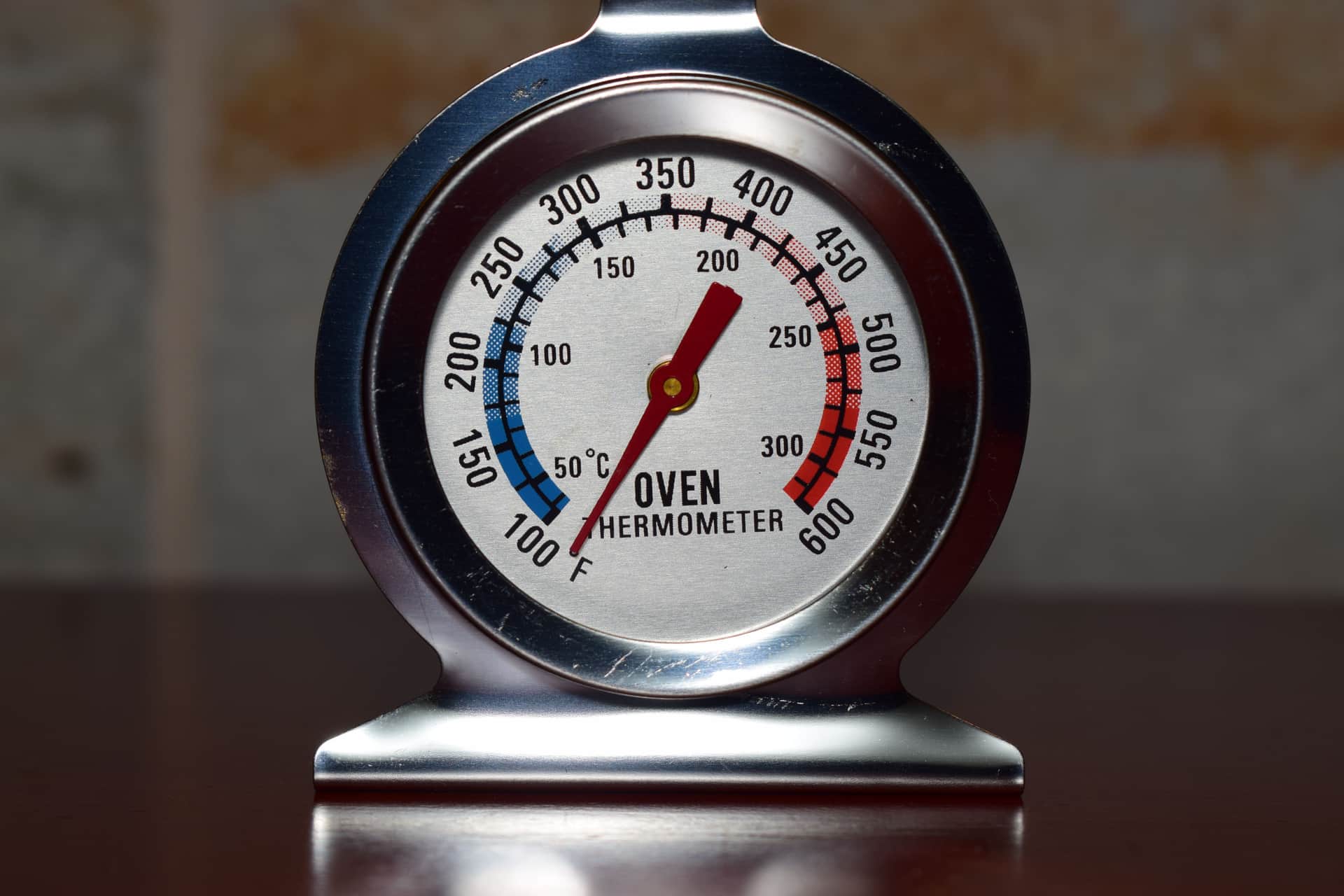
Best reptile thermometers and humidity gauges (2026)
The two instruments that can actually read the published figures: an infrared gun and a probe combo.
Guides
Best reptile enclosures for humidity (2026)
Enclosures judged on whether they hold the species humidity target without constant intervention.