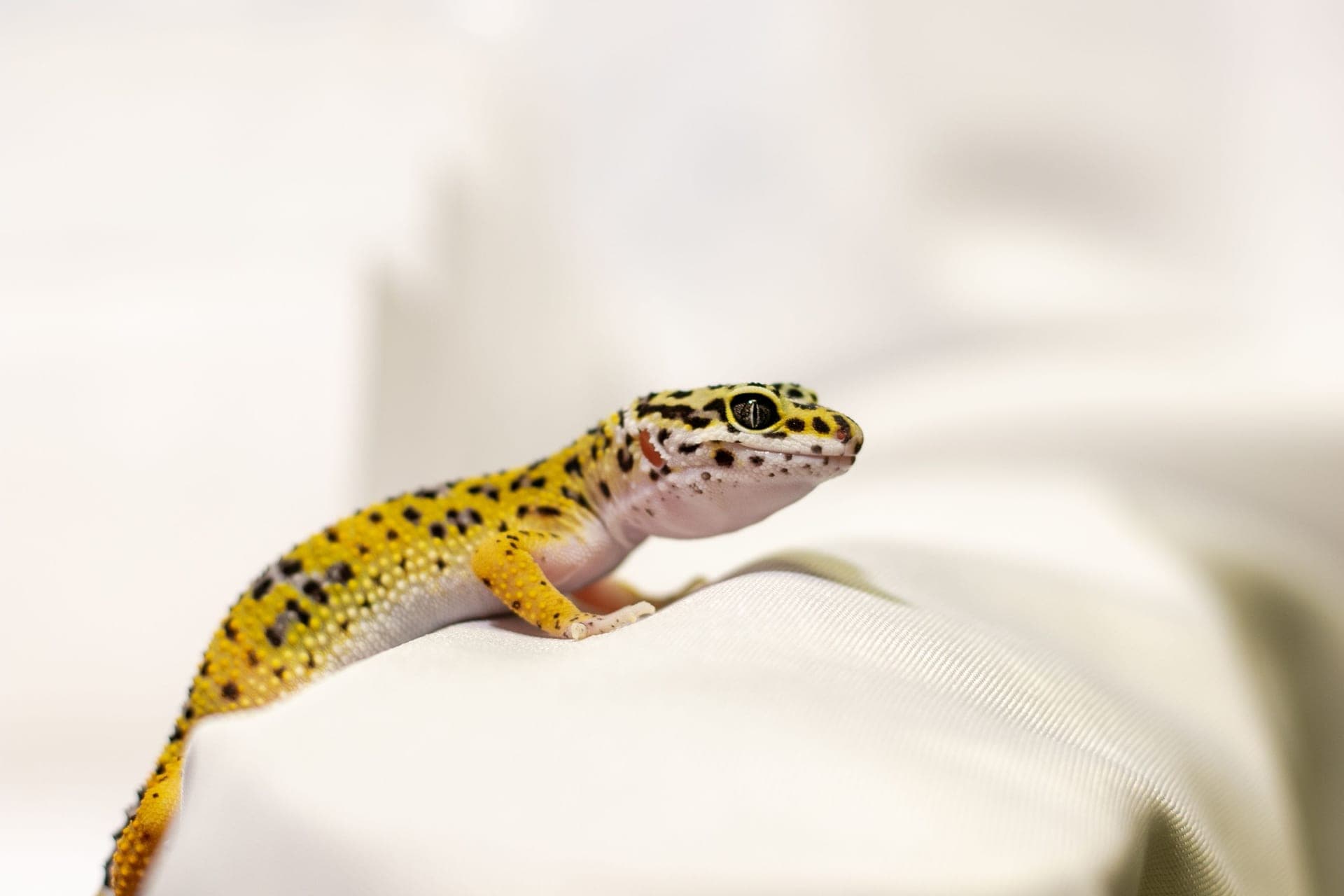
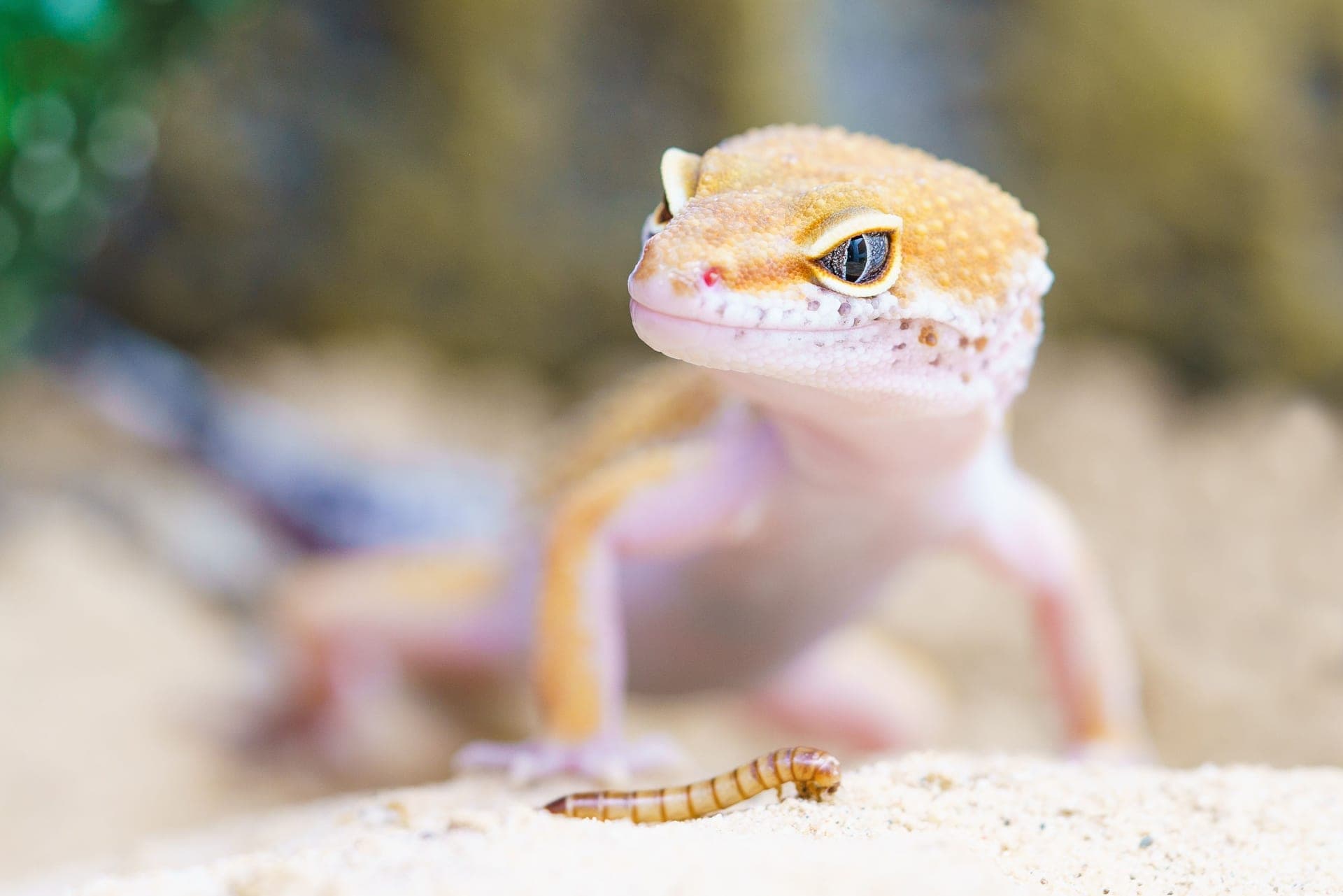
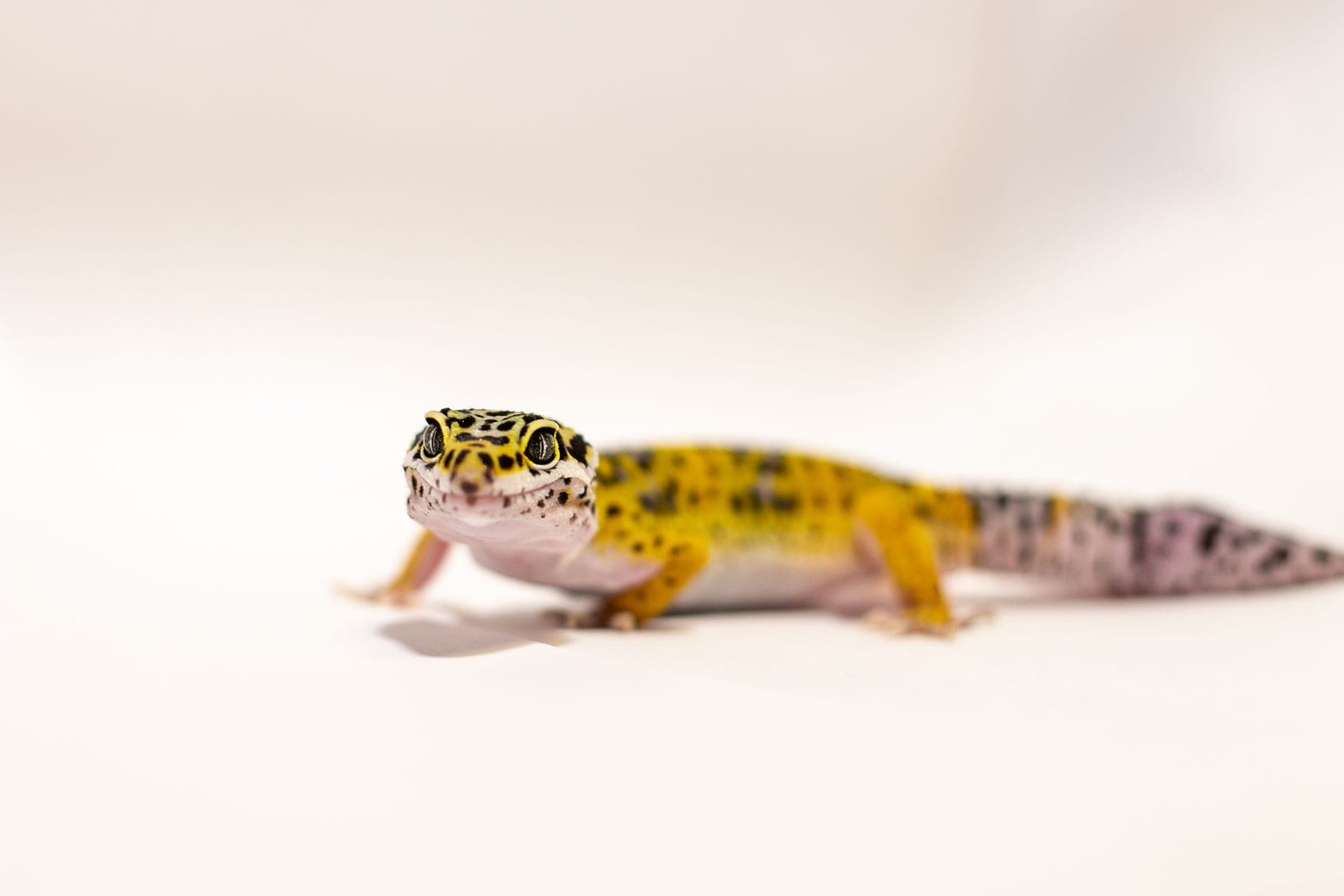
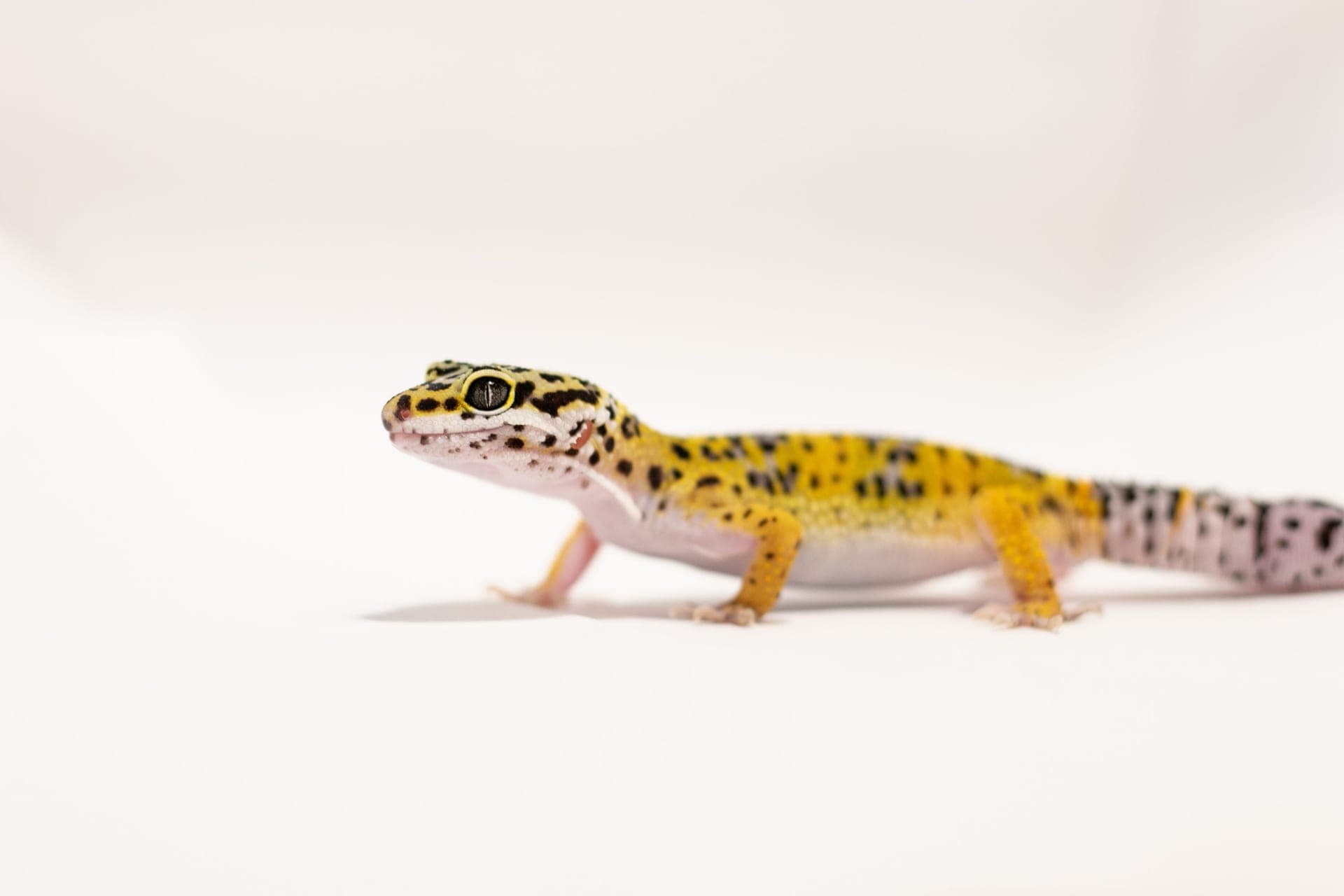
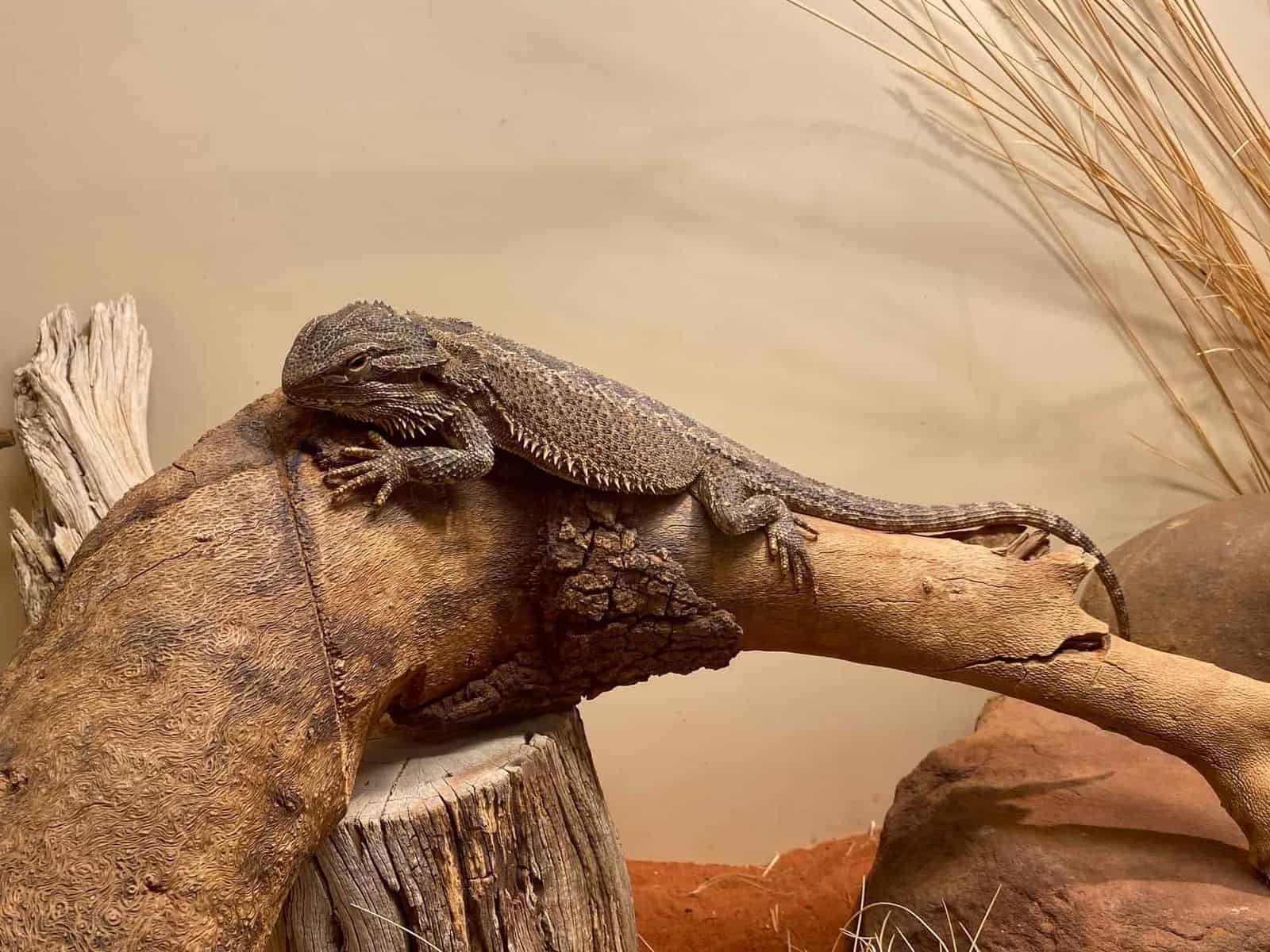
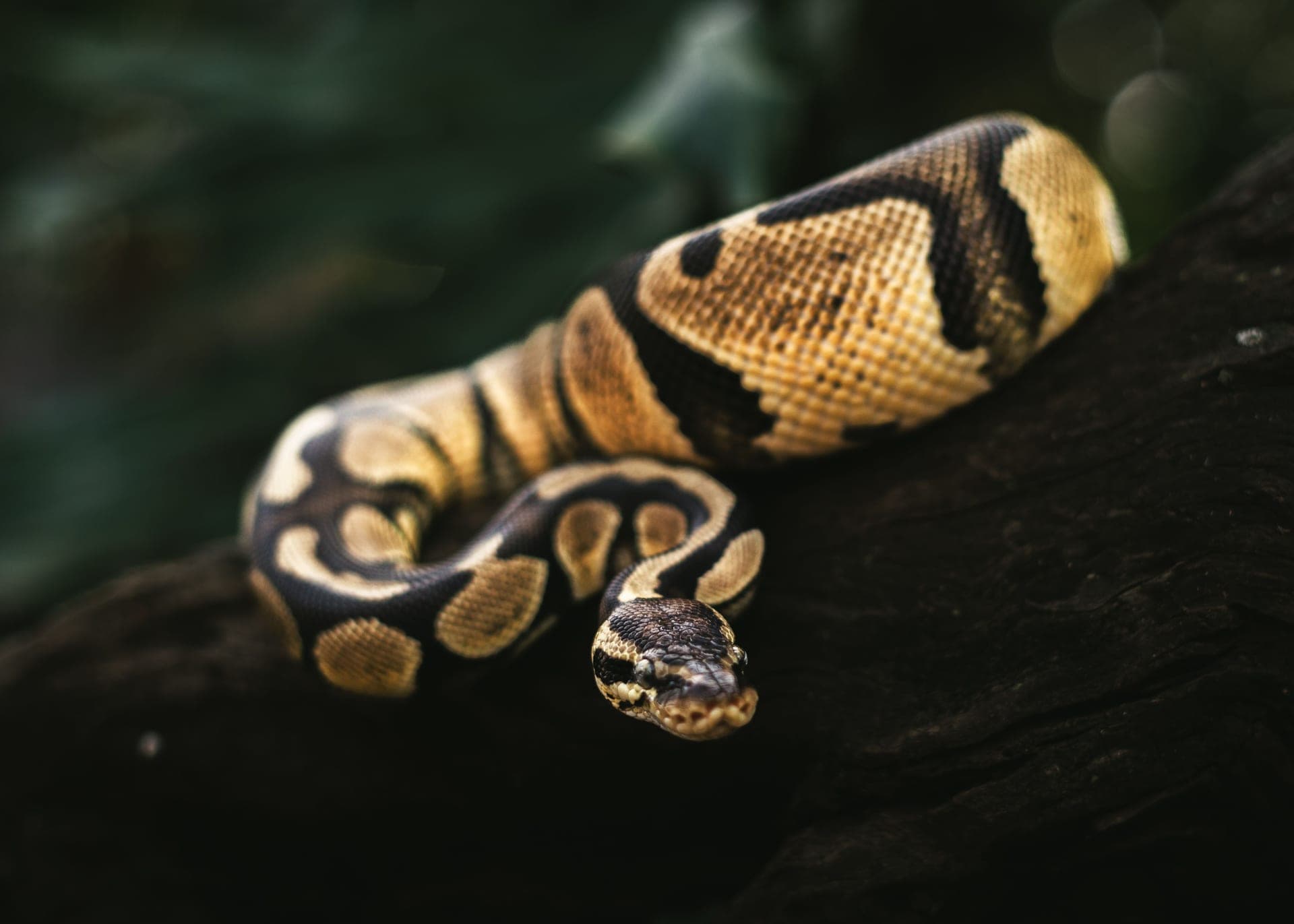
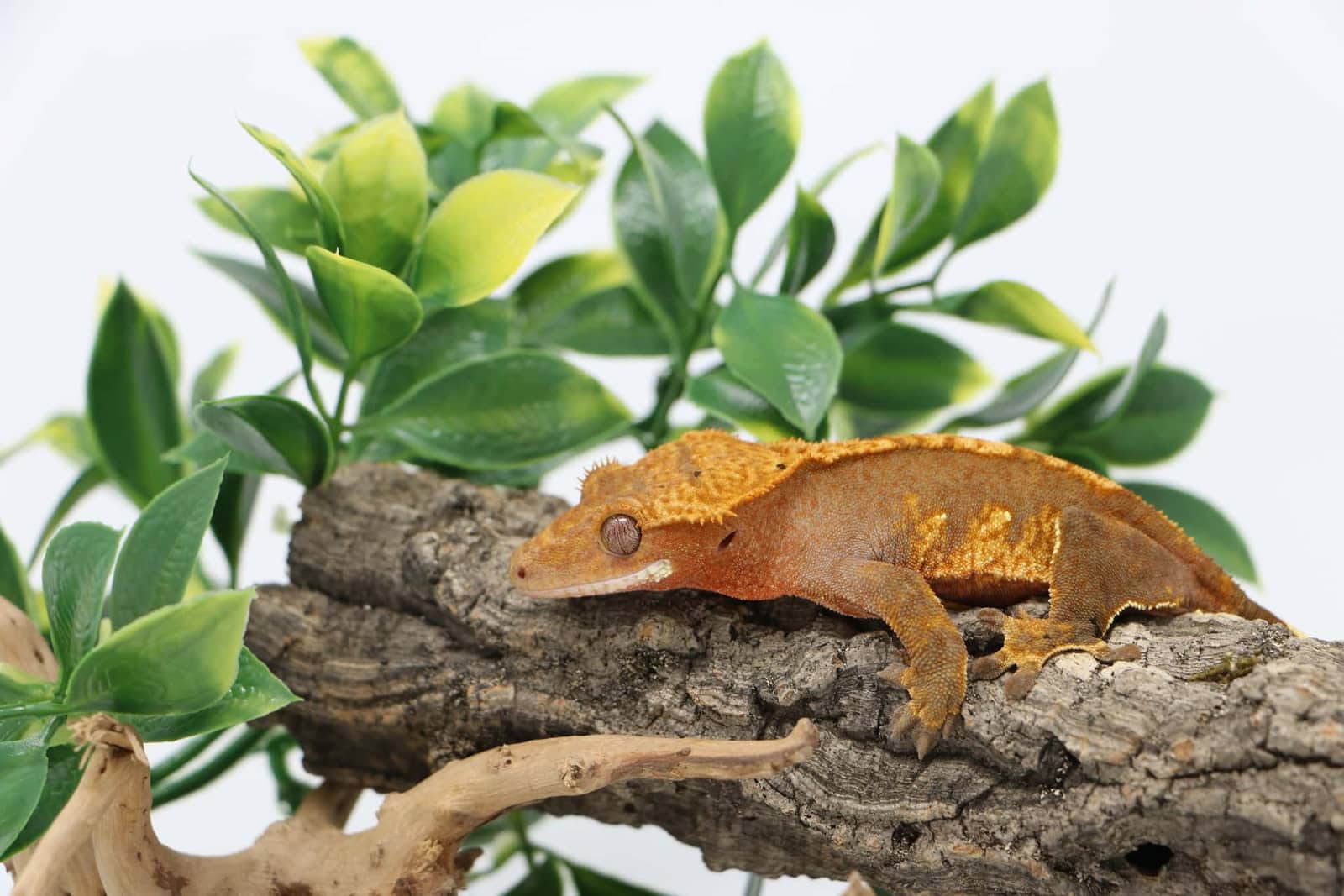
Leopard geckos are crepuscular, ground-dwelling lizards from arid grassland. That one sentence decides most of the setup: they need floor area rather than height, a warm hide rather than a hot open basking rock, a dry enclosure with one deliberately wet corner, and far less UVB than a desert basker - but not zero.
The three decisions that matter
Floor area, not volume. The published adult minimum is 36 x 18 x 18 in with at least 4.5 sq ft of floor space according to ReptiFiles, with floor space called out as the binding figure because leopard geckos are terrestrial. A 20-gallon long - still sold as a complete adult leopard gecko setup - gives roughly 2.5 sq ft, a little over half of that. This is the single most common undersizing on the US market, and it is undersizing by area rather than by gallons, which is exactly why gallon ratings mislead here. When you compare enclosures, convert everything to length times width in square feet and ignore the gallon number on the box.
Belly heat is a misunderstanding worth clearing up. The real requirement is that the gecko's digestive tract reaches temperature, and a basking surface at 94-97 F (34-36 C) surface; warm hide 90-92 F (32-33 C) achieves that. Overhead halogen over a warm hide does the job; so does a correctly thermostatted mat under a hide. What matters is the measured surface figure and the hide temperature, not which side of the animal the heat arrives from. The cool end should sit at 70-77 F (21-25 C), and at night they tolerate a drop to 60 F - a nightly drop is actively healthier than holding daytime temperature.
Dry enclosure, wet hide. Ambient humidity should run 30-40% ambient, with a humid hide at 70-80%. Shedding problems are among the most common health complaints in this species, and the fix is not to raise humidity across the whole enclosure - that makes geckos ill - but to provide a humid hide lined with damp substrate at 70 to 80%, placed at the middle to cool end. One hide, correctly placed, solves a problem that whole-enclosure misting makes worse.
UVB: the claim that leopard geckos do not need it is out of date
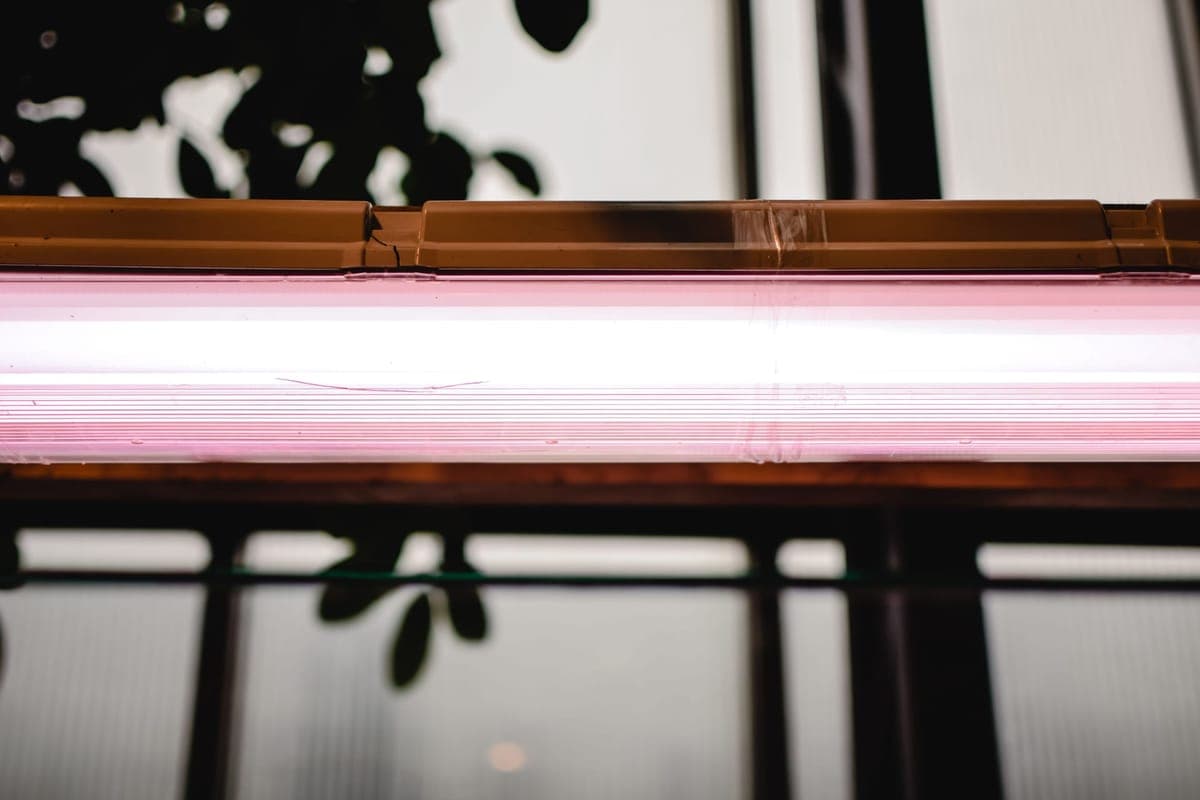
You will be told leopard geckos do not need UVB. The honest version is that they are less dependent on it than diurnal species, not that it does nothing: when UVB is offered, leopard geckos bask under it and benefit. The published basking target is UVI 0.5-1.5 at the basking spot for a normally pigmented animal, which is Ferguson Zone 1 territory - very low output, and easy to overshoot with a desert lamp. For albino, patternless and other reduced-pigment morphs the ceiling drops to UVI 0.5 to 0.7, because those animals can be burned by excess UVB. This is the clearest case on the whole site where buying the stronger bulb is the wrong move.
Photoperiod matters too and costs nothing: 14 hours in summer, 12 hours in winter, which simulates the seasonal cycle and supports appetite and activity. A plug timer handles it.
What to buy first
In order: the enclosure at the full adult footprint, a thermostat, the heat source, a probe thermometer and an infrared gun, three hides (warm, cool, humid), then substrate, then lighting. Buying the lamp before the thermostat is the classic ordering mistake - an uncontrolled heat source is the one item on the list that can injure the animal on its first day.
Shed & Bask earns a commission from qualifying Amazon purchases made through links on this page. It does not change what we recommend or the order we rank things in. Read the full disclosure.