Substrate & safety
Best bioactive substrate for reptiles (2026), by species
A bioactive substrate has one extra job the others do not: it has to keep a clean-up crew alive. That rules out anything sterile, anything dyed, and anything that dries to dust.
By Brijon M.Last updated
For an arid bioactive build - a bearded dragon or leopard gecko - use a complete arid bioactive kit, packed 4-6 in deep, with clay added if the mix will not hold a burrow. For a tropical bioactive build - a crested gecko or ball python - use a coconut husk base topped with leaf litter and sphagnum moss. Never calcium sand, never ground nut shell, never wood shavings, and never a dyed substrate in a bioactive enclosure.
Shed & Bask earns a commission from qualifying Amazon purchases made through links on this page. It does not change what we recommend or the order we rank things in. Read the full disclosure.
How we picked
Every pick below is scored against these thresholds, stated as numbers. Publishing them is the point: of the competitor roundups we surveyed, not one published a numeric selection threshold.
Not a named hazard
Contains no calcium carbonate binder (calcium sand, vitamin sand), no ground nut shell and no wood shavings
Usable at the published depth
Holds a burrow at a 4-6 in packed layer for a burrowing species
Matches the species moisture requirement
Dries out for a 30-40% leopard gecko enclosure, or retains and releases moisture for a 60-80% crested gecko enclosure
Natural, undyed material
No dye, no artificial color, and low enough dust not to be a respiratory risk
Stated maintenance interval
A known replacement schedule - for loose sand, complete replacement every 3-6 months
These are the same criteria every roundup on this site applies. See the full methodology.
Quick picks
Every row is scored against the published criteria below. Tap a row to read the full write-up.
| # | Product | Best for | Criteria met | Price |
|---|---|---|---|---|
| 1 | The BioDude Terra Sahara Bioactive Substrate Kit Best arid bioactive, for a bearded dragon or leopard gecko | A bioactive arid build | 5/5 | Check price on Amazon#ad We may earn a commission. Price and stock are resolved at Amazon. |
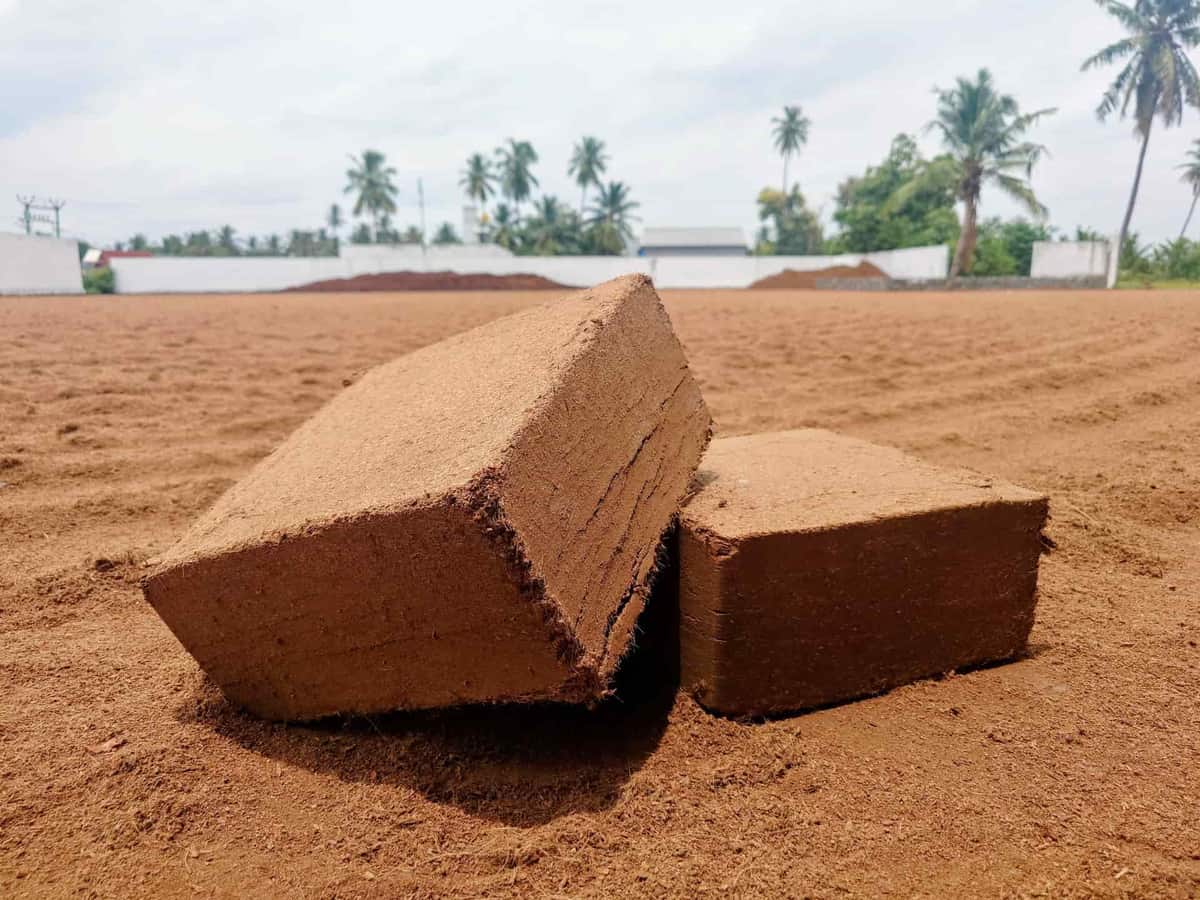
| 2 |  Coconut Husk / Cypress Mulch Humid Substrate Best tropical base, for a crested gecko or ball python | Humidity-dependent species | 5/5 | Check price on Amazon#ad We may earn a commission. Price and stock are resolved at Amazon. |
| 3 |  Zoo Med Excavator Clay Burrowing Substrate Best structural additive, so the burrow stays up | Giving a sand and soil mix enough structure to hold a tunnel | 4/5 | Check price on Amazon#ad We may earn a commission. Price and stock are resolved at Amazon. |
| 4 | 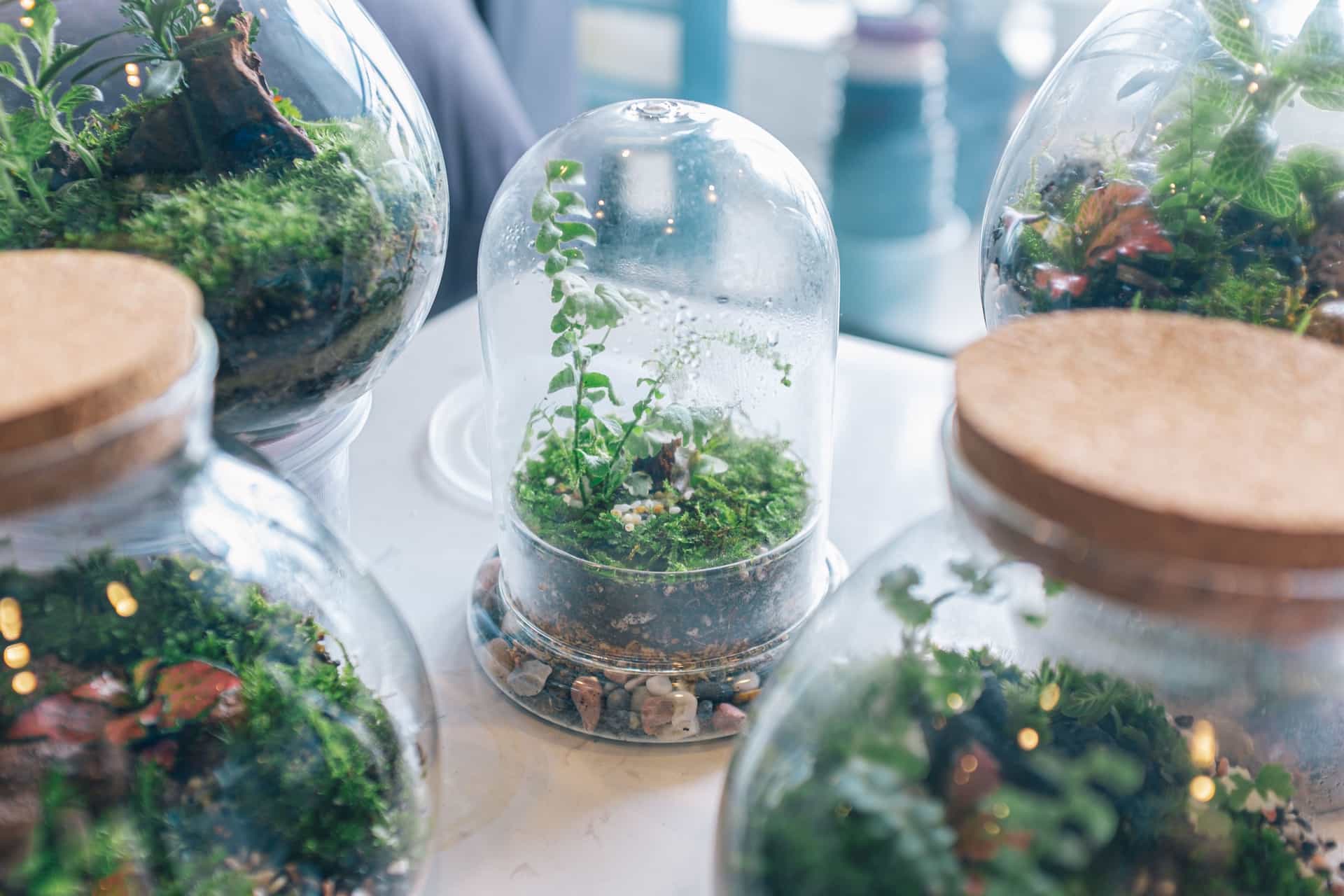 Sphagnum Moss Best moisture reservoir, in the hide and in the plantings | Lining a humid hide | 4/5 | Check price on Amazon#ad We may earn a commission. Price and stock are resolved at Amazon. |
What bioactive adds to the substrate decision
A normal substrate has to be safe for the animal, hold the right moisture, and reach a usable depth. A bioactive substrate has to do all three and also keep a population of isopods and springtails alive indefinitely. That extra requirement is what changes the shopping list.
It rules out anything sterile by design, anything dyed - a clean-up crew lives in the substrate rather than on it - and anything that dries to a dust. It also raises the depth requirement, because the clean-up crew needs a moist lower layer to retreat into while the surface dries. If you are not sure whether you want bioactive at all, bioactive basics covers when a sterile setup is the better choice - a quarantine enclosure, for example, where the whole point is to see everything the animal produces.
The hazards that disqualify a substrate outright
These are the same in a bioactive build as anywhere else, and they are short and specific: no calcium carbonate binder (calcium sand, vitamin sand), no ground nut shell, no wood shavings. The published substrate guidance names them, and our impaction risk page covers what the evidence actually identifies as the cause - which is not loose substrate in general.
| Species | Published moisture target | Bioactive build | Depth to aim for |
|---|---|---|---|
| Bearded dragon | 30-60% ambient average | Arid bioactive kit, clay added for structure | 4-6 in packed |
| Leopard gecko | 30-40% ambient, with a humid hide at 70-80% | Arid bioactive kit, plus a moss-packed humid hide | 4-6 in packed |
| Crested gecko | 60-80%, allowed to dry back to 40-50% between mistings | Coconut husk base, leaf litter and moss on top | 2-3 in, plus plantings |
| Ball python | Moisture-retentive and ventilated | Coconut husk base, deep enough to burrow | 3-4 in |
The layer order that actually works
For a tropical build: a drainage layer only if you are planting heavily and misting a lot, then the coconut husk or soil base at depth, then leaf litter, then moss around the plantings. Leaf litter is the part people skip and the part the clean-up crew depends on - isopods eat decaying plant matter, not reptile waste alone.
For an arid build: the substrate mix at the full 4-6 in, packed rather than fluffed, with a damp patch maintained at the cool end under or beside the water dish. Skip the drainage layer; in an arid enclosure it is a reservoir you do not want.
Plant selection is a safety decision in both cases, not a decor one. Our safe plants page works from the published toxic plant list rather than from what looks good in a build video.
What bioactive does not fix
- Humidity. A bioactive substrate buffers moisture; it does not create it. If the enclosure vents everything through a screen top, see how to increase humidity in a reptile enclosure.
- Spot cleaning. A clean-up crew handles waste over days, not minutes. You still remove what you can see, and you still replace the water daily.
- Depth. A bioactive label on a 1 in layer is decoration. The depth figure is on substrate depth.
- Quarantine. A new animal goes on a bare, observable surface. Bioactive hides exactly the evidence you are looking for.
The arid bioactive that arrives already matched
The BioDude Terra Sahara Bioactive Substrate Kit
A complete arid system rather than an ingredient, clean on all five substrate criteria, and it reaches the 4-6 in packed depth.
The tropical base layer
Coconut Husk / Cypress Mulch Humid Substrate
Absorbs and releases moisture instead of holding standing water, which is what a 60-80% crested gecko enclosure needs between mistings.
The picks in full
1. Best arid bioactive, for a bearded dragon or leopard gecko
The BioDude Terra Sahara Bioactive Substrate Kit
The BioDude · A bioactive arid build
The only pick here sold as a complete arid bioactive system rather than as an ingredient, and for a first bioactive build that matters: the particle mix, the moisture behavior and the depth are already matched to each other. It scores clean on all five criteria. For a bearded dragon the figure to hold it to is a 4-6 in packed layer that holds a burrow, and this reaches it without a separate structural additive.
Specifications
- Type
- Bioactive-ready arid substrate kit
- Depth
- Deep enough to burrow - 4-6 in for a dragon
- Replacement
- Long-lived, unlike a scheduled sand replacement
How it scored against our criteria
| Not a named hazardContains no calcium carbonate binder (calcium sand, vitamin sand), no ground nut shell and no wood shavings | Meets |
|---|---|
| Usable at the published depthHolds a burrow at a 4-6 in packed layer for a burrowing species | Meets |
| Matches the species moisture requirementDries out for a 30-40% leopard gecko enclosure, or retains and releases moisture for a 60-80% crested gecko enclosure | Meets |
| Natural, undyed materialNo dye, no artificial color, and low enough dust not to be a respiratory risk | Meets |
| Stated maintenance intervalA known replacement schedule - for loose sand, complete replacement every 3-6 months | Meets |
What works
- Designed to host a clean-up crew, so waste is processed rather than scooped
- Named in the same guidance that sets the 4-6 in depth figure
- Holds a burrow without an added clay component
What to know
- Costs considerably more upfront than mixing sand, soil and clay yourself
- A bioactive build needs the clean-up crew and plants to actually work
Who should look elsewhere
If you quarantine a new animal, do it on a sterile, replaceable surface. A bioactive build is the wrong environment for monitoring parasites.
2. Best tropical base, for a crested gecko or ball python
Coconut Husk / Cypress Mulch Humid Substrate
Various (Zoo Med Eco Earth, Forest Floor) · Humidity-dependent species
The base layer for a humid bioactive build. It absorbs and releases moisture rather than holding standing water, which is exactly the behavior a crested gecko at 60-80% needs between mistings and the behavior a ball python needs through a shed. Use it as a base rather than the whole substrate: a tropical bioactive wants leaf litter on top for the clean-up crew to work in, and bare coconut husk is a poor home for isopods.
Specifications
- Type
- Coconut husk chip or cypress mulch
- Function
- Holds humidity, releases it slowly
- Depth
- Deep enough to burrow without sitting wet at the base
- Ventilation
- Needs airflow, or it becomes a scale rot risk
How it scored against our criteria
| Not a named hazardContains no calcium carbonate binder (calcium sand, vitamin sand), no ground nut shell and no wood shavings | Meets |
|---|---|
| Usable at the published depthHolds a burrow at a 4-6 in packed layer for a burrowing species | Meets |
| Matches the species moisture requirementDries out for a 30-40% leopard gecko enclosure, or retains and releases moisture for a 60-80% crested gecko enclosure | Meets |
| Natural, undyed materialNo dye, no artificial color, and low enough dust not to be a respiratory risk | Meets |
| Stated maintenance intervalA known replacement schedule - for loose sand, complete replacement every 3-6 months | Meets |
What works
- Holds humidity across a day rather than for an hour
- Lets a snake burrow, which is natural behavior it is often denied
- Cheap per volume at the depth these species need
What to know
- Permanently wet substrate causes scale rot - this needs ventilation, not just moisture
- Mold appears fast if it never dries back
Who should look elsewhere
A leopard gecko wants 30-40% ambient humidity. Do not put a desert gecko on a substrate designed to hold water; give it a humid hide instead.
3. Best structural additive, so the burrow stays up
Zoo Med Excavator Clay Burrowing Substrate
Zoo Med · Giving a sand and soil mix enough structure to hold a tunnel
A bioactive arid substrate that collapses every time the animal digs is not doing the job a bioactive build is for. Clay gives a sand and soil mix the cohesion to hold a tunnel at the published depth, which is what turns digging into enrichment rather than a flattened layer. It scores partial on moisture because clay on its own sets harder and drier than a planted bioactive wants - it is a component in a mix, never the whole substrate.
Specifications
- Role in the mix
- 20% of the published 50/30/20 naturalistic blend
- Function
- Binds the mix so burrows hold their shape
- Note
- The published 50/30/20 mix is not bioactive-ready
How it scored against our criteria
| Not a named hazardContains no calcium carbonate binder (calcium sand, vitamin sand), no ground nut shell and no wood shavings | Meets |
|---|---|
| Usable at the published depthHolds a burrow at a 4-6 in packed layer for a burrowing species | Meets |
| Matches the species moisture requirementDries out for a 30-40% leopard gecko enclosure, or retains and releases moisture for a 60-80% crested gecko enclosure | Partial |
| Natural, undyed materialNo dye, no artificial color, and low enough dust not to be a respiratory risk | Meets |
| Stated maintenance intervalA known replacement schedule - for loose sand, complete replacement every 3-6 months | Meets |
What works
- Turns loose sand into a substrate that actually supports digging behavior
- Part of a published, specific mix rather than a guess
- Holds a basking slab level without it sinking
What to know
- Heavy once wetted and packed
- The mix it belongs to is not suitable for a bioactive build
Who should look elsewhere
Planning a bioactive dragon setup? Use a bioactive-ready kit instead - this mix is explicitly not bioactive-ready.
4. Best moisture reservoir, in the hide and in the plantings
Sphagnum Moss
Various (Zoo Med, Galapagos) · Lining a humid hide
Packed into a humid hide or worked into the top layer around plantings, moss is the cheapest way to hold a local moisture pocket inside an otherwise drier enclosure - which is how a leopard gecko gets a 70-80% humid hide inside a 30-40% ambient. In a bioactive build it doubles as cover for a clean-up crew. Partial on depth because it is a layer and a reservoir, not a substrate you build four inches of.
Specifications
- Use
- Humid hide lining, or a humidity-boosting top layer
- Leopard gecko humid hide target
- 70-80% inside the hide
- Placement
- Middle to cool end of the enclosure
How it scored against our criteria
| Not a named hazardContains no calcium carbonate binder (calcium sand, vitamin sand), no ground nut shell and no wood shavings | Meets |
|---|---|
| Usable at the published depthHolds a burrow at a 4-6 in packed layer for a burrowing species | Partial |
| Matches the species moisture requirementDries out for a 30-40% leopard gecko enclosure, or retains and releases moisture for a 60-80% crested gecko enclosure | Meets |
| Natural, undyed materialNo dye, no artificial color, and low enough dust not to be a respiratory risk | Meets |
| Stated maintenance intervalA known replacement schedule - for loose sand, complete replacement every 3-6 months | Meets |
What works
- Holds water for days and releases it slowly
- Solves shedding problems without raising whole-enclosure humidity
- Cheap and reusable after rinsing
What to know
- Goes moldy if it is never allowed to dry or be replaced
- Long strands can be ingested if an animal is feeding over it
Who should look elsewhere
If your whole enclosure is already at the species humidity target, you do not need a moss-lined hide on top of it.
Frequently asked questions
What is the best bioactive substrate for a crested gecko?
A coconut husk or soil base with leaf litter and sphagnum moss on top. The published humidity range is 60-80%, allowed to dry back to 40-50% between mistings, and that cycle - wet, then drying back - is exactly what a husk-based substrate does well and what a permanently saturated one does badly.
Can a bearded dragon be kept bioactive?
Yes, as an arid bioactive build: a sand and soil mix packed 4-6 in deep, clay added for structure, and a maintained damp patch at the cool end for the clean-up crew. The published substrate headline for the species is burrowable sand and soil mix packed 4-6 in deep. never calcium sand.
Is bioactive substrate safe for a leopard gecko?
Yes, provided it contains none of the named hazards and holds a burrow at depth. The species also needs a humid hide at 70-80% inside a 30-40% ambient, with a humid hide at 70-80% ambient, which is what the moss is for.
Do you ever need to replace a bioactive substrate?
Not wholesale, which is the main appeal - you top up leaf litter and refresh the surface rather than running a replacement schedule. You do still spot clean, and you do replace it entirely if there is a parasite or mite problem. See cleaning and replacing.
Sources
- Bearded Dragon Substrate Options — ReptiFiles
- Crested Gecko Substrate Options — ReptiFiles
- Leopard Gecko Substrate Options — ReptiFiles
- Toxic and Non-Toxic Plant List — ASPCA Animal Poison Control Center
Read next
Hub
Reptile substrate and enclosure material safety
What the enclosure is made of, sealed with and floored with. This is the part of reptile keeping with the most confident advice and the least cited evidence.
Substrate & safety
Bioactive reptile substrate basics
What bioactive means, which published mixes support it, and when a sterile setup is better.
Substrate & safety
Best reptile substrate (2026), by species and risk
Substrates judged against named hazards, usable depth and the species moisture target.
Substrate & safety
How much substrate do you need?
Published substrate depths and the volume formula to work out what to order.
Substrate & safety
Non-toxic plants for reptile enclosures
How to check a plant species for toxicity, and why nursery pesticide residue is the bigger risk.
Substrate & safety
Reptile impaction risk: what the evidence identifies
The published causes of impaction, the named hazard substrates, and how to prevent it.