Crested gecko
Best crested gecko setup for beginners (2026)
This is the only species on the site where the thermometer comes before the heat source, because you may not need a heat source at all.
By Brijon M.Last updated
Buy in this order: terrarium at 18 x 18 x 36 in, probe thermometer and hygrometer, moisture-retentive substrate, moss top layer, climbing structure, low-output UVB - and heat last, only after you have measured whether the room needs it.
Shed & Bask earns a commission from qualifying Amazon purchases made through links on this page. It does not change what we recommend or the order we rank things in. Read the full disclosure.
How we picked
Every pick below is scored against these thresholds, stated as numbers. Publishing them is the point: of the competitor roundups we surveyed, not one published a numeric selection threshold.
Meets the published adult footprint
At or above the cited minimum for the species it is sold for - 4.5 sq ft floor for a leopard gecko, about 8 sq ft for an adult ball python, 48 x 24 x 24 in or larger for a dragon, 18 x 18 x 36 in for a crested gecko
Source: ReptiFiles - Bearded Dragon Terrarium Size Requirements
Front-opening access
Doors on the front, not a lift-off lid. Less startling for the animal and harder to escape from
Holds the species humidity range
Material and lid design can hold the species target without constant intervention - 30-40% for a leopard gecko, 60-80% for a crested gecko
Takes a T5 fixture at a workable distance
Mesh top or internal mounting that puts a T5 HO lamp at its published distance - about 11 in through mesh for an Arcadia Desert 12%
Source: ReptiFiles - Bearded Dragon Temperatures & UVB Requirements
Supports a real thermal gradient
Long enough that the cool end actually reaches the species cool-side figure while the basking surface holds its target
Source: ReptiFiles - Bearded Dragon Temperatures & UVB Requirements
Materials we can account for
Manufacturer states the panel material, and any interior coating has a published temperature limit above the species basking surface temperature
Source: U.S. Environmental Protection Agency - Volatile Organic Compounds' Impact on Indoor Air Quality
These are the same criteria every roundup on this site applies. See the full methodology.
Quick picks
Every row is scored against the published criteria below. Tap a row to read the full write-up.
| # | Product | Best for | Criteria met | Price |
|---|---|---|---|---|
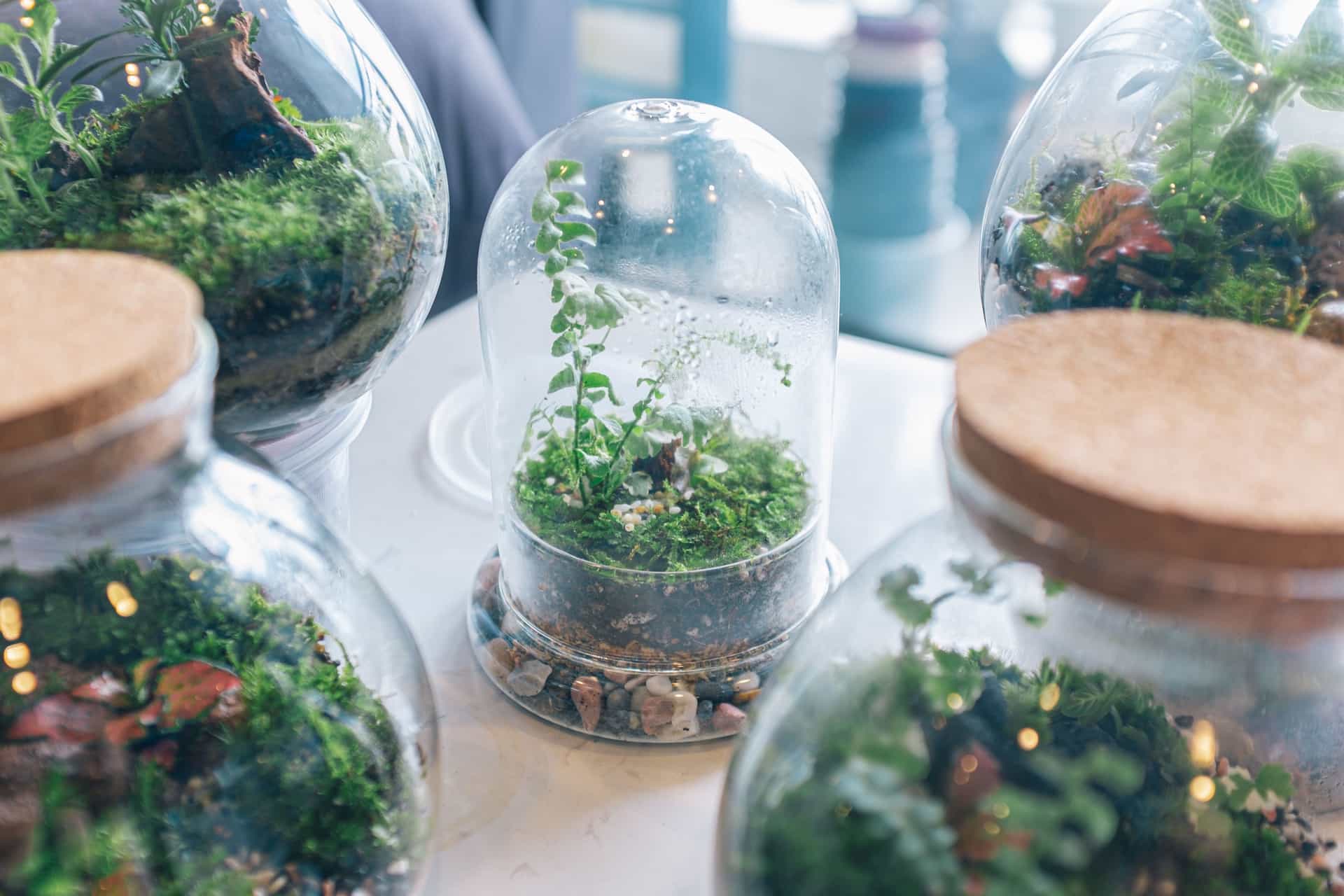
| 1 | Exo Terra Glass Terrarium 18 x 18 x 36 Buy first: the terrarium | An adult crested gecko at the published 18 x 18 x 36 in minimum | 5/6 | Check price on Amazon#ad We may earn a commission. Price and stock are resolved at Amazon. |
| 2 | 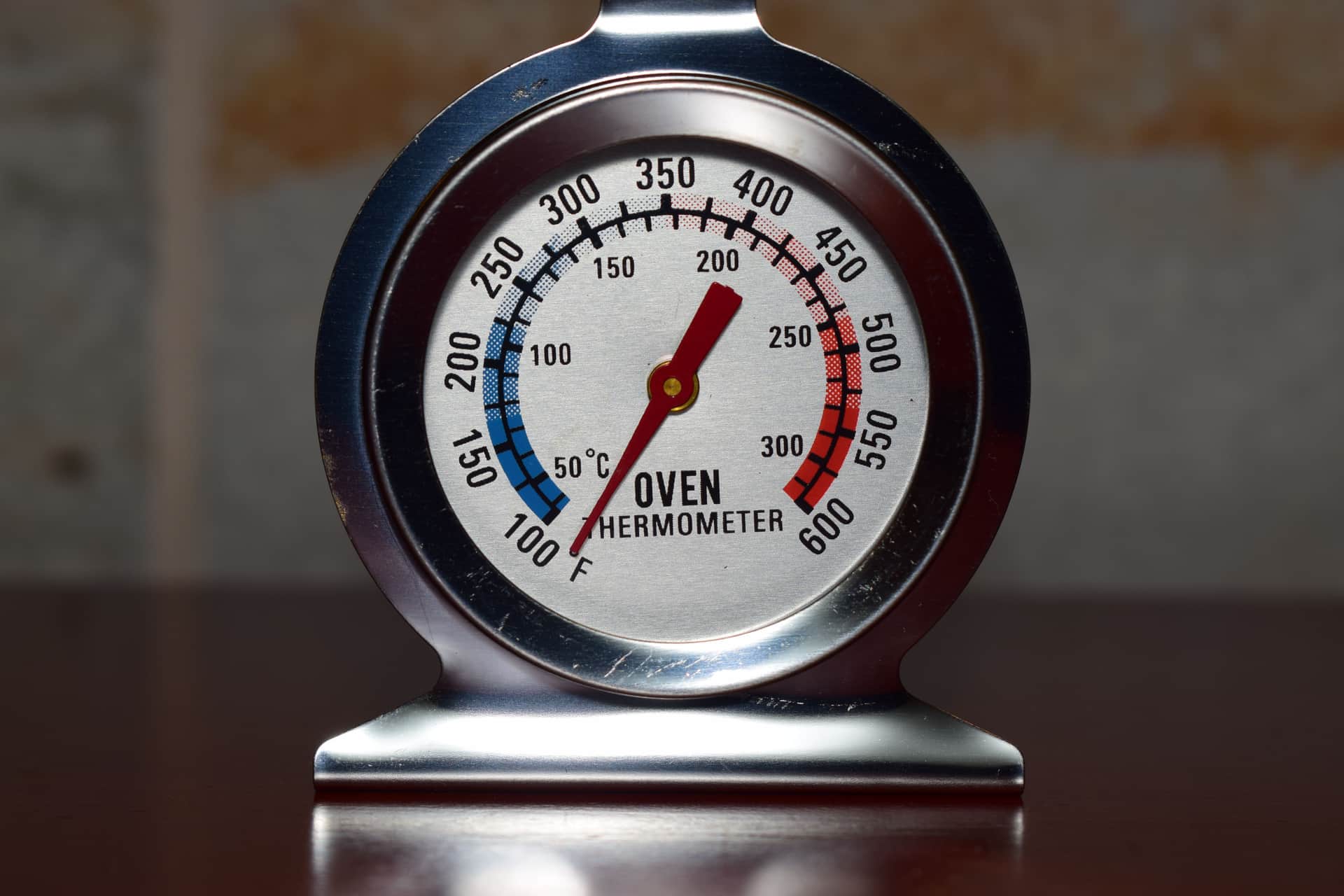 Zoo Med Digital Thermometer and Humidity Gauge Buy second: the instruments | Air temperature and humidity, measured where the animal is | 2/6 | Check price on Amazon#ad We may earn a commission. Price and stock are resolved at Amazon. |
| 3 | 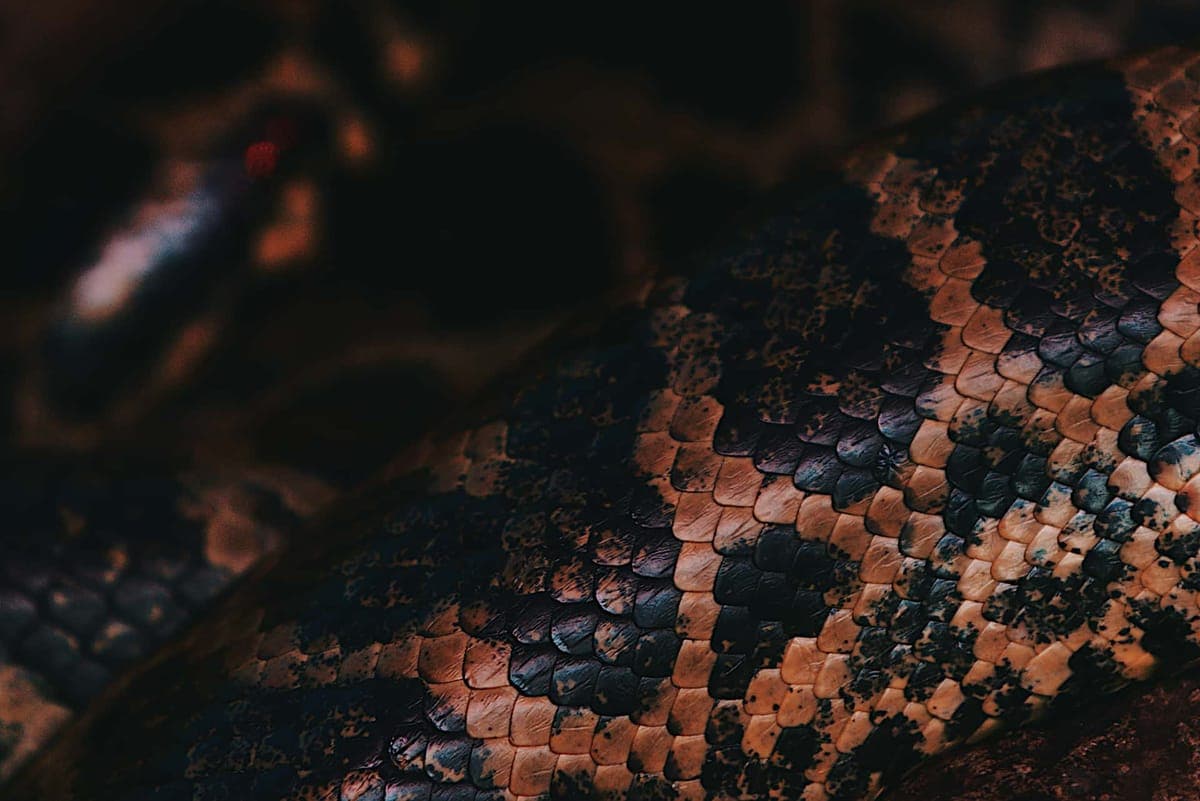 Coconut Husk / Cypress Mulch Humid Substrate Buy third: the substrate | Humidity-dependent species | 2/6 | Check price on Amazon#ad We may earn a commission. Price and stock are resolved at Amazon. |
| 4 | Sphagnum Moss Buy fourth: the top layer | Lining a humid hide | 2/6 | Check price on Amazon#ad We may earn a commission. Price and stock are resolved at Amazon. |
| 5 | 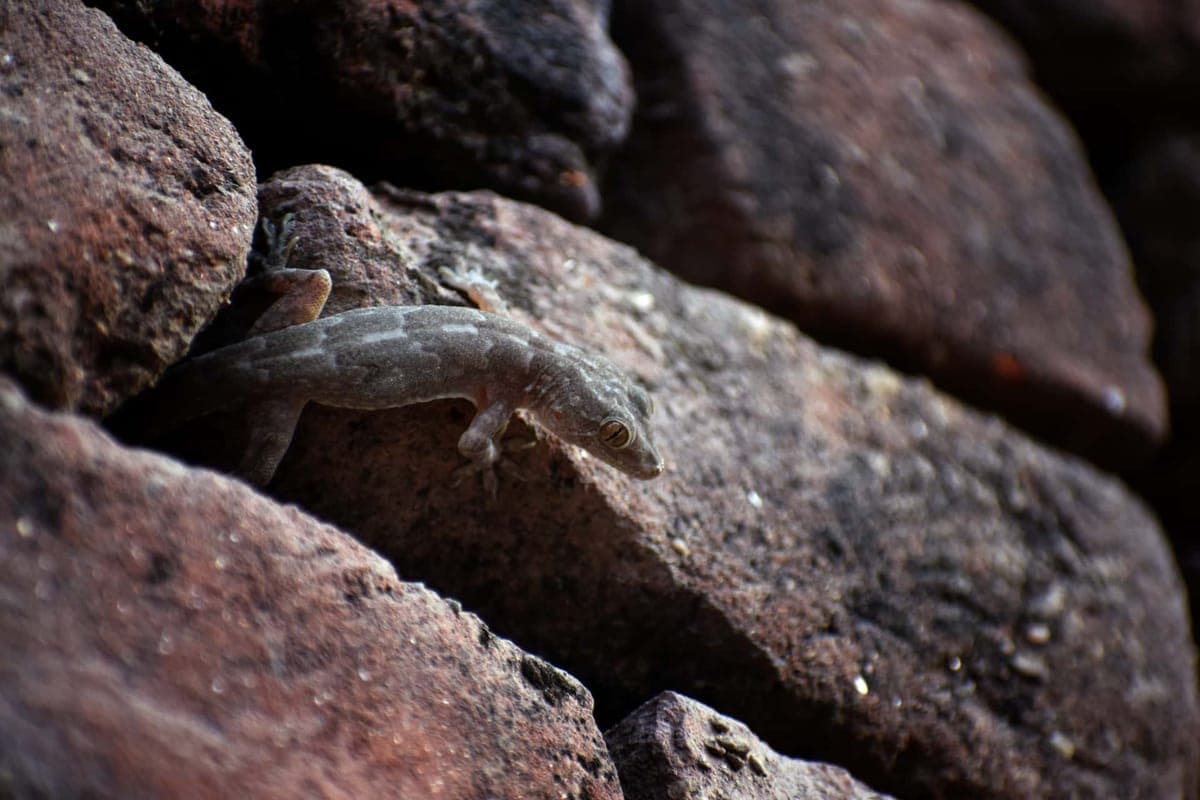 Arcadia ShadeDweller ProT5 Kit (7% UVB) Buy fifth: low-output UVB | Leopard geckos and crested geckos | 2/6 | Check price on Amazon#ad We may earn a commission. Price and stock are resolved at Amazon. |
| 6 | 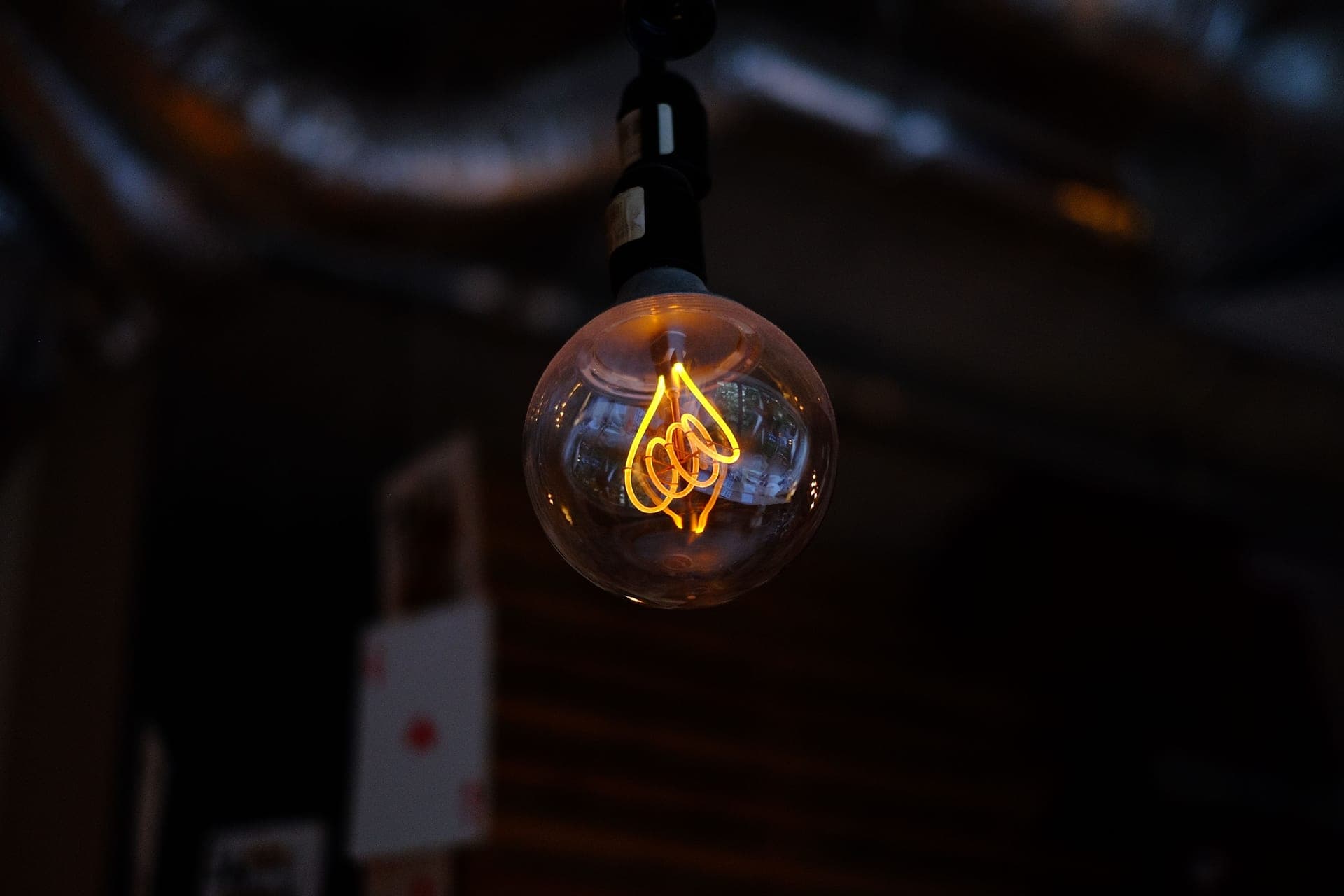 Exo Terra Intense Basking Spot Lamp Buy last, and only if you need it | Overhead basking heat on a thermostat | 1/6 | Check price on Amazon#ad We may earn a commission. Price and stock are resolved at Amazon. |
Why the thermometer comes second
Every other species on this site needs a heat source. A crested gecko may not. The published targets are 82-85 F (28-29 C) at the top of the enclosure at the top of the enclosure and 70-75 F (21-24 C) at the bottom at the bottom, and the guidance is explicit that sustained temperatures above 85 F can cause stress and heat stroke while sustained temperatures at or below 72 F cause lethargy, poor appetite and illness.
A typical indoor room sits inside that range for much of the year. So the correct sequence is to set the enclosure up, measure it over several days, and then decide - rather than buying a lamp on the assumption that reptiles need one.
The list
- Terrarium at 18 x 18 x 36 in, front-opening.
- Probe thermometer and hygrometer - placed at the top and the bottom.
- Drainage layer and substrate barrier, if you are going planted or bioactive.
- Moisture-retentive substrate.
- Moss and leaf litter top layer.
- Climbing structure - cork, branches, broad foliage. For an arboreal animal this is functional, not decorative.
- Low-output T5 UVB and fixture, on the seasonal photoperiod.
- A shallow water dish, plus misting for drinking droplets.
- Heat, only if the measurements say so - and then on a thermostat.
Climbing structure is not decor here
An empty tall tank is functionally a smaller enclosure than a well-furnished short one, because an arboreal animal uses the structure rather than the air. Cork tubes, branches at varying angles and broad-leaved foliage give the gecko routes and resting spots at different heights - which is also how it chooses its temperature, since the gradient in this enclosure is vertical.
Hatchlings are a special case
A hatchling under 12 g goes in a 12 x 12 x 12 in grow-out, so you can find it and track its weight. Two published accommodations follow: put a UVB lamp on a lamp stand rather than on top of the cage - a lamp directly on a tiny grow-out will likely expose the animal to dangerously high UV - and if you need supplementary heat, use a small heat pad on one side with a proportional thermostat and the probe between the pad and the wall, so the gecko is never exposed above 85 F. Turn both off at night.
What to avoid
- Buying a heat lamp before measuring the room.
- A wide short enclosure instead of a tall one.
- Colored night bulbs - crested gecko eyes work perfectly in the dark.
- A sealed enclosure chasing a constant humidity number.
- A UVB lamp sitting directly on a hatchling grow-out cage.
The picks in full
1. Buy first: the terrarium
Exo Terra Glass Terrarium 18 x 18 x 36
Exo Terra · An adult crested gecko at the published 18 x 18 x 36 in minimum
18 x 18 x 36 in matches the published adult minimum exactly. Front-opening, tall doors for planting, and a base frame that suits a drainage layer.
Specifications
- Footprint
- 18 x 18 x 36 in
- Material
- Glass, front-opening doors
- Top
- Full screen, lamp-compatible
- Drainage
- Raised bottom frame suits a drainage layer
How it scored against our criteria
| Meets the published adult footprintAt or above the cited minimum for the species it is sold for - 4.5 sq ft floor for a leopard gecko, about 8 sq ft for an adult ball python, 48 x 24 x 24 in or larger for a dragon, 18 x 18 x 36 in for a crested gecko | Meets |
|---|---|
| Front-opening accessDoors on the front, not a lift-off lid. Less startling for the animal and harder to escape from | Meets |
| Holds the species humidity rangeMaterial and lid design can hold the species target without constant intervention - 30-40% for a leopard gecko, 60-80% for a crested gecko | Partial |
| Takes a T5 fixture at a workable distanceMesh top or internal mounting that puts a T5 HO lamp at its published distance - about 11 in through mesh for an Arcadia Desert 12% | Meets |
| Supports a real thermal gradientLong enough that the cool end actually reaches the species cool-side figure while the basking surface holds its target | Meets |
| Materials we can account forManufacturer states the panel material, and any interior coating has a published temperature limit above the species basking surface temperature | Meets |
What works
- Dimensions match the published crested gecko adult minimum with nothing to convert
- Tall front doors make planting and rearranging easy
- Screen top takes a low-output T5 fixture without an internal mount
What to know
- The screen top loses humidity fast, so expect to cover part of it
- Glass at this height is heavy and needs a solid stand
Who should look elsewhere
A hatchling under 12 g should not go straight into this. Grow it out in a 12 x 12 x 12 in first so you can actually find it and monitor its weight.
2. Buy second: the instruments
Zoo Med Digital Thermometer and Humidity Gauge
Zoo Med · Air temperature and humidity, measured where the animal is
Second, not fifth. You need to know what your room does before you decide whether to add heat, because sustained temperatures above 85 F cause stress and heat stroke in this species. The care guidance names this specific class of device over cheap ribbon thermometers.
Specifications
- Measures
- Air temperature and relative humidity
- Probe
- Remote probe, placed in the zone you care about
- Named in
- Bearded dragon, crested gecko and leopard gecko guidance
How it scored against our criteria
| Meets the published adult footprintAt or above the cited minimum for the species it is sold for - 4.5 sq ft floor for a leopard gecko, about 8 sq ft for an adult ball python, 48 x 24 x 24 in or larger for a dragon, 18 x 18 x 36 in for a crested gecko | Not published |
|---|---|
| Front-opening accessDoors on the front, not a lift-off lid. Less startling for the animal and harder to escape from | Not published |
| Holds the species humidity rangeMaterial and lid design can hold the species target without constant intervention - 30-40% for a leopard gecko, 60-80% for a crested gecko | Meets |
| Takes a T5 fixture at a workable distanceMesh top or internal mounting that puts a T5 HO lamp at its published distance - about 11 in through mesh for an Arcadia Desert 12% | Not published |
| Supports a real thermal gradientLong enough that the cool end actually reaches the species cool-side figure while the basking surface holds its target | Meets |
| Materials we can account forManufacturer states the panel material, and any interior coating has a published temperature limit above the species basking surface temperature | Not published |
What works
- A probe reads the zone you place it in, not the air near the glass
- Covers temperature and humidity in one device
- Cheap enough to run one per enclosure zone
What to know
- Reads air, not surface - you still need an infrared gun for basking surface temperature
- Single probe means one zone at a time
Who should look elsewhere
To set a basking surface to 108-113 F you need a surface reading. An infrared temperature gun is the right tool for that, not this.
3. Buy third: the substrate
Coconut Husk / Cypress Mulch Humid Substrate
Various (Zoo Med Eco Earth, Forest Floor) · Humidity-dependent species
Moisture-retentive, because the substrate is half the humidity cycle. It has to hold moisture between mistings and dry back - constant saturation encourages mold and mildew that can make the gecko sick.
Specifications
- Type
- Coconut husk chip or cypress mulch
- Function
- Holds humidity, releases it slowly
- Depth
- Deep enough to burrow without sitting wet at the base
- Ventilation
- Needs airflow, or it becomes a scale rot risk
How it scored against our criteria
| Meets the published adult footprintAt or above the cited minimum for the species it is sold for - 4.5 sq ft floor for a leopard gecko, about 8 sq ft for an adult ball python, 48 x 24 x 24 in or larger for a dragon, 18 x 18 x 36 in for a crested gecko | Not published |
|---|---|
| Front-opening accessDoors on the front, not a lift-off lid. Less startling for the animal and harder to escape from | Not published |
| Holds the species humidity rangeMaterial and lid design can hold the species target without constant intervention - 30-40% for a leopard gecko, 60-80% for a crested gecko | Meets |
| Takes a T5 fixture at a workable distanceMesh top or internal mounting that puts a T5 HO lamp at its published distance - about 11 in through mesh for an Arcadia Desert 12% | Not published |
| Supports a real thermal gradientLong enough that the cool end actually reaches the species cool-side figure while the basking surface holds its target | Not published |
| Materials we can account forManufacturer states the panel material, and any interior coating has a published temperature limit above the species basking surface temperature | Meets |
What works
- Holds humidity across a day rather than for an hour
- Lets a snake burrow, which is natural behavior it is often denied
- Cheap per volume at the depth these species need
What to know
- Permanently wet substrate causes scale rot - this needs ventilation, not just moisture
- Mold appears fast if it never dries back
Who should look elsewhere
A leopard gecko wants 30-40% ambient humidity. Do not put a desert gecko on a substrate designed to hold water; give it a humid hide instead.
4. Buy fourth: the top layer
Sphagnum Moss
Various (Zoo Med, Galapagos) · Lining a humid hide
A moss top layer buffers the humidity swing and gives a planted build somewhere for a clean-up crew to live. Cheap, and it does real work in a tall enclosure where the floor dries fastest.
Specifications
- Use
- Humid hide lining, or a humidity-boosting top layer
- Leopard gecko humid hide target
- 70-80% inside the hide
- Placement
- Middle to cool end of the enclosure
How it scored against our criteria
| Meets the published adult footprintAt or above the cited minimum for the species it is sold for - 4.5 sq ft floor for a leopard gecko, about 8 sq ft for an adult ball python, 48 x 24 x 24 in or larger for a dragon, 18 x 18 x 36 in for a crested gecko | Not published |
|---|---|
| Front-opening accessDoors on the front, not a lift-off lid. Less startling for the animal and harder to escape from | Not published |
| Holds the species humidity rangeMaterial and lid design can hold the species target without constant intervention - 30-40% for a leopard gecko, 60-80% for a crested gecko | Meets |
| Takes a T5 fixture at a workable distanceMesh top or internal mounting that puts a T5 HO lamp at its published distance - about 11 in through mesh for an Arcadia Desert 12% | Not published |
| Supports a real thermal gradientLong enough that the cool end actually reaches the species cool-side figure while the basking surface holds its target | Not published |
| Materials we can account forManufacturer states the panel material, and any interior coating has a published temperature limit above the species basking surface temperature | Meets |
What works
- Holds water for days and releases it slowly
- Solves shedding problems without raising whole-enclosure humidity
- Cheap and reusable after rinsing
What to know
- Goes moldy if it is never allowed to dry or be replaced
- Long strands can be ingested if an animal is feeding over it
Who should look elsewhere
If your whole enclosure is already at the species humidity target, you do not need a moss-lined hide on top of it.
5. Buy fifth: low-output UVB
Arcadia ShadeDweller ProT5 Kit (7% UVB)
Arcadia Reptile · Leopard geckos and crested geckos
Not strictly required - a crested gecko can live on a quality prepared diet - and the published guidance recommends it anyway, at UVI 1.0-2.0 at the basking branch. A 12 inch ShadeDweller 7% sits 8 to 12 inches above the branch.
Specifications
- Output
- 7% UVB, T5 SO
- Leopard gecko (normal pigment)
- 10-18 in / 25-45 cm, about 30% mesh
- Crested gecko (12 in lamp)
- 8-12 in / 20-30 cm, about 35% mesh
- Replace
- Every 12 months
How it scored against our criteria
| Meets the published adult footprintAt or above the cited minimum for the species it is sold for - 4.5 sq ft floor for a leopard gecko, about 8 sq ft for an adult ball python, 48 x 24 x 24 in or larger for a dragon, 18 x 18 x 36 in for a crested gecko | Not published |
|---|---|
| Front-opening accessDoors on the front, not a lift-off lid. Less startling for the animal and harder to escape from | Not published |
| Holds the species humidity rangeMaterial and lid design can hold the species target without constant intervention - 30-40% for a leopard gecko, 60-80% for a crested gecko | Not published |
| Takes a T5 fixture at a workable distanceMesh top or internal mounting that puts a T5 HO lamp at its published distance - about 11 in through mesh for an Arcadia Desert 12% | Meets |
| Supports a real thermal gradientLong enough that the cool end actually reaches the species cool-side figure while the basking surface holds its target | Meets |
| Materials we can account forManufacturer states the panel material, and any interior coating has a published temperature limit above the species basking surface temperature | Not published |
What works
- Purpose-built for Zone 1 targets instead of a de-rated desert lamp
- Sold as a kit, so the fixture and lamp are already matched
- Published distances for both normal and reduced-pigment morphs
What to know
- Short tube lengths only, so it lights a zone rather than the whole enclosure
- Still needs a meter if you keep an albino
Who should look elsewhere
For an albino or patternless leopard gecko the ceiling drops to UVI 0.5-0.7. Use the ShadeDweller Max 2.5% at the published distance instead of this 7%.
6. Buy last, and only if you need it
Exo Terra Intense Basking Spot Lamp
Exo Terra · Overhead basking heat on a thermostat
The published guidance suggests starting with a 50 W intense basking spot in a 5.5 inch dome if you need a basking area at all - and in many homes you do not. Buy it after you have measured the room, not before, and always on a thermostat.
Specifications
- Type
- Halogen spot (incandescent)
- Infrared
- Produces Infrared-A, the deeply penetrating band
- Control
- Must run on a dimming or pulse thermostat
- Common use
- A 50 W in a 5.5 in dome for a crested gecko basking area
How it scored against our criteria
| Meets the published adult footprintAt or above the cited minimum for the species it is sold for - 4.5 sq ft floor for a leopard gecko, about 8 sq ft for an adult ball python, 48 x 24 x 24 in or larger for a dragon, 18 x 18 x 36 in for a crested gecko | Not published |
|---|---|
| Front-opening accessDoors on the front, not a lift-off lid. Less startling for the animal and harder to escape from | Not published |
| Holds the species humidity rangeMaterial and lid design can hold the species target without constant intervention - 30-40% for a leopard gecko, 60-80% for a crested gecko | Not published |
| Takes a T5 fixture at a workable distanceMesh top or internal mounting that puts a T5 HO lamp at its published distance - about 11 in through mesh for an Arcadia Desert 12% | Meets |
| Supports a real thermal gradientLong enough that the cool end actually reaches the species cool-side figure while the basking surface holds its target | Partial |
| Materials we can account forManufacturer states the panel material, and any interior coating has a published temperature limit above the species basking surface temperature | Not published |
What works
- Halogen is the heat type current husbandry references prefer for basking
- Cheap enough to keep a spare, which you should
- Works in a standard dome fixture
What to know
- Emits visible light, so it cannot be used at night
- A single spot may be too small a basking area for a coiled snake
Who should look elsewhere
For night heat in a cold room, a halogen is the wrong tool - it lights the enclosure. Use a ceramic heat emitter in a guarded fixture instead.
Frequently asked questions
What do you need for a crested gecko setup?
An 18 x 18 x 36 in terrarium, probe thermometer and hygrometer, a moisture-retentive substrate with a moss top layer, plenty of climbing structure, low-output UVB, and a water dish. Heat only if your room measurements show you need it.
Do crested geckos need a heat lamp?
Often not. The targets are 82-85 F at the top and 70-75 F at the bottom, and many homes sit inside that range. Measure before buying, because sustained temperatures above 85 F cause stress and heat stroke.
Are crested gecko starter kits worth buying?
The enclosure in a kit is often the wrong shape - wide and short rather than tall - and kits frequently include a heat source you may not need. Buying the terrarium and instruments separately is usually better.
Sources
- Crested Gecko Terrarium Size & Cohabitation Notes — ReptiFiles
- Crested Gecko Temperatures & Humidity — ReptiFiles
- Crested Gecko Substrate Options — ReptiFiles
Read next
Hub
Crested gecko terrariums, humidity and substrate
Arboreal, so height is the constraint. And the number most new keepers miss is the ceiling: sustained temperatures above 85 F cause heat stress.
Crested gecko
Crested gecko enclosure requirements checklist
The full crested gecko setup checklist, with the figure and verification for each.
Crested gecko
Crested gecko temperature and humidity
The crested gecko temperature limits and the humidity cycle, with both failure modes.

Crested gecko
Crested gecko setup cost, line by line
Crested gecko setup line items in order, and why heat may be skippable.
Guides
9 beginner reptile setup mistakes that cost the most
The nine setup mistakes that cost beginners the most, and what to buy instead in what order.
Crested gecko
Crested gecko enclosure ideas
Crested gecko decor organized by function, starting with climbing routes at height.