Guides
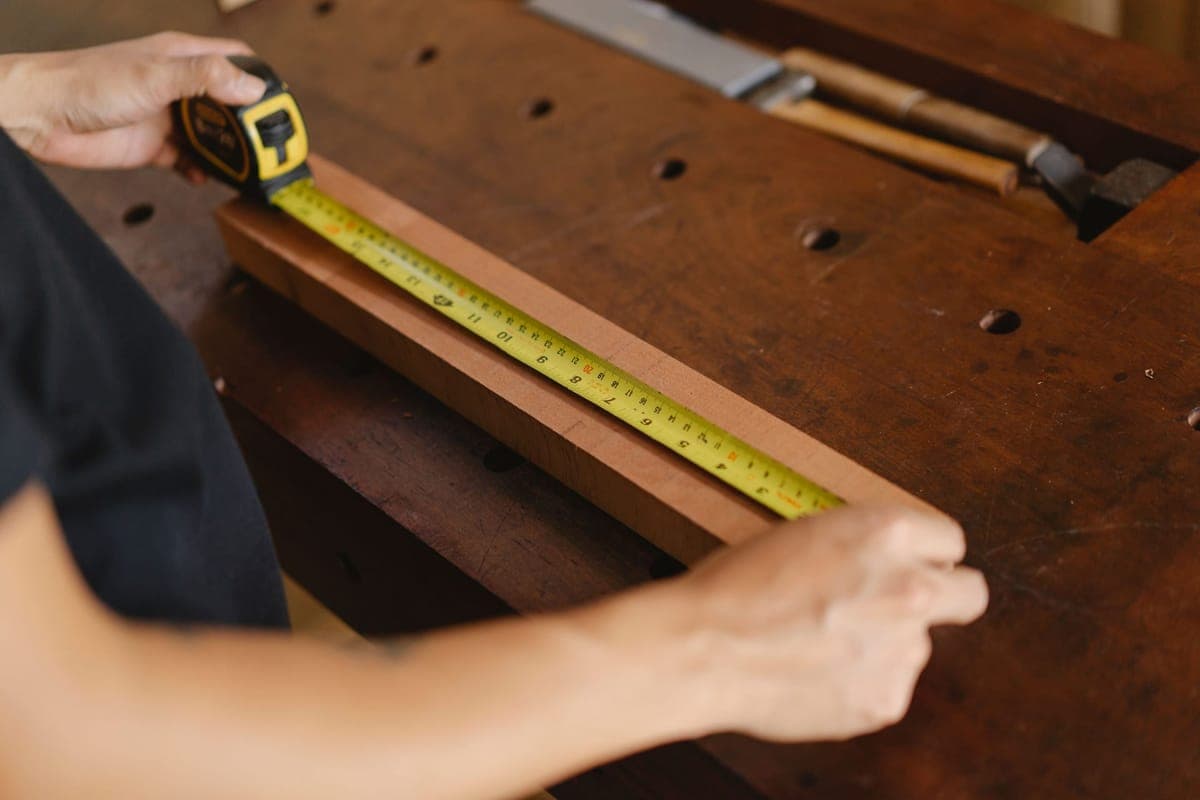
Reptile enclosure size chart
Minimum footprints by species and life stage, with the source for every figure and a note on where the sources disagree.
By Brijon M.Last updated
Published adult minimums: bearded dragon 48 x 24 x 24 in as the floor and 72 x 24 x 24 in (24 cubic feet) as the current target; leopard gecko 36 x 18 x 18 in with 4.5 sq ft of floor; ball python 48 x 24 x 24 in and at least as long as the snake; crested gecko 18 x 18 x 36 in.
Shed & Bask earns a commission from qualifying Amazon purchases made through links on this page. It does not change what we recommend or the order we rank things in. Read the full disclosure.
The chart
| Species | Life stage | Minimum dimensions | Constraint |
|---|---|---|---|
| Bearded dragon | Hatchling (under 10 in) | 36 x 18 x 18 in as a grow-out, moved up early | Floor area and height |
| Bearded dragon | Juvenile (10-16 in) | 48 x 24 x 24 in | Floor area and height |
| Bearded dragon | Small adult (up to about 18 in total length) | 48 x 24 x 24 in is acceptable | Floor area and height |
| Bearded dragon | Adult (19-23 in average total length) | 72 x 24 x 24 in, or 24 cubic feet | Floor area and height |
| Leopard gecko | Hatchling | Grow-out tub or 20-gallon long, upgraded within months | Floor area (4.5 sq ft adult) |
| Leopard gecko | Juvenile | 36 x 18 x 18 in works from the start | Floor area (4.5 sq ft adult) |
| Leopard gecko | Adult | 36 x 18 x 18 in minimum, 4.5 sq ft floor space | Floor area (4.5 sq ft adult) |
| Ball python | Hatchling (up to 300 g) | 10-gallon or tub, about 20 x 11 x 13 in (50 x 28 x 33 cm) | Floor area, and length >= snake length |
| Ball python | Juvenile (under 3 ft) | 36 x 18 x 18 in (90 x 45 x 45 cm) or larger | Floor area, and length >= snake length |
| Ball python | Subadult and adult (over 3 ft) | 48 x 24 x 24 in (120 x 60 x 60 cm) or larger | Floor area, and length >= snake length |
| Crested gecko | Hatchling (under 12 g) | 12 x 12 x 12 in grow-out | Height (arboreal) |
| Crested gecko | Juvenile and adult (over 12 g) | 18 x 18 x 36 in | Height (arboreal) |
How to read it
Every figure is length x width x height. Where a gallon equivalent appears it is a conversion, not a specification - 48 x 24 x 24 in is commonly called 120 gallons, and the gallon number is the least useful of the three dimensions because it hides the floor area. Two 20-gallon tanks, one tall and one long, are not interchangeable for a terrestrial lizard.
The constraint column is the part most size charts leave out and the part that actually transfers to a species we do not cover. Terrestrial animals are constrained by floor area. Arboreal animals are constrained by height. Snakes are constrained by both floor area and absolute length, because a snake that cannot stretch out is permanently semi-coiled.
Where the sources disagree, and why
The bearded dragon row has an open disagreement in it, and naming that is more useful than picking silently. ReptiFiles currently sets the adult minimum at 6 x 2 x 2 ft or 24 cubic feet, derived from a rule of roughly three times the animal's total length and 24 inches of height, with an average adult total length of 19-23 in. The same page documents the standard being raised repeatedly - 36 x 18 x 18 in, then 48 x 18 x 21 in, then 48 x 24 x 24 in - and describes the current figure as a deliberate attempt to push US keepers further without, in its own words, shocking the system. It also accepts 4x2x2 for individuals that stay under about 18 inches.
Meanwhile the US retail market sells 4x2x2 as the adult bearded dragon enclosure, and plenty of experienced keepers run it. We are not going to pretend that consensus exists where it does not. Our working position: treat 48 x 24 x 24 in as a hard floor, treat 72 x 24 x 24 in as the target for a full-size adult, and treat anything below 4x2x2 as a standard that has already been abandoned twice.
What happens if you undersize
The consequences are species-specific and they are not merely aesthetic. For a bearded dragon the cited reasoning is thermoregulation and exercise: a short enclosure cannot hold a basking surface at 108-113 F (42-45 C) surface temperature at one end and a cool side at 77-85 F (25-29 C) surface, 72-99 F (22-37 C) air gradient at the other, so the animal has no gradient to use. For a ball python the published guidance is blunter still - keeping adults in undersized enclosures is described as a welfare violation that produces overweight snakes with poor muscle tone and no enrichment. For a crested gecko, a short enclosure removes the vertical dimension the animal actually lives in.
Then buy against the chart
Once you have the number, the enclosure choice is a shortlist rather than an open question. Our enclosure roundup ranks against exactly these figures, and the per-species sizing pages go deeper: bearded dragon, leopard gecko, ball python, crested gecko.
Hits the leopard gecko minimum
REPTI ZOO Front-Opening Glass Terrarium
36 x 18 x 18 in is 4.5 sq ft of floor exactly - the published adult figure, and nearly double what a 20-gallon long provides.
Hits the crested gecko minimum
Exo Terra Glass Terrarium 18 x 18 x 36
18 x 18 x 36 in matches the published adult figure with nothing to convert.
Frequently asked questions
What size tank does a bearded dragon need?
48 x 24 x 24 in is the floor. The current published minimum from ReptiFiles is larger - 6 x 2 x 2 ft, or 24 cubic feet of internal volume - with 4x2x2 accepted for individuals that stay under about 18 inches total length.
How big should a leopard gecko enclosure be?
36 x 18 x 18 in with at least 4.5 sq ft of floor space. Floor space is the binding figure because leopard geckos are ground-dwelling, which is why a 20-gallon long - about 2.5 sq ft - falls short even though it is still sold as a complete adult setup.
How long should a ball python enclosure be?
At least as long as the snake. A 5 ft python needs a 5 ft enclosure. For a typical adult that means 48 x 24 x 24 in (120 x 60 x 60 cm), about 8 sq ft of floor area, with about 8 sq ft of floor area and at least 2 ft of vertical space.
Does a crested gecko need a tall tank?
Yes. Crested geckos are arboreal and the published adult minimum is 18 x 18 x 36 in for juveniles and adults over 12 g - height is the constraint, which is the reverse of the leopard gecko. Hatchlings under 12 g go in a 12 x 12 x 12 in grow-out first.
Sources
- Bearded Dragon Terrarium Size Requirements — ReptiFiles
- Leopard Gecko Terrarium Size & Lighting Requirements — ReptiFiles
- Ball Python Terrarium Size & Lighting — ReptiFiles
- Crested Gecko Terrarium Size & Cohabitation Notes — ReptiFiles
Read next
Hub
Reptile enclosure guides and comparisons
The cross-species decisions: what material to buy, how big it has to be, whether to build it yourself, and which beginner mistakes are expensive.
Guides
7 best reptile enclosures (2026), judged against published footprint minimums
Enclosures ranked against the published adult minimum for each species, not against gallon ratings.
Bearded dragon
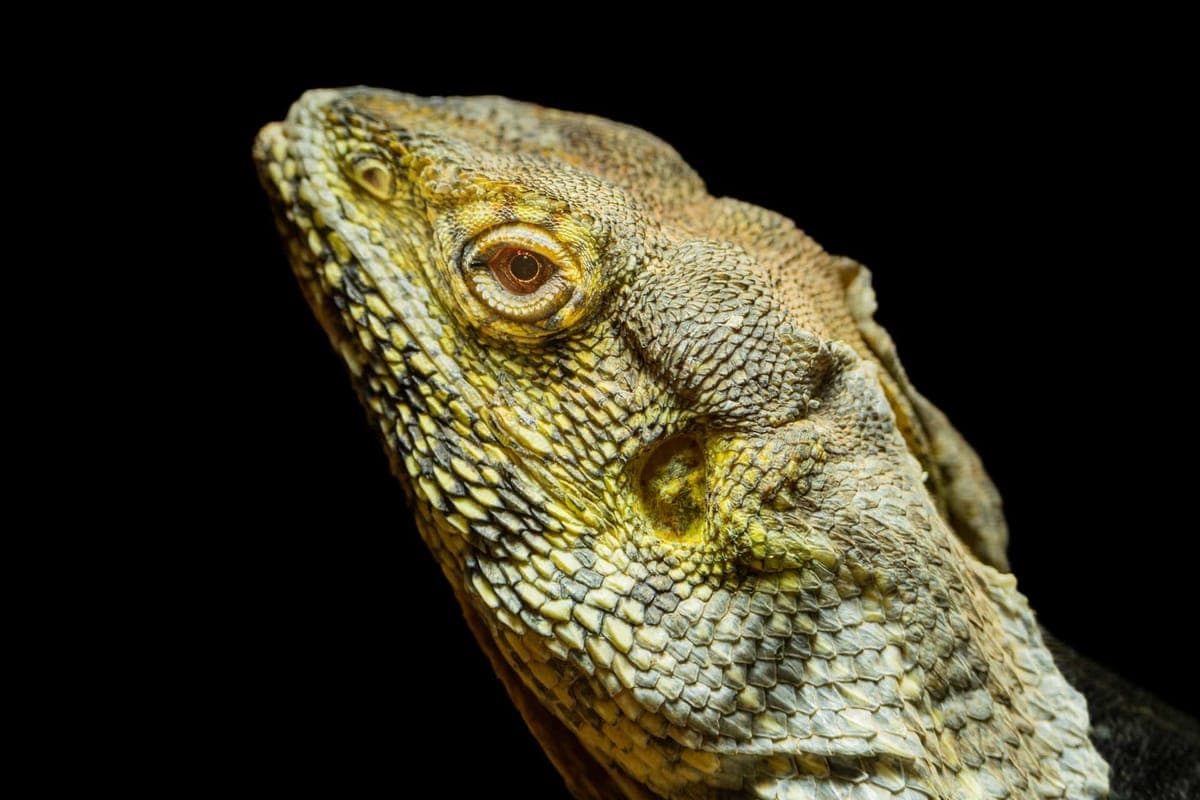
Bearded dragon tank size chart
Bearded dragon tank sizes by life stage, with the source disagreement named.
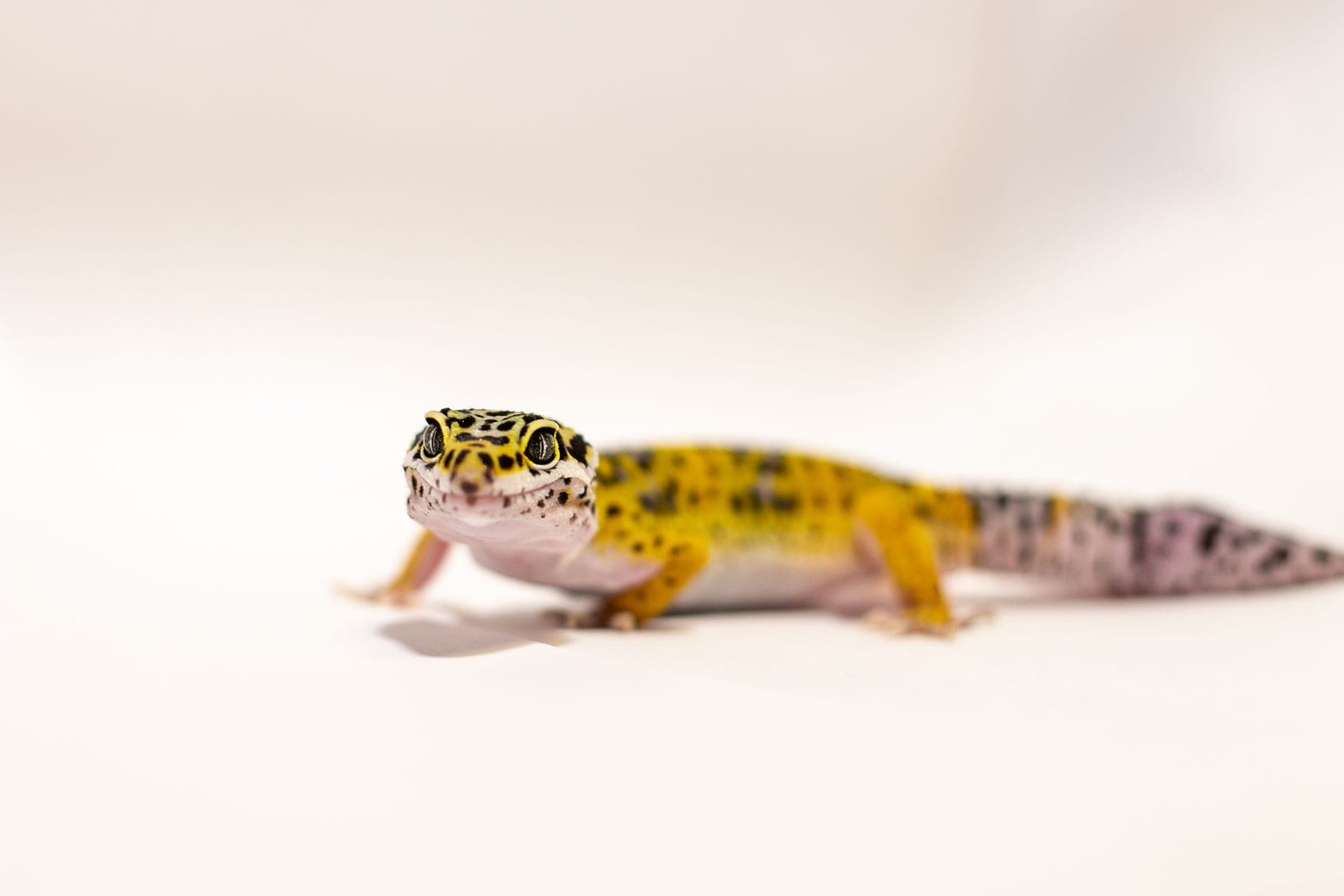
Leopard gecko
Leopard gecko tank size
Leopard gecko tank sizes by life stage, in floor area rather than gallons.
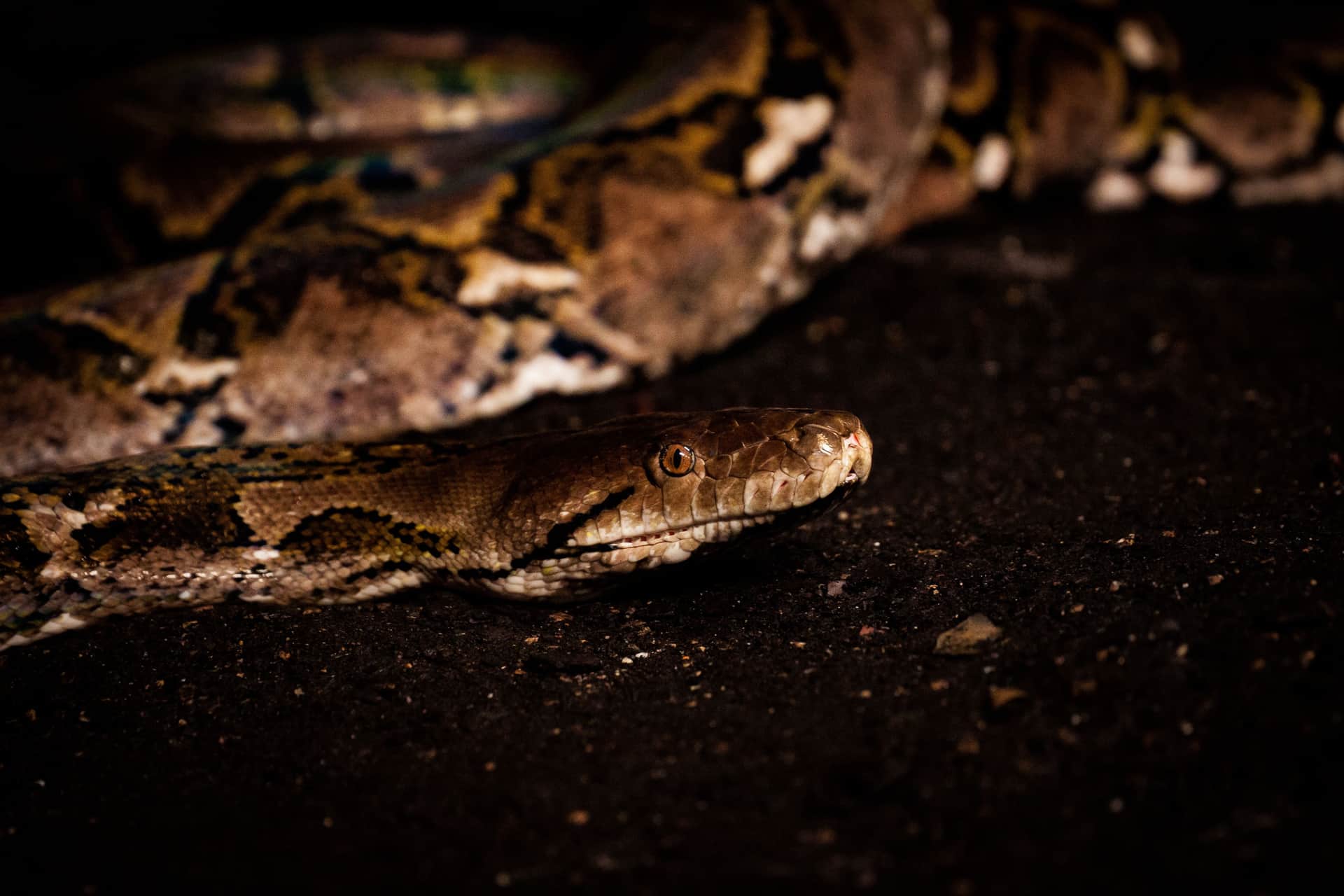
Ball python
Ball python enclosure size
Ball python enclosure minimums by snake size, with the as-long-as-the-snake rule.
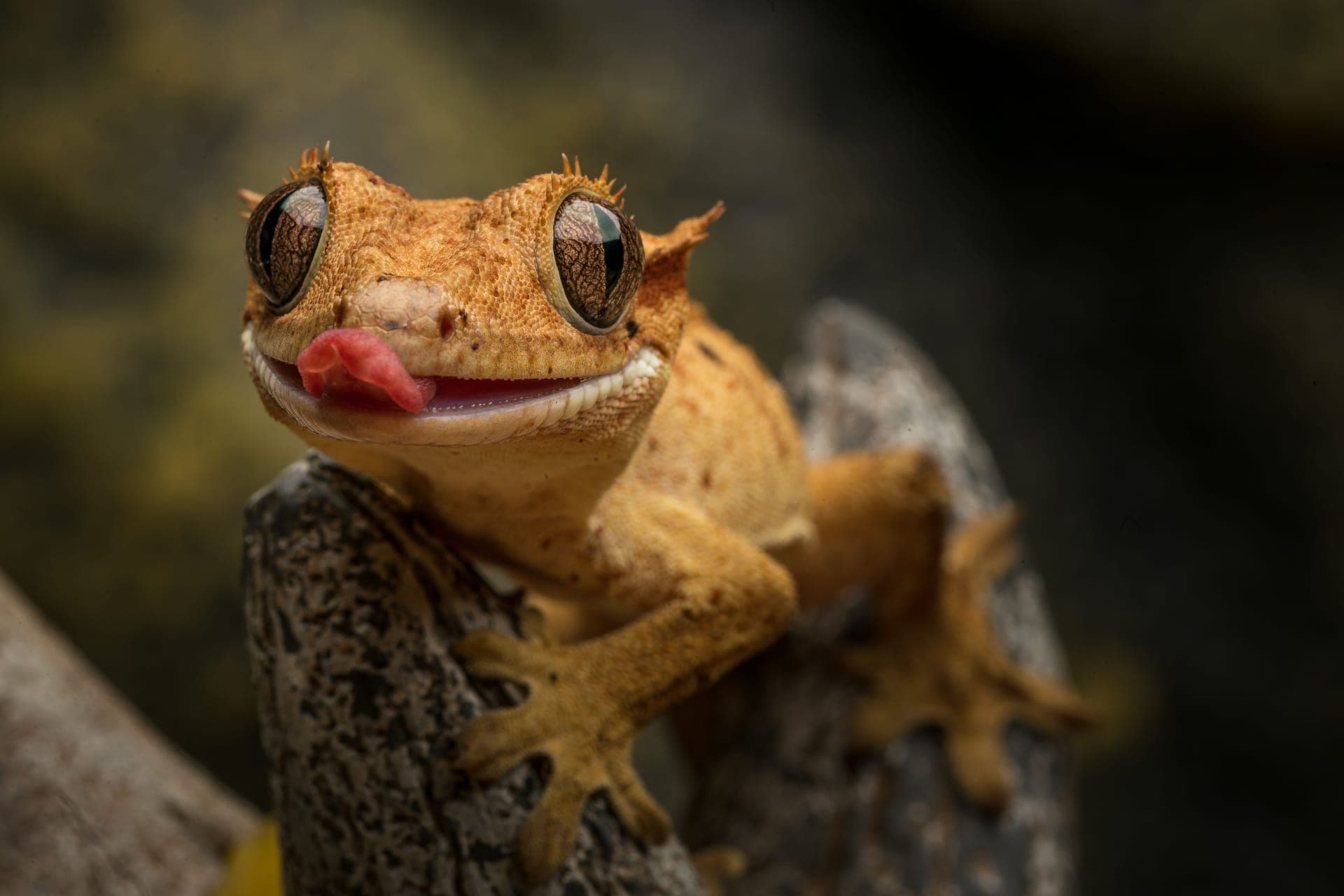
Crested gecko
Crested gecko enclosure size
Crested gecko enclosure minimums by weight, and why height is the constraint.