Substrate & safety
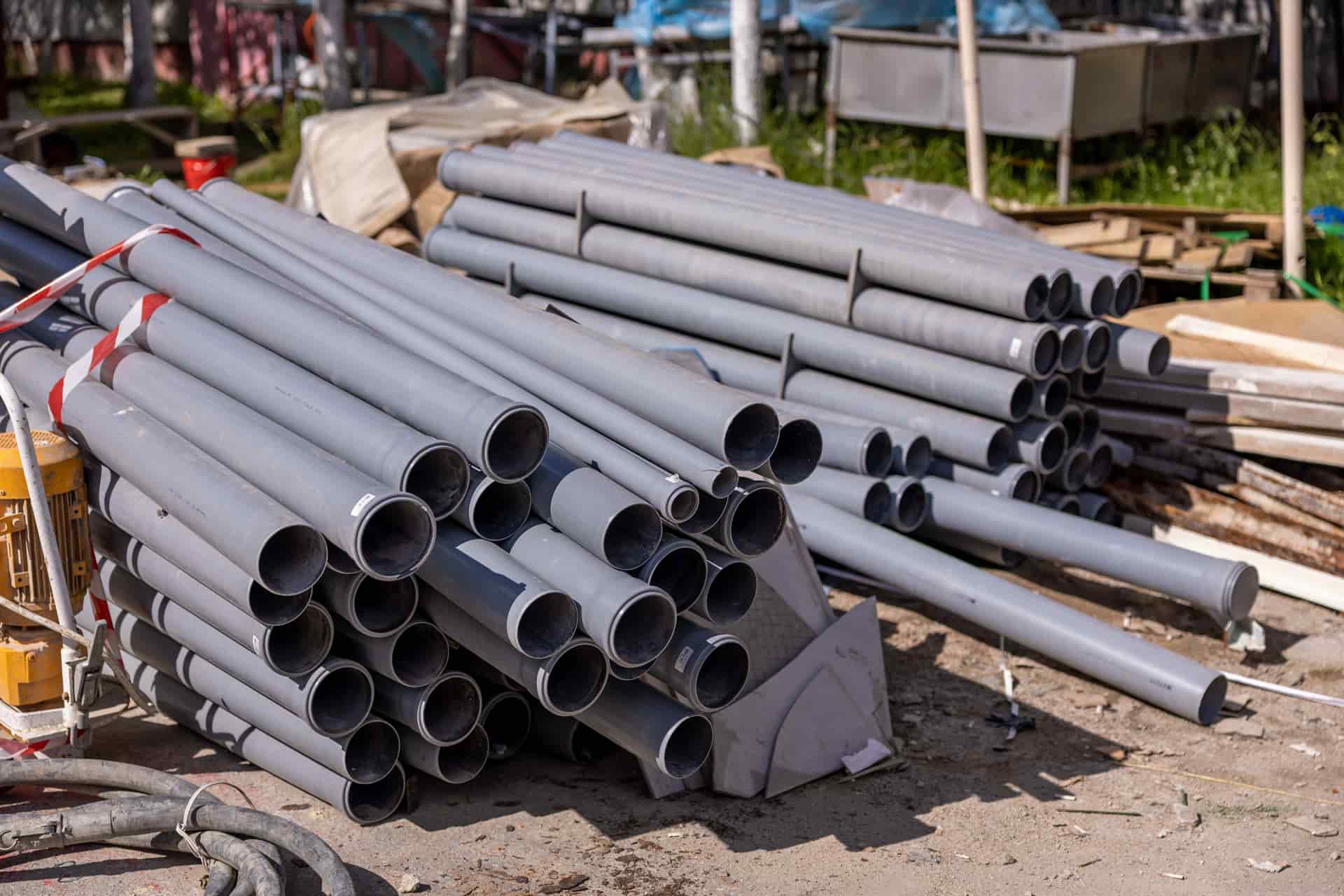
Is PVC safe for reptiles? Enclosure material safety
The panel is rarely the problem. What you add to it - sealant, foam, paint, adhesive - is where the material-safety question actually lives.
By Brijon M.Last updated
Rigid PVC panel is the mainstream commercial enclosure material and is stable at correctly controlled enclosure temperatures. The real material questions are the things added to it: the sealant, the background foam, the paint and the adhesive, each of which needs a named safety basis, a published full cure time, and a service temperature above your basking surface.
Shed & Bask earns a commission from qualifying Amazon purchases made through links on this page. It does not change what we recommend or the order we rank things in. Read the full disclosure.
How we picked
Every pick below is scored against these thresholds, stated as numbers. Publishing them is the point: of the competitor roundups we surveyed, not one published a numeric selection threshold.
The safety claim names a standard or a technical statement
A cited certification, test or manufacturer technical statement - not the word non-toxic on a label
Source: U.S. Environmental Protection Agency - Volatile Organic Compounds' Impact on Indoor Air Quality
Published temperature limit above the basking surface
A stated service temperature that clears the species basking figure - 108-113 F for a bearded dragon
Source: ReptiFiles - Bearded Dragon Temperatures & UVB Requirements
Published full cure time
A full cure figure, not a dry-to-touch time, with the animal kept out until it completes
Source: Pond Armor - Pond Shield Non-Toxic Epoxy product information
No antimicrobial or mildewcide additive
No fungicide, mildewcide or added biocide of any kind in the formulation
These are the same criteria every roundup on this site applies. See the full methodology.
Why this question gets a vague answer everywhere else
Search "is PVC safe for reptiles" and you get reassurance without evidence, or alarm without evidence. We would rather set out what can actually be established and where the gaps are, because this is the cluster the rest of the hobby does not own.
The panel materials
| Material | Behavior in an enclosure | The question to ask |
|---|---|---|
| Rigid / expanded PVC | Stable, opaque, humidity-retentive, insulating | What is the interior coating, if any, and what is its temperature limit |
| ABS | As PVC, with better impact resistance | Same - the additives, not the panel |
| HDPE | Very chemical-resistant, hard to bond or paint | If a background is bonded to it, what adhesive was used |
| Glass | Inert | None from the panel. The silicone in the seams is the variable |
| Plywood / melamine | Absorbent unless sealed | Everything: adhesive, sealant, finish, cure time |
What a non-toxic claim has to mean before we use it
"Non-toxic" on a label is a marketing phrase unless something stands behind it. On this site a material clears the bar only when we can state three things:
- What the claim is measured against. A named certification, a test standard, or a manufacturer technical statement. Relevant examples in this category include ASTM D4236 for labeling of art materials for chronic health hazards, the CPSC's lead-in-paint rule under 16 CFR Part 1303, and emissions certifications such as UL GREENGUARD Gold.
- The full cure time, not the dry-to-touch time. Volatile organic compounds continue to off-gas after a surface feels dry, and the EPA describes elevated indoor VOC concentrations during and after activities that use these products.
- The service temperature. A coating with no published upper limit, sitting directly under a basking surface at 108-113 F (42-45 C) surface temperature, is an unknown in the one place you would least want one.
The things people add, in order of risk
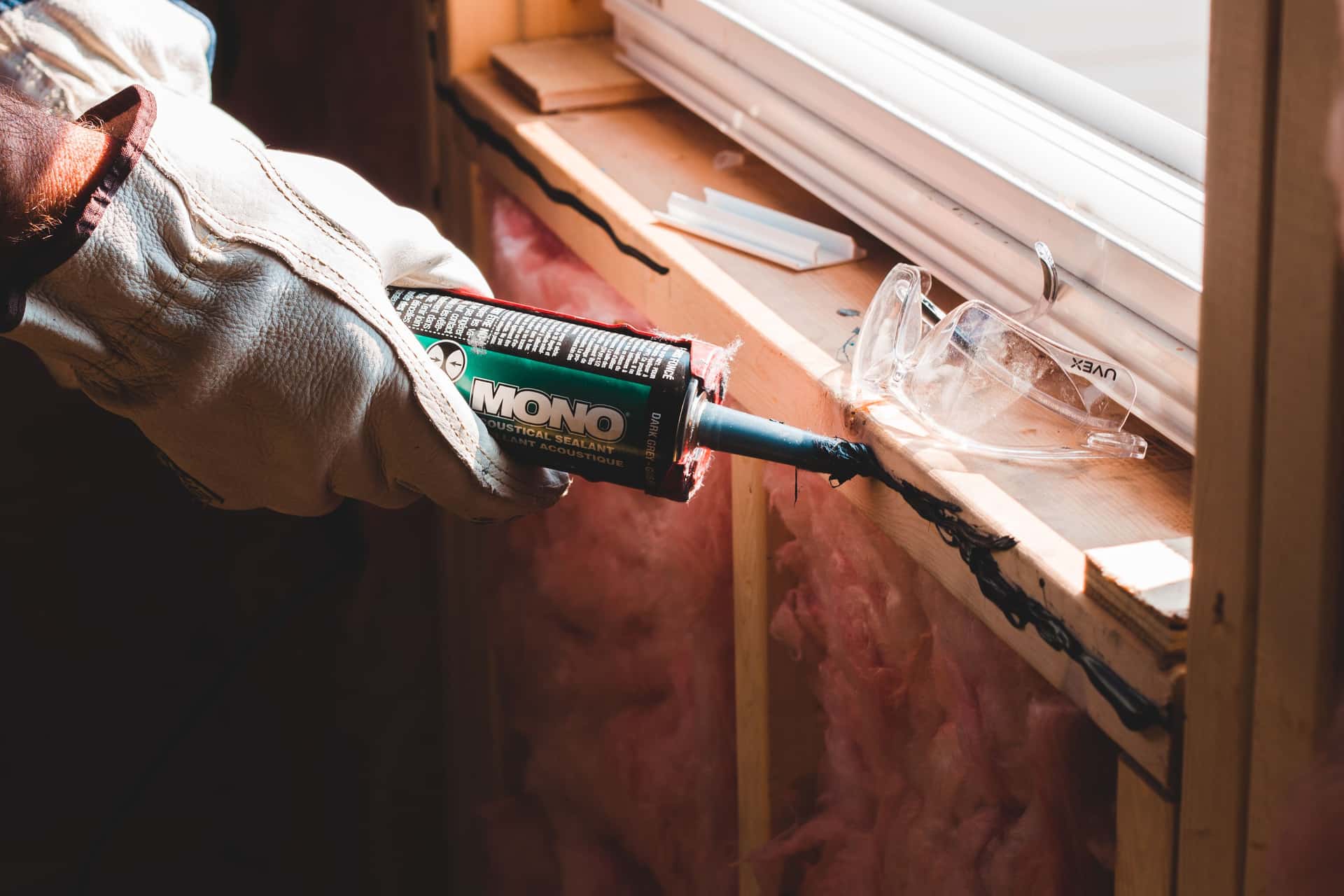
- Sealant. The most common error in the whole category: using a kitchen or bathroom silicone that contains a mildewcide. Full guide.
- Expanding foam backgrounds. Must be fully cured and then fully sealed and coated, because the foam itself is not the finished surface.
- Paint and finish. Full guide.
- Adhesive. Full guide.
- Pressure-treated or aromatic timber. Avoid for interiors. Cedar and pine are aromatic softwoods and are not interior enclosure materials.
The practical answer for most keepers
A commercial PVC enclosure from a manufacturer that states its panel material has already answered these questions for you. The material question becomes live the moment you start adding things - a background, a coating, a custom build. That is not an argument against building; it is an argument for naming your materials and checking their published data before they go in.
The no-questions-asked route
Zen Habitats 4x2x2 PVC Reptile Enclosure
A commercial PVC enclosure with a stated panel material. Nothing for you to specify, cure or verify.
If you are sealing seams
100% RTV Silicone Sealant (aquarium grade)
100% RTV silicone with no mildewcide, cured out until the acetic acid smell has gone entirely.
If you are coating a wooden interior
Pond Armor Pond Shield Non-Toxic Epoxy
Stated non-toxic once cured, published service range -78 F to 140 F, full cure up to 7 days. We could not find an NSF/ANSI 61 certification, so the claim is the manufacturer's own.
Frequently asked questions
Is PVC safe for reptiles?
Rigid PVC panel is the mainstream commercial enclosure material and is stable at correctly controlled enclosure temperatures. The questions worth asking are about what is added to it - sealants, coatings, adhesives and backgrounds.
What does reptile-safe actually mean?
On this site, three things: the safety claim names a standard or a manufacturer technical statement, the product has a published full cure time, and its service temperature exceeds the species basking surface figure. Anything short of that is an unverified claim.
Is ABS safer than PVC for an enclosure?
Not meaningfully. For enclosure purposes they behave as one material class; ABS has better impact resistance. Neither is a safety upgrade over the other, and we are not going to invent a ranking the evidence does not support.
Can you use plywood for a reptile enclosure?
Yes, sealed. The wood is not the risk; the adhesive, sealant and finish are, and each needs a named safety basis and a full cure before the animal goes in.
Sources
- Volatile Organic Compounds' Impact on Indoor Air Quality — U.S. Environmental Protection Agency
- UL GREENGUARD Gold Certification — chemical emissions criteria — UL Solutions
- ASTM D4236 — Standard Practice for Labeling Art Materials for Chronic Health Hazards — ASTM International
- 16 CFR Part 1303 — Ban of Lead-Containing Paint — U.S. Consumer Product Safety Commission
- Pond Shield Non-Toxic Epoxy product information — Pond Armor
- Bearded Dragon Temperatures & UVB Requirements — ReptiFiles
Read next
Hub
Reptile substrate and enclosure material safety
What the enclosure is made of, sealed with and floored with. This is the part of reptile keeping with the most confident advice and the least cited evidence.
Substrate & safety
Non-toxic sealant for a reptile enclosure
Which sealants to use, the mildewcide rule, and the cure times that have to be respected.

Substrate & safety
Non-toxic paint for a reptile enclosure
How to choose an interior paint: low-VOC water-based, named standards, full cure and a heat check.

Substrate & safety
Non-toxic glue for a reptile enclosure
Which adhesives to use for wood, backgrounds and seams, and which to avoid.
Guides
PVC vs glass vs wood reptile enclosures
Material comparison on weight, humidity, heat behavior and off-gassing, with a per-species verdict.
Guides
Best PVC reptile enclosures (2026)
PVC enclosures ranked on footprint, humidity retention and whether the panel material is disclosed.