Ball python
Ball python: heat mat or heat lamp?
Overhead halogen for daytime heat. The reason is the infrared band, not tradition - and there is still a job a mat does well.
By Brijon M.Last updated
Overhead halogen for daytime heat, because incandescent sources produce the most Infrared-A, the band that penetrates tissue. A thermostatted mat can still serve as a supplementary belly-heat source, and a lightless emitter is the correct night option if the room falls below 70-78 F (21-26 C).
Shed & Bask earns a commission from qualifying Amazon purchases made through links on this page. It does not change what we recommend or the order we rank things in. Read the full disclosure.
How we picked
Every pick below is scored against these thresholds, stated as numbers. Publishing them is the point: of the competitor roundups we surveyed, not one published a numeric selection threshold.
Right infrared band for the job
Halogen for daytime basking (produces Infrared-A); lightless ceramic or radiant panel for night and ambient only
Source: ReptiFiles - Ball Python Humidity & Temperature Requirements
Thermostat-controllable
Works on the correct controller type - dimming or pulse for a light-emitting lamp, on/off acceptable only for a lightless source
Source: ReptiFiles - Ball Python Humidity & Temperature Requirements
Reaches the species basking surface figure
108-113 F surface for a bearded dragon, 94-97 F for a leopard gecko, 86-90 F warm hide for a ball python
Source: ReptiFiles - Bearded Dragon Temperatures & UVB Requirements
Can be guarded
Fits a fixture with a cage guard, so an animal that can reach it cannot contact it
Source: National Fire Protection Association - Heating equipment and home fire safety
Heats a zone, not a point
Covers enough area for the animal's whole body - a single spot is too small for a coiled adult snake in a 48 in enclosure
Source: ReptiFiles - Ball Python Humidity & Temperature Requirements
These are the same criteria every roundup on this site applies. See the full methodology.
Quick picks
Every row is scored against the published criteria below. Tap a row to read the full write-up.
| # | Product | Best for | Criteria met | Price |
|---|---|---|---|---|
| 1 | 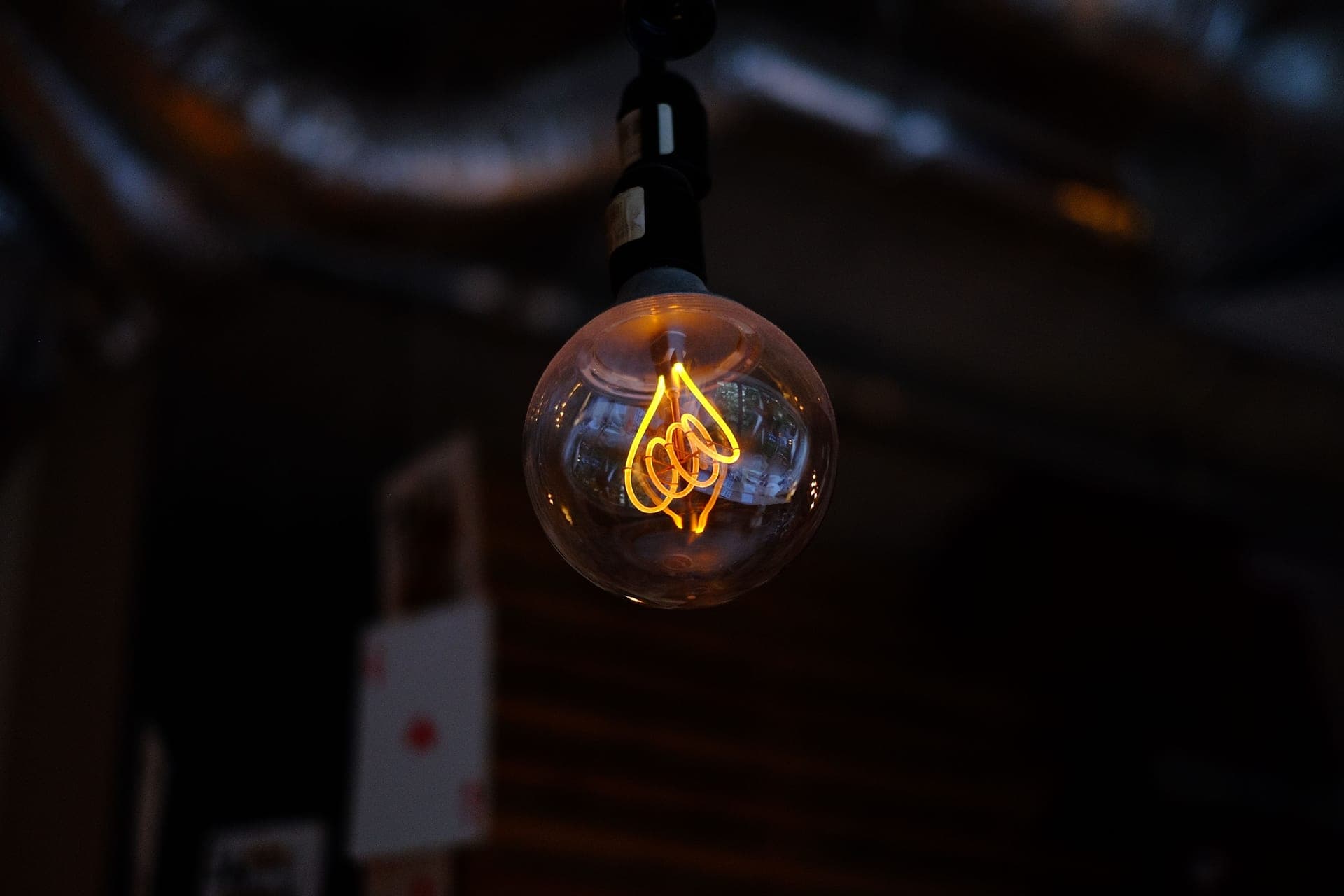 Exo Terra Intense Basking Spot Lamp The daytime answer | Overhead basking heat on a thermostat | 4/5 | Check price on Amazon#ad We may earn a commission. Price and stock are resolved at Amazon. |
| 2 | Ceramic Heat Emitter (CHE) The night answer, if the room is cold | Night-time ambient heat in a cold room | 3/5 | Check price on Amazon#ad We may earn a commission. Price and stock are resolved at Amazon. |
| 3 | 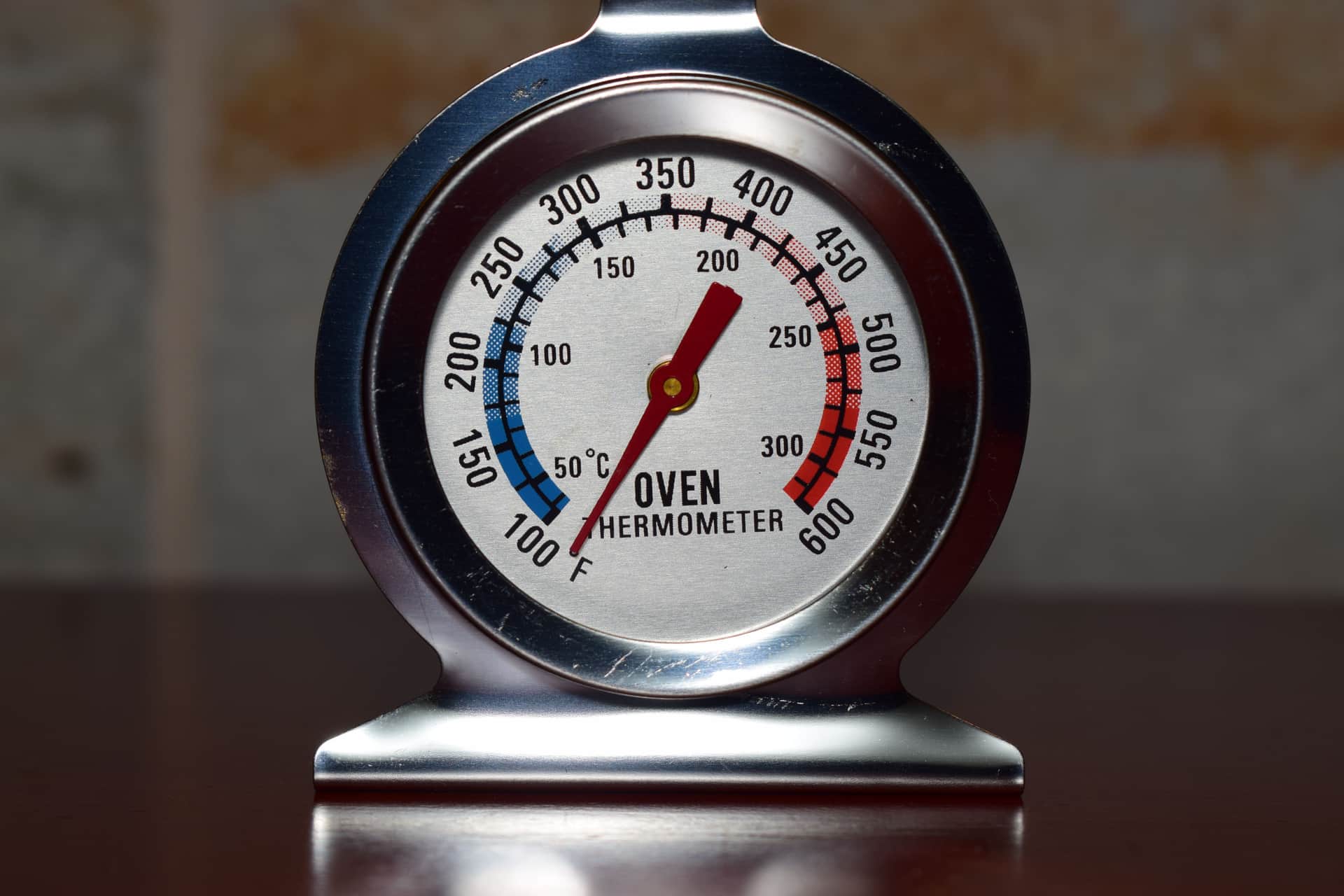 Inkbird ITC-308 Temperature Controller The controller if you use a mat | A single lightless heat source on a budget | 2/5 | Check price on Amazon#ad We may earn a commission. Price and stock are resolved at Amazon. |
The verdict, and the reason
The published guidance prefers incandescent overhead heating for daytime use on a specific technical ground, not on tradition: incandescent heating provides the largest quantity of the highest-quality form of heating for reptiles, Infrared-A radiation. Those wavelengths penetrate deeply into animal tissue, heating it faster and helping it stay warm longer - which means less time spent basking, a stronger immune system, and more energy for digestion and activity.
Ceramic emitters, radiant panels and deep heat projectors produce weaker, longer wavelengths. They are useful - for ambient and night heat - and the guidance states directly that they should not be used for daytime basking heat.
The comparison
| Heat mat | Overhead halogen | |
|---|---|---|
| Infrared band | Long wavelength, conducted through the floor | Infrared-A, penetrates tissue |
| What it heats | A patch of substrate from below | A basking zone and the animal in it |
| Reaches the warm hide figure | Yes, if sized and placed correctly | Yes, and warms the top of the hide too |
| Thermostat type needed | On/off is acceptable | Dimming or proportional |
| Burn risk | Real if unthermostatted or if substrate is thin over it | Real if unguarded or within reach |
| Day or night | Either - no light | Day only |
| Published preference for daytime | Not preferred | Preferred |
Where a mat still earns a place
- Hatchling grow-outs and tubs, where there is no room above for a lamp - the published hatchling crested gecko advice uses the same reasoning for a different species.
- As a supplementary source under the warm hide, on its own thermostat, with the probe between the mat and the enclosure floor.
- Where a lamp is impractical - a rack system, or an enclosure with no usable ceiling.
Pick the lamp if, pick the mat if
- Pick overhead halogen if this is a standard 4x2x2 enclosure with a mesh panel and the snake is a juvenile or adult. Two bulbs clustered, on a dimming thermostat.
- Pick a thermostatted mat if you are running a hatchling tub, or you need a supplementary warm spot in a setup where the lamp cannot reach.
- Pick a lightless emitter if the question is night heat and the room falls below 70-78 F (21-26 C). Not a colored bulb.
The full ball python heating guide covers placement, probe position and the figures.
The picks in full
1. The daytime answer
Exo Terra Intense Basking Spot Lamp
Exo Terra · Overhead basking heat on a thermostat
Halogen produces the largest quantity of Infrared-A, the band that penetrates deeply into tissue and warms the animal rather than just the air around it. In a 4 ft enclosure you need two clustered, which is why the zone-size score is partial for a single bulb.
Specifications
- Type
- Halogen spot (incandescent)
- Infrared
- Produces Infrared-A, the deeply penetrating band
- Control
- Must run on a dimming or pulse thermostat
- Common use
- A 50 W in a 5.5 in dome for a crested gecko basking area
How it scored against our criteria
| Right infrared band for the jobHalogen for daytime basking (produces Infrared-A); lightless ceramic or radiant panel for night and ambient only | Meets |
|---|---|
| Thermostat-controllableWorks on the correct controller type - dimming or pulse for a light-emitting lamp, on/off acceptable only for a lightless source | Meets |
| Reaches the species basking surface figure108-113 F surface for a bearded dragon, 94-97 F for a leopard gecko, 86-90 F warm hide for a ball python | Meets |
| Can be guardedFits a fixture with a cage guard, so an animal that can reach it cannot contact it | Meets |
| Heats a zone, not a pointCovers enough area for the animal's whole body - a single spot is too small for a coiled adult snake in a 48 in enclosure | Partial |
What works
- Halogen is the heat type current husbandry references prefer for basking
- Cheap enough to keep a spare, which you should
- Works in a standard dome fixture
What to know
- Emits visible light, so it cannot be used at night
- A single spot may be too small a basking area for a coiled snake
Who should look elsewhere
For night heat in a cold room, a halogen is the wrong tool - it lights the enclosure. Use a ceramic heat emitter in a guarded fixture instead.
2. The night answer, if the room is cold
Ceramic Heat Emitter (CHE)
Various (Zoo Med, Fluker's, REPTI ZOO) · Night-time ambient heat in a cold room
Lightless, which is the requirement at night, and good at lifting ambient air temperature. Explicitly not a daytime basking source - the infrared spectrum is weaker, and the guidance says so.
Specifications
- Type
- Lightless ceramic emitter
- Use
- Ambient air temperature, not daytime basking
- Fixture
- Ceramic socket, wire cage guard
- Control
- Thermostat, always
How it scored against our criteria
| Right infrared band for the jobHalogen for daytime basking (produces Infrared-A); lightless ceramic or radiant panel for night and ambient only | Partial |
|---|---|
| Thermostat-controllableWorks on the correct controller type - dimming or pulse for a light-emitting lamp, on/off acceptable only for a lightless source | Meets |
| Reaches the species basking surface figure108-113 F surface for a bearded dragon, 94-97 F for a leopard gecko, 86-90 F warm hide for a ball python | Partial |
| Can be guardedFits a fixture with a cage guard, so an animal that can reach it cannot contact it | Meets |
| Heats a zone, not a pointCovers enough area for the animal's whole body - a single spot is too small for a coiled adult snake in a 48 in enclosure | Meets |
What works
- No visible light, so it does not disrupt the day and night cycle
- Good at lifting whole-enclosure air temperature
- Long service life compared with a filament bulb
What to know
- Weaker infrared spectrum than halogen, so it is a poor daytime basking source
- Gets hot enough to burn an animal that can reach it - the guard is not optional
Who should look elsewhere
If your room never drops below the species night minimum, you do not need one at all. Measure before you buy.
3. The controller if you use a mat
Inkbird ITC-308 Temperature Controller
Inkbird · A single lightless heat source on a budget
An on/off controller is acceptable for a lightless source such as a mat or a CHE, with a stated plus or minus 0.5 F accuracy. Do not put a halogen on it.
Specifications
- Control type
- On/off (dual relay, heating and cooling)
- Stated range
- 58-248 F
- Stated accuracy
- Plus or minus 0.5 F
- Form
- Plug-in, no wiring
How it scored against our criteria
| Right infrared band for the jobHalogen for daytime basking (produces Infrared-A); lightless ceramic or radiant panel for night and ambient only | Not published |
|---|---|
| Thermostat-controllableWorks on the correct controller type - dimming or pulse for a light-emitting lamp, on/off acceptable only for a lightless source | Meets |
| Reaches the species basking surface figure108-113 F surface for a bearded dragon, 94-97 F for a leopard gecko, 86-90 F warm hide for a ball python | Meets |
| Can be guardedFits a fixture with a cage guard, so an animal that can reach it cannot contact it | Not published |
| Heats a zone, not a pointCovers enough area for the animal's whole body - a single spot is too small for a coiled adult snake in a 48 in enclosure | Not published |
What works
- Plug-in, so there is nothing to wire
- Puts a heat mat or ceramic emitter under control immediately
- Widely available and widely used
What to know
- On/off switching makes a light-emitting bulb flash, so it is unsuitable for halogen basking lamps
- Hard cycling shortens filament bulb life
Who should look elsewhere
If your heat source emits light, do not buy this. An on/off controller will strobe your basking lamp. Buy a dimming or pulse-proportional unit instead.
Frequently asked questions
Does a ball python need a heat mat or a heat lamp?
Overhead halogen for daytime heat, because it produces the most Infrared-A - the band that penetrates tissue. A thermostatted mat is useful for hatchling tubs and as a supplementary source.
Are heat mats bad for ball pythons?
Not inherently, but they are the weaker daytime option and they become ineffective under the deep moisture-retentive substrate this species needs. Always thermostatted, with the probe between the mat and the enclosure floor.
Can you use a ceramic heat emitter for a ball python?
For ambient and night heat, yes, in a guarded fixture on a thermostat. The published guidance says CHEs should not be used for daytime basking heat because the infrared spectrum is weaker than halogen.
Sources
- Ball Python Humidity & Temperature Requirements — ReptiFiles
- Ball Python Terrarium Size & Lighting — ReptiFiles
Read next
Hub
Ball python enclosures, heating and substrate
The enclosure should be at least as long as the snake. The idea that ball pythons want to be crammed into a small dark box is a myth the published guidance names as one.
Ball python
Ball python heating requirements
Ball python heating: the hide figures, the air ceiling, and the two-bulb rule.
Lighting & heat
Best reptile heat lamps and heat sources (2026)
Heat sources ranked by infrared band, thermostat compatibility and the species basking figure they can reach.
Lighting & heat
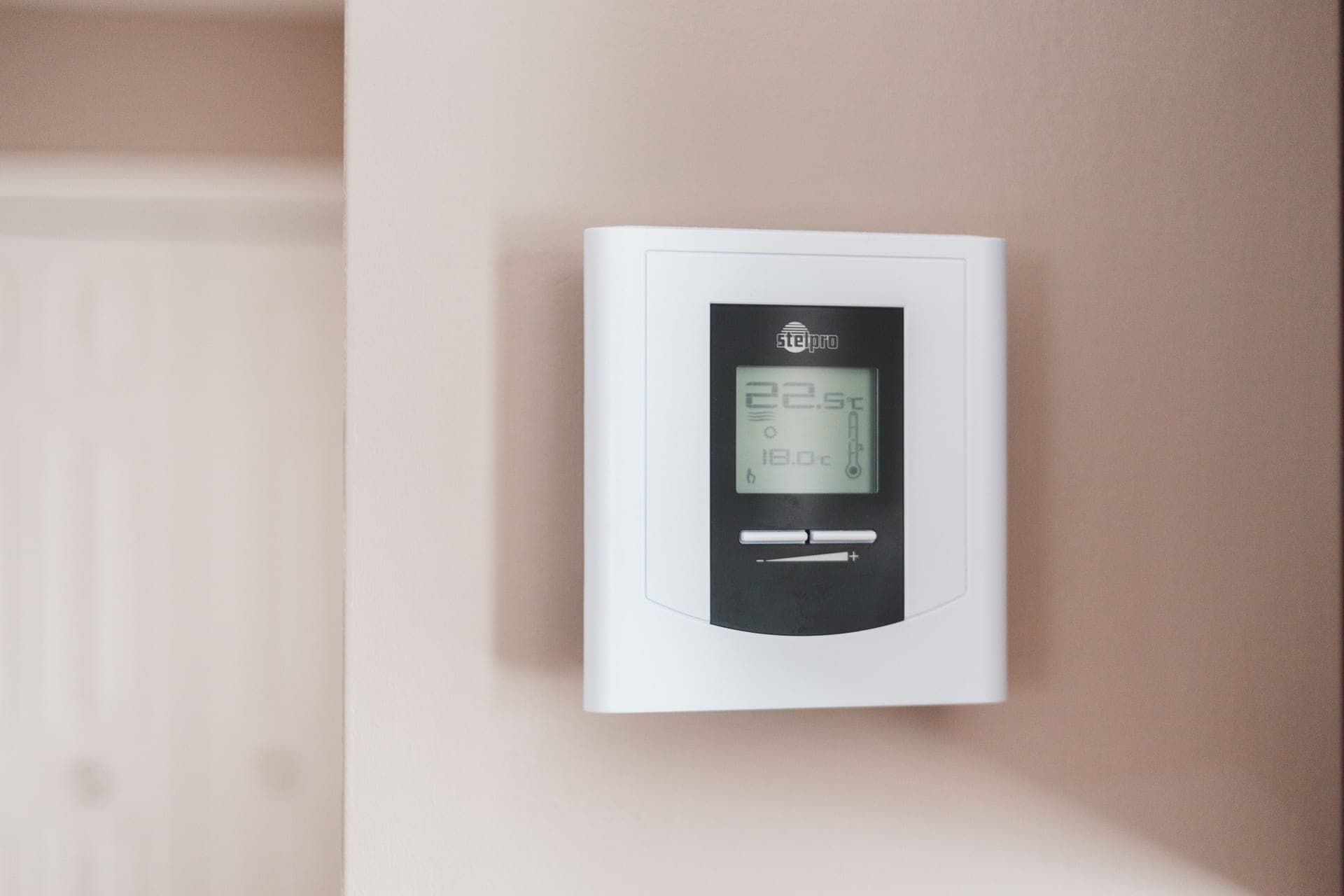
Best reptile thermostats (2026)
Thermostats ranked by control type, stated accuracy, load ceiling and whether they alarm on failure.

Lighting & heat
Reptile night lighting mistakes
Why colored night bulbs are wrong, what to use for night heat, and the nightly drop.
Ball python
Ball python temperature and humidity
Ball python temperature and humidity, and why ventilation is part of the humidity system.