Guides
Building vs buying a reptile enclosure
DIY wins when you need a size nobody sells. It wins far less often on cost than the hobby assumes, once you count the sealant, the doors and the cure time.
By Brijon M.Last updated
Build if you need a dimension nobody sells, or if you already own the tools and enjoy the work. Buy if your goal is to save money: once sheet goods, hardware, glass or acrylic doors, sealant and finish are counted, a self-built enclosure frequently lands near a commercial PVC unit that has already solved the material-safety problem.
Shed & Bask earns a commission from qualifying Amazon purchases made through links on this page. It does not change what we recommend or the order we rank things in. Read the full disclosure.
The verdict first
The honest answer to "should I build or buy" is that it depends on which problem you are solving, and the hobby usually answers as though there is only one.
| Your reason | Verdict | Why |
|---|---|---|
| I need a size nobody sells | Build | A 6 ft dragon enclosure or a 7 ft snake build is genuinely hard to source |
| I want to save money | Usually buy | Sheet goods, hardware, doors, sealant and finish add up close to a commercial unit |
| I want to control the materials | Build, carefully | You can, but you take on the cure times and service-temperature checks yourself |
| I need it this week | Buy | A sealed interior needs a full cure before the animal goes in - up to 7 days for epoxy |
| I enjoy building things | Build | A perfectly good reason, stated honestly |
What a DIY build actually costs
The comparison most DIY guides make is sheet material against a retail enclosure price, which is not the comparison. A functional build needs: the sheet goods (plywood, melamine or PVC panel), framing, hinges and a lock, glass or acrylic for the doors and a track or hinge system to carry them, a waterproof wood glue, a seam sealant, an interior coating, mesh for the ventilation panels, and the fasteners. If you do not already own a track saw or circular saw, a straight edge and clamps, add those.
We do not quote prices anywhere on this site, because a price we wrote last month is not a price you can act on today. What we can say is the shape: the door assembly and the interior coating are the two line items people forget, and together they are usually a large fraction of the total.
The part that is actually hard: the interior
Cutting panels square is a skill problem. Sealing an interior that will hold humidity, take waste, be disinfected repeatedly and sit under a basking lamp is a materials problem, and it is the one that can harm the animal.
Three requirements, none of them optional:
- A named safety basis. Not the word non-toxic on a label - a manufacturer technical statement or a named standard. Our sealant guide and paint guide set out what that means in practice.
- A service temperature above your basking surface. A bearded dragon basking site runs 108-113 F (42-45 C) surface temperature. The epoxy below states -78 F to 140 F, which clears it with margin. A coating with no published limit is an unknown directly under the animal.
- A full cure, not a dry time. Up to 7 days for the epoxy. Silicone has to be ventilated until the acetic acid smell has completely gone. The animal goes back in after that, not before.
Structural joints
Titebond III Ultimate Wood Glue
Waterproof PVA for wood-to-wood joints. Glue the structure, then seal the interior as a separate step - the joint should never be the exposed surface.
Waterproofing the interior
Pond Armor Pond Shield Non-Toxic Epoxy
Stated non-toxic once cured, service range -78 F to 140 F, coverage about 60-70 sq ft per gallon, full cure up to 7 days. We could not find an NSF/ANSI 61 certification, so the claim is the manufacturer's own - which is still more than most products in this category publish.
Seams and background bonding
100% RTV Silicone Sealant (aquarium grade)
100% RTV silicone with no mildewcide. Kitchen and bath tubes usually contain one and must not be used.
The species-specific versions
The build-versus-buy answer differs by species, mostly because the published minimum is a standard commercial size for some animals and genuinely hard to buy for others: bearded dragon (build wins at 6 ft), ball python (build wins at 5 ft and above), leopard gecko (buy, unless you want a long low footprint) and crested gecko (buy - a daily-misted interior is the hardest sealing job there is).
When buying is simply better
If the size you need is a standard one - 4x2x2, 36 x 18 x 18 in, 18 x 18 x 36 in - a commercial enclosure has already solved the sealing, the door hardware, the ventilation panel placement and the lamp mounting, and it arrives in a week. Our PVC roundup covers the options, and the general roundup covers glass too.
Frequently asked questions
How do you build a reptile enclosure?
In outline: cut and assemble the carcass from sheet goods with a waterproof wood glue and mechanical fasteners, fit ventilation panels and a door track or hinges, seal every interior seam with 100% silicone, coat the interior with a finish whose service temperature clears your basking surface, and let everything reach full cure before the animal goes anywhere near it. The cure step is the one people skip.
Is it cheaper to build your own reptile enclosure?
Often less than people expect. Sheet goods are cheap; door glass, hardware, sealant and interior coating are not. At standard sizes a commercial PVC enclosure is frequently competitive. At non-standard sizes, DIY wins easily because there is nothing to compare against.
What wood is safe for a reptile enclosure?
The wood matters less than the sealing. Avoid aromatic softwoods such as cedar and pine for the interior; use a stable sheet good such as birch plywood or melamine, and seal it so the surface the animal contacts is the coating, not the timber.
Sources
- Pond Shield Non-Toxic Epoxy product information — Pond Armor
- Volatile Organic Compounds' Impact on Indoor Air Quality — U.S. Environmental Protection Agency
- Bearded Dragon Temperatures & UVB Requirements — ReptiFiles
Read next
Hub
Reptile enclosure guides and comparisons
The cross-species decisions: what material to buy, how big it has to be, whether to build it yourself, and which beginner mistakes are expensive.
Guides
PVC vs glass vs wood reptile enclosures
Material comparison on weight, humidity, heat behavior and off-gassing, with a per-species verdict.
Substrate & safety
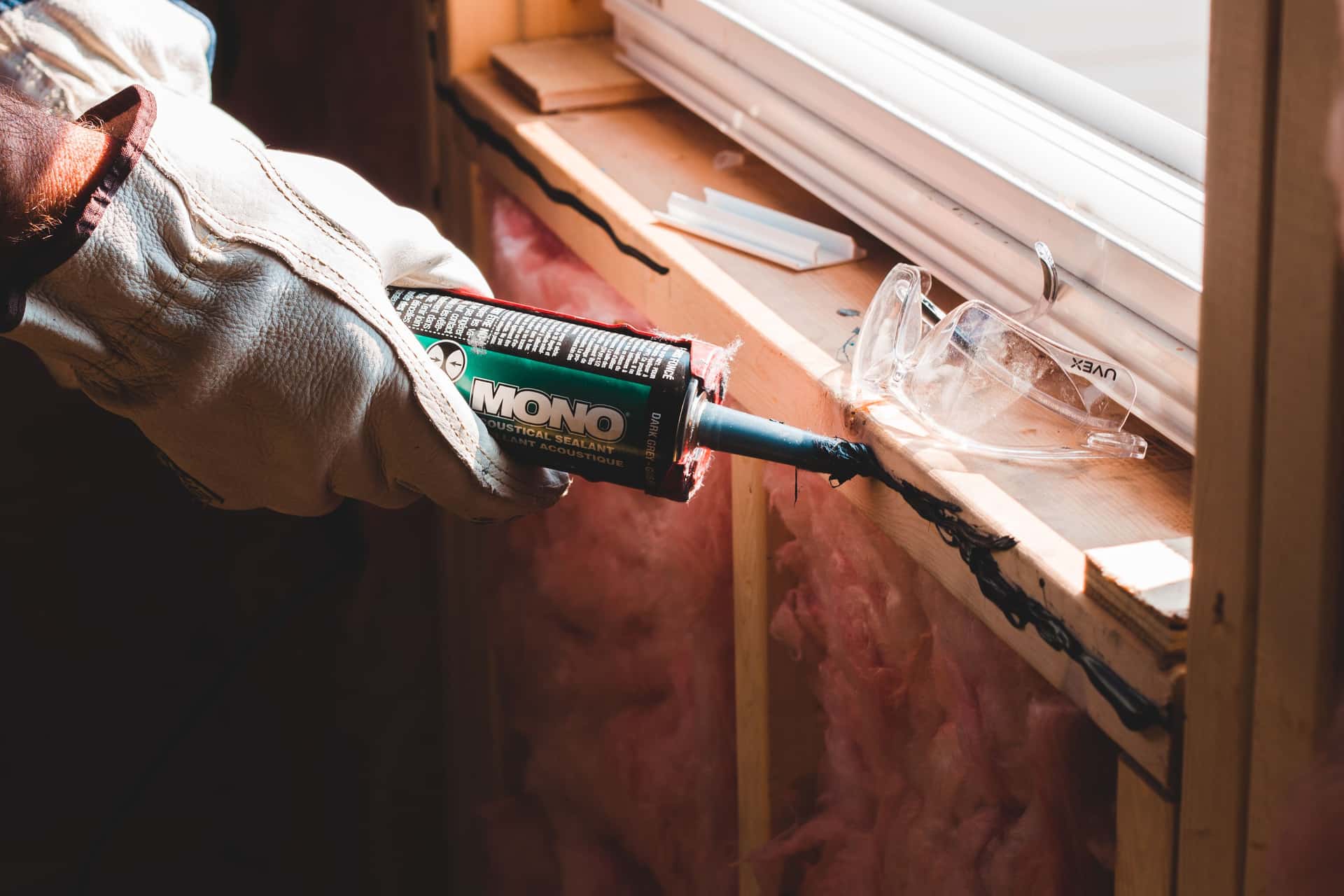
Non-toxic sealant for a reptile enclosure
Which sealants to use, the mildewcide rule, and the cure times that have to be respected.

Substrate & safety
Non-toxic paint for a reptile enclosure
How to choose an interior paint: low-VOC water-based, named standards, full cure and a heat check.
Substrate & safety
Non-toxic glue for a reptile enclosure
Which adhesives to use for wood, backgrounds and seams, and which to avoid.
Bearded dragon
Building a bearded dragon enclosure vs buying one
When building a dragon enclosure beats buying, and what the sealing actually requires.