Guides
Best PVC reptile enclosures (2026)
PVC is the default adult enclosure material for a reason: it holds humidity, it is light, and it is opaque where an animal wants opacity. Here is what to check before you buy one.
By Brijon M.Last updated
Shed & Bask earns a commission from qualifying Amazon purchases made through links on this page. It does not change what we recommend or the order we rank things in. Read the full disclosure.
How we picked
Every pick below is scored against these thresholds, stated as numbers. Publishing them is the point: of the competitor roundups we surveyed, not one published a numeric selection threshold.
Meets the published adult footprint
At or above the cited minimum for the species it is sold for - 4.5 sq ft floor for a leopard gecko, about 8 sq ft for an adult ball python, 48 x 24 x 24 in or larger for a dragon, 18 x 18 x 36 in for a crested gecko
Source: ReptiFiles - Bearded Dragon Terrarium Size Requirements
Front-opening access
Doors on the front, not a lift-off lid. Less startling for the animal and harder to escape from
Holds the species humidity range
Material and lid design can hold the species target without constant intervention - 30-40% for a leopard gecko, 60-80% for a crested gecko
Takes a T5 fixture at a workable distance
Mesh top or internal mounting that puts a T5 HO lamp at its published distance - about 11 in through mesh for an Arcadia Desert 12%
Source: ReptiFiles - Bearded Dragon Temperatures & UVB Requirements
Supports a real thermal gradient
Long enough that the cool end actually reaches the species cool-side figure while the basking surface holds its target
Source: ReptiFiles - Bearded Dragon Temperatures & UVB Requirements
Materials we can account for
Manufacturer states the panel material, and any interior coating has a published temperature limit above the species basking surface temperature
Source: U.S. Environmental Protection Agency - Volatile Organic Compounds' Impact on Indoor Air Quality
These are the same criteria every roundup on this site applies. See the full methodology.
Quick picks
Every row is scored against the published criteria below. Tap a row to read the full write-up.
| # | Product | Best for | Criteria met | Price |
|---|---|---|---|---|
| 1 | 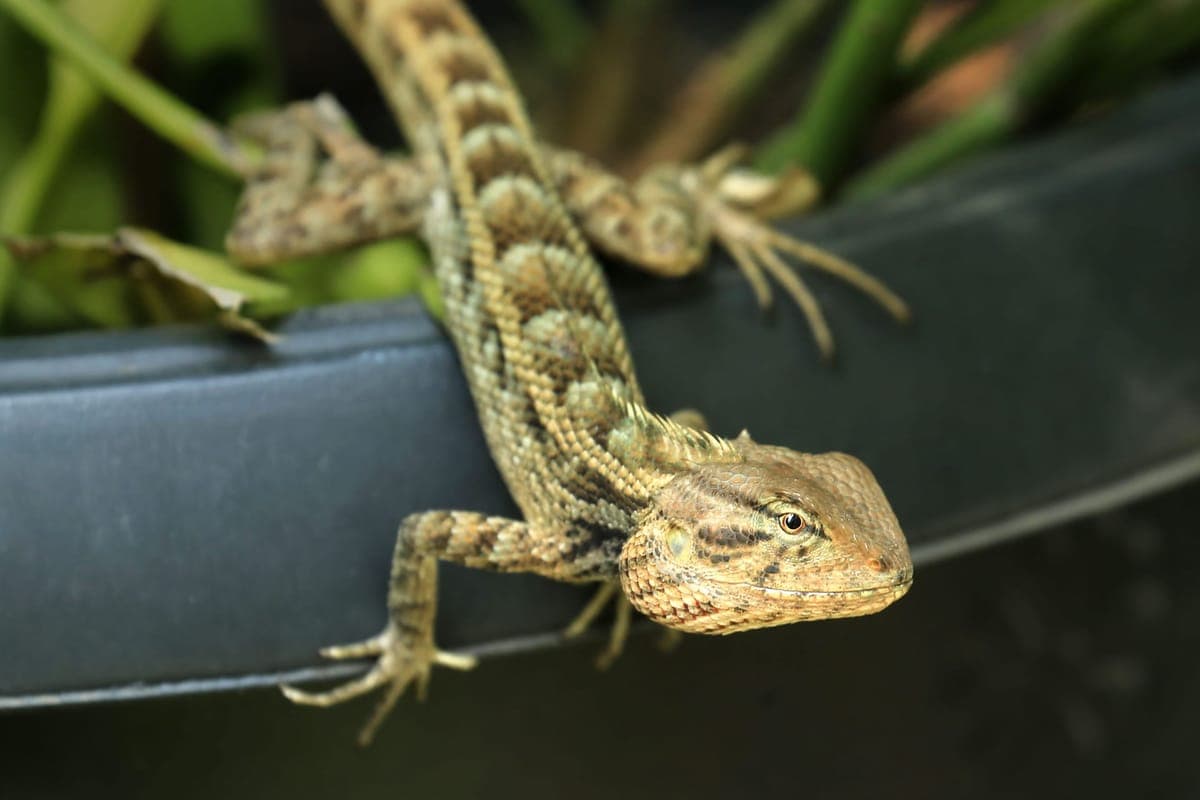 Zen Habitats 4x2x2 PVC Reptile Enclosure Best PVC enclosure overall | A 4x2x2 adult dragon or an adult ball python | 5/6 | Check price on Amazon#ad We may earn a commission. Price and stock are resolved at Amazon. |
| 2 | 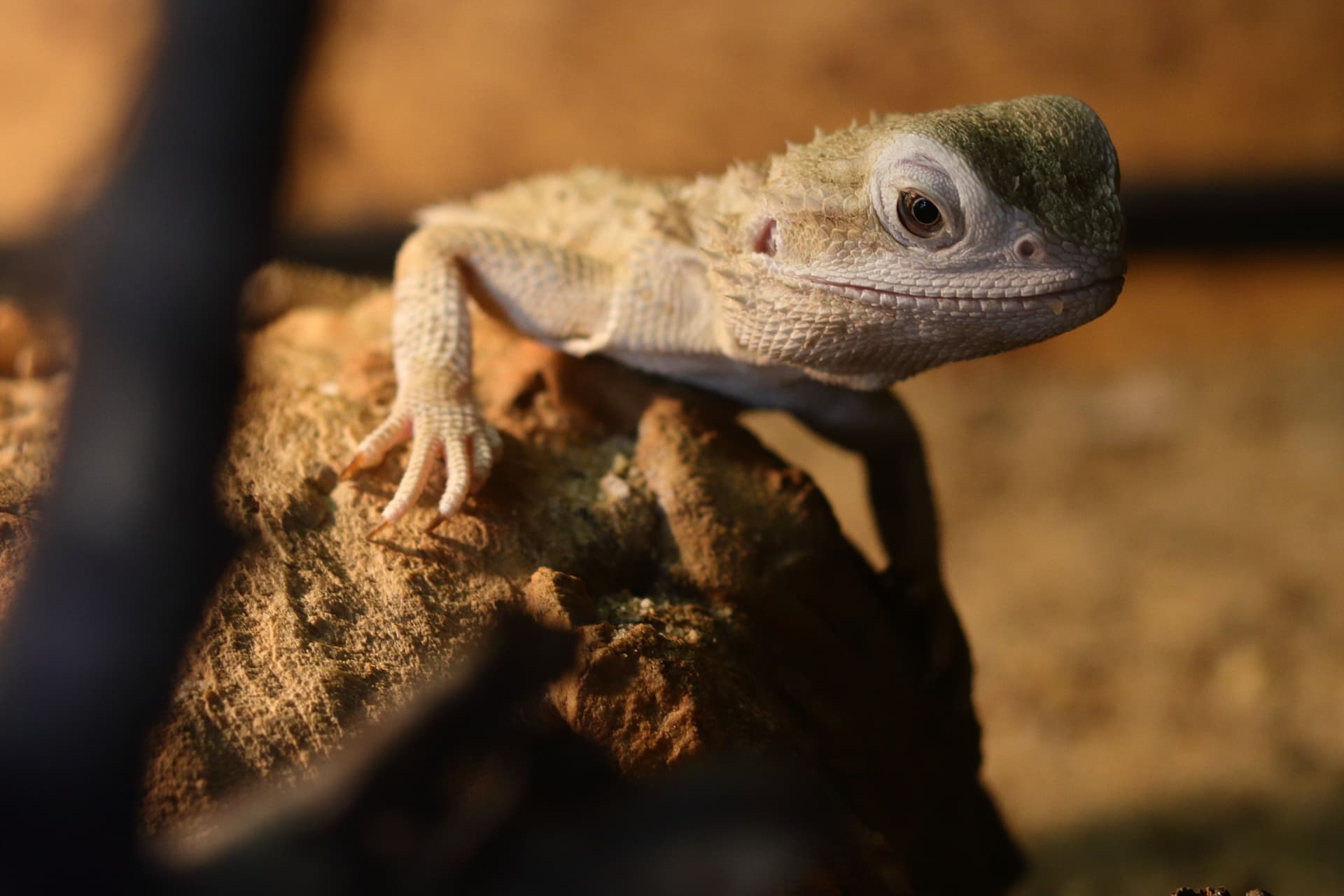 Dubia.com 4x2x2 (120 Gallon) Reptile Enclosure Best for snake security | An adult ball python, or a small adult dragon | 4/6 | Check price on Amazon#ad We may earn a commission. Price and stock are resolved at Amazon. |
| 3 | 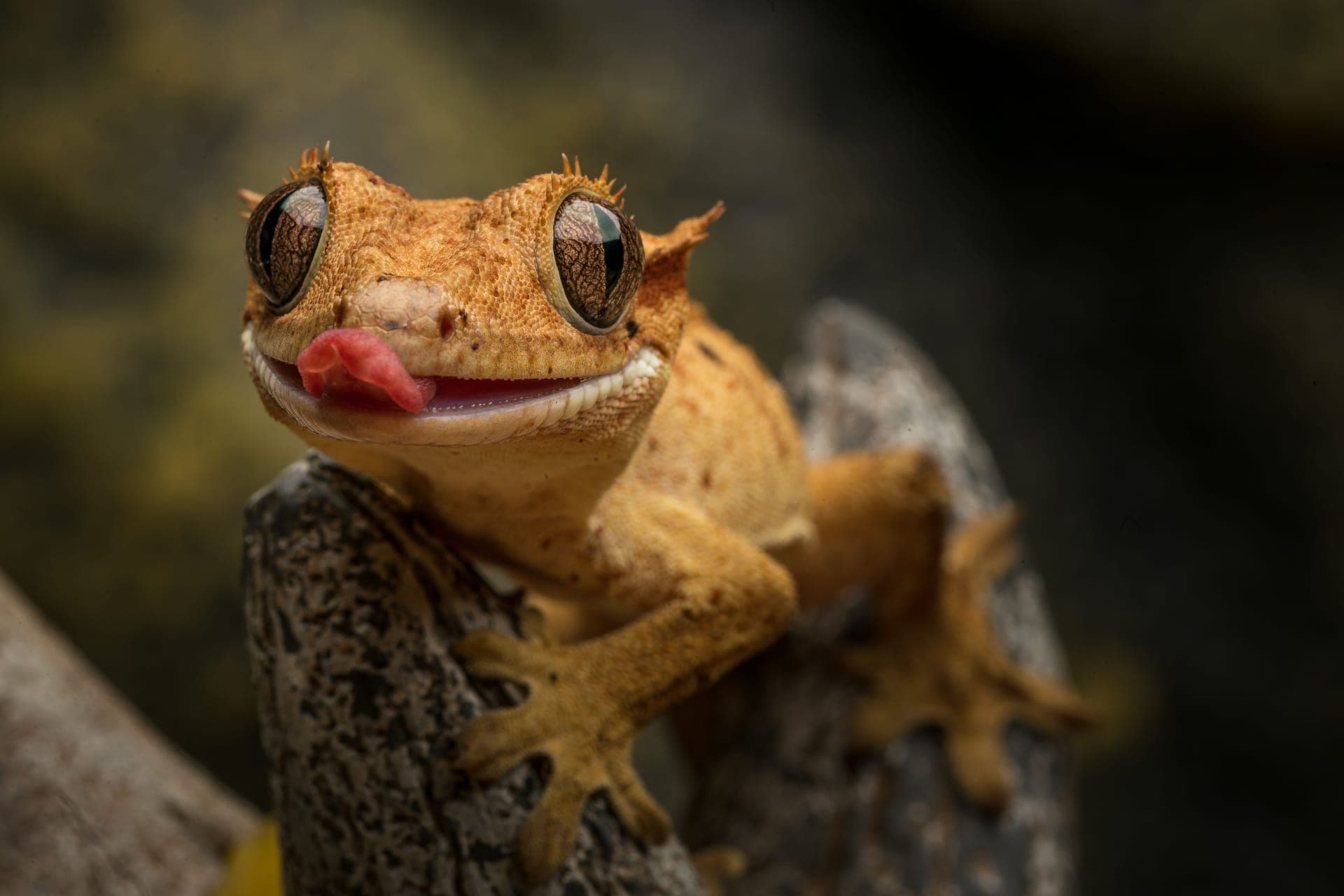 Zen Habitats 4x2x4 PVC Reptile Enclosure Best tall PVC | Arboreal species, or a dragon setup with a climbing level | 4/6 | Check price on Amazon#ad We may earn a commission. Price and stock are resolved at Amazon. |
Why PVC became the default
Twenty years ago the adult reptile enclosure was a glass aquarium with a screen lid. PVC displaced it for four concrete reasons, and it is worth being specific because "PVC is better" on its own is the kind of claim this site tries not to make.
- Humidity. A screen top is an open chimney. PVC with a partial mesh panel holds a target humidity for hours rather than minutes, which is the difference between misting twice a day and misting six times.
- Weight. A 4 ft glass tank is a two-person lift before you put anything in it. PVC at the same size is manageable alone.
- Opacity. Five opaque sides give a snake the visual security that keepers otherwise fake by taping paper to the outside of a glass tank - a workaround the ball python guidance we cite recommends precisely because glass creates the problem.
- Durability. It does not crack or chip, and the panels tolerate being cleaned repeatedly.
The honest case against PVC
Glass dissipates heat well, and that is genuinely useful. A glass enclosure makes it easier to build a wide temperature gradient, and it encourages a natural drying cycle that discourages mold in a humid build that could otherwise get out of hand. PVC does the opposite on both counts: it insulates, so a tall PVC box can go uniformly warm instead of gradient-warm, and it holds moisture whether or not you want it to on a given day. Neither property is a defect. They are the trade you are making.
What to check before you buy a PVC enclosure
- Interior footprint, not external. Frame and door thickness eat dimensions. Compare against the species minimum using the inside measurement.
- How the UVB fixture mounts. A solid PVC lid with no mesh panel forces an internal mount, which changes your distance arithmetic entirely - the published figures assume either a mesh correction or a known in-enclosure distance.
- Door mechanism and lock. Sliding glass is cheaper; hinged doors are easier to work through. Snakes are expert escape artists, so a lock matters.
- Panel material disclosure. Manufacturers use PVC, expanded PVC, ABS and HDPE somewhat interchangeably in marketing. See our guide to enclosure materials for what the distinction means.
- Shipping protection. Large flat panels get damaged in transit. Check the return terms before you need them.
Sealing seams on a PVC build
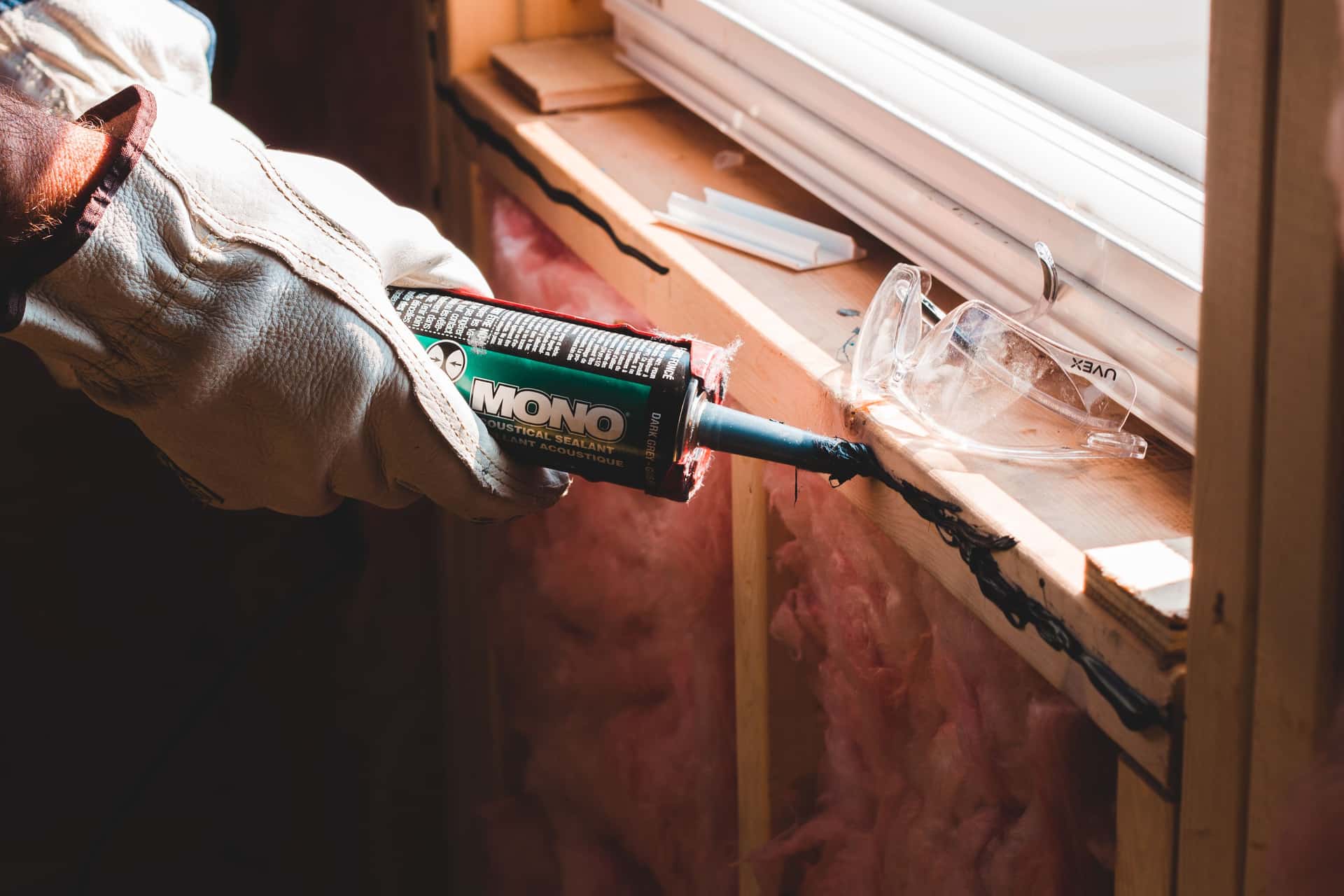
If you are sealing seams yourself, the rule is 100% silicone with no mildewcide, fully cured before the animal goes near it. The detail - including why kitchen and bath tubes are the wrong product - is in our sealant guide.
For sealing seams
100% RTV Silicone Sealant (aquarium grade)
100% RTV silicone with no mildewcide. Cure it out fully - the surface being dry to the touch is not the same as the acetic acid having gassed off.
The picks in full
1. Best PVC enclosure overall
Zen Habitats 4x2x2 PVC Reptile Enclosure
Zen Habitats · A 4x2x2 adult dragon or an adult ball python
PVC panels in an aluminum frame at the 48 x 24 x 24 in footprint, with front-opening doors and a mesh top. It is the configuration most adult setups on this site end up at, and it is the one we would buy first for a ball python or a mid-size dragon.
Specifications
- Footprint
- 48 x 24 x 24 in (about 120 gallons)
- Material
- PVC panels with an aluminum frame
- Opening
- Front-opening doors
- Top
- Mesh, lamp-compatible
How it scored against our criteria
| Meets the published adult footprintAt or above the cited minimum for the species it is sold for - 4.5 sq ft floor for a leopard gecko, about 8 sq ft for an adult ball python, 48 x 24 x 24 in or larger for a dragon, 18 x 18 x 36 in for a crested gecko | Meets |
|---|---|
| Front-opening accessDoors on the front, not a lift-off lid. Less startling for the animal and harder to escape from | Meets |
| Holds the species humidity rangeMaterial and lid design can hold the species target without constant intervention - 30-40% for a leopard gecko, 60-80% for a crested gecko | Meets |
| Takes a T5 fixture at a workable distanceMesh top or internal mounting that puts a T5 HO lamp at its published distance - about 11 in through mesh for an Arcadia Desert 12% | Meets |
| Supports a real thermal gradientLong enough that the cool end actually reaches the species cool-side figure while the basking surface holds its target | Meets |
| Materials we can account forManufacturer states the panel material, and any interior coating has a published temperature limit above the species basking surface temperature | Partial |
What works
- Front-opening, which is the access pattern every care reference prefers
- PVC holds humidity far better than screen-topped glass
- Mesh top takes a T5 HO fixture without an internal mount
What to know
- Does not reach the 24 cubic feet ReptiFiles now sets as its bearded dragon minimum
- Assembly is required and the panels are large to handle alone
Who should look elsewhere
If your dragon is a full-size adult at 19-23 in total length, the current ReptiFiles minimum is 6 x 2 x 2 ft or 24 cubic feet. Buy the 6 ft size instead of this one.
2. Best for snake security
Dubia.com 4x2x2 (120 Gallon) Reptile Enclosure
Dubia.com · An adult ball python, or a small adult dragon
Opaque on five sides is worth more to a snake than it sounds. The published ball python guidance suggests covering three of four walls of a glass tank with opaque material for exactly this reason - a PVC enclosure arrives that way.
Specifications
- Footprint
- 48 x 24 x 24 in (120 gallon)
- Material
- PVC
- Opening
- Front-opening
- Humidity
- Opaque on five sides, which helps hold humidity
How it scored against our criteria
| Meets the published adult footprintAt or above the cited minimum for the species it is sold for - 4.5 sq ft floor for a leopard gecko, about 8 sq ft for an adult ball python, 48 x 24 x 24 in or larger for a dragon, 18 x 18 x 36 in for a crested gecko | Meets |
|---|---|
| Front-opening accessDoors on the front, not a lift-off lid. Less startling for the animal and harder to escape from | Meets |
| Holds the species humidity rangeMaterial and lid design can hold the species target without constant intervention - 30-40% for a leopard gecko, 60-80% for a crested gecko | Meets |
| Takes a T5 fixture at a workable distanceMesh top or internal mounting that puts a T5 HO lamp at its published distance - about 11 in through mesh for an Arcadia Desert 12% | Partial |
| Supports a real thermal gradientLong enough that the cool end actually reaches the species cool-side figure while the basking surface holds its target | Meets |
| Materials we can account forManufacturer states the panel material, and any interior coating has a published temperature limit above the species basking surface temperature | Partial |
What works
- Carries the 8 sq ft of floor area an adult ball python needs
- Opaque sides give a snake visual security without taping paper to glass
- PVC is lighter than a glass tank of the same volume
What to know
- Ventilation needs checking if you run it humid for a python
- Shipping damage on large panels is a real risk with any flat-pack enclosure
Who should look elsewhere
If your ball python is over 4 ft, the enclosure should be at least as long as the snake. Go to a 5 or 6 ft build rather than forcing an adult into a 4 ft box.
3. Best tall PVC
Zen Habitats 4x2x4 PVC Reptile Enclosure
Zen Habitats · Arboreal species, or a dragon setup with a climbing level
The same chassis at 48 inches of height. PVC's insulation is a double-edged property in a tall box: it holds warmth but makes a vertical gradient harder to control, so budget for a proportional thermostat rather than an on/off one.
Specifications
- Footprint
- 48 x 24 x 48 in
- Material
- PVC panels with an aluminum frame
- Opening
- Front-opening doors
- Top
- Mesh, lamp-compatible
How it scored against our criteria
| Meets the published adult footprintAt or above the cited minimum for the species it is sold for - 4.5 sq ft floor for a leopard gecko, about 8 sq ft for an adult ball python, 48 x 24 x 24 in or larger for a dragon, 18 x 18 x 36 in for a crested gecko | Meets |
|---|---|
| Front-opening accessDoors on the front, not a lift-off lid. Less startling for the animal and harder to escape from | Meets |
| Holds the species humidity rangeMaterial and lid design can hold the species target without constant intervention - 30-40% for a leopard gecko, 60-80% for a crested gecko | Meets |
| Takes a T5 fixture at a workable distanceMesh top or internal mounting that puts a T5 HO lamp at its published distance - about 11 in through mesh for an Arcadia Desert 12% | Meets |
| Supports a real thermal gradientLong enough that the cool end actually reaches the species cool-side figure while the basking surface holds its target | Partial |
| Materials we can account forManufacturer states the panel material, and any interior coating has a published temperature limit above the species basking surface temperature | Partial |
What works
- Vertical space is the binding constraint for arboreal species, and this has it
- Same PVC humidity retention as the 4x2x2
- Room to mount a UVB fixture well above a basking branch
What to know
- Height makes a basking gradient harder to control without a thermostat
- Overkill for a strictly terrestrial animal
Who should look elsewhere
A leopard gecko gets nothing from 48 in of height. Floor area is its constraint, so buy a 36 x 18 x 18 in instead and spend the difference on substrate depth.
Frequently asked questions
Is PVC safe for reptiles?
Rigid PVC panel as used in commercial enclosures is stable at enclosure temperatures and is the mainstream material for the job. The questions worth asking are about what goes on it - adhesives, sealants and coatings - and about the temperature at your basking surface. We cover materials in detail here.
How do you heat a PVC reptile enclosure?
Overhead halogen through a mesh panel for daytime basking, on a dimming or pulse-proportional thermostat. For ambient or night heat in a cold room, a radiant heat panel mounted to the PVC ceiling or a guarded ceramic emitter. PVC insulates, so you usually need less wattage than the equivalent glass setup - and more attention to the gradient.
Is PVC better than glass for humidity?
Substantially, yes. The comparison is really between PVC with a partial mesh panel and glass with a full screen top, and the screen top is what loses the moisture. If you keep a species at 60-80% humidity, PVC removes a daily chore.
Sources
- Ball Python Terrarium Size & Lighting — ReptiFiles
- Crested Gecko Temperatures & Humidity — ReptiFiles
- Volatile Organic Compounds' Impact on Indoor Air Quality — U.S. Environmental Protection Agency
Read next
Hub
Reptile enclosure guides and comparisons
The cross-species decisions: what material to buy, how big it has to be, whether to build it yourself, and which beginner mistakes are expensive.
Guides
PVC vs glass vs wood reptile enclosures
Material comparison on weight, humidity, heat behavior and off-gassing, with a per-species verdict.
Guides
7 best reptile enclosures (2026), judged against published footprint minimums
Enclosures ranked against the published adult minimum for each species, not against gallon ratings.
Substrate & safety
Is PVC safe for reptiles? Enclosure material safety
What to check on enclosure materials, and why the coatings matter more than the panel.
Substrate & safety
Non-toxic sealant for a reptile enclosure
Which sealants to use, the mildewcide rule, and the cure times that have to be respected.
Ball python
4 best snake enclosures for ball pythons (2026)
Ball python enclosures ranked against the published 8 sq ft floor area and humidity.