Guides
Exo Terra alternatives
Exo Terra set the pattern most front-opening terrariums copy, and for a planted tropical build it is still a good answer. These are the four we would look at when its particular trade-offs are the wrong ones for your animal.
By Brijon M.Last updated
Picking an alternative depends on which Exo Terra trade-off is the wrong one for you. Want the same thing cheaper or in another size? A REPTI ZOO front-opening glass terrarium is the like-for-like swap. Fighting to hold humidity? That is the screen top, not the brand - move to PVC (Zen Habitats 4x2x2, or the 4x2x4 for a tall planted build). Need the humidity locked down hardest? A solid-ceiling 4x2x2 such as the Dubia.com, accepting that you now have to mount the UVB fixture yourself. What Exo Terra still does better than all four: an exact 18 x 18 x 36 in tall glass footprint with a raised base for a drainage layer.
Shed & Bask earns a commission from qualifying Amazon purchases made through links on this page. It does not change what we recommend or the order we rank things in. Read the full disclosure.
How we picked
Every pick below is scored against these thresholds, stated as numbers. Publishing them is the point: of the competitor roundups we surveyed, not one published a numeric selection threshold.
Meets the published adult footprint
At or above the cited minimum for the species it is sold for - 4.5 sq ft floor for a leopard gecko, about 8 sq ft for an adult ball python, 48 x 24 x 24 in or larger for a dragon, 18 x 18 x 36 in for a crested gecko
Source: ReptiFiles - Bearded Dragon Terrarium Size Requirements
Front-opening access
Doors on the front, not a lift-off lid. Less startling for the animal and harder to escape from
Holds the species humidity range
Material and lid design can hold the species target without constant intervention - 30-40% for a leopard gecko, 60-80% for a crested gecko
Takes a T5 fixture at a workable distance
Mesh top or internal mounting that puts a T5 HO lamp at its published distance - about 11 in through mesh for an Arcadia Desert 12%
Source: ReptiFiles - Bearded Dragon Temperatures & UVB Requirements
Supports a real thermal gradient
Long enough that the cool end actually reaches the species cool-side figure while the basking surface holds its target
Source: ReptiFiles - Bearded Dragon Temperatures & UVB Requirements
Materials we can account for
Manufacturer states the panel material, and any interior coating has a published temperature limit above the species basking surface temperature
Source: U.S. Environmental Protection Agency - Volatile Organic Compounds' Impact on Indoor Air Quality
These are the same criteria every roundup on this site applies. See the full methodology.
Quick picks
Every row is scored against the published criteria below. Tap a row to read the full write-up.
| # | Product | Best for | Criteria met | Price |
|---|---|---|---|---|
| 1 | REPTI ZOO Front-Opening Glass Terrarium Closest like-for-like swap | A leopard gecko at the 36 x 18 x 18 in minimum | 5/6 | Check price on Amazon#ad We may earn a commission. Price and stock are resolved at Amazon. |
| 2 | 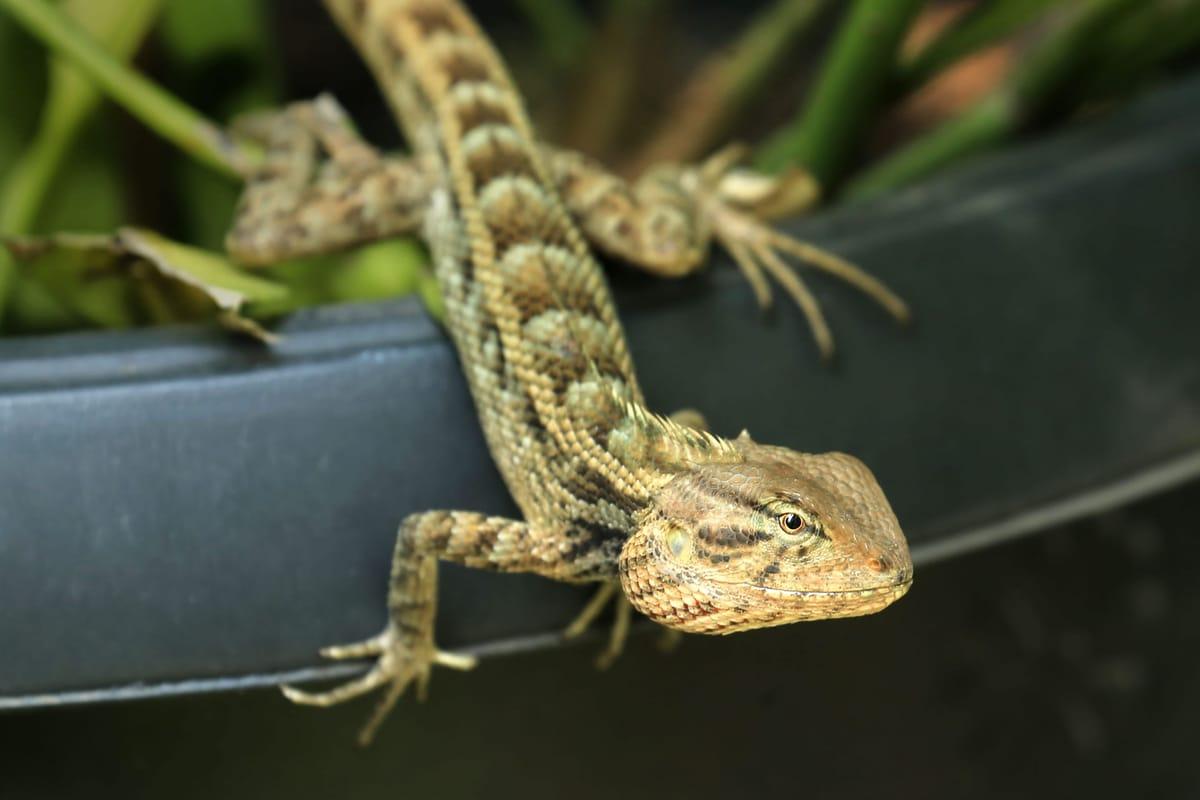 Zen Habitats 4x2x2 PVC Reptile Enclosure Best if you need the humidity to stay put | A 4x2x2 adult dragon or an adult ball python | 5/6 | Check price on Amazon#ad We may earn a commission. Price and stock are resolved at Amazon. |
| 3 | 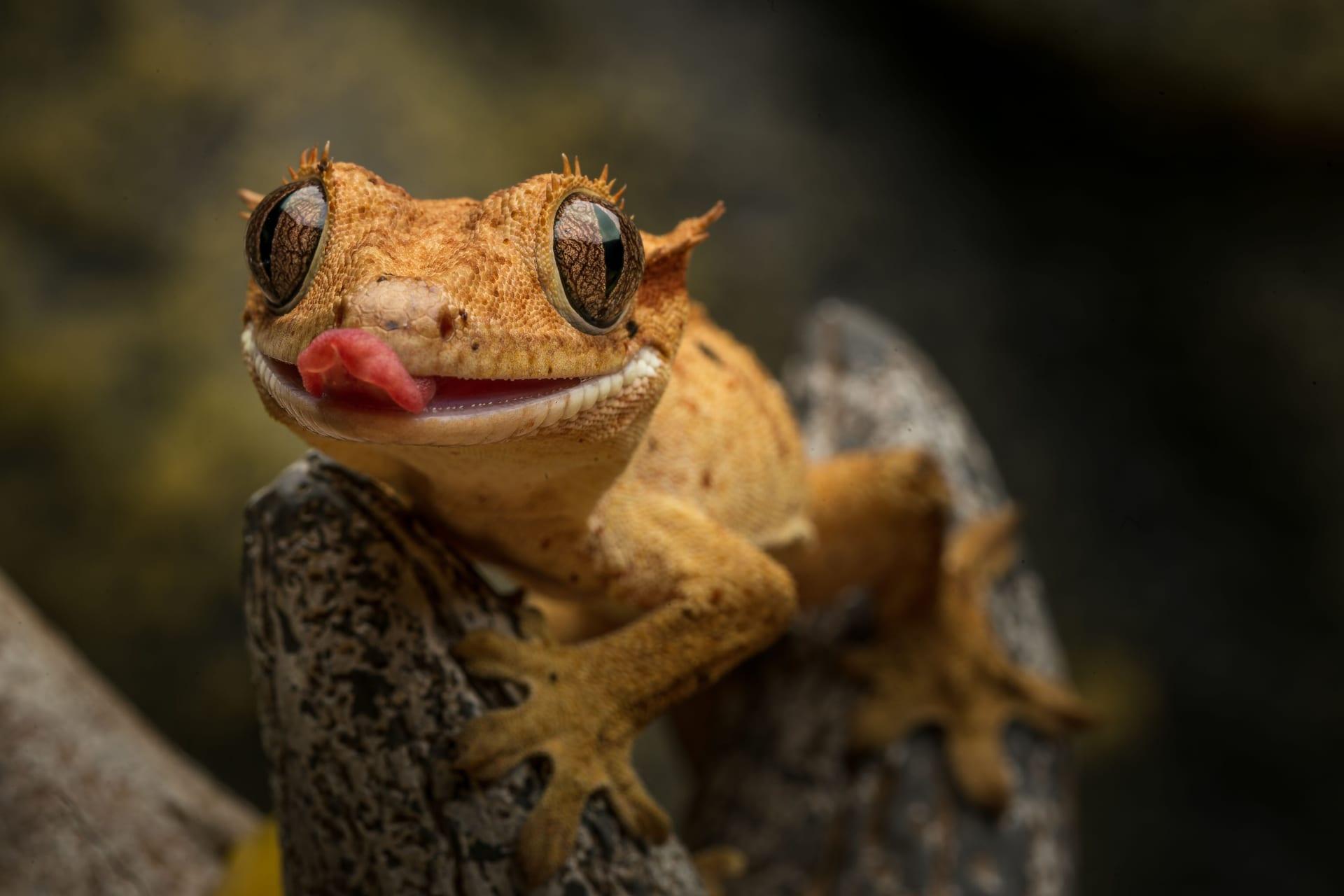 Zen Habitats 4x2x4 PVC Reptile Enclosure Best for a tall planted build | Arboreal species, or a dragon setup with a climbing level | 4/6 | Check price on Amazon#ad We may earn a commission. Price and stock are resolved at Amazon. |
| 4 | 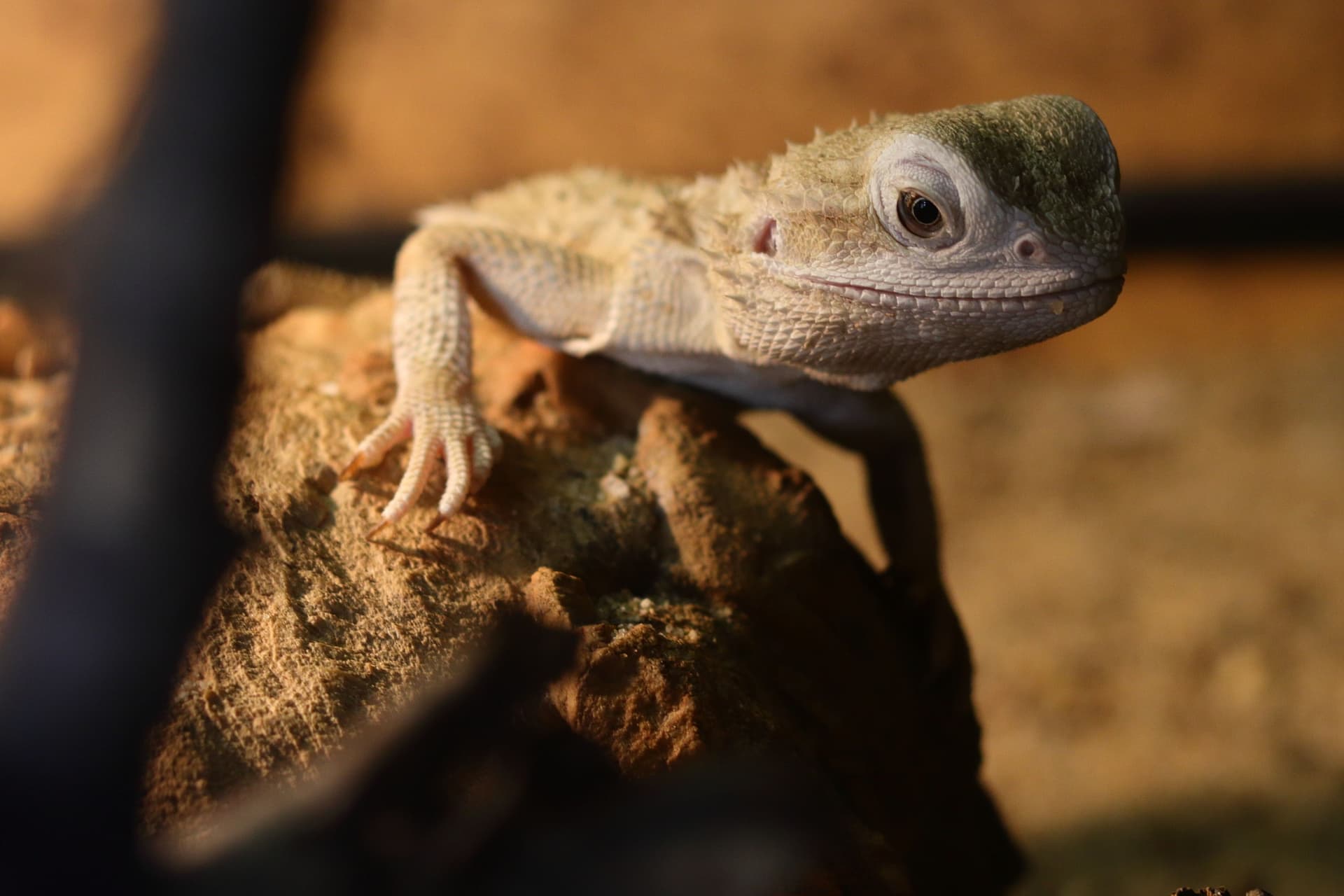 Dubia.com 4x2x2 (120 Gallon) Reptile Enclosure Best solid-ceiling alternative | An adult ball python, or a small adult dragon | 4/6 | Check price on Amazon#ad We may earn a commission. Price and stock are resolved at Amazon. |
What Exo Terra is good at, stated plainly
It is worth being straight about this before listing alternatives, because a lot of what gets written about Exo Terra is brand noise rather than engineering.
Exo Terra popularized the front-opening glass terrarium, and front-opening is the access pattern every care reference prefers - reaching in from above is what startles an animal. The 18 x 18 x 36 in model matches the published crested gecko adult minimum of 18 x 18 x 36 in exactly, with nothing to convert or round. The raised bottom frame suits a drainage layer, which is the right foundation for a bioactive tropical build. The full screen top takes a low-output T5 fixture without any internal mounting. Glass is easy to see into and easy to clean, and it dissipates heat well, which genuinely makes a thermal gradient easier to establish than it is in an insulating box.
None of that is marketing. If you are building a planted vertical terrarium for a crested gecko, an Exo Terra is a good answer and you should feel no need to look further. The rest of this page is for the cases where its trade-offs point the wrong way.
The three reasons people look for an alternative
In our experience of the questions this site gets, it is almost always one of these three, and each one points at a different product.
| The reason | What is actually going on | Where to look |
|---|---|---|
| Humidity will not hold | A full screen top sheds humidity continuously. This is a material and lid problem, not a brand problem | PVC with a mesh or solid top - Zen Habitats, Dubia.com |
| Not big enough for the animal | Glass terrariums top out well below the adult footprints for a dragon or an adult ball python | A 4x2x2 class enclosure in PVC |
| Price, or the size you want is out of stock | The front-opening glass pattern is now made by several brands at different prices | REPTI ZOO front-opening glass |
The first row is the one worth dwelling on, because it is the most common and the most misdiagnosed. A glass terrarium with a screen top will lose humidity whatever badge is on it. If you are at 60-80%, allowed to dry back to 40-50% between mistings by misting four times a day, replacing one glass terrarium with another glass terrarium changes nothing.
Glass or PVC: the decision that actually sorts this list
Everything on this page is one of those two materials, and the choice is not about quality. It is about which problem you would rather have.
| Glass terrarium | PVC enclosure | |
|---|---|---|
| Humidity | Sheds it continuously through the screen - fine for 30-40%, a daily fight at 60-80% | Holds it; the usual complaint is the opposite problem |
| Thermal gradient | Dissipates heat well, which makes a cool end easier to achieve | Insulates, so heat input needs more care and a long footprint matters more |
| Weight | Heavy, and awkward once furnished | Light for its size, which is why stacking is practical |
| Lamp mounting | Mesh top takes a fixture with no internal mount | Mesh top models the same; a solid ceiling forces an internal or aperture mount |
| Visibility | Best - glass on four sides if you want it | Front panel only, which some keepers prefer for a shy animal |
| Cost | Lower at small sizes | Usually higher, and the gap narrows as the size goes up |
Our full treatment of that choice is on PVC vs glass vs wood, and the honest summary is that glass is not inferior by default. It is the screen top that causes the humidity complaints, not the glass - which is why a glass enclosure with a partly covered lid behaves very differently from the same enclosure out of the box.
Matching an alternative to the animal
The four picks above are scored against the same published thresholds every enclosure page on this site uses. Here is which one we would put each species in.
| Species | Published minimum | What we would buy instead of an Exo Terra |
|---|---|---|
| Crested gecko | 18 x 18 x 36 in for juveniles and adults over 12 g | Honestly, often the Exo Terra - or the Zen 4x2x4 if humidity is the problem |
| Leopard gecko | 36 x 18 x 18 in with at least 4.5 sq ft of floor space | REPTI ZOO front-opening glass at 36 x 18 x 18 in - the dry-side species where glass is ideal |
| Ball python | 48 x 24 x 24 in (120 x 60 x 60 cm), about 8 sq ft of floor area | A 4x2x2 in PVC; a solid ceiling helps hold humidity |
| Bearded dragon | 6 ft L x 2 ft W x 2 ft H (1.8 x 0.6 x 0.6 m), or 24 cubic feet of internal volume | A 4x2x2 as the common standard, or longer - no glass terrarium reaches the current minimum |
The bearded dragon row is the clearest case for leaving the glass terrarium category entirely. The published adult figure is 6 ft L x 2 ft W x 2 ft H (1.8 x 0.6 x 0.6 m), or 24 cubic feet of internal volume, and 48 x 24 x 24 in (4 x 2 x 2 ft, about 120 gallons) is the standard most US keepers and retailers still work to - which is already larger than any front-opening glass terrarium on the shelf. Bearded dragon tank size has the sizing by life stage, and best bearded dragon enclosures is the scored roundup for that species.
The solid-ceiling trade, which costs you the lamp mount
The Dubia.com 4x2x2 is on this list because it holds humidity better than any mesh-topped enclosure here, and because the cost of that is specific and worth knowing in advance. With no mesh to rest a fixture on you have two options: fix the UVB fixture inside the enclosure and use the no-mesh distance - about 16 to 17 in rather than 11 for an Arcadia Desert 12% - or mount it outside and shine through a cut aperture, which costs output you cannot measure without a meter.
Neither is difficult, but both are decisions, and a keeper who buys a solid-ceiling enclosure expecting to drop a fixture on top will be re-planning their lighting on delivery day. How to mount a UVB fixture covers all three positions and the corrections each one forces, and our Dubia reptile enclosure review scores that enclosure against all six criteria on its own.
What we are not telling you to do
Two things, because the obvious advice in this category is often wrong.
Do not replace a working enclosure. If your Exo Terra is holding the published figures for your species and the animal has the floor area it needs, there is no upgrade here - only a different set of trade-offs. The question to ask is whether the enclosure is meeting the figures, not whether a better one exists.
Do not buy tall when you need long. Height is only useful to a climbing species, and even then a tall enclosure still has to be long enough for a thermal gradient to exist along it. This is why the 4x2x4 scores partial on gradient and why an enclosure can be the wrong shape rather than the wrong size.
If you would rather build than buy
A fifth option exists and the arithmetic is less favorable than people expect. A DIY build lets you choose the material, the ceiling and the apertures, which means it can solve the humidity and lamp-mount problems at once - but it also means you own the sealing, the cure time and the safety documentation for everything you used. Build versus buy a reptile enclosure runs the real comparison, and how to seal a reptile enclosure is the part most first builds get wrong.
How we picked, and what we did not do
We did not test these four enclosures against each other. Every pick is scored against the published criteria set this site applies to every enclosure page, with each threshold stated as a figure and sourced, and every husbandry number resolves to a named care reference rather than to our opinion.
We have also not called Exo Terra a bad product, because it is not one. The honest frame for an alternatives page is that enclosures trade properties against each other - humidity retention against visibility, height against gradient, material cost against daily effort - and the right answer depends on which trade you can live with. If you want the direct head-to-head rather than a list, Exo Terra vs REPTI ZOO is the two-product comparison, and best reptile enclosure brands covers the manufacturers as a field. Our methodology page states the criteria in full.
The picks in full
1. Closest like-for-like swap
REPTI ZOO Front-Opening Glass Terrarium
REPTI ZOO · A leopard gecko at the 36 x 18 x 18 in minimum
If what you liked about Exo Terra was front-opening glass and you want the same thing in a different size or at a different price, this is the swap. Front-opening doors with a lock on most models, a screen top that takes a T5 fixture without an internal mount, and the sizes that matter for a leopard gecko or a juvenile snake - including the 36 x 18 x 18 in that hits the published leopard gecko floor-space minimum. It inherits the screen-top humidity problem rather than solving it, which is why humidity scores partial: for a dry-side species that is irrelevant, and for a 60-80% build it is the same daily fight.
Specifications
- Common sizes
- 36 x 18 x 18 in and 18 x 18 x 24 in among others
- Material
- Glass with a screen top
- Opening
- Front-opening doors
- Lock
- Door lock included on most models
How it scored against our criteria
| Meets the published adult footprintAt or above the cited minimum for the species it is sold for - 4.5 sq ft floor for a leopard gecko, about 8 sq ft for an adult ball python, 48 x 24 x 24 in or larger for a dragon, 18 x 18 x 36 in for a crested gecko | Meets |
|---|---|
| Front-opening accessDoors on the front, not a lift-off lid. Less startling for the animal and harder to escape from | Meets |
| Holds the species humidity rangeMaterial and lid design can hold the species target without constant intervention - 30-40% for a leopard gecko, 60-80% for a crested gecko | Partial |
| Takes a T5 fixture at a workable distanceMesh top or internal mounting that puts a T5 HO lamp at its published distance - about 11 in through mesh for an Arcadia Desert 12% | Meets |
| Supports a real thermal gradientLong enough that the cool end actually reaches the species cool-side figure while the basking surface holds its target | Meets |
| Materials we can account forManufacturer states the panel material, and any interior coating has a published temperature limit above the species basking surface temperature | Meets |
What works
- Glass dissipates heat well, which makes a temperature gradient easier to establish
- Front-opening is less startling for the animal than reaching in from above
- Easy to see and easy to clean
What to know
- A screen top sheds humidity constantly, which is the wrong trade for a crested gecko or ball python
- Heavy, and a large glass tank is awkward to move once filled
Who should look elsewhere
If you need to hold 60-80% humidity, glass with a screen top will fight you every day. Buy PVC instead and stop misting four times a day.
2. Best if you need the humidity to stay put
Zen Habitats 4x2x2 PVC Reptile Enclosure
Zen Habitats · A 4x2x2 adult dragon or an adult ball python
The alternative that changes the material rather than the brand. PVC panels hold humidity far better than glass with a screen top, which is the single biggest functional difference between this and any glass terrarium - if you are misting three times a day to hold a figure, this is the fix. 48 x 24 x 24 in is the footprint most US keepers and retailers work to for an adult dragon or an adult ball python, it is front-opening, and the mesh top takes a T5 at a workable distance. Materials scores partial because it does not reach the 24 cubic feet ReptiFiles now sets as its bearded dragon minimum - that is an argument for the taller or longer model, not against PVC.
Specifications
- Footprint
- 48 x 24 x 24 in (about 120 gallons)
- Material
- PVC panels with an aluminum frame
- Opening
- Front-opening doors
- Top
- Mesh, lamp-compatible
How it scored against our criteria
| Meets the published adult footprintAt or above the cited minimum for the species it is sold for - 4.5 sq ft floor for a leopard gecko, about 8 sq ft for an adult ball python, 48 x 24 x 24 in or larger for a dragon, 18 x 18 x 36 in for a crested gecko | Meets |
|---|---|
| Front-opening accessDoors on the front, not a lift-off lid. Less startling for the animal and harder to escape from | Meets |
| Holds the species humidity rangeMaterial and lid design can hold the species target without constant intervention - 30-40% for a leopard gecko, 60-80% for a crested gecko | Meets |
| Takes a T5 fixture at a workable distanceMesh top or internal mounting that puts a T5 HO lamp at its published distance - about 11 in through mesh for an Arcadia Desert 12% | Meets |
| Supports a real thermal gradientLong enough that the cool end actually reaches the species cool-side figure while the basking surface holds its target | Meets |
| Materials we can account forManufacturer states the panel material, and any interior coating has a published temperature limit above the species basking surface temperature | Partial |
What works
- Front-opening, which is the access pattern every care reference prefers
- PVC holds humidity far better than screen-topped glass
- Mesh top takes a T5 HO fixture without an internal mount
What to know
- Does not reach the 24 cubic feet ReptiFiles now sets as its bearded dragon minimum
- Assembly is required and the panels are large to handle alone
Who should look elsewhere
If your dragon is a full-size adult at 19-23 in total length, the current ReptiFiles minimum is 6 x 2 x 2 ft or 24 cubic feet. Buy the 6 ft size instead of this one.
3. Best for a tall planted build
Zen Habitats 4x2x4 PVC Reptile Enclosure
Zen Habitats · Arboreal species, or a dragon setup with a climbing level
The answer for the thing people actually buy a tall Exo Terra for - a planted vertical enclosure - without the humidity leak. Four feet of height in PVC gives a climbing species real usable volume and holds a tropical figure without covering half the lid in tape. Gradient scores partial and it is worth understanding why: height buys climbing space, not thermal separation, so a tall enclosure still has to be long enough for the cool end to reach its figure. Taller is not a substitute for longer, and for a ground-dwelling species it is close to wasted money.
Specifications
- Footprint
- 48 x 24 x 48 in
- Material
- PVC panels with an aluminum frame
- Opening
- Front-opening doors
- Top
- Mesh, lamp-compatible
How it scored against our criteria
| Meets the published adult footprintAt or above the cited minimum for the species it is sold for - 4.5 sq ft floor for a leopard gecko, about 8 sq ft for an adult ball python, 48 x 24 x 24 in or larger for a dragon, 18 x 18 x 36 in for a crested gecko | Meets |
|---|---|
| Front-opening accessDoors on the front, not a lift-off lid. Less startling for the animal and harder to escape from | Meets |
| Holds the species humidity rangeMaterial and lid design can hold the species target without constant intervention - 30-40% for a leopard gecko, 60-80% for a crested gecko | Meets |
| Takes a T5 fixture at a workable distanceMesh top or internal mounting that puts a T5 HO lamp at its published distance - about 11 in through mesh for an Arcadia Desert 12% | Meets |
| Supports a real thermal gradientLong enough that the cool end actually reaches the species cool-side figure while the basking surface holds its target | Partial |
| Materials we can account forManufacturer states the panel material, and any interior coating has a published temperature limit above the species basking surface temperature | Partial |
What works
- Vertical space is the binding constraint for arboreal species, and this has it
- Same PVC humidity retention as the 4x2x2
- Room to mount a UVB fixture well above a basking branch
What to know
- Height makes a basking gradient harder to control without a thermostat
- Overkill for a strictly terrestrial animal
Who should look elsewhere
A leopard gecko gets nothing from 48 in of height. Floor area is its constraint, so buy a 36 x 18 x 18 in instead and spend the difference on substrate depth.
4. Best solid-ceiling alternative
Dubia.com 4x2x2 (120 Gallon) Reptile Enclosure
Dubia.com · An adult ball python, or a small adult dragon
A 4x2x2 in the same class as the Zen, and the reason it is on this list separately is the ceiling. A solid top holds humidity better than mesh - genuinely useful for a ball python or a tropical build - and costs you the easy lamp mount, which is exactly the trade the lamp-mount score records. You will either fix the UVB fixture inside the enclosure and use the no-mesh distance, or mount it above a cut aperture. That is a real job rather than a detail, so decide it before you buy. We review this enclosure on its own page.
Specifications
- Footprint
- 48 x 24 x 24 in (120 gallon)
- Material
- PVC
- Opening
- Front-opening
- Humidity
- Opaque on five sides, which helps hold humidity
How it scored against our criteria
| Meets the published adult footprintAt or above the cited minimum for the species it is sold for - 4.5 sq ft floor for a leopard gecko, about 8 sq ft for an adult ball python, 48 x 24 x 24 in or larger for a dragon, 18 x 18 x 36 in for a crested gecko | Meets |
|---|---|
| Front-opening accessDoors on the front, not a lift-off lid. Less startling for the animal and harder to escape from | Meets |
| Holds the species humidity rangeMaterial and lid design can hold the species target without constant intervention - 30-40% for a leopard gecko, 60-80% for a crested gecko | Meets |
| Takes a T5 fixture at a workable distanceMesh top or internal mounting that puts a T5 HO lamp at its published distance - about 11 in through mesh for an Arcadia Desert 12% | Partial |
| Supports a real thermal gradientLong enough that the cool end actually reaches the species cool-side figure while the basking surface holds its target | Meets |
| Materials we can account forManufacturer states the panel material, and any interior coating has a published temperature limit above the species basking surface temperature | Partial |
What works
- Carries the 8 sq ft of floor area an adult ball python needs
- Opaque sides give a snake visual security without taping paper to glass
- PVC is lighter than a glass tank of the same volume
What to know
- Ventilation needs checking if you run it humid for a python
- Shipping damage on large panels is a real risk with any flat-pack enclosure
Who should look elsewhere
If your ball python is over 4 ft, the enclosure should be at least as long as the snake. Go to a 5 or 6 ft build rather than forcing an adult into a 4 ft box.
Frequently asked questions
What is a good alternative to Exo Terra?
It depends which trade-off is wrong for you. For the same front-opening glass in another size or at a lower price, a REPTI ZOO front-opening glass terrarium. For humidity that actually stays put, PVC - a Zen Habitats 4x2x2, or the 4x2x4 for a tall planted build. For the strongest humidity retention, a solid-ceiling 4x2x2 such as the Dubia.com, accepting that you then have to mount the UVB fixture yourself.
Is Exo Terra a good brand?
Yes. It popularized the front-opening glass terrarium, its 18 x 18 x 36 in model matches the published crested gecko adult minimum exactly, the raised base suits a drainage layer and the screen top takes a T5 fixture with no internal mount. The limitation people run into is the screen top shedding humidity, which is a property of the design rather than a defect.
Why does my Exo Terra not hold humidity?
Because a full screen top vents continuously. That is the lid, not the brand - any glass terrarium with a screen top behaves the same way. Cover part of the screen, deepen the substrate and increase the open water surface before concluding you need a different enclosure.
Is PVC better than an Exo Terra glass terrarium?
Better at holding humidity and lighter for its size; worse for visibility, and it insulates, so heat input needs more care and the footprint has to be long enough for a cool end. Glass dissipates heat well, which makes a gradient easier. Neither material is superior in general - pick the one whose weakness you can live with.
What size Exo Terra alternative does a bearded dragon need?
Larger than the glass terrarium category offers. The published adult figure is 6 ft L x 2 ft W x 2 ft H (1.8 x 0.6 x 0.6 m), or 24 cubic feet of internal volume, and the standard most US keepers work to is 48 x 24 x 24 in (4 x 2 x 2 ft, about 120 gallons) - so a 4x2x2 class enclosure is the entry point and longer is better.
Sources
- Crested Gecko Terrarium Size & Cohabitation Notes — ReptiFiles
- Bearded Dragon Terrarium Size Requirements — ReptiFiles
- Ball Python Terrarium Size & Lighting — ReptiFiles
- Leopard Gecko Terrarium Size & Lighting Requirements — ReptiFiles
- Crested Gecko Temperatures & Humidity — ReptiFiles
Read next
Hub
Reptile enclosure guides and comparisons
The cross-species decisions: what material to buy, how big it has to be, whether to build it yourself, and which beginner mistakes are expensive.
Guides
Exo Terra vs REPTI ZOO: which glass terrarium to buy
The two glass terrarium brands most buyers compare, separated by the footprints they actually make and the published species minimum each one meets.
Guides
4 best reptile enclosure brands (2026), judged on what they publish
Enclosure brands judged on published material disclosure and stated dimensions, not on reputation.
Guides
PVC vs glass vs wood reptile enclosures
Material comparison on weight, humidity, heat behavior and off-gassing, with a per-species verdict.
Crested gecko
4 best crested gecko terrariums (2026)
Crested gecko terrariums ranked against the published 18 x 18 x 36 in adult minimum.
Guides
Best reptile enclosures for humidity (2026)
Enclosures judged on whether they hold the species humidity target without constant intervention.