Ball python
Ball python cost per year
No invented totals, because your electricity rate and your vet are not ours. The recurring line items instead, how often each one lands, and the arithmetic to put your own numbers into.
By Brijon M.Last updated
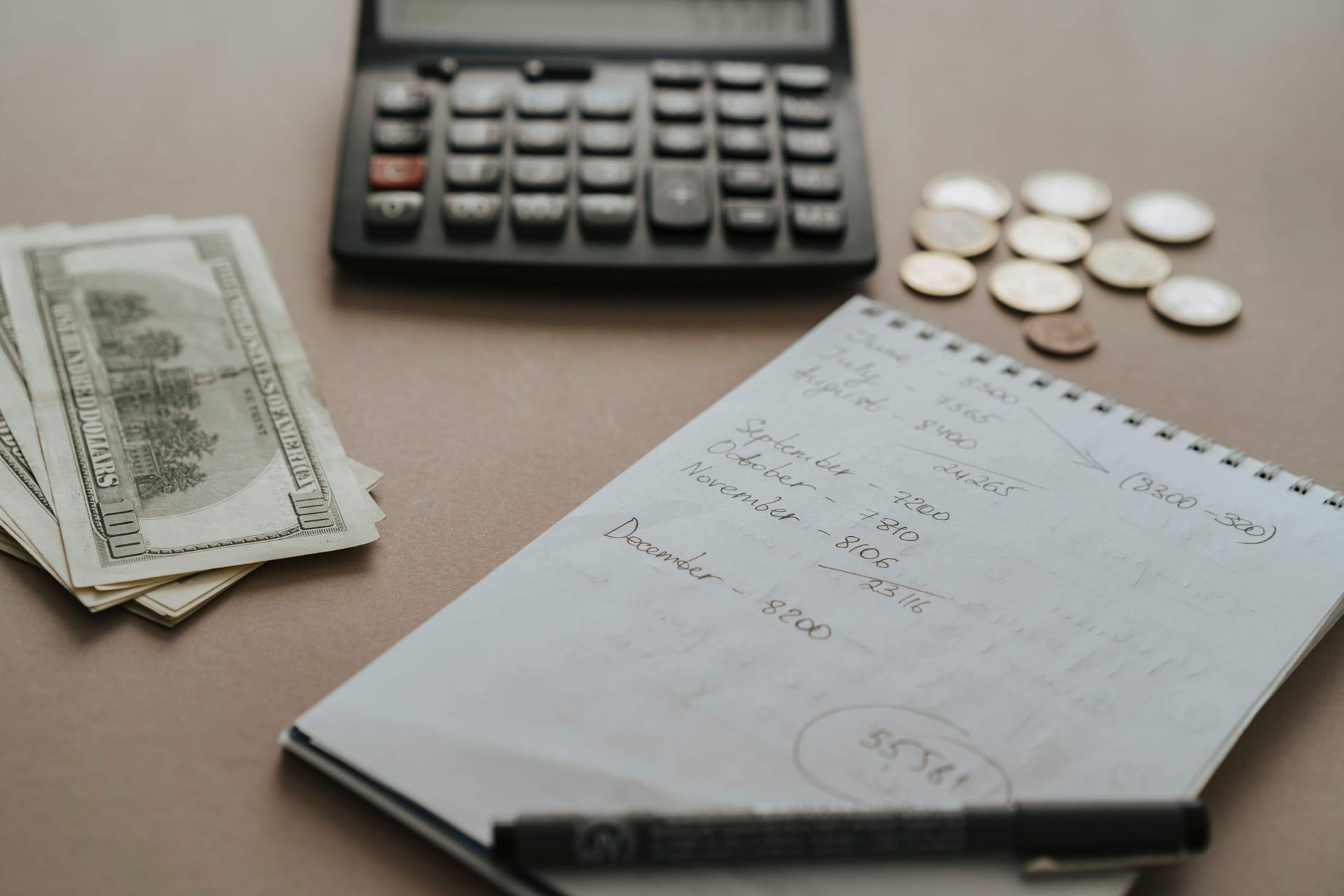
A ball python is one of the cheaper reptiles to keep annually, and the recurring costs are food, substrate replacement, electricity, the annual UVB tube if you run one, and veterinary care. Food is the smallest surprise - an adult eats roughly every one to two weeks, not daily. Electricity is usually the largest line, and it is the one you can calculate exactly: (watts / 1000) x hours per day x 365 x your own rate per kWh. We do not quote a total, because US residential electricity rates vary substantially by state and a single figure would be wrong for most readers.
Shed & Bask earns a commission from qualifying Amazon purchases made through links on this page. It does not change what we recommend or the order we rank things in. Read the full disclosure.
Why there is no number at the top of this page
Every "ball python cost per year" article you will find opens with a total, and that total is assembled from someone else's electricity rate, someone else's feeder prices and someone else's vet. It reads as authoritative and it is not actionable, because the single largest recurring line - electricity - can differ by a factor of two or more between US states.
So this page does what the rest of the site does with prices: it gives you the line items, how often each one lands, and the arithmetic. Fill in your own figures and you get a number you can actually budget against. The one-time outlay for the enclosure, lamp, thermostat and furnishings is a separate question, covered in ball python setup cost.
The recurring line items, by how often they land
| Line item | How often | What drives the cost |
|---|---|---|
| Electricity | Continuous | Heat source wattage, how hard the thermostat has to work, your room temperature and your rate per kWh |
| Food | Every 1-2 weeks for an adult | Prey size scales with the snake; buying frozen in bulk costs less per feed than buying singly |
| Substrate replacement | Every few months, by substrate type | Enclosure floor area and depth - a 4x2x2 at 3 in deep takes substantially more than a hatchling tub |
| UVB tube | Every 12 months, if you run UVB | Output decays while the tube still lights, so the interval is a calendar item rather than a judgement call |
| Veterinary care | Annual check, plus the unplanned | An exotics vet visit is the single largest realistic line in a bad year. Budget for it rather than hoping |
| Consumables | Occasional | Replacement bulb for the heat source, water conditioner if you use it, moss for the humid hide |
Electricity: the arithmetic, with your rate
This is the line most keepers underestimate and the only one you can calculate to the cent. The formula is the same one on our reptile lighting running costs page, extended to a year:
| Step | What you do |
|---|---|
| 1 | Take the wattage of the heat source - it is printed on the bulb or panel |
| 2 | Divide by 1,000 to get kilowatts |
| 3 | Multiply by hours of actual operation per day |
| 4 | Multiply by 365 |
| 5 | Multiply by your own rate per kWh, taken from your electricity bill |
We deliberately do not fill in step 5. Average US residential electricity prices vary substantially by state, and the US Energy Information Administration publishes the current figures if you want a regional reference rather than your own bill.
Step 3 is where the thermostat earns its money, and it is the part people get wrong. A heat source on a proportional thermostat is not drawing full wattage for twelve hours - it is dimmed to whatever fraction holds the warm hide at Warm hide 86-90 F (30-32 C) per the care reference. Hours of actual operation is lower than hours switched on, often by a lot, and in a warm room it can be dramatically lower. An unregulated heat source, by contrast, runs flat out and overshoots, so it costs the most and controls the least.
The purchase that lowers the biggest annual line
Spyder Robotics Herpstat 1 Proportional Thermostat
A proportional thermostat dims the heat source to hold one figure instead of running it flat out, which cuts actual operating hours as well as protecting the animal.
Food: smaller than people expect
A ball python is a crepuscular, terrestrial, tropical savanna snake that eats whole prey on a long interval - an adult roughly every one to two weeks rather than daily. Annual feed count is therefore in the dozens, not the hundreds, which is why food is rarely the line that decides whether this animal is affordable.
Two things change the figure. Prey size scales with the snake, so a growing animal costs more per year than a settled adult of the same appetite. And buying frozen in bulk costs materially less per feed than buying one at a time from a shop counter, assuming you have freezer space. We do not list prey prices here because they are regional and they move; check a current supplier rather than a figure in an article.
Substrate: a floor-area calculation
Substrate is bought by volume and your enclosure floor sets the volume. A 4x2x2 is 8 square feet of floor - 1,152 square inches - so filling it to 3 inches takes about 2 cubic feet, and a humid species wants depth rather than a dusting. Replacement interval depends on the material: a humid substrate is on a scheduled replacement clock, while a bioactive build is designed to be maintained by its clean-up crew instead of stripped.
That is the real cost difference between the two approaches, and it is why the bioactive route can be cheaper over several years despite costing more to establish. Cleaning and replacing substrate has the intervals by material, and bioactive basics covers the alternative.
The recurring substrate line
Coconut Husk / Cypress Mulch Humid Substrate
A humid substrate on a scheduled replacement interval - buy the replacement before the schedule comes due, so a cleaning day is not also a shopping day.
The two costs keepers forget
The annual UVB tube. If you run UVB for this species - and the published Ferguson zone target is UVI 2.0-3.0 at the basking area, so there is a figure to run it to - the tube is a yearly purchase. Output decays long before the tube stops producing visible light, so a lamp that looks perfectly healthy at eleven months is delivering a fraction of its rated output. It is a calendar item. When to replace UVB bulbs covers dating a tube, and best UVB for ball pythons covers which one.
The annual replacement, if you run UVB
Zoo Med ReptiSun T5 HO 5.0 UVB Lamp
The low-output T5 HO this species needs, on a 12-month replacement interval - budget it as a yearly line rather than a one-time purchase.
Veterinary care. An exotics vet is the largest realistic line in a bad year and it is the one most cost articles leave out entirely. A ball python can live decades, which means the question is not whether you will ever need a vet but when. We publish husbandry figures and product assessments and claim no veterinary credential; what we can say about cost is that budgeting for an annual check is cheaper than meeting a problem unprepared, and that most of the conditions that send a ball python to a vet trace back to husbandry that drifted out of range.
Where spending more actually saves money
Three places, and all three are one-time purchases that reduce a recurring line:
A proportional thermostat cuts actual operating hours on your largest annual line and protects the animal while doing it. A PVC enclosure rather than a screen-topped glass tank insulates, so the heat source works less hard to hold the same figure - the material choice shows up on the electricity bill every month. Accurate instruments are the cheapest insurance on the list: a digital thermometer and humidity gauge at animal height tells you the setup is in range before a drift becomes a vet visit.
The cheapest thing that prevents an expensive year
Zoo Med Digital Thermometer and Humidity Gauge
Air temperature and humidity read where the animal actually is, so husbandry drift gets caught early rather than diagnosed later.
So are ball pythons expensive to keep?
Relative to the other species on this site, no - and the reason is the feeding interval plus the absence of a high-UVI lighting requirement. A bearded dragon eats daily as a juvenile, needs salad as well as insects, and runs a 12-14% UVB tube on an annual replacement clock alongside a basking lamp. A ball python eats every week or two and needs a warm hide held at a figure. The annual running cost reflects that difference.
What a ball python is not is free, and the costs that bite are the ones that arrive on a schedule you did not write down: the tube at twelve months, the substrate at its interval, the vet when husbandry has drifted. Put the five line items above in a calendar and the annual cost of this animal becomes predictable, which is the actual thing people are asking for when they search for a total.
For the one-time setup outlay see ball python setup cost, for the heat hardware that drives the electricity line see best basking bulb for a ball python, and for the full component list see the ball python setup checklist.
Frequently asked questions
How much does a ball python cost per year?
We do not quote a total, because the largest recurring line - electricity - varies substantially by state. Calculate it as (watts / 1000) x hours of actual operation per day x 365 x your own rate per kWh, then add food every one to two weeks, substrate replacement at its interval, the annual UVB tube if you run one, and a veterinary budget.
What is the monthly cost of a ball python?
Monthly, the only reliably recurring items are electricity and food - two to four feeds a month for an adult. Substrate, the UVB tube and veterinary care land on longer intervals, so a monthly figure understates the real cost unless you divide those annual items across twelve months.
Are ball pythons expensive to take care of?
Less so than the other species on this site. They eat every one to two weeks rather than daily, and they do not need the high-output UVB and basking lamp combination a bearded dragon does. Electricity is usually the largest line, and a proportional thermostat plus an insulated PVC enclosure both reduce it.
What is the biggest recurring cost of keeping a ball python?
Electricity, in most setups - it runs continuously while food and substrate land on intervals. The exception is a bad year with a veterinary problem, which can exceed every other line combined.
Does a ball python need a UVB bulb replaced every year?
If you run UVB, yes - every 12 months. Output decays while the tube still lights, so it is a calendar replacement rather than a judgement call. Whether to run UVB at all is covered in do ball pythons need UVB.
Sources
- Electric Power Monthly - average retail price of electricity to residential customers — U.S. Energy Information Administration
- Ball Python Humidity & Temperature Requirements — ReptiFiles
- Ball Python Terrarium Size & Lighting — ReptiFiles
- Ball Python Substrate Options — ReptiFiles
- What Are Ferguson Zones? Reptile UVB Information — Zen Habitats
Read next
Hub
Ball python enclosures, heating and substrate
The enclosure should be at least as long as the snake. The idea that ball pythons want to be crammed into a small dark box is a myth the published guidance names as one.
Ball python
Ball python setup cost, line by line
Ball python setup line items in priority order, with recurring costs and where not to save.
Ball python
Best basking bulb for a ball python
Ball python heat sources scored against the published 86-90 F warm hide figure - including the honest answer that the best option is often lightless.
Lighting & heat
How much does it cost to run a reptile heat lamp?
How to calculate reptile heating and lighting running costs from your own rate.
Lighting & heat
When to replace a reptile UVB bulb
The 12-month replacement rule, why visible light misleads, and how to track it.
Substrate & safety
How to clean reptile substrate and when to replace it
Spot-cleaning, substrate replacement and deep-clean schedules, with named disinfectants.