Lighting & heat
Best reptile thermostats (2026)
The single most important specification is not accuracy. It is whether the control type matches your heat source, because an on/off unit will strobe a basking lamp.
By Brijon M.Last updated
Match the control type to the heat source. On/off controllers are fine for a lightless ceramic emitter or a heat mat, and will visibly strobe a halogen basking lamp. A light-emitting source needs a dimming or pulse-proportional thermostat.
Shed & Bask earns a commission from qualifying Amazon purchases made through links on this page. It does not change what we recommend or the order we rank things in. Read the full disclosure.
How we picked
Every pick below is scored against these thresholds, stated as numbers. Publishing them is the point: of the competitor roundups we surveyed, not one published a numeric selection threshold.
Control type matches the heat source
Proportional or dimming for a light-emitting lamp; on/off is acceptable only for a lightless emitter or mat
Source: ReptiFiles - Ball Python Humidity & Temperature Requirements
Manufacturer publishes an accuracy figure
A stated tolerance, e.g. plus or minus 0.5 F, rather than an unquantified claim
Stated maximum load
A published wattage ceiling per channel that covers the heat source you are running
Failure alarm
High and low temperature alarms, so a probe failure is announced rather than discovered
Remote probe placed where it matters
A probe you position at the basking surface or inside the warm hide, not an ambient sensor in the unit
Source: ReptiFiles - Bearded Dragon Temperatures & UVB Requirements
These are the same criteria every roundup on this site applies. See the full methodology.
Quick picks
Every row is scored against the published criteria below. Tap a row to read the full write-up.
| # | Product | Best for | Criteria met | Price |
|---|---|---|---|---|
| 1 | Vivarium Electronics VE-300X2 Dual Proportional Thermostat Best for two enclosures or two heat sources | Running two enclosures, or a basking lamp plus an ambient source | 4/5 | Check price on Amazon#ad We may earn a commission. Price and stock are resolved at Amazon. |
| 2 | Spyder Robotics Herpstat 1 Proportional Thermostat Best single-channel proportional | One enclosure, one lamp, dimmed properly | 4/5 | Check price on Amazon#ad We may earn a commission. Price and stock are resolved at Amazon. |
| 3 | 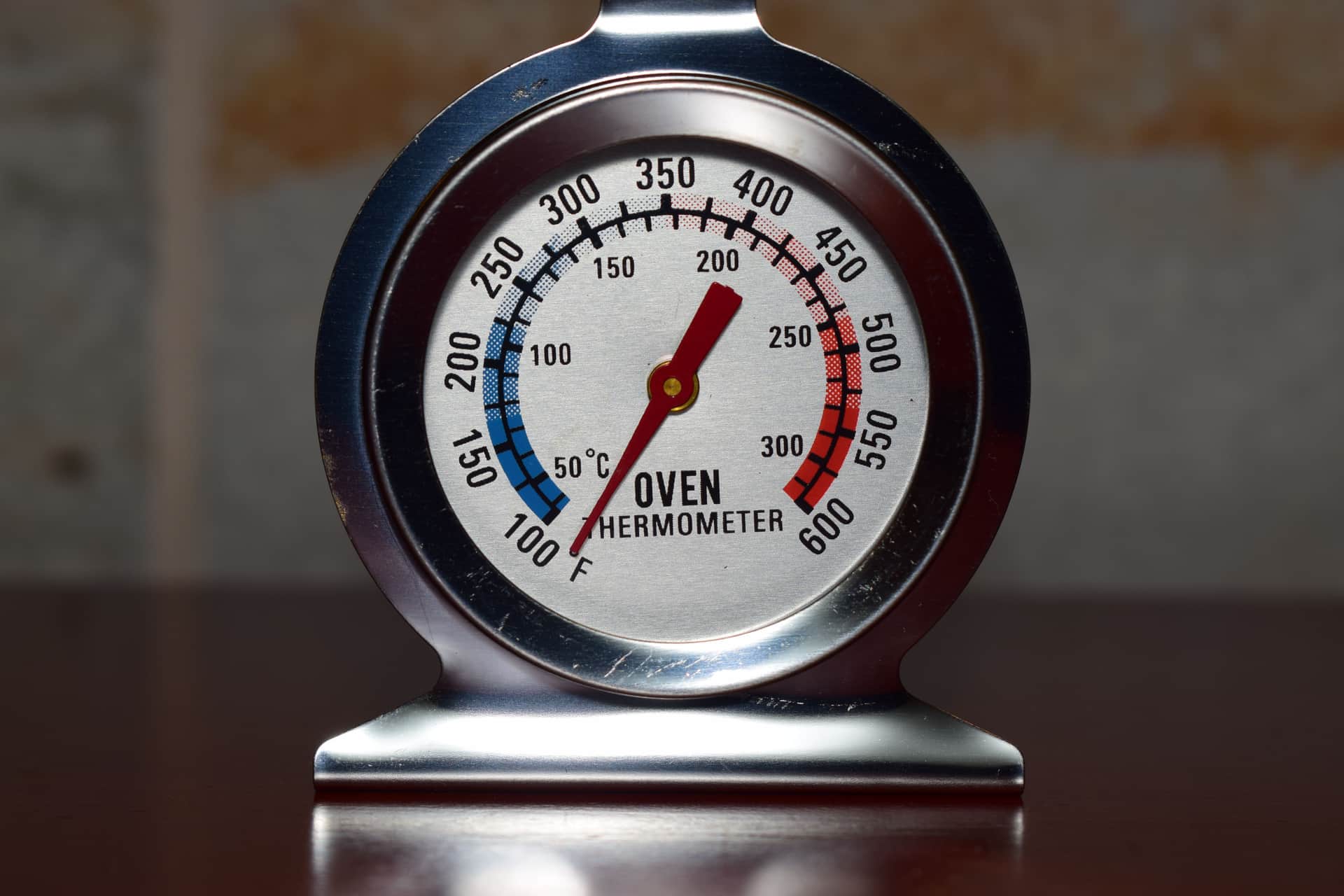 Inkbird ITC-308 Temperature Controller Best budget controller for a lightless source | A single lightless heat source on a budget | 3/5 | Check price on Amazon#ad We may earn a commission. Price and stock are resolved at Amazon. |
Control type decides which thermostats you can even consider
Three control types exist in this category and the distinction is practical, not academic.
| Control type | How it works | Use with | Do not use with |
|---|---|---|---|
| On/off | Switches the circuit fully on and fully off around a setpoint | Ceramic emitters, heat mats, radiant panels | Any light-emitting bulb - it will strobe |
| Pulse proportional | Rapid pulses of power, averaging to the required output | Ceramic emitters, mats, panels | Light-emitting bulbs (the pulsing is visible) |
| Dimming proportional | Varies voltage continuously, like a light dimmer | Halogen and incandescent basking lamps | Nothing - it is the most broadly compatible |
The practical consequence: if your only heat source is a halogen basking lamp, the budget on/off controller is not a cheaper option, it is the wrong product. The full explanation of the three types is here.
Probe placement is where setups actually go wrong
A thermostat controls the temperature at its probe, not the temperature you care about. Put the probe at the basking surface and the thermostat holds the basking surface. Put it in the air at the cool end and it will drive the lamp hard trying to raise the whole enclosure. For a ball python, the published figures are hide temperatures, so the probe goes in the warm hide. For a bearded dragon, the basking surface figure of 108-113 F (42-45 C) surface temperature is a surface reading, so the probe sits at the basking site and you verify with an infrared gun.
Load, and why it is not usually the constraint
A stated maximum load matters, but reptile heat sources are small relative to the ceilings on these units - 600 W per channel on the VE-300X2 covers several lamps. The figure matters most when one channel is running a cluster of basking bulbs, which the published ball python guidance recommends for enclosures longer than 36 inches.
What to avoid
- Running any heat source with no controller at all. This is the non-negotiable one.
- An on/off controller on a halogen or incandescent lamp.
- A controller with no remote probe, where the sensor sits inside the display unit and reads the room rather than the enclosure.
- Treating the thermostat as a thermometer. It reports its probe. You still need an independent reading to confirm the enclosure. The instruments are here.
The picks in full
1. Best for two enclosures or two heat sources
Vivarium Electronics VE-300X2 Dual Proportional Thermostat
Vivarium Electronics · Running two enclosures, or a basking lamp plus an ambient source
Two independent true-proportional channels at a stated 600 W each, with high and low alarms. Proportional control holds a setpoint by modulating power rather than slamming the circuit on and off, which keeps the basking surface steadier and is easier on filament bulbs. The accuracy score is partial only because the headline specification is the control type rather than a published tolerance figure.
Specifications
- Channels
- 2, independent
- Control type
- True proportional (PWM)
- Max load
- 600 W per channel
- Alarms
- High and low temperature alarms
How it scored against our criteria
| Control type matches the heat sourceProportional or dimming for a light-emitting lamp; on/off is acceptable only for a lightless emitter or mat | Meets |
|---|---|
| Manufacturer publishes an accuracy figureA stated tolerance, e.g. plus or minus 0.5 F, rather than an unquantified claim | Partial |
| Stated maximum loadA published wattage ceiling per channel that covers the heat source you are running | Meets |
| Failure alarmHigh and low temperature alarms, so a probe failure is announced rather than discovered | Meets |
| Remote probe placed where it mattersA probe you position at the basking surface or inside the warm hide, not an ambient sensor in the unit | Meets |
What works
- Proportional control keeps temperature stable rather than swinging around a setpoint
- Pulsing instead of hard switching is easier on filament bulbs
- Alarms tell you about a failure before the animal does
What to know
- Costs several times what an on/off controller does
- More setup than a plug-in controller
Who should look elsewhere
If you run exactly one heat mat on one enclosure and never plan to add another, a single-channel on/off controller does that job for much less.
2. Best single-channel proportional
Spyder Robotics Herpstat 1 Proportional Thermostat
Spyder Robotics · One enclosure, one lamp, dimmed properly
The single-channel proportional controller most often named alongside Vivarium Electronics in real keeper setups. Dimming output means a halogen basking lamp holds steady rather than flashing, and the alarm output catches a probe failure before the animal does.
Specifications
- Channels
- 1
- Control type
- Proportional / dimming
- Suits
- Halogen basking lamps and lightless emitters
- Alarms
- Configurable
How it scored against our criteria
| Control type matches the heat sourceProportional or dimming for a light-emitting lamp; on/off is acceptable only for a lightless emitter or mat | Meets |
|---|---|
| Manufacturer publishes an accuracy figureA stated tolerance, e.g. plus or minus 0.5 F, rather than an unquantified claim | Partial |
| Stated maximum loadA published wattage ceiling per channel that covers the heat source you are running | Meets |
| Failure alarmHigh and low temperature alarms, so a probe failure is announced rather than discovered | Meets |
| Remote probe placed where it mattersA probe you position at the basking surface or inside the warm hide, not an ambient sensor in the unit | Meets |
What works
- Dimming output means a basking lamp holds steady without flashing
- Alarm output catches a probe failure
- Single channel keeps the cost below a dual unit
What to know
- One channel only, so a second enclosure needs a second unit
- Overkill if your only heat source is a mat
Who should look elsewhere
Running two or more enclosures? A dual-channel unit costs less than two singles and gives you one place to check.
3. Best budget controller for a lightless source
Inkbird ITC-308 Temperature Controller
Inkbird · A single lightless heat source on a budget
A dual-relay on/off controller with a published 58-248 F range and a stated plus or minus 0.5 F accuracy - the clearest accuracy figure of the three, which is why it scores highest on that criterion. The control-type score is partial and it is the thing that decides whether you can buy it: on/off switching is fine for a ceramic emitter or a mat, and completely unsuitable for a light-emitting lamp.
Specifications
- Control type
- On/off (dual relay, heating and cooling)
- Stated range
- 58-248 F
- Stated accuracy
- Plus or minus 0.5 F
- Form
- Plug-in, no wiring
How it scored against our criteria
| Control type matches the heat sourceProportional or dimming for a light-emitting lamp; on/off is acceptable only for a lightless emitter or mat | Partial |
|---|---|
| Manufacturer publishes an accuracy figureA stated tolerance, e.g. plus or minus 0.5 F, rather than an unquantified claim | Meets |
| Stated maximum loadA published wattage ceiling per channel that covers the heat source you are running | Meets |
| Failure alarmHigh and low temperature alarms, so a probe failure is announced rather than discovered | Partial |
| Remote probe placed where it mattersA probe you position at the basking surface or inside the warm hide, not an ambient sensor in the unit | Meets |
What works
- Plug-in, so there is nothing to wire
- Puts a heat mat or ceramic emitter under control immediately
- Widely available and widely used
What to know
- On/off switching makes a light-emitting bulb flash, so it is unsuitable for halogen basking lamps
- Hard cycling shortens filament bulb life
Who should look elsewhere
If your heat source emits light, do not buy this. An on/off controller will strobe your basking lamp. Buy a dimming or pulse-proportional unit instead.
Frequently asked questions
Do you need a thermostat for a reptile heat lamp?
Yes. An uncontrolled heat source has no upper limit other than equilibrium with its surroundings, which makes it both a burn risk to the animal and a fire risk to the enclosure. For a light-emitting lamp the controller must be a dimming or pulse-proportional type.
What is the difference between on/off and proportional thermostats?
An on/off thermostat switches the circuit fully on and fully off around a setpoint. A proportional one modulates power so the output settles at the level that holds the temperature. Proportional control gives a steadier temperature and is the only type suitable for a light-emitting bulb.
Where should the thermostat probe go?
Wherever the published figure is specified. For a bearded dragon, at the basking surface. For a ball python, inside the warm hide, because the published target is a hide temperature. Never loose in the air at the cool end.
Sources
- Bearded Dragon Temperatures & UVB Requirements — ReptiFiles
- Ball Python Humidity & Temperature Requirements — ReptiFiles
Read next
Hub
Reptile UVB, heat and thermostats
Wattage and percentage tell you almost nothing on their own. UV index at a stated mount distance is the number that decides whether a lamp is right for your animal.
Lighting & heat
How reptile thermostats work
On/off, pulse and dimming control explained, and which heat source each suits.
Lighting & heat
Best reptile heat lamps and heat sources (2026)
Heat sources ranked by infrared band, thermostat compatibility and the species basking figure they can reach.
Lighting & heat
Can a reptile heat lamp start a fire?
The three ways a reptile heat lamp causes a fire, and the control for each.
Lighting & heat
Best reptile thermometers and humidity gauges (2026)
The two instruments that can actually read the published figures: an infrared gun and a probe combo.
Ball python
Ball python heating requirements
Ball python heating: the hide figures, the air ceiling, and the two-bulb rule.