Guides
4 best reptile enclosures for beginners (2026)
A beginner enclosure is not a smaller enclosure. It is the adult enclosure bought first, because the mistake that costs new keepers the most money is buying the stage rather than the animal.
By Brijon M.Last updated
The best beginner reptile enclosure is the adult-sized one, bought first. For a leopard gecko that is a 36 x 18 x 18 in front-opening glass terrarium (4.5 sq ft of floor); for a crested gecko an 18 x 18 x 36 in tall terrarium; for a bearded dragon or an adult ball python a 48 x 24 x 24 in PVC enclosure. Buying a smaller starter size means buying twice.
Shed & Bask earns a commission from qualifying Amazon purchases made through links on this page. It does not change what we recommend or the order we rank things in. Read the full disclosure.
How we picked
Every pick below is scored against these thresholds, stated as numbers. Publishing them is the point: of the competitor roundups we surveyed, not one published a numeric selection threshold.
Meets the published adult footprint
At or above the cited minimum for the species it is sold for - 4.5 sq ft floor for a leopard gecko, about 8 sq ft for an adult ball python, 48 x 24 x 24 in or larger for a dragon, 18 x 18 x 36 in for a crested gecko
Source: ReptiFiles - Bearded Dragon Terrarium Size Requirements
Front-opening access
Doors on the front, not a lift-off lid. Less startling for the animal and harder to escape from
Holds the species humidity range
Material and lid design can hold the species target without constant intervention - 30-40% for a leopard gecko, 60-80% for a crested gecko
Takes a T5 fixture at a workable distance
Mesh top or internal mounting that puts a T5 HO lamp at its published distance - about 11 in through mesh for an Arcadia Desert 12%
Source: ReptiFiles - Bearded Dragon Temperatures & UVB Requirements
Supports a real thermal gradient
Long enough that the cool end actually reaches the species cool-side figure while the basking surface holds its target
Source: ReptiFiles - Bearded Dragon Temperatures & UVB Requirements
Materials we can account for
Manufacturer states the panel material, and any interior coating has a published temperature limit above the species basking surface temperature
Source: U.S. Environmental Protection Agency - Volatile Organic Compounds' Impact on Indoor Air Quality
These are the same criteria every roundup on this site applies. See the full methodology.
Quick picks
Every row is scored against the published criteria below. Tap a row to read the full write-up.
| # | Product | Best for | Criteria met | Price |
|---|---|---|---|---|
| 1 | REPTI ZOO Front-Opening Glass Terrarium Best first enclosure for a leopard gecko | A leopard gecko at the 36 x 18 x 18 in minimum | 5/6 | Check price on Amazon#ad We may earn a commission. Price and stock are resolved at Amazon. |
| 2 | 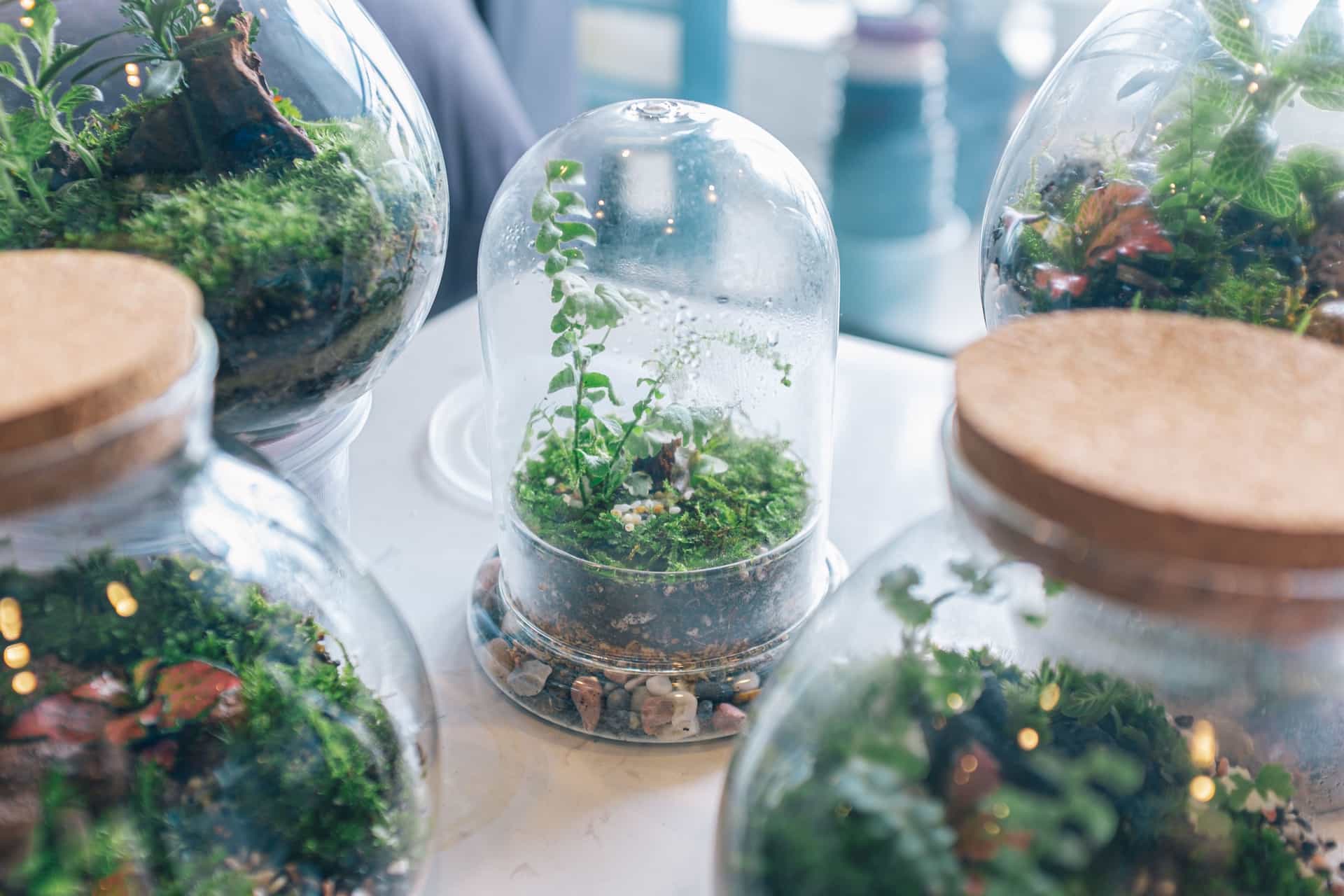 Exo Terra Glass Terrarium 18 x 18 x 36 Best first enclosure for a crested gecko | An adult crested gecko at the published 18 x 18 x 36 in minimum | 5/6 | Check price on Amazon#ad We may earn a commission. Price and stock are resolved at Amazon. |
| 3 | 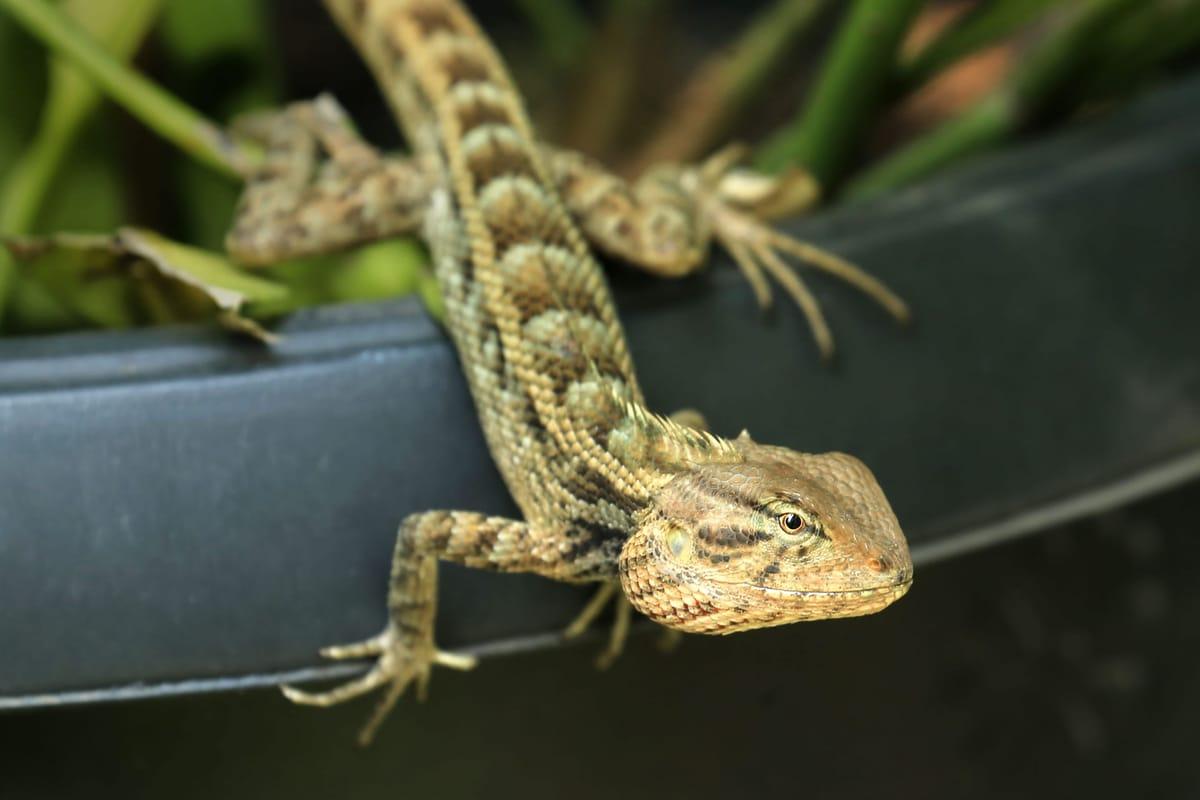 Zen Habitats 4x2x2 PVC Reptile Enclosure Best first enclosure for a bearded dragon | A 4x2x2 adult dragon or an adult ball python | 6/6 | Check price on Amazon#ad We may earn a commission. Price and stock are resolved at Amazon. |
| 4 | 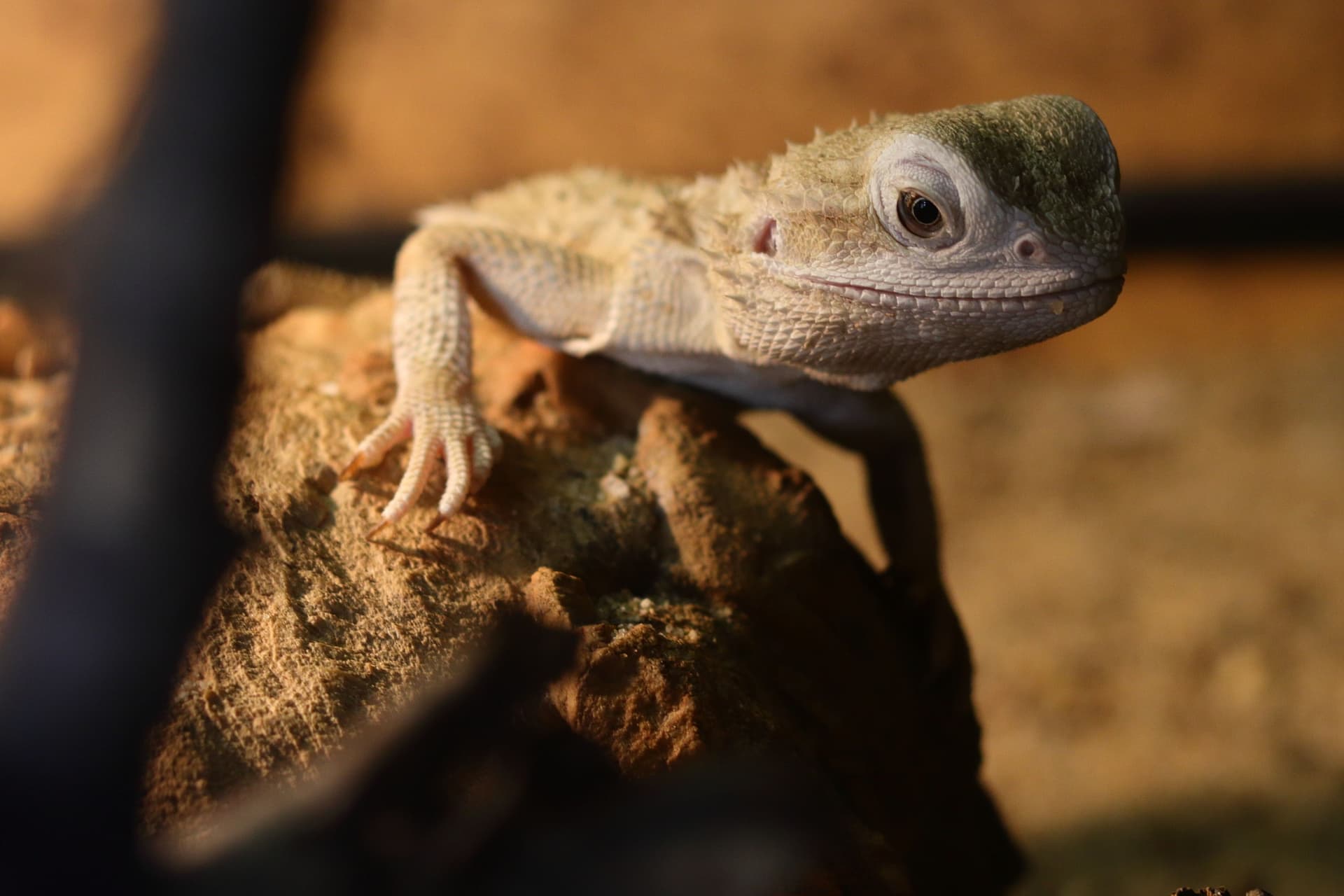 Dubia.com 4x2x2 (120 Gallon) Reptile Enclosure Best first enclosure for a ball python | An adult ball python, or a small adult dragon | 5/6 | Check price on Amazon#ad We may earn a commission. Price and stock are resolved at Amazon. |
What makes an enclosure beginner-friendly
Not the size of the animal in it. The three things that actually decide whether a first setup goes well are: whether the enclosure is already the correct adult size, how much daily intervention it needs to hold the species humidity figure, and whether a UVB fixture can be mounted at its published distance without improvisation. Everything else - the background, the hides, the branches - is adjustable after the animal arrives. Those three are not.
That is why this page does not rank a 10-gallon starter kit anywhere. The starter framing is a retail convention rather than a husbandry one, and the published minimums do not contain a beginner tier.
The size you are actually buying for
| Species | Published adult minimum | Beginner enclosure on this page | The binding constraint |
|---|---|---|---|
| Leopard gecko | 36 x 18 x 18 in with at least 4.5 sq ft of floor space | 36 x 18 x 18 in glass | Floor area - height buys nothing for a ground-dweller |
| Crested gecko | 18 x 18 x 36 in for juveniles and adults over 12 g | 18 x 18 x 36 in glass | Height - the reverse of the leopard gecko |
| Bearded dragon | 48 x 24 x 24 in (4 x 2 x 2 ft, about 120 gallons) | 48 x 24 x 24 in PVC | Lamp distance and a real 48 in thermal gradient |
| Ball python | 48 x 24 x 24 in (120 x 60 x 60 cm), about 8 sq ft of floor area | 48 x 24 x 24 in PVC | Length, and humidity that stays where you put it |
Glass or PVC, for a first-time keeper
Glass is cheaper per square foot, is easy to find locally, and sheds heat well - which makes a warm-to-cool gradient easier rather than harder to establish. For a dry species it is the right beginner material. A leopard gecko sits at 30-40% ambient, with a humid hide at 70-80%, so a screen top losing moisture is helping you.
PVC costs more and pays it back the moment you have a humidity figure to hold. A crested gecko at 60-80%, allowed to dry back to 40-50% between mistings or a ball python through a shed cycle in a screen-topped glass tank becomes a daily misting job, and the daily job is what new keepers quietly stop doing. The published ball python guidance is blunt about where undersized, badly-controlled housing leads. The full material comparison is on PVC vs glass vs wood.
Buy in this order, not all at once
A first setup fails on sequence more often than on budget. The enclosure and the thermostat come first, because an uncontrolled heat source is the only item on the list that can injure an animal on day one. Then the UVB lamp and its fixture, measured in rather than guessed at. Then substrate at the published depth. Decor last, after you have watched the temperature readings hold for several days with nothing living in the box.
Our beginner setup mistakes page is the companion to this one, and how to set up a reptile enclosure walks the sequence end to end with the cure and soak times that stop people putting an animal in too early.
What we will not recommend to a beginner at any price
- Any enclosure below the published adult footprint, including the 20-gallon long for a leopard gecko and the 40-gallon breeder as a permanent adult dragon or adult ball python enclosure.
- An all-in-one kit priced around its bulb. If the UVB in the box is a compact coil, the kit is cheaper than it looks for a reason.
- A heat source with no thermostat. There is no beginner version of this decision. See how thermostats work.
- Second-hand enclosures with unknown interior coatings. You cannot verify what is on the inside surface, which is the one thing this site tells you to verify - see enclosure materials.
The clean sweep on this page
Zen Habitats 4x2x2 PVC Reptile Enclosure
The only enclosure here that scores meets on all six criteria, and the easiest to light correctly on a first attempt.
The cheapest correct first enclosure
REPTI ZOO Front-Opening Glass Terrarium
4.5 sq ft of floor is the published adult leopard gecko figure, so this is a first enclosure you do not replace.
The picks in full
1. Best first enclosure for a leopard gecko
REPTI ZOO Front-Opening Glass Terrarium
REPTI ZOO · A leopard gecko at the 36 x 18 x 18 in minimum
36 x 18 x 18 in is 4.5 sq ft of floor, which is the published adult leopard gecko figure exactly - so a beginner who buys this buys once. Front-opening doors matter more for a first reptile than most buying guides admit: reaching in from above is what a predator does, and a new keeper handling a new animal needs every calming factor available. It scores partial on humidity because a screen top sheds moisture, which is the correct trade for a 30-40% species and the wrong one for anything tropical.
Specifications
- Common sizes
- 36 x 18 x 18 in and 18 x 18 x 24 in among others
- Material
- Glass with a screen top
- Opening
- Front-opening doors
- Lock
- Door lock included on most models
How it scored against our criteria
| Meets the published adult footprintAt or above the cited minimum for the species it is sold for - 4.5 sq ft floor for a leopard gecko, about 8 sq ft for an adult ball python, 48 x 24 x 24 in or larger for a dragon, 18 x 18 x 36 in for a crested gecko | Meets |
|---|---|
| Front-opening accessDoors on the front, not a lift-off lid. Less startling for the animal and harder to escape from | Meets |
| Holds the species humidity rangeMaterial and lid design can hold the species target without constant intervention - 30-40% for a leopard gecko, 60-80% for a crested gecko | Partial |
| Takes a T5 fixture at a workable distanceMesh top or internal mounting that puts a T5 HO lamp at its published distance - about 11 in through mesh for an Arcadia Desert 12% | Meets |
| Supports a real thermal gradientLong enough that the cool end actually reaches the species cool-side figure while the basking surface holds its target | Meets |
| Materials we can account forManufacturer states the panel material, and any interior coating has a published temperature limit above the species basking surface temperature | Meets |
What works
- Glass dissipates heat well, which makes a temperature gradient easier to establish
- Front-opening is less startling for the animal than reaching in from above
- Easy to see and easy to clean
What to know
- A screen top sheds humidity constantly, which is the wrong trade for a crested gecko or ball python
- Heavy, and a large glass tank is awkward to move once filled
Who should look elsewhere
If you need to hold 60-80% humidity, glass with a screen top will fight you every day. Buy PVC instead and stop misting four times a day.
2. Best first enclosure for a crested gecko
Exo Terra Glass Terrarium 18 x 18 x 36
Exo Terra · An adult crested gecko at the published 18 x 18 x 36 in minimum
18 x 18 x 36 in is the published minimum for a crested gecko over 12 g, and buying it first prevents the single most common upgrade a new crestie keeper makes - because the 18 x 18 x 24 in version sits beside it at a lower price and looks like the same thing. The honest caveat is that you will be misting to hold 60-80%, so a probe hygrometer belongs in the same order.
Specifications
- Footprint
- 18 x 18 x 36 in
- Material
- Glass, front-opening doors
- Top
- Full screen, lamp-compatible
- Drainage
- Raised bottom frame suits a drainage layer
How it scored against our criteria
| Meets the published adult footprintAt or above the cited minimum for the species it is sold for - 4.5 sq ft floor for a leopard gecko, about 8 sq ft for an adult ball python, 48 x 24 x 24 in or larger for a dragon, 18 x 18 x 36 in for a crested gecko | Meets |
|---|---|
| Front-opening accessDoors on the front, not a lift-off lid. Less startling for the animal and harder to escape from | Meets |
| Holds the species humidity rangeMaterial and lid design can hold the species target without constant intervention - 30-40% for a leopard gecko, 60-80% for a crested gecko | Partial |
| Takes a T5 fixture at a workable distanceMesh top or internal mounting that puts a T5 HO lamp at its published distance - about 11 in through mesh for an Arcadia Desert 12% | Meets |
| Supports a real thermal gradientLong enough that the cool end actually reaches the species cool-side figure while the basking surface holds its target | Meets |
| Materials we can account forManufacturer states the panel material, and any interior coating has a published temperature limit above the species basking surface temperature | Meets |
What works
- Dimensions match the published crested gecko adult minimum with nothing to convert
- Tall front doors make planting and rearranging easy
- Screen top takes a low-output T5 fixture without an internal mount
What to know
- The screen top loses humidity fast, so expect to cover part of it
- Glass at this height is heavy and needs a solid stand
Who should look elsewhere
A hatchling under 12 g should not go straight into this. Grow it out in a 12 x 12 x 12 in first so you can actually find it and monitor its weight.
3. Best first enclosure for a bearded dragon
Zen Habitats 4x2x2 PVC Reptile Enclosure
Zen Habitats · A 4x2x2 adult dragon or an adult ball python
This is the only pick on the page that scores clean across all six criteria, and for a beginner the criterion that earns it the slot is lamp mounting. A mesh top takes a T5 HO fixture at its published distance with no internal bracket, no spacer stack and no guesswork - which removes the most common beginner lighting error, a UVB lamp mounted at the wrong distance, before it can happen.
Specifications
- Footprint
- 48 x 24 x 24 in (about 120 gallons)
- Material
- PVC panels with an aluminum frame
- Opening
- Front-opening doors
- Top
- Mesh, lamp-compatible
How it scored against our criteria
| Meets the published adult footprintAt or above the cited minimum for the species it is sold for - 4.5 sq ft floor for a leopard gecko, about 8 sq ft for an adult ball python, 48 x 24 x 24 in or larger for a dragon, 18 x 18 x 36 in for a crested gecko | Meets |
|---|---|
| Front-opening accessDoors on the front, not a lift-off lid. Less startling for the animal and harder to escape from | Meets |
| Holds the species humidity rangeMaterial and lid design can hold the species target without constant intervention - 30-40% for a leopard gecko, 60-80% for a crested gecko | Meets |
| Takes a T5 fixture at a workable distanceMesh top or internal mounting that puts a T5 HO lamp at its published distance - about 11 in through mesh for an Arcadia Desert 12% | Meets |
| Supports a real thermal gradientLong enough that the cool end actually reaches the species cool-side figure while the basking surface holds its target | Meets |
| Materials we can account forManufacturer states the panel material, and any interior coating has a published temperature limit above the species basking surface temperature | Meets |
What works
- Front-opening, which is the access pattern every care reference prefers
- PVC holds humidity far better than screen-topped glass
- Mesh top takes a T5 HO fixture without an internal mount
What to know
- Does not reach the 24 cubic feet ReptiFiles now sets as its bearded dragon minimum
- Assembly is required and the panels are large to handle alone
Who should look elsewhere
If your dragon is a full-size adult at 19-23 in total length, the current ReptiFiles minimum is 6 x 2 x 2 ft or 24 cubic feet. Buy the 6 ft size instead of this one.
4. Best first enclosure for a ball python
Dubia.com 4x2x2 (120 Gallon) Reptile Enclosure
Dubia.com · An adult ball python, or a small adult dragon
48 x 24 x 24 in of PVC is about 8 sq ft of floor and an enclosure that holds a humidity level instead of leaking it. For a first snake that is the whole argument: a beginner in a screen-topped glass tank spends the first six months fighting humidity, and the usual fix is a fogger they did not budget for. Opaque sides also give a new, nervous animal visual security without taping paper over the glass. Partial on lamp mounting, because a solid top needs an internal fixture mount.
Specifications
- Footprint
- 48 x 24 x 24 in (120 gallon)
- Material
- PVC
- Opening
- Front-opening
- Humidity
- Opaque on five sides, which helps hold humidity
How it scored against our criteria
| Meets the published adult footprintAt or above the cited minimum for the species it is sold for - 4.5 sq ft floor for a leopard gecko, about 8 sq ft for an adult ball python, 48 x 24 x 24 in or larger for a dragon, 18 x 18 x 36 in for a crested gecko | Meets |
|---|---|
| Front-opening accessDoors on the front, not a lift-off lid. Less startling for the animal and harder to escape from | Meets |
| Holds the species humidity rangeMaterial and lid design can hold the species target without constant intervention - 30-40% for a leopard gecko, 60-80% for a crested gecko | Meets |
| Takes a T5 fixture at a workable distanceMesh top or internal mounting that puts a T5 HO lamp at its published distance - about 11 in through mesh for an Arcadia Desert 12% | Partial |
| Supports a real thermal gradientLong enough that the cool end actually reaches the species cool-side figure while the basking surface holds its target | Meets |
| Materials we can account forManufacturer states the panel material, and any interior coating has a published temperature limit above the species basking surface temperature | Meets |
What works
- Carries the 8 sq ft of floor area an adult ball python needs
- Opaque sides give a snake visual security without taping paper to glass
- PVC is lighter than a glass tank of the same volume
What to know
- Ventilation needs checking if you run it humid for a python
- Shipping damage on large panels is a real risk with any flat-pack enclosure
Who should look elsewhere
If your ball python is over 4 ft, the enclosure should be at least as long as the snake. Go to a 5 or 6 ft build rather than forcing an adult into a 4 ft box.
Frequently asked questions
What size enclosure should a beginner buy for a first reptile?
The published adult size, immediately. For a leopard gecko that is 36 x 18 x 18 in with at least 4.5 sq ft of floor space (care guidance); for a crested gecko 18 x 18 x 36 in for juveniles and adults over 12 g; for a bearded dragon or adult ball python 48 x 24 x 24 in or larger. Buying a smaller stage first is the most common and most expensive beginner mistake.
Are reptile starter kits worth buying?
Usually not. Most are priced around a compact coil UVB bulb that cannot reach a species UVI target at a safe distance, and most ship an enclosure below the published adult footprint, so you end up replacing the bulb and the box. Best reptile UVB bulbs covers the lamp side separately.
Which beginner reptile needs the least equipment?
A leopard gecko, on equipment count alone: low humidity, a low UVI target of UVI 0.5-1.5 at the basking spot, and no height requirement. It still needs a thermostat, a measured surface temperature and 4.5 sq ft of floor, so least is not little.
Is glass or PVC better for a first reptile enclosure?
Glass for a dry species such as a leopard gecko - cheaper, easy to find, and it sheds the moisture you do not want. PVC for anything with a humidity figure to hold, including crested geckos and ball pythons, because it holds that figure without daily intervention.
Sources
- Leopard Gecko Terrarium Size & Lighting Requirements — ReptiFiles
- Crested Gecko Terrarium Size & Cohabitation Notes — ReptiFiles
- Bearded Dragon Terrarium Size Requirements — ReptiFiles
- Ball Python Terrarium Size & Lighting — ReptiFiles
Read next
Hub
Reptile enclosure guides and comparisons
The cross-species decisions: what material to buy, how big it has to be, whether to build it yourself, and which beginner mistakes are expensive.
Guides
7 best reptile enclosures (2026), judged against published footprint minimums
Enclosures ranked against the published adult minimum for each species, not against gallon ratings.

Guides
9 beginner reptile setup mistakes that cost the most
The nine setup mistakes that cost beginners the most, and what to buy instead in what order.
Guides
How to set up a reptile enclosure, in order
The setup sequence end to end, with cure times and the three-day temperature test before the animal arrives.
Guides
Reptile enclosure size chart
Minimum enclosure footprints by species and life stage, in inches, cm and gallons.
Guides
Best enclosures for baby reptiles, and when to skip the grow-out
Hatchling enclosures split into the grow-out route and the buy-once route, with the clutter rule that makes buy-once work.