Guides
7 best reptile enclosures (2026), judged against published footprint minimums
Most enclosure roundups compare price and looks. This one starts from the published minimum footprint for the animal you actually keep, and rules out anything below it.
By Brijon M.Last updated
Choose the enclosure by the published minimum footprint for your species, not by gallons: 36 x 18 x 18 in with at least 4.5 sq ft of floor space for a leopard gecko, 48 x 24 x 24 in (120 x 60 x 60 cm), about 8 sq ft of floor area for an adult ball python, 18 x 18 x 36 in for juveniles and adults over 12 g for a crested gecko, and 48 x 24 x 24 in as the floor for a bearded dragon with 72 x 24 x 24 in as the current published target.
Shed & Bask earns a commission from qualifying Amazon purchases made through links on this page. It does not change what we recommend or the order we rank things in. Read the full disclosure.
How we picked
Every pick below is scored against these thresholds, stated as numbers. Publishing them is the point: of the competitor roundups we surveyed, not one published a numeric selection threshold.
Meets the published adult footprint
At or above the cited minimum for the species it is sold for - 4.5 sq ft floor for a leopard gecko, about 8 sq ft for an adult ball python, 48 x 24 x 24 in or larger for a dragon, 18 x 18 x 36 in for a crested gecko
Source: ReptiFiles - Bearded Dragon Terrarium Size Requirements
Front-opening access
Doors on the front, not a lift-off lid. Less startling for the animal and harder to escape from
Holds the species humidity range
Material and lid design can hold the species target without constant intervention - 30-40% for a leopard gecko, 60-80% for a crested gecko
Takes a T5 fixture at a workable distance
Mesh top or internal mounting that puts a T5 HO lamp at its published distance - about 11 in through mesh for an Arcadia Desert 12%
Source: ReptiFiles - Bearded Dragon Temperatures & UVB Requirements
Supports a real thermal gradient
Long enough that the cool end actually reaches the species cool-side figure while the basking surface holds its target
Source: ReptiFiles - Bearded Dragon Temperatures & UVB Requirements
Materials we can account for
Manufacturer states the panel material, and any interior coating has a published temperature limit above the species basking surface temperature
Source: U.S. Environmental Protection Agency - Volatile Organic Compounds' Impact on Indoor Air Quality
These are the same criteria every roundup on this site applies. See the full methodology.
Quick picks
Every row is scored against the published criteria below. Tap a row to read the full write-up.
| # | Product | Best for | Criteria met | Price |
|---|---|---|---|---|
| 1 | 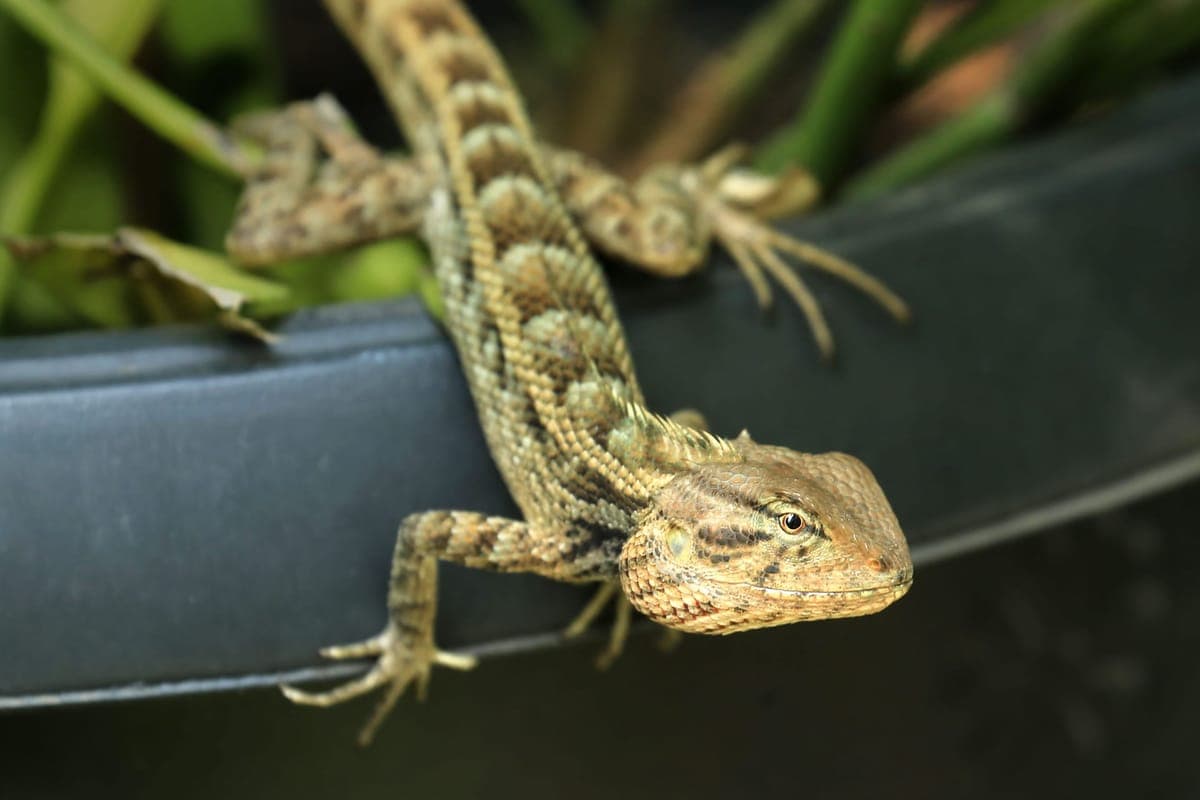 Zen Habitats 4x2x2 PVC Reptile Enclosure Best for a 4x2x2 adult dragon or ball python | A 4x2x2 adult dragon or an adult ball python | 5/6 | Check price on Amazon#ad We may earn a commission. Price and stock are resolved at Amazon. |
| 2 | 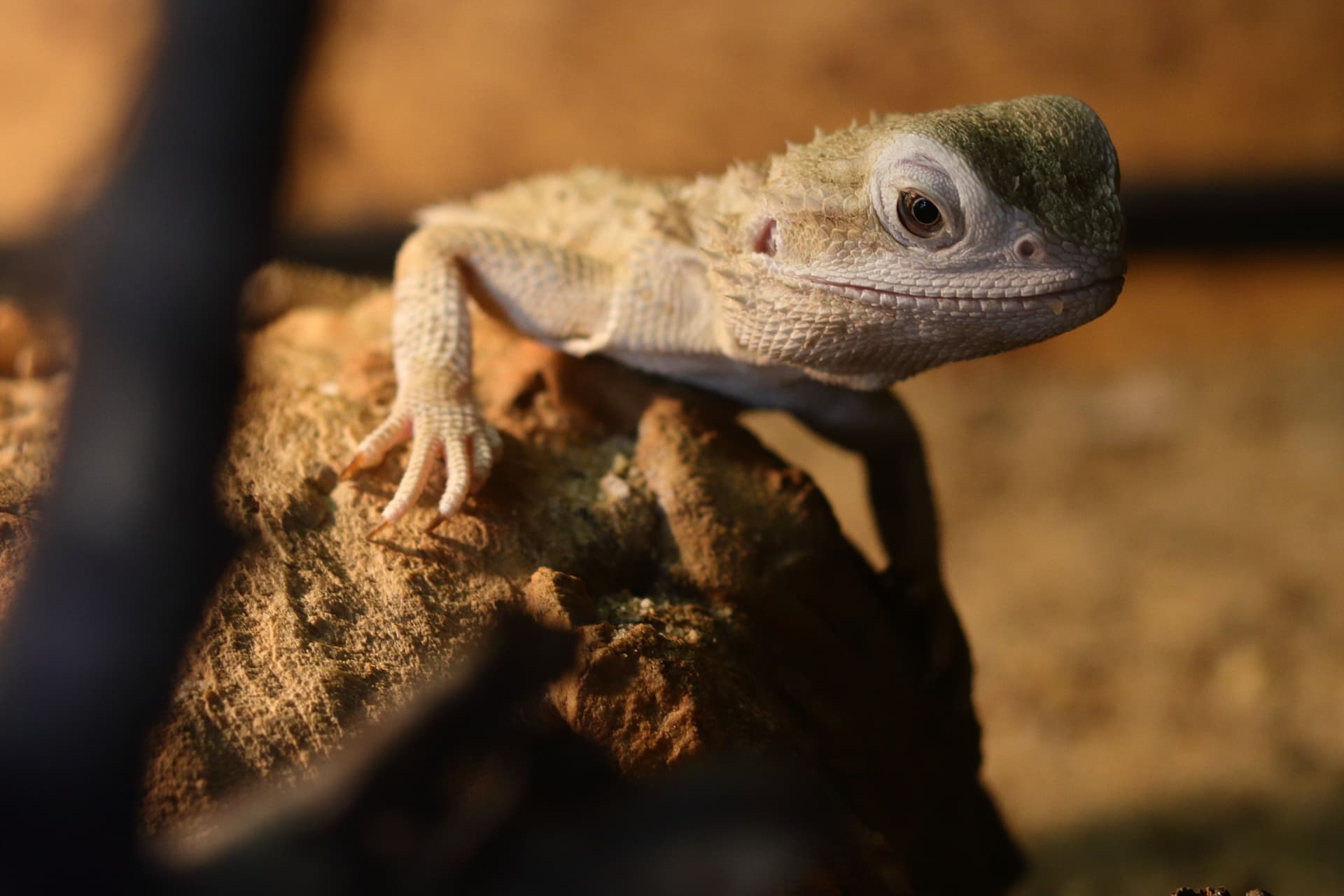 Dubia.com 4x2x2 (120 Gallon) Reptile Enclosure Best for an adult ball python | An adult ball python, or a small adult dragon | 5/6 | Check price on Amazon#ad We may earn a commission. Price and stock are resolved at Amazon. |
| 3 | 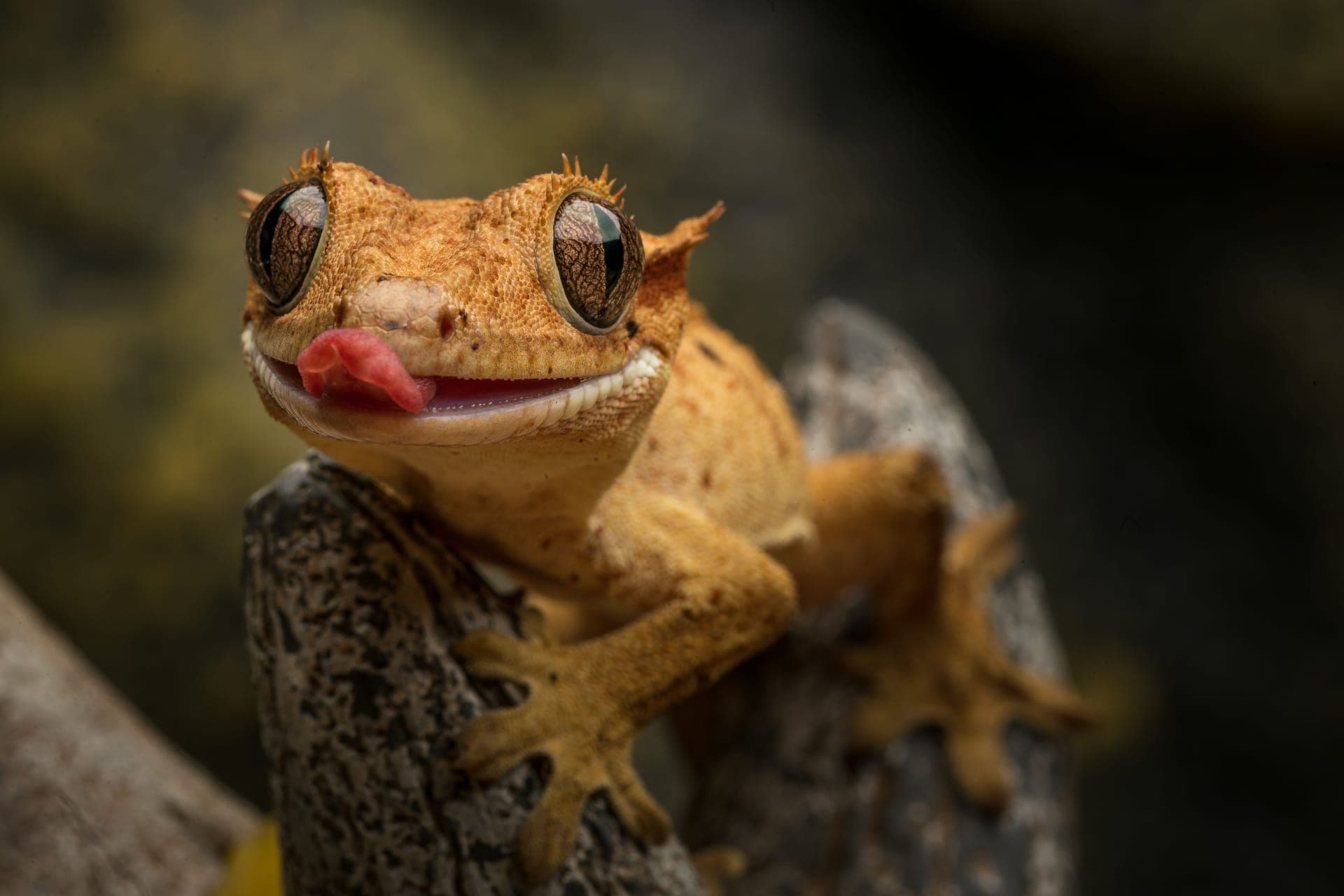 Zen Habitats 4x2x4 PVC Reptile Enclosure Best when you need height as well as floor | Arboreal species, or a dragon setup with a climbing level | 4/6 | Check price on Amazon#ad We may earn a commission. Price and stock are resolved at Amazon. |
| 4 | 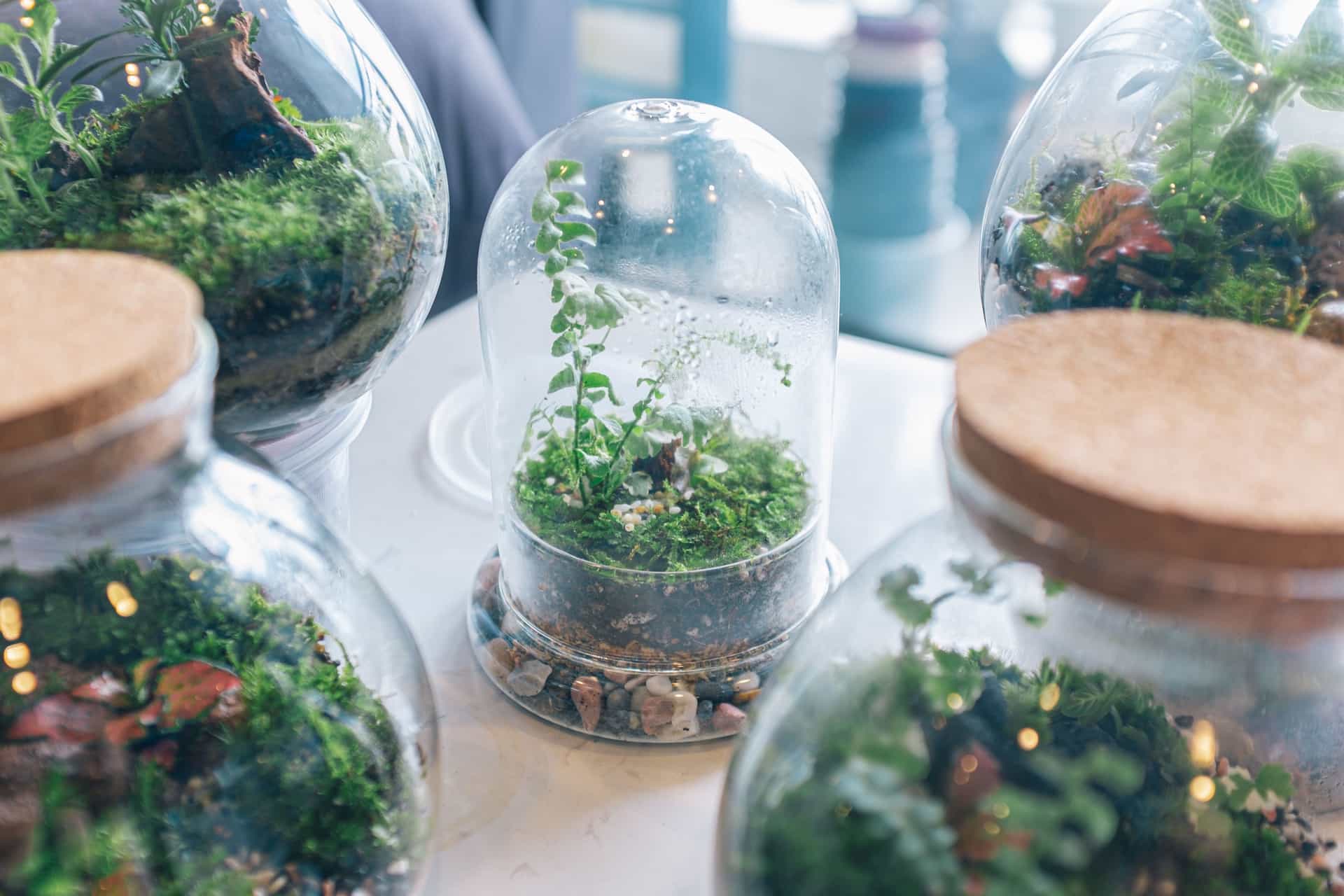 Exo Terra Glass Terrarium 18 x 18 x 36 Best for a crested gecko | An adult crested gecko at the published 18 x 18 x 36 in minimum | 5/6 | Check price on Amazon#ad We may earn a commission. Price and stock are resolved at Amazon. |
| 5 | REPTI ZOO Front-Opening Glass Terrarium Best for a leopard gecko | A leopard gecko at the 36 x 18 x 18 in minimum | 6/6 | Check price on Amazon#ad We may earn a commission. Price and stock are resolved at Amazon. |
Why this list starts with a number instead of a product
Nearly every reptile enclosure roundup you will find sorts by price band and finishes with a pros-and-cons list. That is a useful structure for a toaster. It is the wrong structure here, because the enclosure is the one purchase that cannot be incrementally upgraded - buying a second one costs the full price of the first - and because the correct answer is species-dependent in a way price tiers cannot express.
So the ranking above is against published footprints. If an enclosure cannot hold the minimum for the animal it is sold for, it does not make the list at whatever price. That rules out a lot of what is sold as a complete setup, and it should.
The footprints, in one table
| Species | Published adult minimum | The constraint |
|---|---|---|
| Bearded dragon | 6 ft L x 2 ft W x 2 ft H (1.8 x 0.6 x 0.6 m), or 24 cubic feet of internal volume | Floor area and height - dragons need both |
| Leopard gecko | 36 x 18 x 18 in with at least 4.5 sq ft of floor space | Floor area. Height buys nothing |
| Ball python | 48 x 24 x 24 in (120 x 60 x 60 cm), about 8 sq ft of floor area | Floor area, plus length at least equal to the snake |
| Crested gecko | 18 x 18 x 36 in for juveniles and adults over 12 g | Height. Arboreal, so vertical space is the limit |
The bearded dragon row is the one worth pausing on, because the sources genuinely disagree and we would rather show you that than pick quietly. ReptiFiles now sets 6 x 2 x 2 ft or 24 cubic feet, having previously accepted 48 x 24 x 24 in - and the same page explains the escalation, from 36 x 18 x 18 in to 48 x 18 x 21 in to 4x2x2 to the current figure. The market still sells 4x2x2 as the adult size. Our position is that 4x2x2 is the floor, 6x2x2 is the target, and anything smaller is a standard that was abandoned twice. The full size chart sets out the life stages.
Material: what you are actually choosing between
PVC, glass and wood each solve a different problem and create a different one. The short version, with the detail in our material comparison:
| Material | Holds humidity | Thermal behavior | Watch out for |
|---|---|---|---|
| PVC | Well - opaque on five sides | Insulates, so gradients need care | Ventilation if you run it humid |
| Glass | Poorly with a screen top | Dissipates heat, gradients are easier | Weight, and constant humidity loss |
| Wood | Well once sealed | Insulates | The entire material-safety question - sealant, finish, cure |
What disqualifies an enclosure outright
- Below the published footprint for its stated species. A 20-gallon long marketed as an adult leopard gecko setup fails on the one criterion that matters most.
- No way to mount a UVB fixture at its published distance. If a lamp has to sit 11 inches above the basking surface and the enclosure is 12 inches tall, there is no correct configuration.
- An interior coating with no published temperature limit. A dragon basking surface runs 108-113 F (42-45 C) surface temperature. A finish with no stated service range is an unknown sitting directly under the animal.
- A top-opening-only design for a snake. Reaching in from above is how you get a defensive animal, and lift-off lids are what escapees push through.
What to avoid
The complete starter kit is the single most expensive mistake available. A kit typically bundles an undersized tank, a compact coil UVB bulb that cannot hold a Ferguson zone target across a basking area, and no thermostat at all - and you replace all three. See the beginner mistakes guide for the arithmetic. The other thing to avoid is buying on gallons: two enclosures of the same gallon rating can have wildly different floor areas, which is the exact figure the published minimums are stated in.
The picks in full
1. Best for a 4x2x2 adult dragon or ball python
Zen Habitats 4x2x2 PVC Reptile Enclosure
Zen Habitats · A 4x2x2 adult dragon or an adult ball python
The 48 x 24 x 24 in PVC chassis is the workhorse of this list. It clears the 8 sq ft of floor area an adult ball python needs, holds humidity in a way a screen-topped glass tank never will, and the mesh top puts a T5 HO fixture at roughly the published mount distance without an internal bracket. Its one real gap against our criteria is the dragon footprint: 4x2x2 is the standard the US market works to, but it is not the 24 cubic feet the current published minimum asks for.
Specifications
- Footprint
- 48 x 24 x 24 in (about 120 gallons)
- Material
- PVC panels with an aluminum frame
- Opening
- Front-opening doors
- Top
- Mesh, lamp-compatible
How it scored against our criteria
| Meets the published adult footprintAt or above the cited minimum for the species it is sold for - 4.5 sq ft floor for a leopard gecko, about 8 sq ft for an adult ball python, 48 x 24 x 24 in or larger for a dragon, 18 x 18 x 36 in for a crested gecko | Meets |
|---|---|
| Front-opening accessDoors on the front, not a lift-off lid. Less startling for the animal and harder to escape from | Meets |
| Holds the species humidity rangeMaterial and lid design can hold the species target without constant intervention - 30-40% for a leopard gecko, 60-80% for a crested gecko | Meets |
| Takes a T5 fixture at a workable distanceMesh top or internal mounting that puts a T5 HO lamp at its published distance - about 11 in through mesh for an Arcadia Desert 12% | Meets |
| Supports a real thermal gradientLong enough that the cool end actually reaches the species cool-side figure while the basking surface holds its target | Meets |
| Materials we can account forManufacturer states the panel material, and any interior coating has a published temperature limit above the species basking surface temperature | Partial |
What works
- Front-opening, which is the access pattern every care reference prefers
- PVC holds humidity far better than screen-topped glass
- Mesh top takes a T5 HO fixture without an internal mount
What to know
- Does not reach the 24 cubic feet ReptiFiles now sets as its bearded dragon minimum
- Assembly is required and the panels are large to handle alone
Who should look elsewhere
If your dragon is a full-size adult at 19-23 in total length, the current ReptiFiles minimum is 6 x 2 x 2 ft or 24 cubic feet. Buy the 6 ft size instead of this one.
2. Best for an adult ball python
Dubia.com 4x2x2 (120 Gallon) Reptile Enclosure
Dubia.com · An adult ball python, or a small adult dragon
Named in the enclosure recommendations on the ball python care reference we cite throughout this site, and it earns the mention: opaque on five sides, which is how you give a snake visual security without taping construction paper over three walls of a glass tank. Same 120 gallon footprint as the Zen Habitats unit.
Specifications
- Footprint
- 48 x 24 x 24 in (120 gallon)
- Material
- PVC
- Opening
- Front-opening
- Humidity
- Opaque on five sides, which helps hold humidity
How it scored against our criteria
| Meets the published adult footprintAt or above the cited minimum for the species it is sold for - 4.5 sq ft floor for a leopard gecko, about 8 sq ft for an adult ball python, 48 x 24 x 24 in or larger for a dragon, 18 x 18 x 36 in for a crested gecko | Meets |
|---|---|
| Front-opening accessDoors on the front, not a lift-off lid. Less startling for the animal and harder to escape from | Meets |
| Holds the species humidity rangeMaterial and lid design can hold the species target without constant intervention - 30-40% for a leopard gecko, 60-80% for a crested gecko | Meets |
| Takes a T5 fixture at a workable distanceMesh top or internal mounting that puts a T5 HO lamp at its published distance - about 11 in through mesh for an Arcadia Desert 12% | Meets |
| Supports a real thermal gradientLong enough that the cool end actually reaches the species cool-side figure while the basking surface holds its target | Meets |
| Materials we can account forManufacturer states the panel material, and any interior coating has a published temperature limit above the species basking surface temperature | Partial |
What works
- Carries the 8 sq ft of floor area an adult ball python needs
- Opaque sides give a snake visual security without taping paper to glass
- PVC is lighter than a glass tank of the same volume
What to know
- Ventilation needs checking if you run it humid for a python
- Shipping damage on large panels is a real risk with any flat-pack enclosure
Who should look elsewhere
If your ball python is over 4 ft, the enclosure should be at least as long as the snake. Go to a 5 or 6 ft build rather than forcing an adult into a 4 ft box.
3. Best when you need height as well as floor
Zen Habitats 4x2x4 PVC Reptile Enclosure
Zen Habitats · Arboreal species, or a dragon setup with a climbing level
48 inches of height turns the 4 ft footprint into genuinely usable arboreal volume. The trade is thermal: the taller the box, the more work it takes to hold a clean gradient, which is why this scores partial on that criterion rather than meeting it outright. Worth it for a climbing species, unnecessary for a leopard gecko.
Specifications
- Footprint
- 48 x 24 x 48 in
- Material
- PVC panels with an aluminum frame
- Opening
- Front-opening doors
- Top
- Mesh, lamp-compatible
How it scored against our criteria
| Meets the published adult footprintAt or above the cited minimum for the species it is sold for - 4.5 sq ft floor for a leopard gecko, about 8 sq ft for an adult ball python, 48 x 24 x 24 in or larger for a dragon, 18 x 18 x 36 in for a crested gecko | Meets |
|---|---|
| Front-opening accessDoors on the front, not a lift-off lid. Less startling for the animal and harder to escape from | Meets |
| Holds the species humidity rangeMaterial and lid design can hold the species target without constant intervention - 30-40% for a leopard gecko, 60-80% for a crested gecko | Meets |
| Takes a T5 fixture at a workable distanceMesh top or internal mounting that puts a T5 HO lamp at its published distance - about 11 in through mesh for an Arcadia Desert 12% | Meets |
| Supports a real thermal gradientLong enough that the cool end actually reaches the species cool-side figure while the basking surface holds its target | Partial |
| Materials we can account forManufacturer states the panel material, and any interior coating has a published temperature limit above the species basking surface temperature | Partial |
What works
- Vertical space is the binding constraint for arboreal species, and this has it
- Same PVC humidity retention as the 4x2x2
- Room to mount a UVB fixture well above a basking branch
What to know
- Height makes a basking gradient harder to control without a thermostat
- Overkill for a strictly terrestrial animal
Who should look elsewhere
A leopard gecko gets nothing from 48 in of height. Floor area is its constraint, so buy a 36 x 18 x 18 in instead and spend the difference on substrate depth.
4. Best for a crested gecko
Exo Terra Glass Terrarium 18 x 18 x 36
Exo Terra · An adult crested gecko at the published 18 x 18 x 36 in minimum
The dimensions match the published crested gecko adult minimum exactly - 18 x 18 x 36 in - which makes this the easiest sizing decision on the whole site. The humidity score is partial and honest: the full screen top sheds moisture fast, and most keepers end up covering part of it to hold the 60-80% target.
Specifications
- Footprint
- 18 x 18 x 36 in
- Material
- Glass, front-opening doors
- Top
- Full screen, lamp-compatible
- Drainage
- Raised bottom frame suits a drainage layer
How it scored against our criteria
| Meets the published adult footprintAt or above the cited minimum for the species it is sold for - 4.5 sq ft floor for a leopard gecko, about 8 sq ft for an adult ball python, 48 x 24 x 24 in or larger for a dragon, 18 x 18 x 36 in for a crested gecko | Meets |
|---|---|
| Front-opening accessDoors on the front, not a lift-off lid. Less startling for the animal and harder to escape from | Meets |
| Holds the species humidity rangeMaterial and lid design can hold the species target without constant intervention - 30-40% for a leopard gecko, 60-80% for a crested gecko | Partial |
| Takes a T5 fixture at a workable distanceMesh top or internal mounting that puts a T5 HO lamp at its published distance - about 11 in through mesh for an Arcadia Desert 12% | Meets |
| Supports a real thermal gradientLong enough that the cool end actually reaches the species cool-side figure while the basking surface holds its target | Meets |
| Materials we can account forManufacturer states the panel material, and any interior coating has a published temperature limit above the species basking surface temperature | Meets |
What works
- Dimensions match the published crested gecko adult minimum with nothing to convert
- Tall front doors make planting and rearranging easy
- Screen top takes a low-output T5 fixture without an internal mount
What to know
- The screen top loses humidity fast, so expect to cover part of it
- Glass at this height is heavy and needs a solid stand
Who should look elsewhere
A hatchling under 12 g should not go straight into this. Grow it out in a 12 x 12 x 12 in first so you can actually find it and monitor its weight.
5. Best for a leopard gecko
REPTI ZOO Front-Opening Glass Terrarium
REPTI ZOO · A leopard gecko at the 36 x 18 x 18 in minimum
In the 36 x 18 x 18 in size this clears the 4.5 sq ft floor-space figure that a 20-gallon long misses by nearly half. Glass is genuinely the right material here rather than a compromise: it dissipates heat well, which makes the warm-to-cool gradient easier to build, and a dry enclosure is what this species wants anyway.
Specifications
- Common sizes
- 36 x 18 x 18 in and 18 x 18 x 24 in among others
- Material
- Glass with a screen top
- Opening
- Front-opening doors
- Lock
- Door lock included on most models
How it scored against our criteria
| Meets the published adult footprintAt or above the cited minimum for the species it is sold for - 4.5 sq ft floor for a leopard gecko, about 8 sq ft for an adult ball python, 48 x 24 x 24 in or larger for a dragon, 18 x 18 x 36 in for a crested gecko | Meets |
|---|---|
| Front-opening accessDoors on the front, not a lift-off lid. Less startling for the animal and harder to escape from | Meets |
| Holds the species humidity rangeMaterial and lid design can hold the species target without constant intervention - 30-40% for a leopard gecko, 60-80% for a crested gecko | Meets |
| Takes a T5 fixture at a workable distanceMesh top or internal mounting that puts a T5 HO lamp at its published distance - about 11 in through mesh for an Arcadia Desert 12% | Meets |
| Supports a real thermal gradientLong enough that the cool end actually reaches the species cool-side figure while the basking surface holds its target | Meets |
| Materials we can account forManufacturer states the panel material, and any interior coating has a published temperature limit above the species basking surface temperature | Meets |
What works
- Glass dissipates heat well, which makes a temperature gradient easier to establish
- Front-opening is less startling for the animal than reaching in from above
- Easy to see and easy to clean
What to know
- A screen top sheds humidity constantly, which is the wrong trade for a crested gecko or ball python
- Heavy, and a large glass tank is awkward to move once filled
Who should look elsewhere
If you need to hold 60-80% humidity, glass with a screen top will fight you every day. Buy PVC instead and stop misting four times a day.
Frequently asked questions
What size enclosure does a reptile need?
It depends entirely on the species and on whether the animal is terrestrial or arboreal. The published adult minimums for the four species we cover are 6 ft L x 2 ft W x 2 ft H (1.8 x 0.6 x 0.6 m), or 24 cubic feet of internal volume for a bearded dragon, 36 x 18 x 18 in with at least 4.5 sq ft of floor space for a leopard gecko, 48 x 24 x 24 in (120 x 60 x 60 cm), about 8 sq ft of floor area for an adult ball python and 18 x 18 x 36 in for juveniles and adults over 12 g for a crested gecko.
Is PVC or glass better for a reptile enclosure?
PVC holds humidity better and is lighter and more durable; glass dissipates heat better, which makes a thermal gradient easier to establish, and encourages a drying cycle that limits mold. For a humidity-dependent species, PVC. For a dry-kept desert species, glass is genuinely fine. Full comparison here.
Are reptile starter kits worth buying?
Usually not. Kits are built to a price point, which generally means an undersized enclosure, a compact coil UVB bulb and no thermostat - the three things you will replace first. Buying the enclosure at adult size plus a controlled heat source costs more on day one and less by month six.
How much does a reptile enclosure cost?
Prices move constantly and this site does not quote them, because a number we wrote last month is not a number you can rely on today. Every product on this page links through to its current Amazon price. What we can tell you is the order of spend: enclosure, thermostat, heat source, measuring tools, then everything else.
Sources
- Bearded Dragon Terrarium Size Requirements — ReptiFiles
- Leopard Gecko Terrarium Size & Lighting Requirements — ReptiFiles
- Ball Python Terrarium Size & Lighting — ReptiFiles
- Crested Gecko Terrarium Size & Cohabitation Notes — ReptiFiles
- Bearded Dragon Temperatures & UVB Requirements — ReptiFiles
Read next
Hub
Reptile enclosure guides and comparisons
The cross-species decisions: what material to buy, how big it has to be, whether to build it yourself, and which beginner mistakes are expensive.
Guides
Reptile enclosure size chart
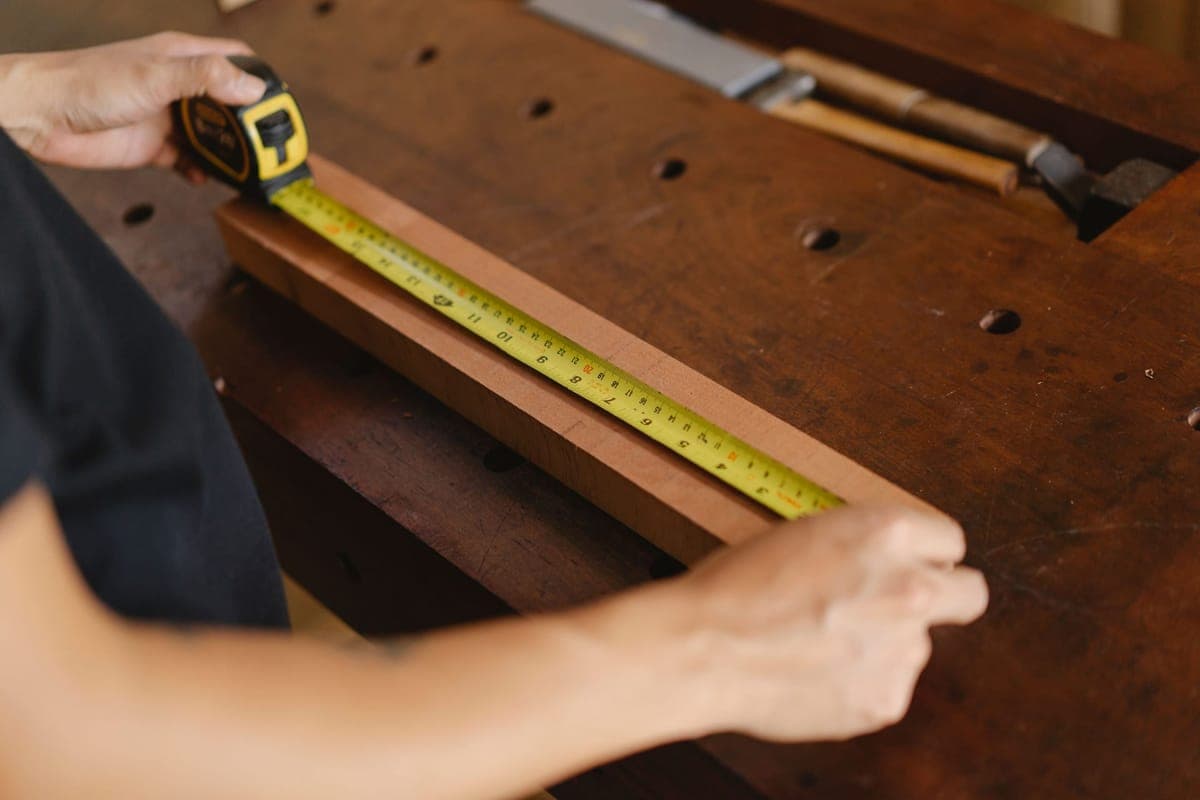
Minimum enclosure footprints by species and life stage, in inches, cm and gallons.
Guides
PVC vs glass vs wood reptile enclosures
Material comparison on weight, humidity, heat behavior and off-gassing, with a per-species verdict.
Guides
Best PVC reptile enclosures (2026)
PVC enclosures ranked on footprint, humidity retention and whether the panel material is disclosed.

Guides
9 beginner reptile setup mistakes that cost the most
The nine setup mistakes that cost beginners the most, and what to buy instead in what order.
Lighting & heat
6 best reptile UVB bulbs (2026), judged by UVI at a stated distance
UVB bulbs ranked by whether they reach the species UVI target at a distance your enclosure allows.