Bearded dragon
Best basking bulbs for bearded dragons
Halogen, on a dimming thermostat, set by a surface reading rather than a wattage. Four lamps scored against the published basking figure - two of them to tell you what not to buy.
By Brijon M.Last updated
The best basking bulb for a bearded dragon is a halogen spot lamp on a dimming or pulse thermostat, set so the basking surface measures 108-113 F (42-45 C) surface temperature. Halogen is preferred over a ceramic emitter because it delivers more Infrared-A, the deeply penetrating band. Choose the wattage by measuring the surface temperature at your actual mount height, not from a chart - a 75 W at 10 in and a 150 W at 18 in can land on the same figure. Never run a basking lamp without a thermostat.
Shed & Bask earns a commission from qualifying Amazon purchases made through links on this page. It does not change what we recommend or the order we rank things in. Read the full disclosure.
How we picked
Every pick below is scored against these thresholds, stated as numbers. Publishing them is the point: of the competitor roundups we surveyed, not one published a numeric selection threshold.
Right infrared band for the job
Halogen for daytime basking (produces Infrared-A); lightless ceramic or radiant panel for night and ambient only
Source: ReptiFiles - Ball Python Humidity & Temperature Requirements
Thermostat-controllable
Works on the correct controller type - dimming or pulse for a light-emitting lamp, on/off acceptable only for a lightless source
Source: ReptiFiles - Ball Python Humidity & Temperature Requirements
Reaches the species basking surface figure
108-113 F surface for a bearded dragon, 94-97 F for a leopard gecko, 86-90 F warm hide for a ball python
Source: ReptiFiles - Bearded Dragon Temperatures & UVB Requirements
Can be guarded
Fits a fixture with a cage guard, so an animal that can reach it cannot contact it
Source: National Fire Protection Association - Heating equipment and home fire safety
Heats a zone, not a point
Covers enough area for the animal's whole body - a single spot is too small for a coiled adult snake in a 48 in enclosure
Source: ReptiFiles - Ball Python Humidity & Temperature Requirements
These are the same criteria every roundup on this site applies. See the full methodology.
Quick picks
Every row is scored against the published criteria below. Tap a row to read the full write-up.
| # | Product | Best for | Criteria met | Price |
|---|---|---|---|---|
| 1 | 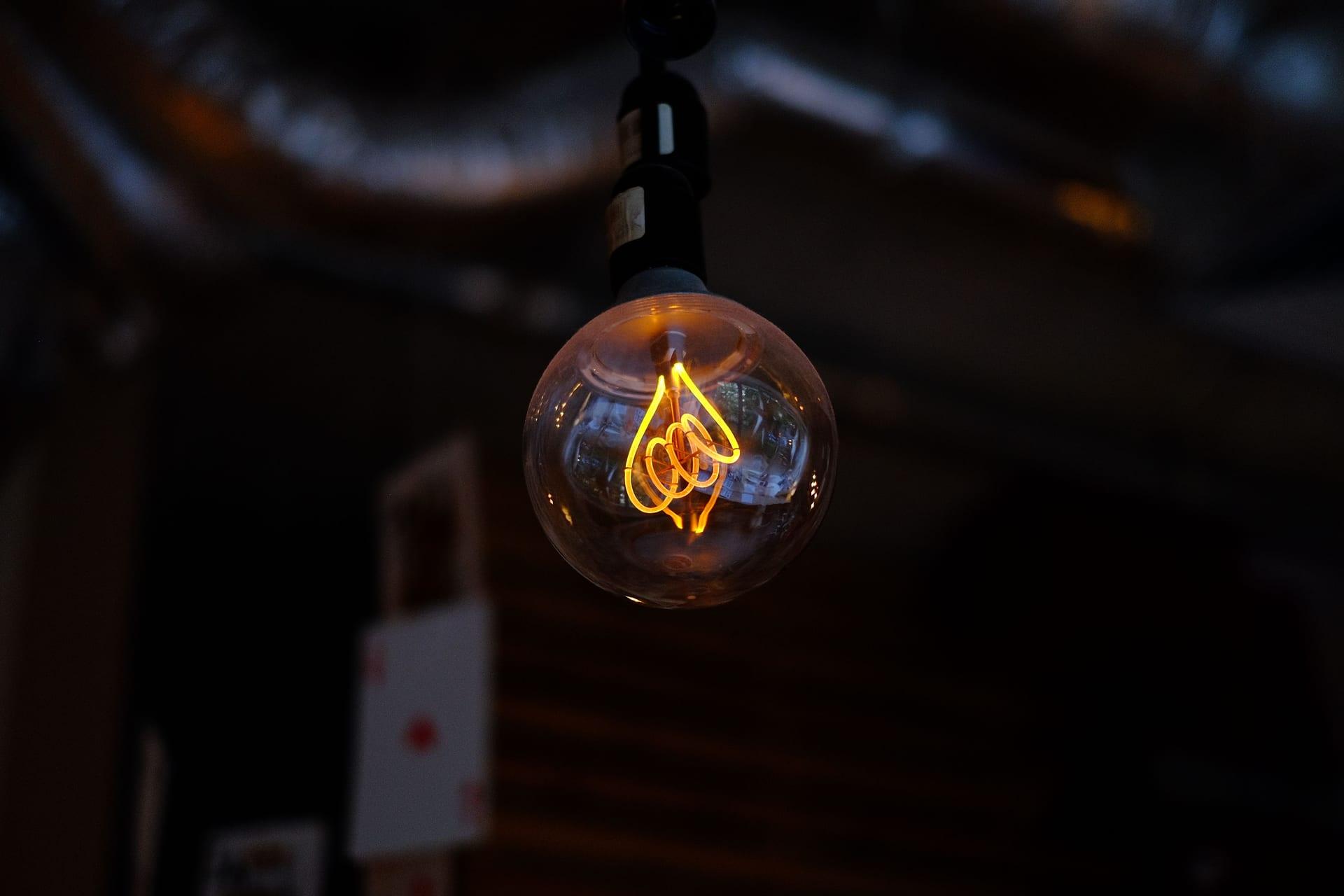 Exo Terra Intense Basking Spot Lamp Best basking bulb for a bearded dragon | Overhead basking heat on a thermostat | 5/5 | Check price on Amazon#ad We may earn a commission. Price and stock are resolved at Amazon. |
| 2 | Zoo Med Repti Basking Spot Lamp Best budget basking bulb | Basking heat plus UVA from a single cheap bulb on a thermostat | 5/5 | Check price on Amazon#ad We may earn a commission. Price and stock are resolved at Amazon. |
| 3 |  Zoo Med PowerSun UV Mercury Vapor Lamp One lamp for a tall enclosure, with real compromises | A tall enclosure where one overhead lamp has to do all three jobs | 3/5 | Check price on Amazon#ad We may earn a commission. Price and stock are resolved at Amazon. |
| 4 |  Ceramic Heat Emitter (CHE) Do not use this for basking | Night-time ambient heat in a cold room | 2/5 | Check price on Amazon#ad We may earn a commission. Price and stock are resolved at Amazon. |
Three decisions, in order
1. Heat type. Halogen or incandescent, not ceramic. The reason is the infrared band: halogen produces more Infrared-A, which penetrates tissue rather than just warming the surface, and that is what a basking animal is actually using when it sits under a lamp. A ceramic emitter produces a weaker spectrum for this purpose. Both get hot; only one of them is a good basking lamp.
2. Control. A dimming or pulse thermostat, with the probe at the basking surface. An on/off thermostat switching a filament lamp gives an animal a cycle of too hot and too cold with a brief correct moment in between, and shortens the lamp's life while it does it. How thermostats work covers why the control type has to match the heat source, and do I need a thermostat for a bearded dragon answers the question directly.
3. Wattage, last and by measurement. This is the step everyone wants to do first, and it cannot be done from a chart. Wattage interacts with mount distance, enclosure height, ambient room temperature and the basking platform material. The published target is a surface temperature - 108-113 F (42-45 C) surface temperature per the care reference - and the only way to hit it is to measure the surface.
The figure you are aiming at
| Zone | Published figure |
|---|---|
| Basking surface | 108-113 F (42-45 C) surface temperature |
| Cool side | 77-85 F (25-29 C) surface, 72-99 F (22-37 C) air gradient |
| Night | 55-75 F (12-24 C) |
| Humidity | 30-60% ambient average |
| Photoperiod | 12-14 hours of light per day, seasonally adjusted |
Note what the basking figure is measured on: a surface, not the air. An air thermometer dangling at mid-height tells you almost nothing about whether the basking rock is at temperature. Use an infrared temperature gun pointed at the spot the animal actually sits on. How to measure basking temperature is the method, and it takes about a minute.
How to set the wattage without guessing
Install the lamp at the mount height your enclosure gives you. Let it run for 45 minutes with the enclosure closed, because a basking surface takes that long to stabilize. Point an infrared gun at the surface. Then adjust: if it is under the band, go up one wattage step or lower the lamp; if it is over, dim it on the thermostat or step the wattage down. The wattage ladder on the Zoo Med spot - eight steps from 25 W to 250 W - exists precisely so this can be done by substitution rather than by moving fixtures. What wattage heat bulb for a reptile works through the arithmetic for every enclosure size.
What not to buy
Coloured night bulbs. Red and blue lamps are sold for night heat and they emit visible light, which is the one thing a night heat source must not do. If the room drops below 55-75 F, use a ceramic emitter on a thermostat. Night lighting mistakes covers it.
Compact coil "basking" lamps. A coil concentrates output at a point rather than across a zone, and the UVB versions of this format have a history of problems. For heat, a spot in a dome is the correct shape.
Any lamp without a guard where the animal can reach it. A dragon that can climb to a bulb will touch it. The fixture needs a cage, and that applies to every lamp on this page. Heat lamp fire safety covers the fixture side, including the cable routing that causes most incidents.
Where this fits in the setup
A complete dragon enclosure runs three systems that must not be confused: UVB for vitamin D synthesis, overhead halogen for basking heat, and - only in a cold room - a lightless ambient source overnight. Each one needs its own lamp, and the heat sources need their own thermostat. Bearded dragon basking setup is the build guide for the basking end specifically, and bearded dragon temperature and humidity is the whole thermal picture. For the cross-species heat roundup, see best reptile heat sources.
The picks in full
1. Best basking bulb for a bearded dragon
Exo Terra Intense Basking Spot Lamp
Exo Terra · Overhead basking heat on a thermostat
A halogen spot, which is the heat type current husbandry guidance prefers for basking because halogen delivers more Infrared-A - the deeply penetrating band - than a ceramic emitter does. That is the single most important specification on this page and it is the reason this lamp wins. It runs on a dimming or pulse thermostat, which is how you hold a surface figure rather than cycling an animal between too hot and too cold. It works in a standard dome, it is cheap enough to keep a spare, and the beam makes a defined basking spot instead of heating the whole enclosure. It emits visible light, so it is a daytime lamp only - which for a diurnal basker is exactly right.
Specifications
- Type
- Halogen spot (incandescent)
- Infrared
- Produces Infrared-A, the deeply penetrating band
- Control
- Must run on a dimming or pulse thermostat
- Common use
- A 50 W in a 5.5 in dome for a crested gecko basking area
How it scored against our criteria
| Right infrared band for the jobHalogen for daytime basking (produces Infrared-A); lightless ceramic or radiant panel for night and ambient only | Meets |
|---|---|
| Thermostat-controllableWorks on the correct controller type - dimming or pulse for a light-emitting lamp, on/off acceptable only for a lightless source | Meets |
| Reaches the species basking surface figure108-113 F surface for a bearded dragon, 94-97 F for a leopard gecko, 86-90 F warm hide for a ball python | Meets |
| Can be guardedFits a fixture with a cage guard, so an animal that can reach it cannot contact it | Meets |
| Heats a zone, not a pointCovers enough area for the animal's whole body - a single spot is too small for a coiled adult snake in a 48 in enclosure | Meets |
What works
- Halogen is the heat type current husbandry references prefer for basking
- Cheap enough to keep a spare, which you should
- Works in a standard dome fixture
What to know
- Emits visible light, so it cannot be used at night
- A single spot may be too small a basking area for a coiled snake
Who should look elsewhere
For night heat in a cold room, a halogen is the wrong tool - it lights the enclosure. Use a ceramic heat emitter in a guarded fixture instead.
2. Best budget basking bulb
Zoo Med Repti Basking Spot Lamp
Zoo Med · Basking heat plus UVA from a single cheap bulb on a thermostat
The incandescent basking spot that does the job for less money, and the one lamp here that publishes a UVA claim - Zoo Med states it provides beneficial UVA rays important for the psychological well being of all reptiles, though without a percentage. The double reflector is stated to focus 35% more heat and light than a regular spot lamp, which is a beam behavior rather than a temperature promise. What earns it a place is the wattage ladder: 25, 40, 50, 75, 100, 125, 150 and 250 W, which lets you tune the basking surface by changing bulbs rather than by changing the mount height. It supplies no UVB and Zoo Med does not claim it does. Needs a ceramic socket.
Specifications
- UVA
- Manufacturer states beneficial UVA; no percentage published
- Beam
- Double reflector, stated to focus 35% more heat and light than a regular spot
- Wattages
- 25, 40, 50, 75, 100, 125, 150 and 250 W
- Fixture
- Reptile hood or clamp lamp with a ceramic socket base
How it scored against our criteria
| Right infrared band for the jobHalogen for daytime basking (produces Infrared-A); lightless ceramic or radiant panel for night and ambient only | Meets |
|---|---|
| Thermostat-controllableWorks on the correct controller type - dimming or pulse for a light-emitting lamp, on/off acceptable only for a lightless source | Meets |
| Reaches the species basking surface figure108-113 F surface for a bearded dragon, 94-97 F for a leopard gecko, 86-90 F warm hide for a ball python | Meets |
| Can be guardedFits a fixture with a cage guard, so an animal that can reach it cannot contact it | Meets |
| Heats a zone, not a pointCovers enough area for the animal's whole body - a single spot is too small for a coiled adult snake in a 48 in enclosure | Meets |
What works
- Zoo Med publishes a UVA claim for it, so the UVA is not an assumption
- Tight beam makes a defined basking spot rather than heating the whole box
- Cheap in every wattage, and sold in enough steps to tune the basking surface temperature
What to know
- No UVB at all - this lamp cannot replace a UVB lamp and Zoo Med does not claim it can
- No published UVA percentage, so the figure cannot be compared against a UVB tube's
- Visible light, so it is a daytime lamp only
Who should look elsewhere
If your basking surface is already at temperature and you only want the UVA, do not buy a second heat source. A linear UVB lamp emits UVA as well, and that is the lamp a reptile actually needs.
3. One lamp for a tall enclosure, with real compromises
Zoo Med PowerSun UV Mercury Vapor Lamp
Zoo Med · A tall enclosure where one overhead lamp has to do all three jobs
A mercury vapor lamp that Zoo Med says emits UVA, UVB and heat from one lamp, which is a genuine argument in a tall enclosure with exactly one usable lamp position - and a lamp we recommend with more caveats than any other on the site. It fails the thermostat criterion outright: Zoo Med states these lamps cannot be used with a dimmer or rheostat, so your only heat adjustments are wattage and mount distance. For a species with a published surface band that is a real loss of control, and it is why this is third rather than first. It also contains mercury and must go to lamp disposal, and Zoo Med warns that lamps which get moved or vibrated burn out quickly. Guard scores partial because a self-ballasted lamp in a deep dome is awkward to cage properly.
Specifications
- Emits
- UVA, UVB and heat from one lamp
- Wattages
- 80 W, 100 W, 160 W
- Socket
- Standard ceramic socket - Zoo Med says ceramic, not plastic
- Control
- Cannot be used with a dimmer or rheostat
How it scored against our criteria
| Right infrared band for the jobHalogen for daytime basking (produces Infrared-A); lightless ceramic or radiant panel for night and ambient only | Meets |
|---|---|
| Thermostat-controllableWorks on the correct controller type - dimming or pulse for a light-emitting lamp, on/off acceptable only for a lightless source | Below |
| Reaches the species basking surface figure108-113 F surface for a bearded dragon, 94-97 F for a leopard gecko, 86-90 F warm hide for a ball python | Meets |
| Can be guardedFits a fixture with a cage guard, so an animal that can reach it cannot contact it | Partial |
| Heats a zone, not a pointCovers enough area for the animal's whole body - a single spot is too small for a coiled adult snake in a 48 in enclosure | Meets |
What works
- One lamp covers UVA, UVB and basking heat, so a tall enclosure needs one fixture
- Self-ballasted - no separate ballast to buy or mount
- Zoo Med states the 160 W projects UVB up to several feet from the lamp surface
What to know
- No dimming thermostat is possible, so the only heat control you have is lamp distance and wattage
- Contains mercury and must be disposed of under local lamp disposal rules
- Zoo Med warns that lamps which get moved or vibrated burn out quickly
Who should look elsewhere
If you need to hold a basking surface temperature to a number, this is the wrong lamp - it cannot go on a dimming thermostat. Run a linear T5 HO UVB lamp plus a separate thermostatted halogen instead.
4. Do not use this for basking
Ceramic Heat Emitter (CHE)
Various (Zoo Med, Fluker's, REPTI ZOO) · Night-time ambient heat in a cold room
Scored on this page specifically so you do not buy it for this job. A ceramic emitter is a good product doing the wrong task here: it has a weaker infrared spectrum than halogen, which makes it a poor daytime basking source, and it heats ambient air across a volume rather than concentrating a basking zone - so it fails both infrared band and zone size. There is one thing it is genuinely for: lifting whole-enclosure air temperature overnight in a cold room, with no visible light to disrupt the day and night cycle, on a thermostat, behind a guard that is not optional. Buy it for night ambient if your room drops below the species night minimum. Do not buy it as a basking lamp.
Specifications
- Type
- Lightless ceramic emitter
- Use
- Ambient air temperature, not daytime basking
- Fixture
- Ceramic socket, wire cage guard
- Control
- Thermostat, always
How it scored against our criteria
| Right infrared band for the jobHalogen for daytime basking (produces Infrared-A); lightless ceramic or radiant panel for night and ambient only | Below |
|---|---|
| Thermostat-controllableWorks on the correct controller type - dimming or pulse for a light-emitting lamp, on/off acceptable only for a lightless source | Meets |
| Reaches the species basking surface figure108-113 F surface for a bearded dragon, 94-97 F for a leopard gecko, 86-90 F warm hide for a ball python | Partial |
| Can be guardedFits a fixture with a cage guard, so an animal that can reach it cannot contact it | Meets |
| Heats a zone, not a pointCovers enough area for the animal's whole body - a single spot is too small for a coiled adult snake in a 48 in enclosure | Below |
What works
- No visible light, so it does not disrupt the day and night cycle
- Good at lifting whole-enclosure air temperature
- Long service life compared with a filament bulb
What to know
- Weaker infrared spectrum than halogen, so it is a poor daytime basking source
- Gets hot enough to burn an animal that can reach it - the guard is not optional
Who should look elsewhere
If your room never drops below the species night minimum, you do not need one at all. Measure before you buy.
Frequently asked questions
What basking bulb is best for a bearded dragon?
A halogen spot lamp on a dimming or pulse thermostat, with the wattage chosen by measuring the basking surface at your actual mount height until it reads 108-113 F (42-45 C) surface temperature. Halogen is preferred over a ceramic emitter because it delivers more Infrared-A.
What watt basking bulb does a bearded dragon need?
There is no single answer, because wattage interacts with mount height, enclosure size and room temperature. Install the lamp, run it closed for 45 minutes, measure the basking surface with an infrared gun and adjust until it reads 108-113 F (42-45 C) surface temperature. See what wattage heat bulb for a reptile.
Can I use a ceramic heat emitter for basking?
No. A ceramic emitter has a weaker infrared spectrum than halogen and heats ambient air rather than concentrating a basking zone, so it is a poor daytime basking source. It is the right product for night-time ambient heat in a cold room, on a thermostat and behind a guard.
Does a basking bulb provide UVB?
Almost never. A basking lamp marked UVA supplies no usable UVB - only a mercury vapor lamp combines the two, and it cannot be dimmed. Run a separate linear UVB lamp to reach the published UVI 4.0-4.5 at the basking surface at the basking surface.
Do I need to turn the basking bulb off at night?
Yes. The published photoperiod is 12-14 hours of light per day, seasonally adjusted, and a dragon needs darkness and a temperature drop to 55-75 F (12-24 C). If your room gets colder than that, add a lightless ceramic emitter on a thermostat rather than leaving the basking lamp on.
Sources
- Bearded Dragon Temperatures & UVB Requirements — ReptiFiles
- What Are Ferguson Zones? Reptile UVB Information — Zen Habitats
- Repti Basking Spot Lamp product information — Zoo Med Laboratories
- PowerSun UV self-ballasted mercury vapor lamp information — Zoo Med Laboratories
- Heating equipment and home fire safety — National Fire Protection Association
Read next
Hub
Bearded dragon enclosures, lighting and substrate
A 4x2x2 is the standard most of the hobby works to. The current published minimum is larger than that. Here is what the numbers actually say, and what to buy once you know them.
Bearded dragon
Bearded dragon basking setup
How to build and set a dragon basking spot to the published surface figure.
Bearded dragon
Bearded dragon lighting requirements
The full bearded dragon lighting requirement - UVB output and UVI target, basking surface temperature, photoperiod and mount distance - with the lamps for each job.
Lighting & heat
Best reptile heat lamps and heat sources (2026)
Heat sources ranked by infrared band, thermostat compatibility and the species basking figure they can reach.
Lighting & heat
What wattage heat bulb for a reptile?
Why wattage is the wrong variable, the surface temperatures to target instead, and how to size a bulb by measuring.
Lighting & heat
Are mercury vapor bulbs good for reptiles?
Mercury vapor reptile lamps assessed honestly - the one-socket advantage, the no-dimming limitation that decides most setups, and the disposal rule.