Lighting & heat
How to measure basking temperature
Every basking figure on this site is a surface temperature. Most enclosures are measured with an instrument that reads air, which is why so many setups are wrong while the gauge says fine.
By Brijon M.Last updated
Measure a basking temperature as a surface reading with an infrared temperature gun, aimed at the spot the animal's body rests on, taken at least 30-45 minutes after the lamp has come on and with the animal off the spot. A bearded dragon's published figure is 108-113 F (42-45 C) surface temperature. Air temperature and stick-on dials measure a different quantity and will not confirm it.
Shed & Bask earns a commission from qualifying Amazon purchases made through links on this page. It does not change what we recommend or the order we rank things in. Read the full disclosure.
Surface, air and UV are three different measurements
This is the whole page in one idea. The care references state different quantities for different jobs, and each one needs its own instrument. Using the wrong one does not give you an approximate answer; it gives you a number about something else.
| Figure | Quantity | Instrument | Where |
|---|---|---|---|
| Basking temperature | Surface temperature | Infrared temperature gun | The spot the animal's body rests on |
| Cool side / gradient | Air temperature | Digital probe thermometer | At animal height, cool end |
| Warm hide (snakes) | Surface or air inside the hide | Digital probe, probe inside the hide | Inside the hide, not above it |
| Humidity | Relative humidity | Digital hygrometer with a remote probe | At animal height, or inside the humid hide |
| UVB | UV index | Solarmeter 6.5 or 6.5R | At the basking surface or branch |
The figures themselves: 108-113 F (42-45 C) surface temperature for a bearded dragon, 94-97 F (34-36 C) surface; warm hide 90-92 F (32-33 C) for a leopard gecko, Warm hide 86-90 F (30-32 C) for a ball python, and 82-85 F (28-29 C) at the top of the enclosure for a crested gecko. Note how different those are in kind as well as in number - a dragon basks on a hot surface, a snake occupies a warm hide, and a crestie has a ceiling rather than a target.
The method, step by step
- Let the enclosure stabilize. Take the reading at least 30-45 minutes after the lamp comes on. A reading at the five-minute mark is measuring a lamp warming up, and it will be low.
- Get the animal off the spot. An infrared gun aimed at a basking dragon reads the dragon, which is not the figure you want and not a figure anyone published.
- Aim at the surface the body contacts. The top of the basking rock, log or platform. Not the air above it, not the substrate beside it.
- Hold it close and square. An infrared gun reads an area that grows with distance - hold it roughly a hand's width from the surface and perpendicular to it, or you are averaging the basking spot with everything around it.
- Take three readings across the spot. A single point under the centre of the lamp is the hottest point. The usable basking area is where the whole animal fits, so measure across it and record the range.
- Then measure the cool end. A basking figure on its own means nothing without the other end of the gradient - a dragon cool side is 77-85 F (25-29 C) surface, 72-99 F (22-37 C) air gradient.
Why stick-on dials are the main source of bad data
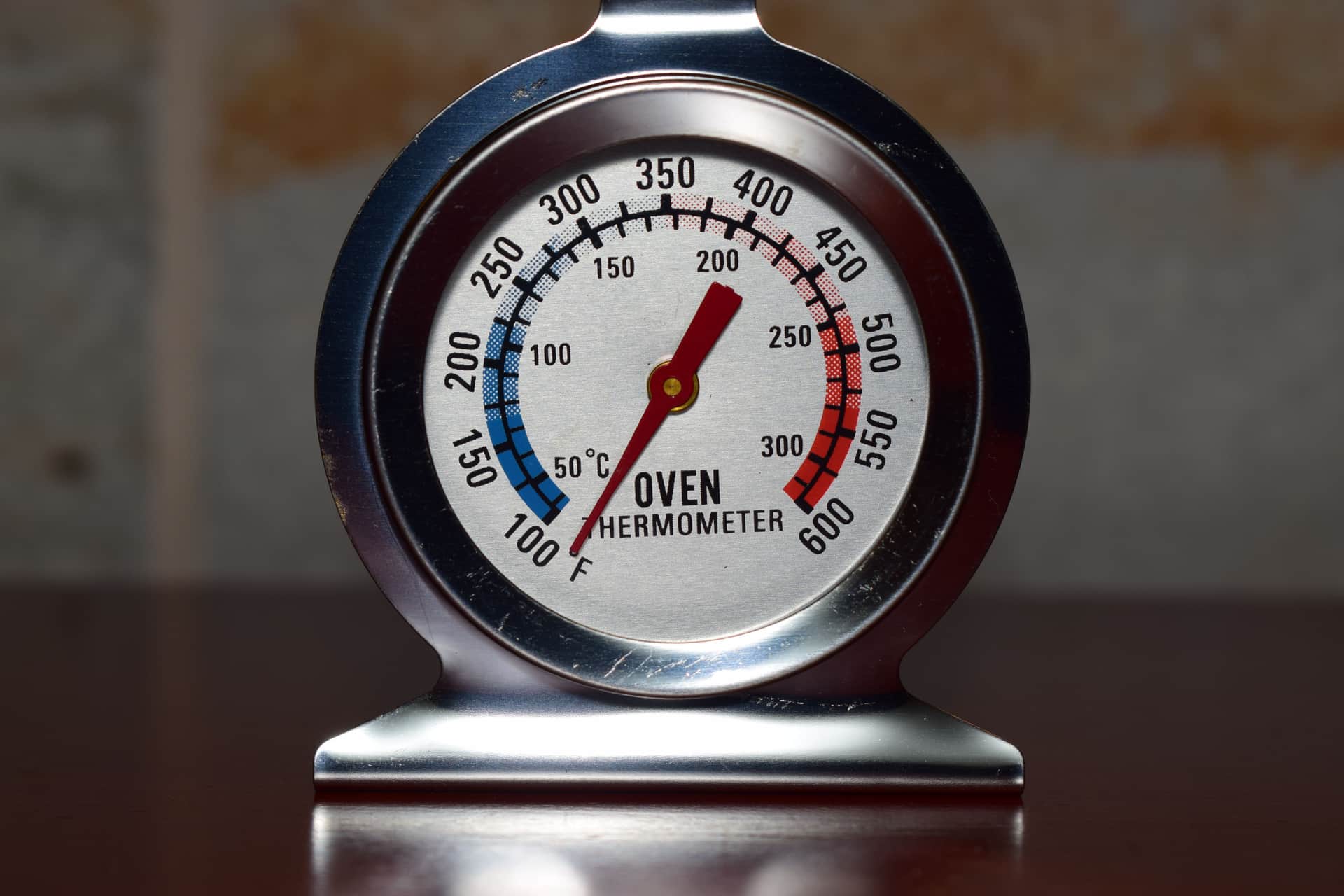
The analog dial that ships taped to the glass has two separate problems. It measures air, not surface, so it cannot confirm any basking figure on this site. And it is positioned where the adhesive went rather than where the animal is - usually at mid-height on the back wall, which is neither the basking spot nor the cool end.
Replace it with a digital unit with a remote probe for air and humidity, and use an infrared gun for surfaces. That combination answers every temperature figure we publish. The roundup is on best reptile thermometers and hygrometers.
The reading cadence that catches problems
Twice a day for the first three days of a new setup, which is the test we describe on how to set up a reptile enclosure. After that, weekly on the basking surface and whenever something changes: a new bulb, a moved platform, a season change, a different room.
Log it somewhere. A single reading tells you where you are; a log tells you a bulb is declining or a thermostat probe is drifting, and both of those are invisible in one measurement.
Measuring UV is a separate job with one accepted device
Temperature instruments tell you nothing about UVB, and UVB is where the invisible errors live - a lamp can look identical at full output and at a fraction of it. The care references accept the Solarmeter 6.5 and 6.5R specifically for reptile UV index, and that is the device they name. Measure at the basking surface or branch, at the same height you measured temperature.
If you are not buying a UV meter, the fallback is discipline rather than estimation: mount the lamp at its published distance and replace it on the 12-month schedule. UVB distance and Ferguson zones has the distances, when to replace UVB bulbs has the interval, and best UV meters covers the device.
For every basking figure on this site
Infrared Temperature Gun
Basking temperatures are surface temperatures, and a point-and-read gun is how you read a surface rather than the air above it.
For the gradient and the humidity
Zoo Med Digital Thermometer and Humidity Gauge
A remote probe placed at animal height, which is what the cool-side and humidity figures are stated at.
Frequently asked questions
How do you measure a reptile basking temperature?
With an infrared temperature gun aimed at the surface the animal's body rests on, held roughly a hand's width away and square to the surface, at least 30-45 minutes after the lamp comes on and with the animal off the spot.
Should basking temperature be measured as air or surface?
Surface. Every basking figure we publish is a surface temperature - for example 108-113 F (42-45 C) surface temperature for a bearded dragon per the care reference. Air temperature is the figure for the gradient and the cool side, which is a different measurement.
Are stick-on reptile thermometers accurate?
They measure air rather than surface, so they cannot confirm a basking figure at all, and they sit wherever the adhesive went rather than where the animal is. Use a digital probe for air and an infrared gun for surfaces.
Why does my infrared thermometer give different readings on the same spot?
Usually distance or reflectivity. The gun reads a wider area the further back you hold it, and glossy stone, glass or metal reflects rather than emits, which throws the reading. Hold it close, square, and read a matte surface.
How often should you check basking temperatures?
Twice daily for the first three days of a new setup, then weekly, and again after any change - a new bulb, a moved platform, a new room or a change of season.
Sources
- Bearded Dragon Temperatures & UVB Requirements — ReptiFiles
- Leopard Gecko Temperatures & Humidity — ReptiFiles
- Ball Python Humidity & Temperature Requirements — ReptiFiles
- Crested Gecko Temperatures & Humidity — ReptiFiles
- Solarmeter Model 6.5 UV Index Meter — Solarmeter
Read next
Hub
Reptile UVB, heat and thermostats
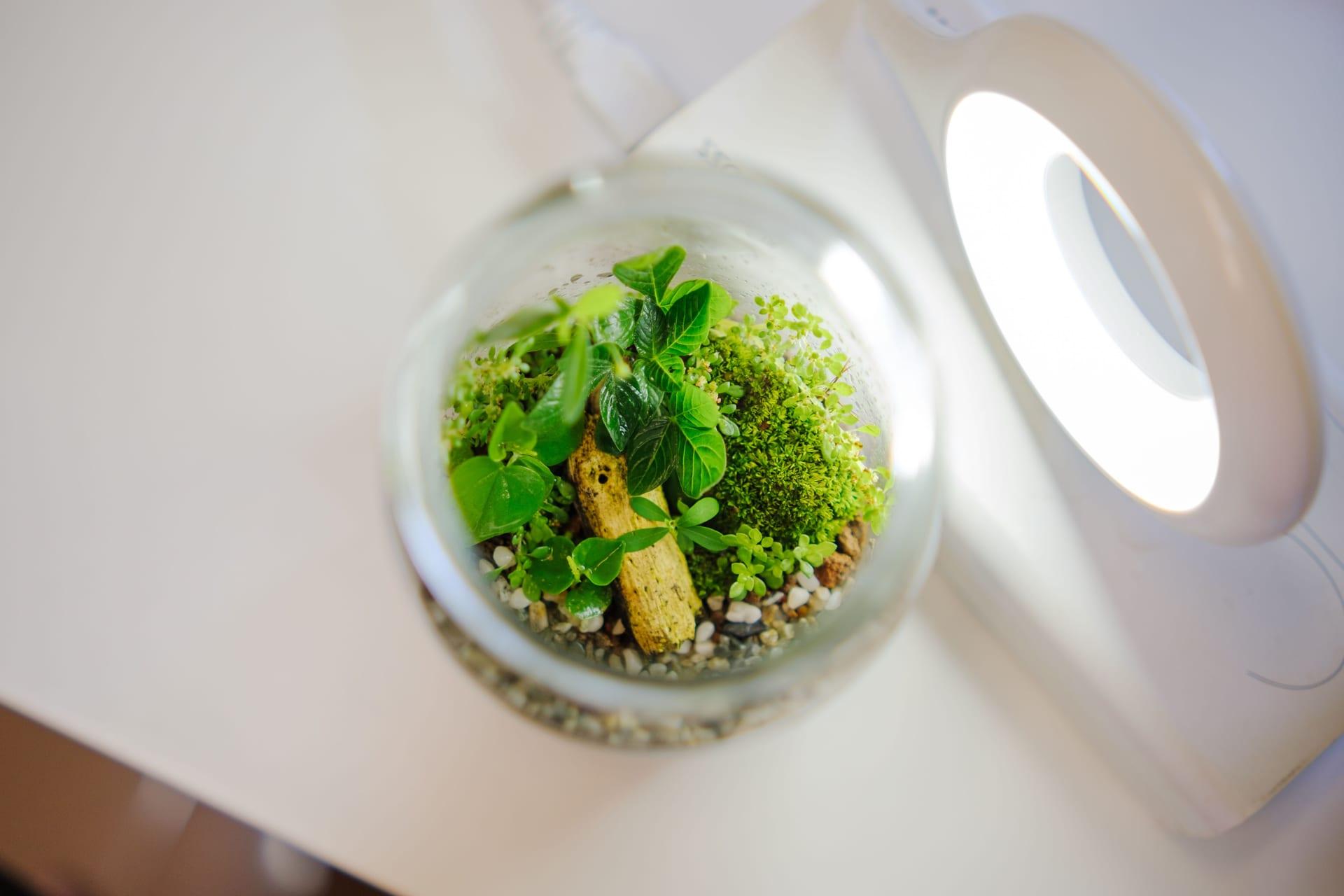
Wattage and percentage tell you almost nothing on their own. UV index at a stated mount distance is the number that decides whether a lamp is right for your animal.
Lighting & heat
Best reptile thermometers and humidity gauges (2026)
The two instruments that can actually read the published figures: an infrared gun and a probe combo.
Lighting & heat
Best reptile UVB meters (2026)
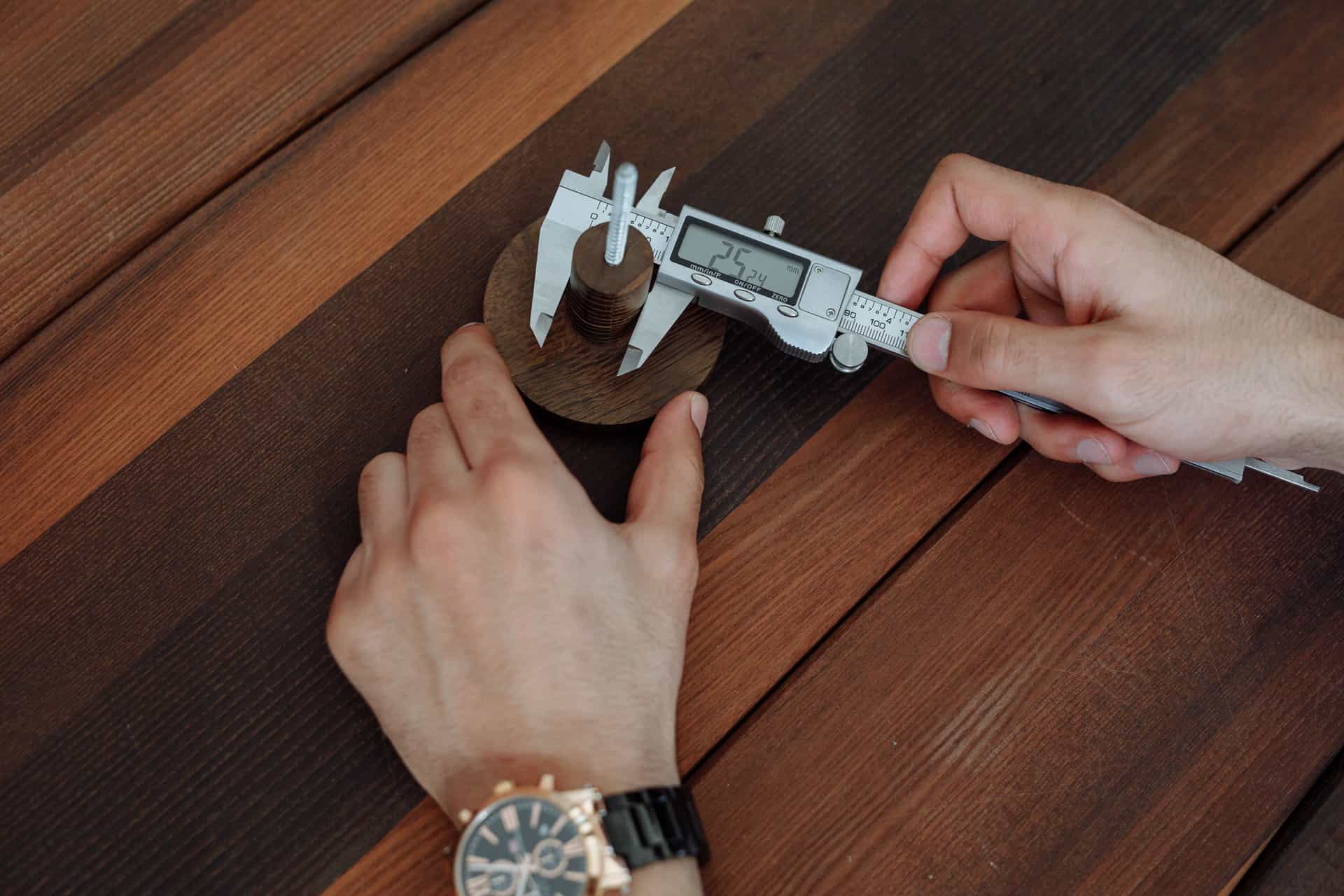
What a UV index meter measures, why only the Solarmeter 6.5 class is accepted, and how to use one.
Bearded dragon
Bearded dragon basking setup
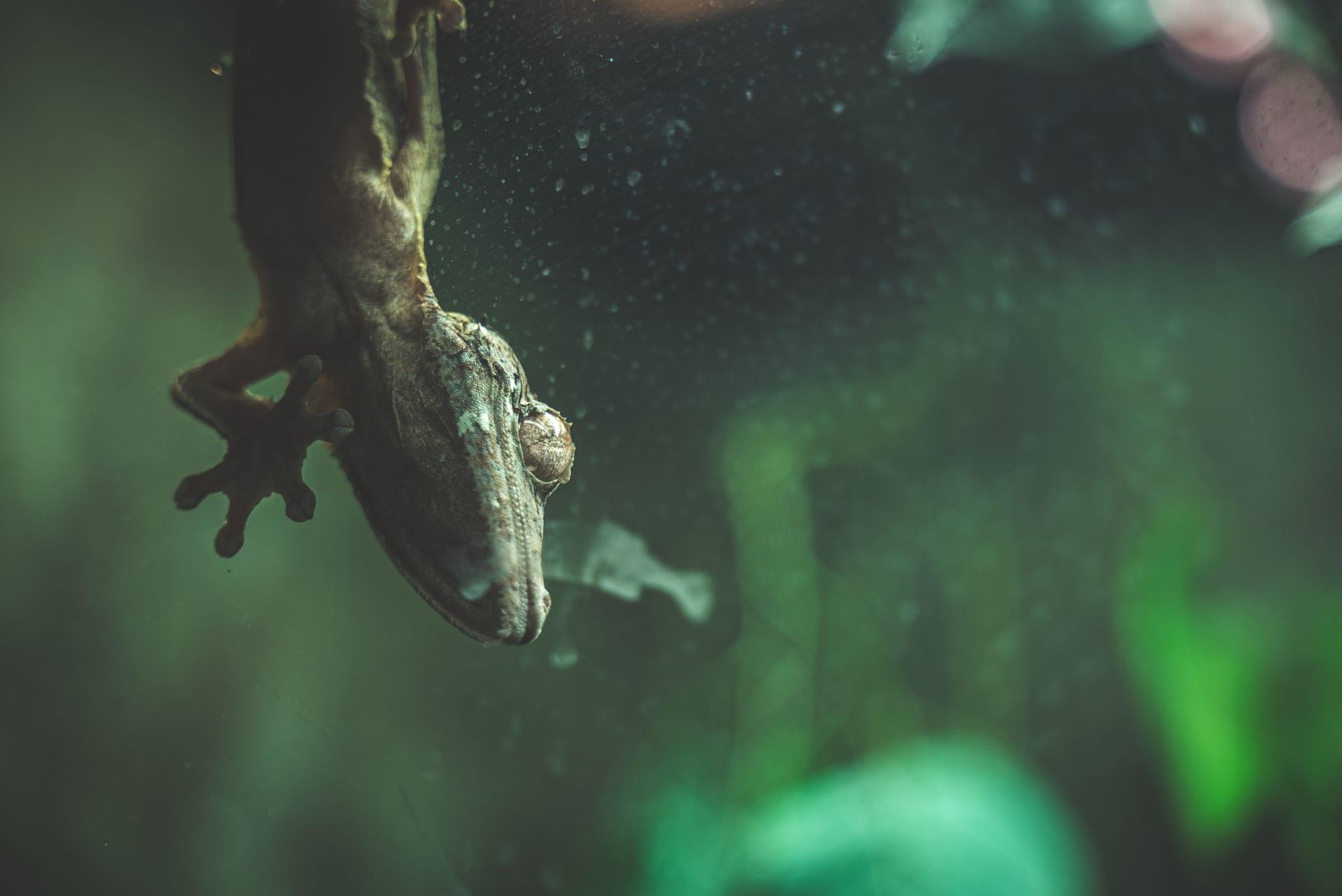
How to build and set a dragon basking spot to the published surface figure.
Lighting & heat
UVB distance and Ferguson zones
Ferguson zones with published UVI ranges and the mount distance for every lamp class.
Guides
How to set up a reptile enclosure, in order
The setup sequence end to end, with cure times and the three-day temperature test before the animal arrives.