Lighting & heat
Reptile night lighting mistakes
Red and blue night bulbs are sold for a problem that mostly does not exist, and they cause one that does.
By Brijon M.Last updated
Do not use red, blue or black night bulbs. Contrary to a persistent belief, reptiles do see the light from them and it disrupts the sleep and wake cycle. If the room falls below the species night minimum, use a lightless ceramic heat emitter or radiant heat panel on a thermostat.

Shed & Bask earns a commission from qualifying Amazon purchases made through links on this page. It does not change what we recommend or the order we rank things in. Read the full disclosure.
Mistake 1: the colored night bulb
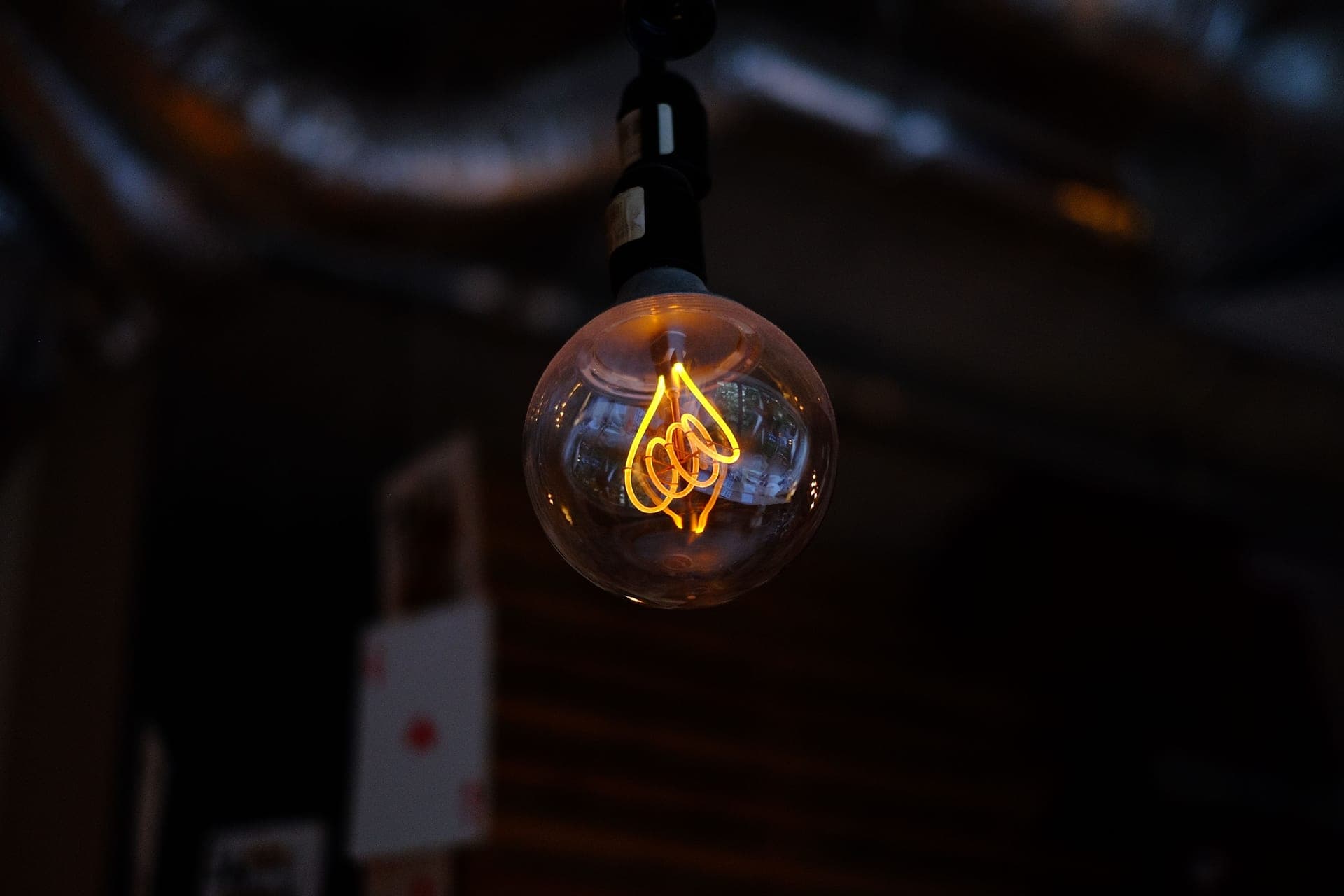
Red, blue and black night bulbs are sold on the premise that reptiles cannot see those wavelengths, so you can heat and view the enclosure at night without disturbing the animal. The care guidance addresses this directly on more than one species page: reptiles do see the light from these bulbs, and it can disrupt their sleep and wake cycle. The crested gecko guidance goes further and suggests saving the money entirely, because crested gecko eyes function perfectly in the dark and nightly drops in temperature are healthier than providing heat at night.
The better alternative, when night heat is genuinely needed, is a ceramic heat emitter mounted inside a wire cage-type fixture - lightless, good at raising ambient air temperature, and specifically named as the alternative in the leopard gecko guidance.
Mistake 2: heating at night when you do not need to
A nightly temperature drop is not a failure to maintain conditions. It is closer to what these animals evolved under, and studies cited in the leopard gecko guidance show a nightly drop is healthier than maintaining daytime temperatures, with benefits to long-term health.
| Species | Night target | Add night heat only if |
|---|---|---|
| Bearded dragon | 55-75 F (12-24 C) | The room falls below 55 F |
| Leopard gecko | Tolerates a drop to 60 F (16 C) | The room falls below 60 F |
| Ball python | 70-78 F (21-26 C) | The room falls below 70 F |
| Crested gecko | 65-72 F (18-22 C) | The room falls below 65 F |
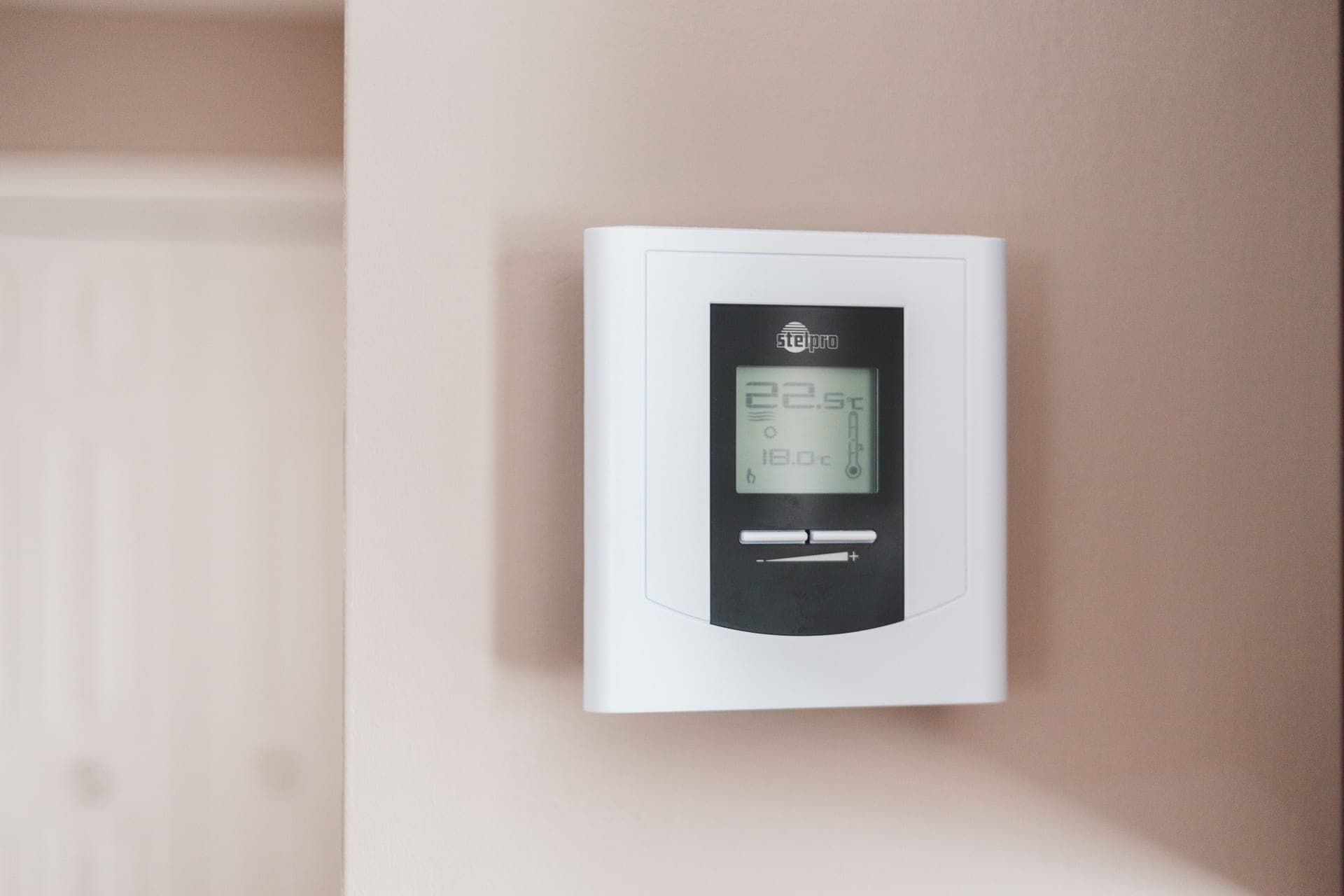
Measure your room over a few nights before buying anything. A probe thermometer logging the enclosure overnight is a cheaper answer than a heat source you did not need.
Measure before you buy
Zoo Med Digital Thermometer and Humidity Gauge
A probe placed in the enclosure tells you what the night actually does. Many rooms never fall below the species minimum.
Mistake 3: using the wrong source when you do need night heat
If the room does fall below the night figure, the options named in the ball python guidance are a ceramic heat emitter, a radiant heat panel or a deep heat projector. All three are lightless. All three should be on a thermostat. And the guidance adds an important restriction: while these devices are useful for ambient temperature, they should not be used for daytime basking heat, because they produce weaker infrared than halogen.
The standard night-heat answer
Ceramic Heat Emitter (CHE)
Lightless, good at lifting ambient air temperature, and specifically named as the alternative to a colored night bulb. Guard it - a CHE gets hot enough to burn.
For a PVC enclosure
Radiant Heat Panel
Ceiling-mounted, so an animal cannot coil around it. Needs a solid ceiling rather than a screen top.
Mistake 4: viewing at night with any light
If you want to watch a nocturnal animal, the answer is not a colored bulb - it is a dim ambient room light at a distance, or accepting that you will see less. Any light inside the enclosure at night is light the animal perceives.
The photoperiod guide covers the daytime side of the same question.
Frequently asked questions
Can reptiles see red light at night?
Yes. Contrary to a persistent belief, reptiles do see the light from red, blue and black night bulbs, and it disrupts their sleep and wake cycle.
What should I use for reptile night heat?
A lightless source on a thermostat: a ceramic heat emitter in a guarded fixture, a radiant heat panel, or a deep heat projector. Not a colored bulb, and not a daytime basking lamp.
Do reptiles need heat at night?
Only if the room falls below the species night figure. A nightly temperature drop is healthier than holding daytime temperatures, and the published night ranges are 55-75 F (12-24 C) for a bearded dragon and 70-78 F (21-26 C) for a ball python.
Sources
- Leopard Gecko Temperatures & Humidity — ReptiFiles
- Crested Gecko Temperatures & Humidity — ReptiFiles
- Ball Python Humidity & Temperature Requirements — ReptiFiles
- Bearded Dragon Temperatures & UVB Requirements — ReptiFiles
Read next
Hub
Reptile UVB, heat and thermostats
Wattage and percentage tell you almost nothing on their own. UV index at a stated mount distance is the number that decides whether a lamp is right for your animal.
Lighting & heat
Best reptile heat lamps and heat sources (2026)
Heat sources ranked by infrared band, thermostat compatibility and the species basking figure they can reach.

Lighting & heat
How many hours of UVB per day
Daily light and UVB hours by species, with the seasonal adjustment for each.
Lighting & heat
Best reptile thermostats (2026)
Thermostats ranked by control type, stated accuracy, load ceiling and whether they alarm on failure.
Ball python
Ball python heating requirements
Ball python heating: the hide figures, the air ceiling, and the two-bulb rule.