Guides
Best 120 gallon reptile enclosures
120 gallons is 48 x 24 x 24 in: 8 sq ft of floor, 16 cubic feet of volume. Three enclosures in that class, scored on published footprint rather than on the number printed on the box.
By Brijon M.Last updated
A 120 gallon reptile enclosure is 48 x 24 x 24 inches - 4 x 2 x 2 feet, 8 square feet of floor and 16 cubic feet of volume (48 x 24 x 24 = 27,648 cubic inches, divided by the 231 cubic inches in a US gallon = 119.7). It is the right size class for an adult ball python and for a juvenile or smaller adult bearded dragon. A full-grown dragon at 19-23 in wants more: the current reference minimum is 24 cubic feet, which 120 gallons does not reach. Our top pick in the class is the Dubia.com 4x2x2.
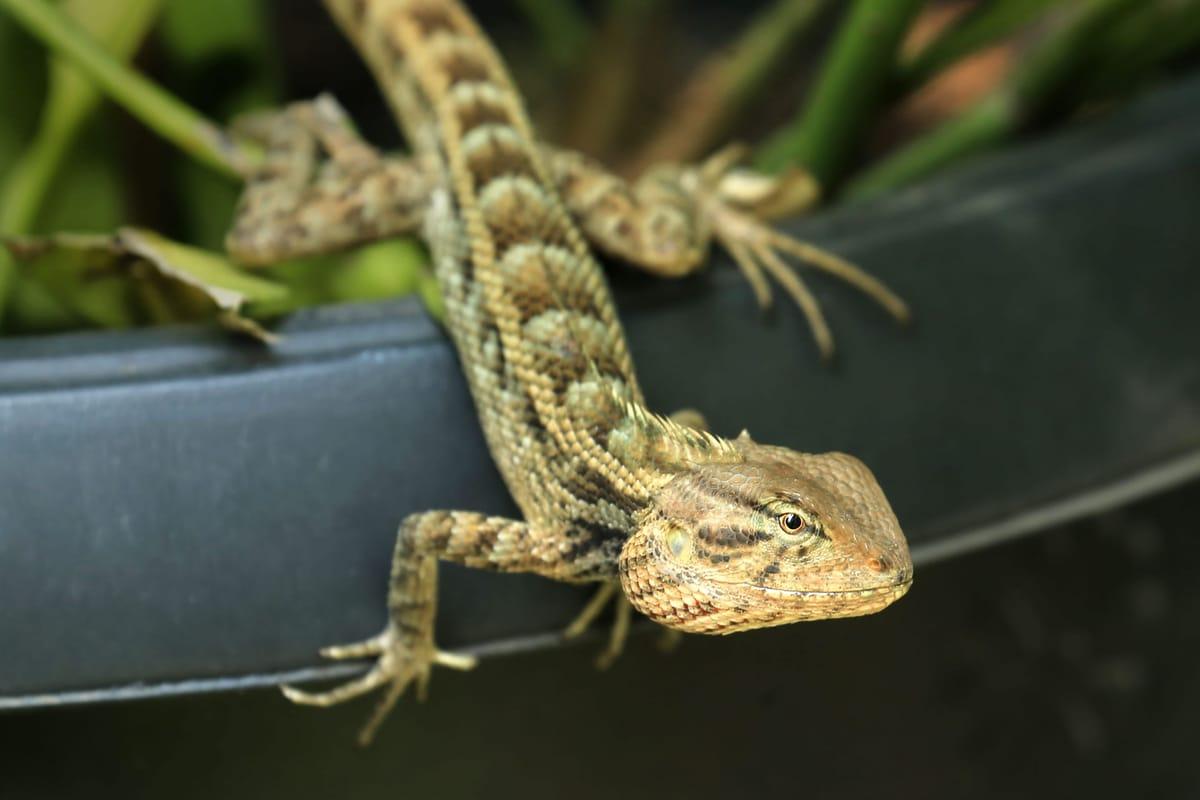
Shed & Bask earns a commission from qualifying Amazon purchases made through links on this page. It does not change what we recommend or the order we rank things in. Read the full disclosure.
How we picked
Every pick below is scored against these thresholds, stated as numbers. Publishing them is the point: of the competitor roundups we surveyed, not one published a numeric selection threshold.
Meets the published adult footprint
At or above the cited minimum for the species it is sold for - 4.5 sq ft floor for a leopard gecko, about 8 sq ft for an adult ball python, 48 x 24 x 24 in or larger for a dragon, 18 x 18 x 36 in for a crested gecko
Source: ReptiFiles - Bearded Dragon Terrarium Size Requirements
Front-opening access
Doors on the front, not a lift-off lid. Less startling for the animal and harder to escape from
Holds the species humidity range
Material and lid design can hold the species target without constant intervention - 30-40% for a leopard gecko, 60-80% for a crested gecko
Takes a T5 fixture at a workable distance
Mesh top or internal mounting that puts a T5 HO lamp at its published distance - about 11 in through mesh for an Arcadia Desert 12%
Source: ReptiFiles - Bearded Dragon Temperatures & UVB Requirements
Supports a real thermal gradient
Long enough that the cool end actually reaches the species cool-side figure while the basking surface holds its target
Source: ReptiFiles - Bearded Dragon Temperatures & UVB Requirements
Materials we can account for
Manufacturer states the panel material, and any interior coating has a published temperature limit above the species basking surface temperature
Source: U.S. Environmental Protection Agency - Volatile Organic Compounds' Impact on Indoor Air Quality
These are the same criteria every roundup on this site applies. See the full methodology.
Quick picks
Every row is scored against the published criteria below. Tap a row to read the full write-up.
| # | Product | Best for | Criteria met | Price |
|---|---|---|---|---|
| 1 | 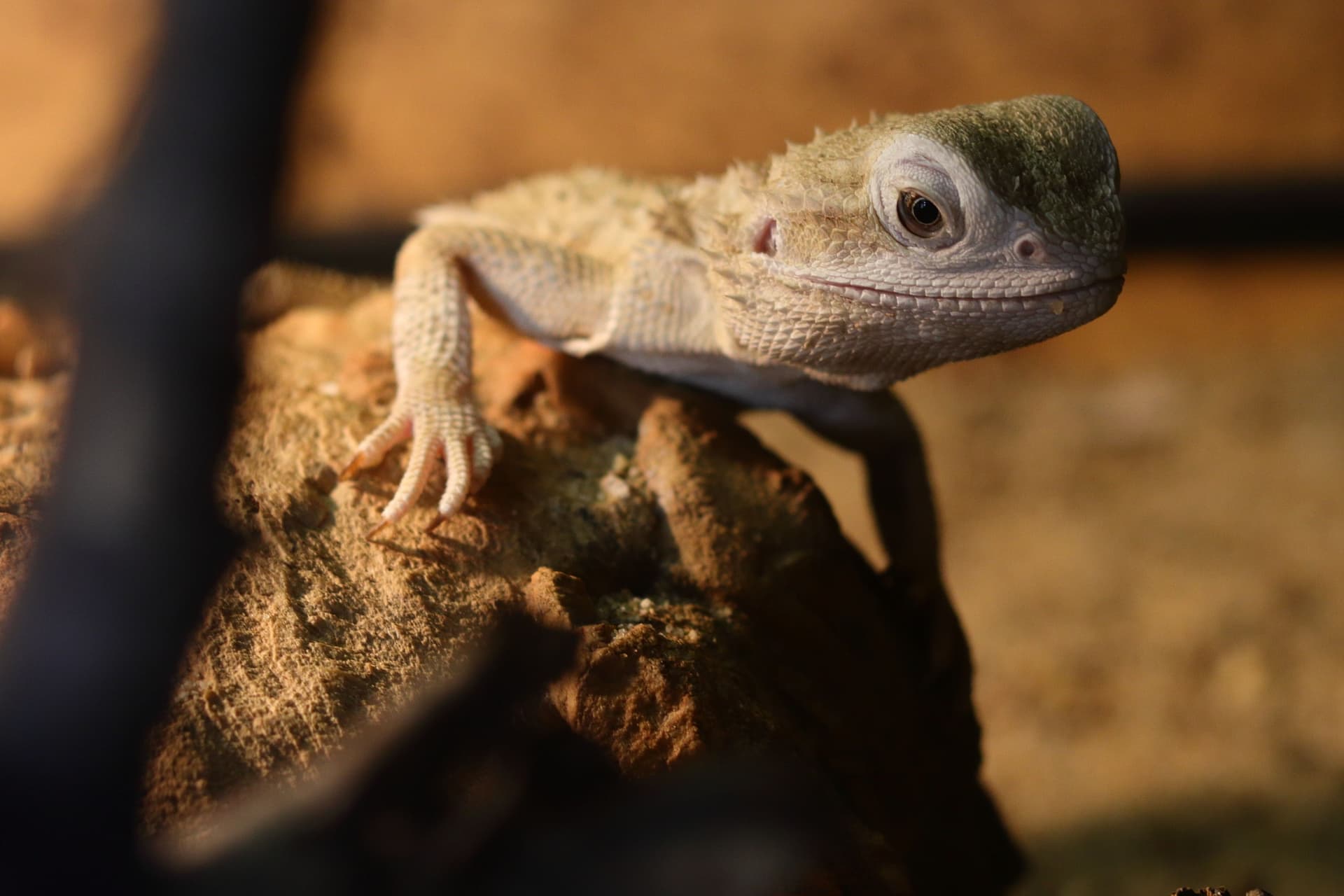 Dubia.com 4x2x2 (120 Gallon) Reptile Enclosure Best 120 gallon overall | An adult ball python, or a small adult dragon | 5/6 | Check price on Amazon#ad We may earn a commission. Price and stock are resolved at Amazon. |
| 2 | Zen Habitats 4x2x2 PVC Reptile Enclosure Best 120 gallon for a dragon | A 4x2x2 adult dragon or an adult ball python | 5/6 | Check price on Amazon#ad We may earn a commission. Price and stock are resolved at Amazon. |
| 3 | 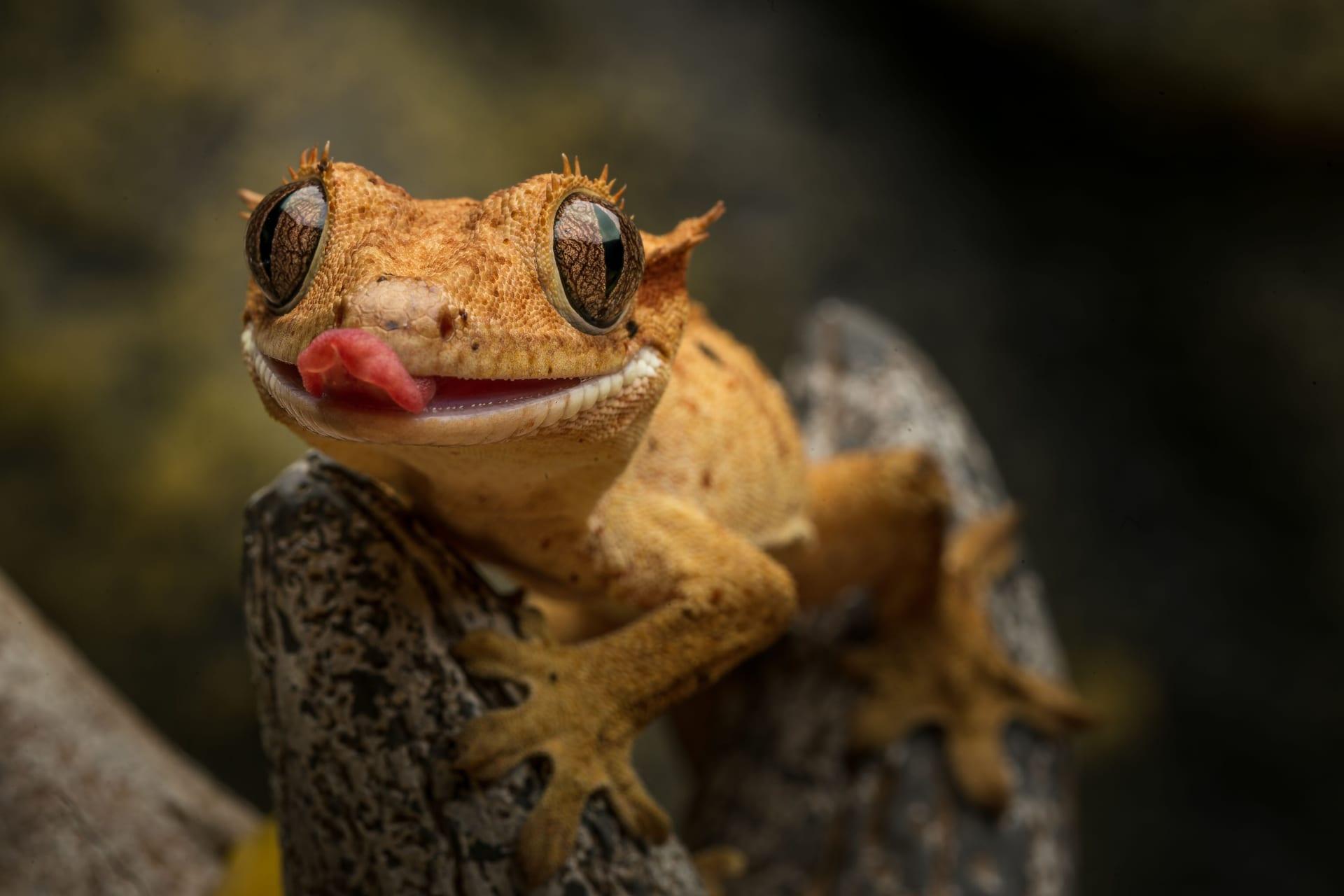 Zen Habitats 4x2x4 PVC Reptile Enclosure Best use of the same floor space | Arboreal species, or a dragon setup with a climbing level | 5/6 | Check price on Amazon#ad We may earn a commission. Price and stock are resolved at Amazon. |
What 120 gallons actually is
Gallons are a water measurement, and an enclosure holds no water, so the number on the box is a volume conversion rather than a husbandry figure. Here is the conversion done in public: 48 x 24 x 24 inches is 27,648 cubic inches; a US gallon is 231 cubic inches; 27,648 divided by 231 is 119.7. That is where 120 comes from, and it is honest as far as it goes.
The problem is that it is the wrong unit for the decision. Every care reference on this site publishes floor area and linear dimensions, not gallons, because an animal uses a floor and not a volume. The useful translation of 120 gallons is therefore: 8 square feet of floor, 48 inches of length to build a gradient across, 24 inches of height. Hold on to those three numbers and the gallon figure stops mattering.
| Measure | Figure |
|---|---|
| Dimensions | 48 x 24 x 24 in |
| In feet | 4 x 2 x 2 ft - the size class the market calls a 4x2x2 |
| In centimeters | About 122 x 61 x 61 cm |
| Floor area | 1,152 sq in = 8 sq ft |
| Volume | 27,648 cu in = 16 cu ft = about 453 liters |
| Why 120 gallons | 27,648 cu in / 231 cu in per US gallon = 119.7 |
Which animals a 120 gallon suits, and which it does not
Adult ball python: yes, and it is the standard answer. The published adult minimum is 48 x 24 x 24 in (120 x 60 x 60 cm), about 8 sq ft of floor area per the care reference, and 8 sq ft of floor meets it. The qualifier is the snake rather than the box: the enclosure should be at least as long as the animal, so a python over 4 ft has outgrown a 4 ft enclosure regardless of what the floor area says.
Bearded dragon: it depends which dragon. The reference minimum is 6 ft L x 2 ft W x 2 ft H (1.8 x 0.6 x 0.6 m), or 24 cubic feet of internal volume as published. A 120 gallon is 16 cubic feet. For a juvenile or a smaller adult that is a real enclosure; for a full-size adult it is two-thirds of the current figure, and the honest upgrade is either a 6 ft footprint or the 48 in tall version of the same 4 ft chassis, which reaches about 32 cubic feet on the same floor plan. Our 40 gallon vs 120 gallon page covers the step up from a starter tank, and bearded dragon tank size has the figures by life stage.
Leopard gecko: more than you need, and that is fine. The published minimum is 36 x 18 x 18 in with at least 4.5 sq ft of floor space, so a 120 gallon is generous rather than wrong. The only caution is that a large floor makes a 70-77 F (21-25 C) cool side easy and a warm surface harder to concentrate - you are heating a bigger room. Nothing about a larger enclosure is dangerous for a gecko, as can a reptile enclosure be too big explains; the real risk is an animal that cannot find its hides, which is a furnishing problem rather than a size problem.
Crested gecko: the wrong shape. The published minimum is 18 x 18 x 36 in for juveniles and adults over 12 g - taller than it is wide. A 120 gallon lying on its side is 24 in of height, which wastes most of what an arboreal animal uses. Buy the tall footprint instead; see crested gecko enclosure size.
What to check on a 120 gallon before you buy
The ceiling. This is the single spec that separates the units above. Mesh takes a lamp fixture directly and costs roughly a third of the UVB passing through; a solid PVC ceiling holds humidity and needs a planned mount. Decide which you need before you choose a brand, because you cannot convert one into the other afterwards.
Whether it ships flat-packed, and whether there is a stand. A 4 ft enclosure full of substrate is heavy and awkward, and a bookshelf is not a stand. Reptile enclosures with a stand covers the furniture question, and stackable reptile enclosures covers the case where you are planning a second enclosure above this one.
What it costs to heat. 16 cubic feet takes more wattage to hold a gradient than a 20 gallon tank, and the lamp you need depends on the mount distance the height gives you. What size UVB bulb for your tank sizes the lamp from the enclosure, and running costs puts a figure on the electricity.
Glass or PVC at this size
At 120 gallons the material question answers itself for most keepers: a glass tank of this volume is extremely heavy, hard to move once furnished, and sheds humidity through the screen top it needs for lamp mounting. PVC is lighter, insulates, and holds a humid range without constant misting. The counter-argument is the thermal gradient, which glass builds more readily - but over 48 inches of length you have enough distance to build a gradient in PVC too, provided the heat source sits at one end and the thermostat probe sits where the animal basks. PVC vs glass vs wood sets out the material trade in full, and best PVC enclosures is the roundup if you have already decided.
The picks in full
1. Best 120 gallon overall
Dubia.com 4x2x2 (120 Gallon) Reptile Enclosure
Dubia.com · An adult ball python, or a small adult dragon
The only unit in this class that puts the number in its own product name, and the arithmetic behind the name is correct: 48 x 24 x 24 in works out at 119.7 US gallons, so 120 is a rounding rather than a marketing claim. PVC, front-opening, opaque on five sides. For an adult ball python that combination is close to ideal - it carries the roughly 8 sq ft of floor the published minimum asks for, holds the humidity a shed needs, and gives the snake visual security without paper taped over glass. Lamp mounting is the partial: a solid ceiling means planning a mount instead of setting a fixture on mesh, and the ventilation wants checking if you run it wet.
Specifications
- Footprint
- 48 x 24 x 24 in (120 gallon)
- Material
- PVC
- Opening
- Front-opening
- Humidity
- Opaque on five sides, which helps hold humidity
How it scored against our criteria
| Meets the published adult footprintAt or above the cited minimum for the species it is sold for - 4.5 sq ft floor for a leopard gecko, about 8 sq ft for an adult ball python, 48 x 24 x 24 in or larger for a dragon, 18 x 18 x 36 in for a crested gecko | Meets |
|---|---|
| Front-opening accessDoors on the front, not a lift-off lid. Less startling for the animal and harder to escape from | Meets |
| Holds the species humidity rangeMaterial and lid design can hold the species target without constant intervention - 30-40% for a leopard gecko, 60-80% for a crested gecko | Meets |
| Takes a T5 fixture at a workable distanceMesh top or internal mounting that puts a T5 HO lamp at its published distance - about 11 in through mesh for an Arcadia Desert 12% | Partial |
| Supports a real thermal gradientLong enough that the cool end actually reaches the species cool-side figure while the basking surface holds its target | Meets |
| Materials we can account forManufacturer states the panel material, and any interior coating has a published temperature limit above the species basking surface temperature | Meets |
What works
- Carries the 8 sq ft of floor area an adult ball python needs
- Opaque sides give a snake visual security without taping paper to glass
- PVC is lighter than a glass tank of the same volume
What to know
- Ventilation needs checking if you run it humid for a python
- Shipping damage on large panels is a real risk with any flat-pack enclosure
Who should look elsewhere
If your ball python is over 4 ft, the enclosure should be at least as long as the snake. Go to a 5 or 6 ft build rather than forcing an adult into a 4 ft box.
2. Best 120 gallon for a dragon
Zen Habitats 4x2x2 PVC Reptile Enclosure
Zen Habitats · A 4x2x2 adult dragon or an adult ball python
Same 48 x 24 x 24 in class, different ceiling: this one has a mesh top, which is what you want if a T5 HO fixture has to sit above a basking platform at a published distance. PVC panels on an aluminum frame, front doors, and the mesh takes the fixture without an internal mount or a drilled hole. The footprint score is a partial on purpose - 120 gallons is the widely used dragon class but it does not reach the 24 cubic feet the current reference sets as a bearded dragon minimum, and 16 cubic feet is 16 cubic feet however the box is labelled. For a juvenile or a smaller adult this is the right buy; for a 23 in adult, go to 6 ft.
Specifications
- Footprint
- 48 x 24 x 24 in (about 120 gallons)
- Material
- PVC panels with an aluminum frame
- Opening
- Front-opening doors
- Top
- Mesh, lamp-compatible
How it scored against our criteria
| Meets the published adult footprintAt or above the cited minimum for the species it is sold for - 4.5 sq ft floor for a leopard gecko, about 8 sq ft for an adult ball python, 48 x 24 x 24 in or larger for a dragon, 18 x 18 x 36 in for a crested gecko | Partial |
|---|---|
| Front-opening accessDoors on the front, not a lift-off lid. Less startling for the animal and harder to escape from | Meets |
| Holds the species humidity rangeMaterial and lid design can hold the species target without constant intervention - 30-40% for a leopard gecko, 60-80% for a crested gecko | Meets |
| Takes a T5 fixture at a workable distanceMesh top or internal mounting that puts a T5 HO lamp at its published distance - about 11 in through mesh for an Arcadia Desert 12% | Meets |
| Supports a real thermal gradientLong enough that the cool end actually reaches the species cool-side figure while the basking surface holds its target | Meets |
| Materials we can account forManufacturer states the panel material, and any interior coating has a published temperature limit above the species basking surface temperature | Meets |
What works
- Front-opening, which is the access pattern every care reference prefers
- PVC holds humidity far better than screen-topped glass
- Mesh top takes a T5 HO fixture without an internal mount
What to know
- Does not reach the 24 cubic feet ReptiFiles now sets as its bearded dragon minimum
- Assembly is required and the panels are large to handle alone
Who should look elsewhere
If your dragon is a full-size adult at 19-23 in total length, the current ReptiFiles minimum is 6 x 2 x 2 ft or 24 cubic feet. Buy the 6 ft size instead of this one.
3. Best use of the same floor space
Zen Habitats 4x2x4 PVC Reptile Enclosure
Zen Habitats · Arboreal species, or a dragon setup with a climbing level
The 48 x 24 x 48 in version of the same chassis, which doubles the height on an identical floor plan and lands at roughly 32 cubic feet - so it clears the 24 cubic feet figure the 120 gallon class misses, without taking another inch of your room. For an arboreal animal that is the whole argument, and for a dragon it buys a second level rather than a bigger box. The gradient score drops to partial because height makes basking heat harder to control: hot air collects at the top, so a thermostat is not optional and a probe at the basking surface is the only reading that means anything.
Specifications
- Footprint
- 48 x 24 x 48 in
- Material
- PVC panels with an aluminum frame
- Opening
- Front-opening doors
- Top
- Mesh, lamp-compatible
How it scored against our criteria
| Meets the published adult footprintAt or above the cited minimum for the species it is sold for - 4.5 sq ft floor for a leopard gecko, about 8 sq ft for an adult ball python, 48 x 24 x 24 in or larger for a dragon, 18 x 18 x 36 in for a crested gecko | Meets |
|---|---|
| Front-opening accessDoors on the front, not a lift-off lid. Less startling for the animal and harder to escape from | Meets |
| Holds the species humidity rangeMaterial and lid design can hold the species target without constant intervention - 30-40% for a leopard gecko, 60-80% for a crested gecko | Meets |
| Takes a T5 fixture at a workable distanceMesh top or internal mounting that puts a T5 HO lamp at its published distance - about 11 in through mesh for an Arcadia Desert 12% | Meets |
| Supports a real thermal gradientLong enough that the cool end actually reaches the species cool-side figure while the basking surface holds its target | Partial |
| Materials we can account forManufacturer states the panel material, and any interior coating has a published temperature limit above the species basking surface temperature | Meets |
What works
- Vertical space is the binding constraint for arboreal species, and this has it
- Same PVC humidity retention as the 4x2x2
- Room to mount a UVB fixture well above a basking branch
What to know
- Height makes a basking gradient harder to control without a thermostat
- Overkill for a strictly terrestrial animal
Who should look elsewhere
A leopard gecko gets nothing from 48 in of height. Floor area is its constraint, so buy a 36 x 18 x 18 in instead and spend the difference on substrate depth.
Frequently asked questions
What are the dimensions of a 120 gallon reptile enclosure?
48 x 24 x 24 inches, which is 4 x 2 x 2 feet or about 122 x 61 x 61 cm. That gives 8 square feet of floor and 16 cubic feet of volume. The gallon figure comes from 27,648 cubic inches divided by the 231 cubic inches in a US gallon, which is 119.7.
Is a 120 gallon enclosure big enough for a bearded dragon?
For a juvenile or a smaller adult, yes. For a full-size adult, no - the current published minimum is 6 ft L x 2 ft W x 2 ft H (1.8 x 0.6 x 0.6 m), or 24 cubic feet of internal volume and a 120 gallon delivers 16 cubic feet. Either go to a 6 ft footprint or choose the 48 in tall version of the same 4 ft chassis, which reaches roughly 32 cubic feet on the same floor space.
Is a 120 gallon enclosure big enough for a ball python?
Yes for an adult up to about 4 ft - the published minimum is 48 x 24 x 24 in (120 x 60 x 60 cm), about 8 sq ft of floor area and 8 square feet of floor meets it. The rule that overrides the floor area is that the enclosure should be at least as long as the snake, so a larger animal needs a 5 or 6 ft build. See ball python enclosure size.
How many gallons is a 4x2x2 enclosure?
About 120 US gallons. A 4x2x2 and a 120 gallon are the same enclosure described in two unit systems, which is why sellers list the same box under both labels.
Can two reptiles share a 120 gallon enclosure?
Not for any of the four species on this site. Bearded dragons, leopard geckos, ball pythons and crested geckos are kept singly in the care references we work from, and floor area does not change that - cohabitation problems are behavioral, not spatial. One animal per enclosure.
Sources
- Ball Python Terrarium Size & Lighting — ReptiFiles
- Bearded Dragon Terrarium Size Requirements — ReptiFiles
- Leopard Gecko Terrarium Size & Lighting Requirements — ReptiFiles
- Crested Gecko Terrarium Size & Cohabitation Notes — ReptiFiles
- Leopard Gecko Temperatures & Humidity — ReptiFiles
Read next
Hub
Reptile enclosure guides and comparisons
The cross-species decisions: what material to buy, how big it has to be, whether to build it yourself, and which beginner mistakes are expensive.
Guides
4x2x2 enclosure dimensions
A 4x2x2 reptile enclosure in inches, centimeters, square feet, cubic feet and gallons - with which species the footprint actually fits.
Guides
4x2x2 reptile enclosure: the dimensions, and which species it fits
What a 4x2x2 enclosure measures in inches, centimeters and gallons, and the species it does and does not cover.
Guides
Best reptile tanks
Glass tanks and their PVC alternatives scored on published footprint, humidity retention and lamp mounting - with the species line that decides which material you want.
Guides
Best stackable reptile enclosures
Which reptile enclosures stack safely - flat load-bearing tops, solid ceilings, front access - and why screen-topped glass tanks are not candidates.
Guides
Best PVC reptile enclosures (2026)
PVC enclosures ranked on footprint, humidity retention and whether the panel material is disclosed.