Ball python
Best basking bulb for a ball python
The published target for this species is a warm hide at 86-90 F, not a lit basking surface. That changes the answer: two of the four picks here are not bulbs at all, and the page says so before it sells you anything.
By Brijon M.Last updated
A ball python needs a warm hide at Warm hide 86-90 F (30-32 C), not a lit basking platform - this is a crepuscular, terrestrial, tropical savanna snake that spends the day under cover. So the best "basking bulb" for most setups is not a bulb: a ceiling-mounted radiant heat panel on a proportional thermostat holds the figure with no light and no contact risk. If you want an overhead bulb, choose a halogen spot on a dimming thermostat and expect to run two close together over a 4 ft enclosure, because one spot is narrower than a coiled adult snake. Never run any of them without a thermostat.
Shed & Bask earns a commission from qualifying Amazon purchases made through links on this page. It does not change what we recommend or the order we rank things in. Read the full disclosure.
How we picked
Every pick below is scored against these thresholds, stated as numbers. Publishing them is the point: of the competitor roundups we surveyed, not one published a numeric selection threshold.
Right infrared band for the job
Halogen for daytime basking (produces Infrared-A); lightless ceramic or radiant panel for night and ambient only
Source: ReptiFiles - Ball Python Humidity & Temperature Requirements
Thermostat-controllable
Works on the correct controller type - dimming or pulse for a light-emitting lamp, on/off acceptable only for a lightless source
Source: ReptiFiles - Ball Python Humidity & Temperature Requirements
Reaches the species basking surface figure
108-113 F surface for a bearded dragon, 94-97 F for a leopard gecko, 86-90 F warm hide for a ball python
Source: ReptiFiles - Bearded Dragon Temperatures & UVB Requirements
Can be guarded
Fits a fixture with a cage guard, so an animal that can reach it cannot contact it
Source: National Fire Protection Association - Heating equipment and home fire safety
Heats a zone, not a point
Covers enough area for the animal's whole body - a single spot is too small for a coiled adult snake in a 48 in enclosure
Source: ReptiFiles - Ball Python Humidity & Temperature Requirements
These are the same criteria every roundup on this site applies. See the full methodology.
Quick picks
Every row is scored against the published criteria below. Tap a row to read the full write-up.
| # | Product | Best for | Criteria met | Price |
|---|---|---|---|---|
| 1 | 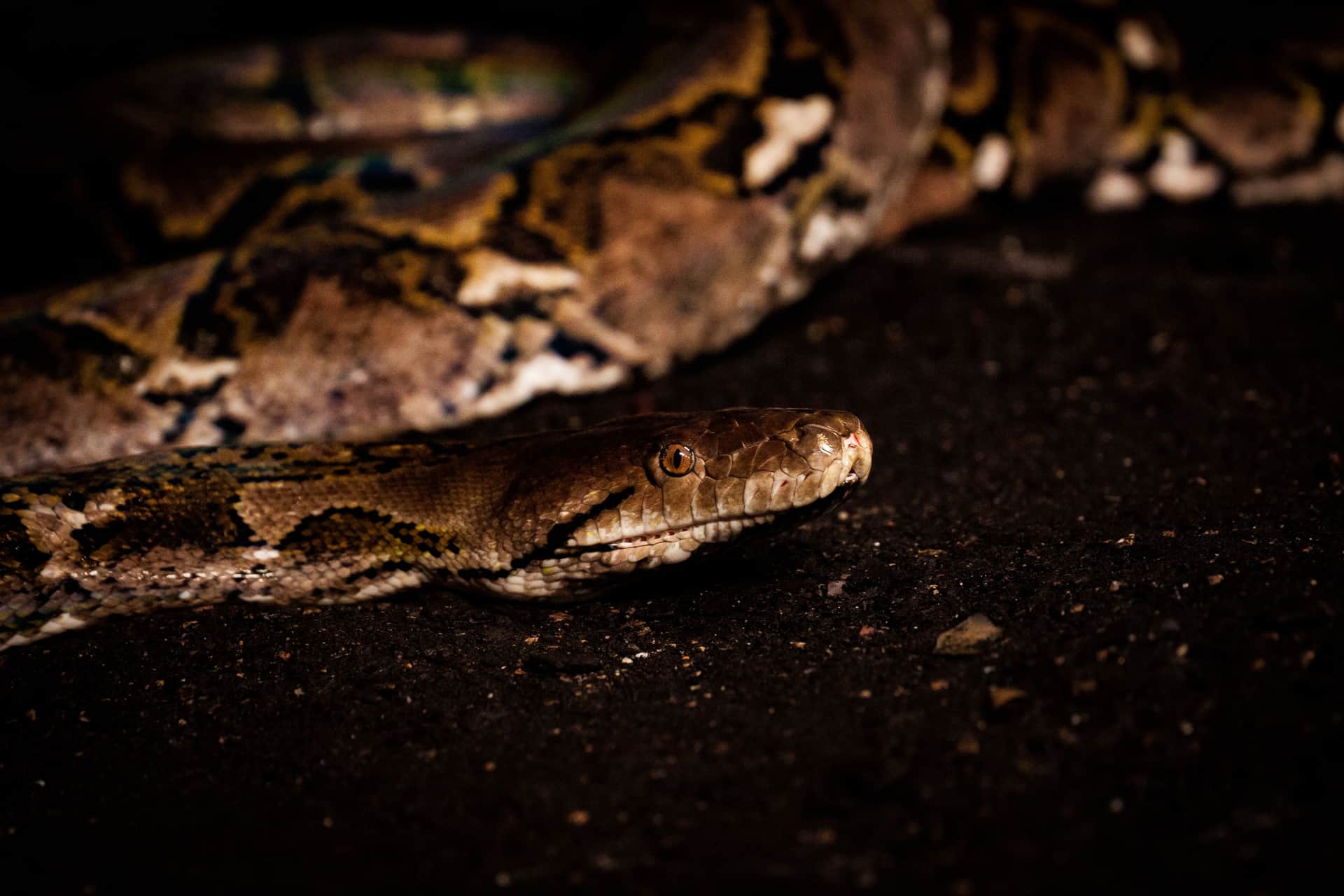 Radiant Heat Panel Best heat source for a ball python | Ambient heat in a PVC snake enclosure | 4/5 | Check price on Amazon#ad We may earn a commission. Price and stock are resolved at Amazon. |
| 2 | 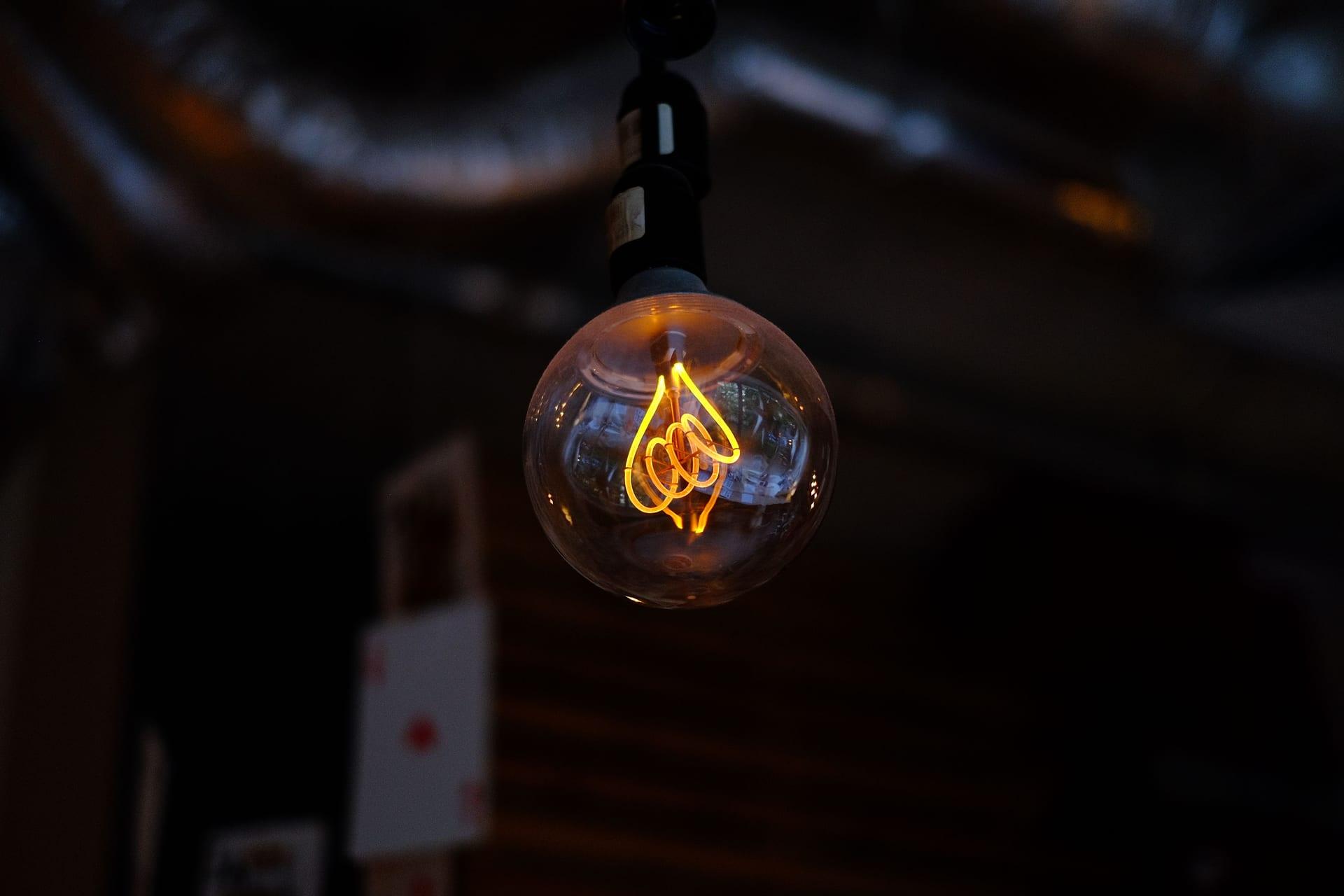 Exo Terra Intense Basking Spot Lamp Best actual basking bulb | Overhead basking heat on a thermostat | 4/5 | Check price on Amazon#ad We may earn a commission. Price and stock are resolved at Amazon. |
| 3 | Ceramic Heat Emitter (CHE) Best for a cold room and for nights | Night-time ambient heat in a cold room | 3/5 | Check price on Amazon#ad We may earn a commission. Price and stock are resolved at Amazon. |
| 4 |  Zoo Med Repti Basking Spot Lamp Best budget overhead option | Basking heat plus UVA from a single cheap bulb on a thermostat | 4/5 | Check price on Amazon#ad We may earn a commission. Price and stock are resolved at Amazon. |
Start here: ball pythons do not bask the way the search term assumes
The phrase "basking bulb" comes from keeping diurnal lizards. A bearded dragon climbs onto a rock, flattens out under a lamp and holds a surface at 108-113 F (42-45 C) surface temperature per the care reference. That is basking, and a basking bulb is the right tool for it.
A ball python is a crepuscular, terrestrial, tropical savanna snake. The published figures for it are not a basking surface at all - they are a warm hide at Warm hide 86-90 F (30-32 C) and a cool hide at Cool hide 72-80 F (22-27 C); air never above 95 F (35 C) as stated in the same reference series. The animal moves between two covered retreats to regulate its temperature. It is not lying in the open waiting for a beam.
That single difference reorganizes the whole shopping list. If the target is a warm retreat held steadily at a figure, then an even, lightless heat source that warms a zone is doing the job better than an intense spot that lights it. This is why the top pick on this page is a panel and not a lamp, and why we would rather tell you that up front than rank four bulbs as though the question were settled.
The figures every pick is scored against
| Zone | Published figure | How you verify it |
|---|---|---|
| Warm hide | Warm hide 86-90 F (30-32 C) | Probe or infrared reading inside the hide, not the air above it |
| Cool hide | Cool hide 72-80 F (22-27 C); air never above 95 F (35 C) | Same method, at the other end of the enclosure |
| Night | 70-78 F (21-26 C) | Room thermometer overnight, before you buy any night heat |
| Humidity | Tropical savanna range. Raise it for sheds, ventilate to prevent scale rot | Digital gauge at animal height |
| Photoperiod | 12 hours on, 12 hours off (equatorial origin) | A plug timer on anything that emits light |
Note the hard ceiling buried in the cool-side row: the reference states the air should never go above 95 F. A heat source powerful enough to overshoot that is a heat source that needs a thermostat holding it back, which is every heat source on this page.
Lightless or overhead? The decision in three questions
What is your enclosure ceiling made of? A radiant panel needs a solid PVC or wooden top to mount against. If you have a screen-topped glass tank, the panel is off the table and you are choosing between an overhead bulb above the mesh or a ceramic emitter in a guarded dome. Our are glass tanks bad for ball pythons page covers why that enclosure makes every other decision harder.
Does your room drop below the night range? Measure it overnight with a cheap thermometer before you spend anything. If the room holds 70-78 F (21-26 C) on its own, you need day heat only, and the cheapest correct answer is an overhead bulb on a timer and a thermostat. If the room falls below it, you need a lightless source as well - how to keep a reptile enclosure warm works through the winter and power-cut cases.
How long is the snake? An adult coiled in a hide presents a wider target than a 50 W spot lamp covers. Over a 4 ft enclosure the published approach for larger footprints is two lamps placed close together rather than one hotter lamp - it widens the warm zone without raising the peak temperature at the surface.
The answer for a PVC enclosure
Radiant Heat Panel
Ceiling-mounted, lightless, even across the enclosure, and impossible for the snake to reach or coil around.
Wattage is the last decision, and it is a measurement
There is no correct wattage for a ball python, and any page that gives you one is guessing on your behalf. Wattage interacts with enclosure volume, mount height, the material of the enclosure and your room temperature. The published target is a hide temperature, so the procedure is:
| Step | What you do |
|---|---|
| 1 | Install the heat source at the mount position the enclosure allows |
| 2 | Put the thermostat probe inside the warm hide, where the animal will lie |
| 3 | Close the enclosure and let it run 45 minutes - a hide takes that long to stabilize |
| 4 | Read the hide. Target Warm hide 86-90 F (30-32 C) |
| 5 | Adjust by dimming on the thermostat first, then by wattage, then by mount height |
| 6 | Confirm the cool hide still reads its own figure, and that the air is under 95 F |
Step 6 is the one people skip, and it is where undersized enclosures fail: if raising the warm hide to its figure also drags the cool hide above its range, the enclosure is too short to hold a gradient and no lamp choice fixes that. Ball python enclosure size has the footprint figures, and how to measure basking temperature covers taking a reading that means something.
If you want an overhead bulb
Exo Terra Intense Basking Spot Lamp
Halogen, so it produces the Infrared-A band current guidance prefers, and it behaves correctly on a dimming thermostat.
Every one of these needs a thermostat. No exceptions.
A heat source produces output, not a temperature. Its effect on the enclosure moves with your room, so the lamp that holds a warm hide correctly in October overshoots in July. For a species whose reference states an air ceiling of 95 F, that is not a comfort question.
Match the controller type to the source, because a mismatch wastes the controller: dimming or pulse for a filament or halogen lamp, on/off for a lightless emitter or panel where the cycling is invisible to the animal. How thermostats work explains the difference and best reptile thermostats ranks the controllers. The fire-safety side - the fixture, the socket material and the cable routing, which cause more incidents than the bulbs do - is in heat lamp fire safety.
What about a heat mat?
A heat mat is a legitimate tool and it is a different one: it delivers belly heat through the floor rather than radiant heat from above, and it has to be controlled by a thermostat with the probe between the mat and the enclosure floor. The reason it is not on this page is that the page is about basking bulbs, and the reason it is not an automatic choice is that a mat under deep substrate puts the hottest surface where a burrowing snake cannot see it. The full comparison, including when the mat genuinely wins, is in heat mat vs heat lamp.
For night heat in a cold room
Ceramic Heat Emitter (CHE)
Lightless, so it does not break the photoperiod, and good at lifting whole-enclosure air temperature - on a thermostat, behind a guard.
What a basking bulb does not do
It does not supply UVB. None of these four does, and none of their makers claims otherwise. Ball pythons sit in Zone 2 with a published target of UVI 2.0-3.0 at the basking area per the Ferguson zone guidance, which comes from a separate low-output linear tube if you choose to provide it. See do ball pythons need UVB for the honest answer on whether to bother, and best UVB for ball pythons for the lamp if you do.
It does not fix humidity. Overhead heat dries an enclosure out, which is the opposite of what this species wants during a shed. If adding heat has taken your humidity out of range, ball python humidity and temperature covers the balance the reference asks for - raised for sheds, ventilated against scale rot.
It does not replace a hide. A warm zone with nothing to hide under is a warm zone a ball python will not use. Two hides, one at each end, identical in shape so the animal is choosing temperature rather than choosing shelter quality. The ball python setup checklist has the full component list.
The honest ranking, restated
Buy the radiant panel if you have a PVC enclosure and the budget - it matches the husbandry target better than anything else here. Buy the halogen spot on a dimming thermostat if you want overhead heat, you have a mesh top, or the panel is out of reach on price, and plan for two lamps over a 4 ft enclosure. Buy the Zoo Med spot instead if you want the wattage ladder to tune with. Add the ceramic emitter only if your room actually drops below the night range. And in every one of those cases, buy the thermostat at the same time, because none of the four is safe to run without one.
For the cross-species version of this roundup, see best reptile heat sources. For the husbandry guide that sits behind these product choices, see ball python heating. And for what the whole setup costs to run year after year, see ball python cost per year.
The budget overhead pick
Zoo Med Repti Basking Spot Lamp
Eight wattage steps from 25 W to 250 W, so the warm hide gets tuned by swapping a cheap bulb rather than rebuilding the fixture.
The picks in full
1. Best heat source for a ball python
Radiant Heat Panel
Various (Pro Products, Vivarium Electronics) · Ambient heat in a PVC snake enclosure
The pick that wins by matching what the animal actually needs. A ball python thermoregulates between hides rather than lying out under a lamp, so the job is a warm zone held at a figure, not a bright spot - and a ceiling-mounted panel does exactly that across a PVC enclosure with no light output at all. It scores top marks on the three criteria that decide this species: it runs on a proportional thermostat, it holds the warm hide at its published figure, and contact risk is as low as it gets because the animal cannot reach it or coil around it. Infrared is scored partial honestly: a panel does not deliver the Infrared-A that a halogen does, which matters for a basking lizard and matters far less for a snake in a hide. The real costs are the mounting requirement - you need a solid PVC or wooden ceiling, not a screen top - and the price, which is the highest per enclosure of anything on this page.
Specifications
- Type
- Lightless radiant panel
- Mounting
- Enclosure ceiling
- Control
- Proportional thermostat
- Contact risk
- Low - the animal cannot normally reach it
How it scored against our criteria
| Right infrared band for the jobHalogen for daytime basking (produces Infrared-A); lightless ceramic or radiant panel for night and ambient only | Partial |
|---|---|
| Thermostat-controllableWorks on the correct controller type - dimming or pulse for a light-emitting lamp, on/off acceptable only for a lightless source | Meets |
| Reaches the species basking surface figure108-113 F surface for a bearded dragon, 94-97 F for a leopard gecko, 86-90 F warm hide for a ball python | Meets |
| Can be guardedFits a fixture with a cage guard, so an animal that can reach it cannot contact it | Meets |
| Heats a zone, not a pointCovers enough area for the animal's whole body - a single spot is too small for a coiled adult snake in a 48 in enclosure | Meets |
What works
- Ceiling-mounted, so an animal cannot coil around it
- Even ambient heat across a PVC enclosure
- No light output
What to know
- Needs a PVC or wooden ceiling to mount to - not a screen top
- The most expensive heat option per enclosure
Who should look elsewhere
For daytime basking heat for a diurnal basker, this is the wrong spectrum. Use overhead halogen and keep the panel for ambient.
2. Best actual basking bulb
Exo Terra Intense Basking Spot Lamp
Exo Terra · Overhead basking heat on a thermostat
If you want an overhead bulb specifically, this is the one, and the reason is the infrared band: halogen produces Infrared-A, the deeply penetrating part of the spectrum that current guidance prefers for radiant heat. It must run on a dimming or pulse thermostat - a filament lamp switched on and off by a basic controller cycles the enclosure and shortens the lamp's life doing it. The honest con is the beam: a spot lamp makes a small, intense circle of heat, and a coiled adult ball python is wider than that circle, so you are heating part of the animal and asking it to rotate. For a 4 ft enclosure that usually means two lamps placed close together rather than one hotter one. It also emits visible light, which makes it a daytime source only.
Specifications
- Type
- Halogen spot (incandescent)
- Infrared
- Produces Infrared-A, the deeply penetrating band
- Control
- Must run on a dimming or pulse thermostat
- Common use
- A 50 W in a 5.5 in dome for a crested gecko basking area
How it scored against our criteria
| Right infrared band for the jobHalogen for daytime basking (produces Infrared-A); lightless ceramic or radiant panel for night and ambient only | Meets |
|---|---|
| Thermostat-controllableWorks on the correct controller type - dimming or pulse for a light-emitting lamp, on/off acceptable only for a lightless source | Meets |
| Reaches the species basking surface figure108-113 F surface for a bearded dragon, 94-97 F for a leopard gecko, 86-90 F warm hide for a ball python | Meets |
| Can be guardedFits a fixture with a cage guard, so an animal that can reach it cannot contact it | Meets |
| Heats a zone, not a pointCovers enough area for the animal's whole body - a single spot is too small for a coiled adult snake in a 48 in enclosure | Partial |
What works
- Halogen is the heat type current husbandry references prefer for basking
- Cheap enough to keep a spare, which you should
- Works in a standard dome fixture
What to know
- Emits visible light, so it cannot be used at night
- A single spot may be too small a basking area for a coiled snake
Who should look elsewhere
For night heat in a cold room, a halogen is the wrong tool - it lights the enclosure. Use a ceramic heat emitter in a guarded fixture instead.
3. Best for a cold room and for nights
Ceramic Heat Emitter (CHE)
Various (Zoo Med, Fluker's, REPTI ZOO) · Night-time ambient heat in a cold room
The cheapest way to solve the problem most keepers actually have, which is a room that drops below the species night range rather than a daytime basking deficit. It makes no visible light, so it does not break the photoperiod, and it lifts whole-enclosure air temperature rather than spotting one patch. Two criteria are scored down and both are real: the infrared spectrum is weaker than halogen, which is why it fails outright as a daytime basking source and belongs in the ambient role instead; and it reaches a warm-hide figure less precisely than a panel because it is heating air rather than a zone. It gets hot enough to burn an animal that can reach it, so the wire cage guard is not optional and the thermostat is not optional. If your room never drops below the night range, you do not need one - measure before you buy.
Specifications
- Type
- Lightless ceramic emitter
- Use
- Ambient air temperature, not daytime basking
- Fixture
- Ceramic socket, wire cage guard
- Control
- Thermostat, always
How it scored against our criteria
| Right infrared band for the jobHalogen for daytime basking (produces Infrared-A); lightless ceramic or radiant panel for night and ambient only | Below |
|---|---|
| Thermostat-controllableWorks on the correct controller type - dimming or pulse for a light-emitting lamp, on/off acceptable only for a lightless source | Meets |
| Reaches the species basking surface figure108-113 F surface for a bearded dragon, 94-97 F for a leopard gecko, 86-90 F warm hide for a ball python | Partial |
| Can be guardedFits a fixture with a cage guard, so an animal that can reach it cannot contact it | Meets |
| Heats a zone, not a pointCovers enough area for the animal's whole body - a single spot is too small for a coiled adult snake in a 48 in enclosure | Meets |
What works
- No visible light, so it does not disrupt the day and night cycle
- Good at lifting whole-enclosure air temperature
- Long service life compared with a filament bulb
What to know
- Weaker infrared spectrum than halogen, so it is a poor daytime basking source
- Gets hot enough to burn an animal that can reach it - the guard is not optional
Who should look elsewhere
If your room never drops below the species night minimum, you do not need one at all. Measure before you buy.
4. Best budget overhead option
Zoo Med Repti Basking Spot Lamp
Zoo Med · Basking heat plus UVA from a single cheap bulb on a thermostat
The reason this is on the page is the wattage ladder: it is sold in 25, 40, 50, 75, 100, 125, 150 and 250 W, which lets you tune a warm hide by swapping a cheap bulb instead of moving a fixture or buying a second thermostat. The double reflector is stated by Zoo Med to focus 35% more heat and light than a regular spot lamp, which is a beam claim rather than a temperature promise - treat it as a reason the spot is tight, not as a figure. Same beam-width con as the halogen, and the same daytime-only restriction. It needs a ceramic socket rather than a plastic one. It supplies no UVB, and Zoo Med does not claim it does.
Specifications
- UVA
- Manufacturer states beneficial UVA; no percentage published
- Beam
- Double reflector, stated to focus 35% more heat and light than a regular spot
- Wattages
- 25, 40, 50, 75, 100, 125, 150 and 250 W
- Fixture
- Reptile hood or clamp lamp with a ceramic socket base
How it scored against our criteria
| Right infrared band for the jobHalogen for daytime basking (produces Infrared-A); lightless ceramic or radiant panel for night and ambient only | Meets |
|---|---|
| Thermostat-controllableWorks on the correct controller type - dimming or pulse for a light-emitting lamp, on/off acceptable only for a lightless source | Meets |
| Reaches the species basking surface figure108-113 F surface for a bearded dragon, 94-97 F for a leopard gecko, 86-90 F warm hide for a ball python | Meets |
| Can be guardedFits a fixture with a cage guard, so an animal that can reach it cannot contact it | Meets |
| Heats a zone, not a pointCovers enough area for the animal's whole body - a single spot is too small for a coiled adult snake in a 48 in enclosure | Partial |
What works
- Zoo Med publishes a UVA claim for it, so the UVA is not an assumption
- Tight beam makes a defined basking spot rather than heating the whole box
- Cheap in every wattage, and sold in enough steps to tune the basking surface temperature
What to know
- No UVB at all - this lamp cannot replace a UVB lamp and Zoo Med does not claim it can
- No published UVA percentage, so the figure cannot be compared against a UVB tube's
- Visible light, so it is a daytime lamp only
Who should look elsewhere
If your basking surface is already at temperature and you only want the UVA, do not buy a second heat source. A linear UVB lamp emits UVA as well, and that is the lamp a reptile actually needs.
Frequently asked questions
Do ball pythons need a basking light?
Not a basking light in the lizard sense. They need a warm hide at Warm hide 86-90 F (30-32 C) and a cool hide at Cool hide 72-80 F (22-27 C); air never above 95 F (35 C), which a lightless radiant panel or ceramic emitter delivers more evenly than a spot lamp. An overhead halogen on a dimming thermostat is a valid way to provide it, not a requirement.
What wattage basking bulb does a ball python need?
There is no species wattage. Install the lamp, put the thermostat probe inside the warm hide, run the enclosure closed for 45 minutes and adjust until the hide reads Warm hide 86-90 F (30-32 C) - then check the cool hide and confirm the air is below 95 F.
Can I leave a ball python basking bulb on at night?
No. The photoperiod is 12 hours on, 12 hours off (equatorial origin) and anything that emits visible light goes off at night. If the room drops below 70-78 F (21-26 C), add a lightless ceramic emitter or panel on a thermostat - never a colored night bulb. See night lighting mistakes.
Is a radiant heat panel better than a basking bulb for a ball python?
For most PVC setups, yes - it holds a warm zone evenly, emits no light, and the snake cannot reach it. A halogen bulb delivers more Infrared-A, which matters more for a basking lizard than for a snake in a hide. The panel needs a solid ceiling, so it is not an option on a screen top.
How many basking bulbs does a 4x2x2 ball python enclosure need?
If you are using spot lamps, usually two placed close together rather than one higher wattage. A single spot beam is narrower than a coiled adult snake, so two widen the warm zone without raising the peak surface temperature.
Sources
- Ball Python Humidity & Temperature Requirements — ReptiFiles
- Ball Python Terrarium Size & Lighting — ReptiFiles
- Bearded Dragon Temperatures & UVB Requirements — ReptiFiles
- What Are Ferguson Zones? Reptile UVB Information — Zen Habitats
- Repti Basking Spot Lamp product information — Zoo Med Laboratories
- Heating equipment and home fire safety — National Fire Protection Association
Read next
Hub
Ball python enclosures, heating and substrate
The enclosure should be at least as long as the snake. The idea that ball pythons want to be crammed into a small dark box is a myth the published guidance names as one.
Ball python
Ball python heating requirements
Ball python heating: the hide figures, the air ceiling, and the two-bulb rule.
Ball python
Ball python: heat mat or heat lamp?
Heat mat versus overhead halogen for a ball python, decided by infrared band.

Ball python
Ball python cost per year
The recurring annual cost of keeping a ball python, line by line, with the electricity arithmetic and the costs keepers forget to budget.
Lighting & heat
Best reptile heat lamps and heat sources (2026)
Heat sources ranked by infrared band, thermostat compatibility and the species basking figure they can reach.
Lighting & heat
Best reptile thermostats (2026)
Thermostats ranked by control type, stated accuracy, load ceiling and whether they alarm on failure.