Bearded dragon
Bearded dragon UVB and heat lamp setup
There are three lighting channels, not two. Most setups ship with one and a half of them.
By Brijon M.Last updated
Three channels: a linear T5 HO UVB lamp at its published distance targeting UVI 4.0-4.5 at the basking surface; a halogen basking lamp on a dimming thermostat targeting 108-113 F (42-45 C) surface temperature at the surface; and bright approximately 6500 K illumination covering 75-100% of the enclosure length. All on a 12-14 hours of light per day, seasonally adjusted timer.
Shed & Bask earns a commission from qualifying Amazon purchases made through links on this page. It does not change what we recommend or the order we rank things in. Read the full disclosure.
How we picked
Every pick below is scored against these thresholds, stated as numbers. Publishing them is the point: of the competitor roundups we surveyed, not one published a numeric selection threshold.
Can hit the species UVI target
Reaches the Ferguson zone basking figure for the species at a distance the enclosure actually allows - UVI 4.0-4.5 for a bearded dragon, 2.0-3.0 for a ball python, 0.5-1.5 for a leopard gecko
Source: ReptiFiles - Bearded Dragon Temperatures & UVB Requirements
Manufacturer or care reference publishes a mount distance
A stated distance in inches, with a mesh correction, not just a percentage on the box
Source: ReptiFiles - Bearded Dragon Temperatures & UVB Requirements
Linear tube, not a compact coil
T5 HO or T5 SO linear tube, so output covers a basking zone rather than a point
Source: ReptiFiles - Bearded Dragon Temperatures & UVB Requirements
Usable in an unshielded fixture
No glass or plastic over the lamp - both block UVB completely
Source: ReptiFiles - Bearded Dragon Temperatures & UVB Requirements
Stated replacement interval
12 months for a T5 fluorescent, regardless of whether visible light continues
Source: ReptiFiles - Bearded Dragon Temperatures & UVB Requirements
These are the same criteria every roundup on this site applies. See the full methodology.
Quick picks
Every row is scored against the published criteria below. Tap a row to read the full write-up.
| # | Product | Best for | Criteria met | Price |
|---|---|---|---|---|
| 1 | Arcadia T5 HO Desert 12% UVB Lamp The UVB channel, standard mesh top | A bearded dragon in a standard mesh-top enclosure | 5/5 | Check price on Amazon#ad We may earn a commission. Price and stock are resolved at Amazon. |
| 2 |  Arcadia T5 HO Dragon 14% UVB Lamp The UVB channel, taller enclosure | A tall dragon enclosure where the lamp sits further from the basking surface | 5/5 | Check price on Amazon#ad We may earn a commission. Price and stock are resolved at Amazon. |
| 3 |  Exo Terra Intense Basking Spot Lamp The heat channel | Overhead basking heat on a thermostat | 2/5 | Check price on Amazon#ad We may earn a commission. Price and stock are resolved at Amazon. |
| 4 | 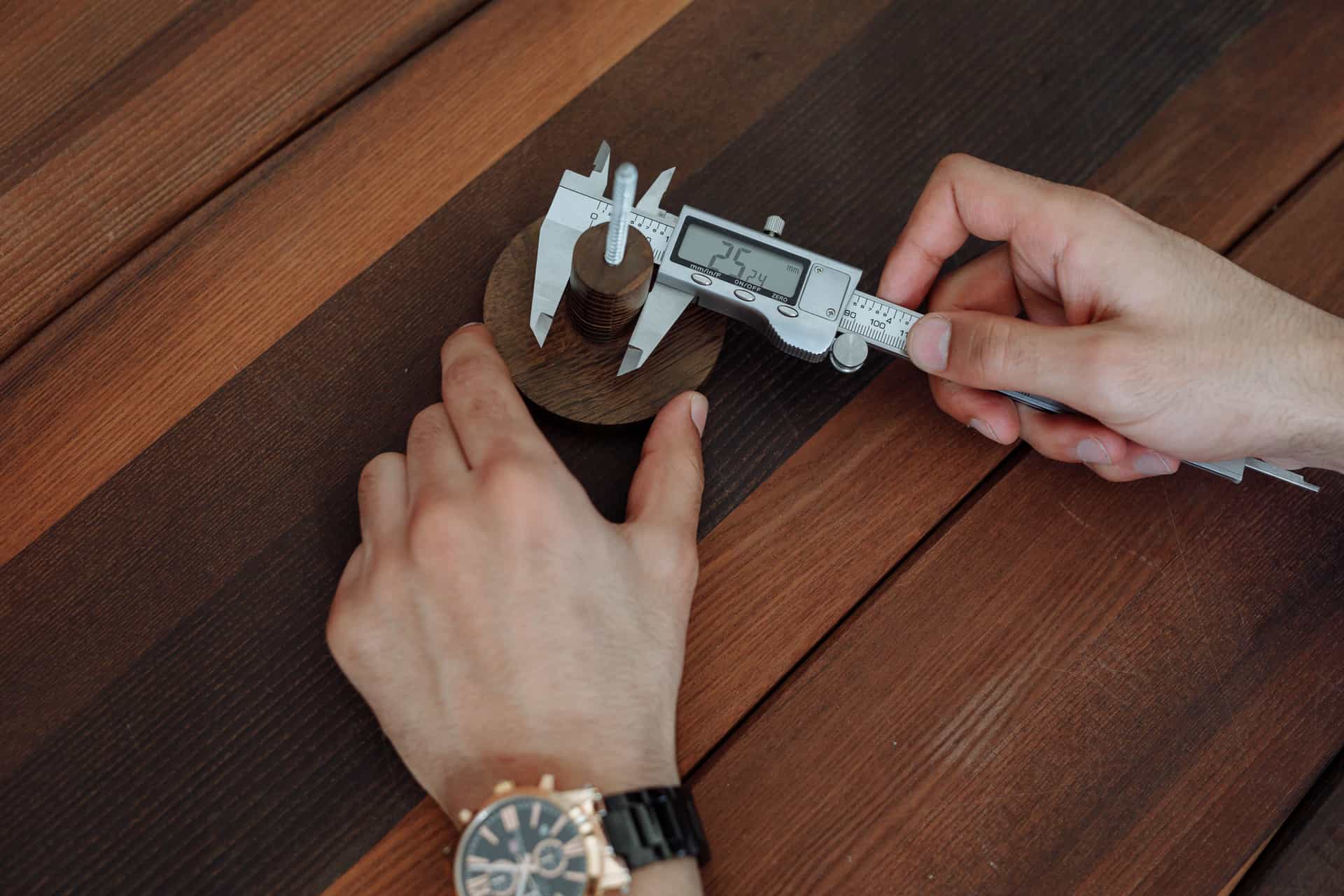 Solarmeter Model 6.5 UV Index Meter The verification | Verifying that your lamp actually hits the species UVI target | 3/5 | Check price on Amazon#ad We may earn a commission. Price and stock are resolved at Amazon. |
Channel 1: UVB
A linear T5 HO tube, never a coil, in a reflector fixture with no glass or plastic shield over the lamp. Target UVI 4.0-4.5 at the basking surface, with the optimal gradient running from 0 at the far cool end up to that figure at the basking site.
| Lamp | Through mesh | No mesh |
|---|---|---|
| Arcadia T5 HO Desert 12% | 11 in / 27 cm | 16-17 in / 40.5-42 cm |
| Arcadia T5 HO Dragon 14% | 11-12 in / 28-30 cm | 17-18 in / 43-45 cm |
Those figures assume roughly a 45% mesh block. Without a meter, the published advice is to add 1 to 3 inches to account for your dragon's own height, and to make the basking area the highest point and closest to the lamp. Tube length: roughly half the enclosure length, on the same side as the heat lamps - 22 inches for a 4 ft enclosure, 34 inches for a 6 ft.
Channel 2: basking heat
A separate device doing a separate job. Halogen, because it produces the most Infrared-A, on a dimming or proportional thermostat, aimed at a stone or tile slab at the same end as the UVB. The basking setup page has the procedure.
Channel 3: the 6500 K daylight lamp most setups omit
The published guidance is explicit that in addition to halogen heating and UVB, a bearded dragon needs bright approximately 6500 K illumination for optimal wellbeing - covering 75 to 100% of the enclosure length, which may mean more than one lamp. It makes a difference to health and activity, and it also makes the enclosure look considerably better.
This is the cheapest improvement available to most dragon setups and the one almost nobody has, because kits do not include it and the UVB tube does not substitute for it.
Photoperiod and replacement
- Hours: 12-14 hours of light per day, seasonally adjusted. A plug timer handles it; the photoperiod guide has the seasonal version.
- Nothing on at night. If the room falls below 55 F, use a lightless source. Not a colored bulb.
- Replace the T5 every 12 months, regardless of visible output. Write the date on the end cap.
What to avoid
- Compact coil UVB bulbs as the primary source.
- Any fixture with a shield over the lamp - it blocks UVB entirely.
- LED UVB. Reptile lighting researchers consider the technology not yet ready for safe use with reptiles.
- Combining heat and UVB in one mercury vapor bulb without a meter.
The picks in full
1. The UVB channel, standard mesh top
Arcadia T5 HO Desert 12% UVB Lamp
Arcadia Reptile · A bearded dragon in a standard mesh-top enclosure
11 in above the basking surface through mesh, or 16-17 in with no mesh, to land UVI 4.0-4.5. Tube length about half the enclosure, on the same side as the heat lamps.
Specifications
- Output
- 12% UVB, T5 HO linear
- Mount distance (mesh)
- 11 in / 27 cm
- Mount distance (no mesh)
- 16-17 in / 40.5-42 cm
- Replace
- Every 12 months
How it scored against our criteria
| Can hit the species UVI targetReaches the Ferguson zone basking figure for the species at a distance the enclosure actually allows - UVI 4.0-4.5 for a bearded dragon, 2.0-3.0 for a ball python, 0.5-1.5 for a leopard gecko | Meets |
|---|---|
| Manufacturer or care reference publishes a mount distanceA stated distance in inches, with a mesh correction, not just a percentage on the box | Meets |
| Linear tube, not a compact coilT5 HO or T5 SO linear tube, so output covers a basking zone rather than a point | Meets |
| Usable in an unshielded fixtureNo glass or plastic over the lamp - both block UVB completely | Meets |
| Stated replacement interval12 months for a T5 fluorescent, regardless of whether visible light continues | Meets |
What works
- Published distance figures, so you can set it correctly before you own a meter
- T5 HO spreads UVB across a basking zone rather than a single point
- Pairs with a reflector fixture for predictable output
What to know
- Distances assume roughly a 45% mesh block; your mesh may differ
- Needs a dedicated T5 HO fixture, which is a separate purchase
Who should look elsewhere
For a reduced-pigment dragon (hypo, translucent, silkback) the target drops to no more than UVI 3.0. Use a lower-output lamp or more distance, verified with a meter.
2. The UVB channel, taller enclosure
Arcadia T5 HO Dragon 14% UVB Lamp
Arcadia Reptile · A tall dragon enclosure where the lamp sits further from the basking surface
11-12 in through mesh, 17-18 in without. The right choice when the basking platform cannot be raised closer to the lid.
Specifications
- Output
- 14% UVB, T5 HO linear
- Mount distance (mesh)
- 11-12 in / 28-30 cm
- Mount distance (no mesh)
- 17-18 in / 43-45 cm
- Replace
- Every 12 months
How it scored against our criteria
| Can hit the species UVI targetReaches the Ferguson zone basking figure for the species at a distance the enclosure actually allows - UVI 4.0-4.5 for a bearded dragon, 2.0-3.0 for a ball python, 0.5-1.5 for a leopard gecko | Meets |
|---|---|
| Manufacturer or care reference publishes a mount distanceA stated distance in inches, with a mesh correction, not just a percentage on the box | Meets |
| Linear tube, not a compact coilT5 HO or T5 SO linear tube, so output covers a basking zone rather than a point | Meets |
| Usable in an unshielded fixtureNo glass or plastic over the lamp - both block UVB completely | Meets |
| Stated replacement interval12 months for a T5 fluorescent, regardless of whether visible light continues | Meets |
What works
- Extra output buys usable distance in a 24 in tall enclosure
- Same published-distance discipline as the 12% lamp
- Correct choice when the basking platform cannot be raised
What to know
- Easy to overshoot the target if the dragon can climb closer than planned
- Wrong lamp for a reduced-pigment morph
Who should look elsewhere
If your basking platform is already within 11 in of the lid, the 12% lamp is the right one. More output at the same distance just pushes UVI past the target.
3. The heat channel
Exo Terra Intense Basking Spot Lamp
Exo Terra · Overhead basking heat on a thermostat
Halogen on a dimming thermostat, aimed at the basking slab. This channel is about surface temperature, not ultraviolet - and it has no UVI criteria to score against, which is why those rows read as not applicable.
Specifications
- Type
- Halogen spot (incandescent)
- Infrared
- Produces Infrared-A, the deeply penetrating band
- Control
- Must run on a dimming or pulse thermostat
- Common use
- A 50 W in a 5.5 in dome for a crested gecko basking area
How it scored against our criteria
| Can hit the species UVI targetReaches the Ferguson zone basking figure for the species at a distance the enclosure actually allows - UVI 4.0-4.5 for a bearded dragon, 2.0-3.0 for a ball python, 0.5-1.5 for a leopard gecko | Not published |
|---|---|
| Manufacturer or care reference publishes a mount distanceA stated distance in inches, with a mesh correction, not just a percentage on the box | Not published |
| Linear tube, not a compact coilT5 HO or T5 SO linear tube, so output covers a basking zone rather than a point | Not published |
| Usable in an unshielded fixtureNo glass or plastic over the lamp - both block UVB completely | Meets |
| Stated replacement interval12 months for a T5 fluorescent, regardless of whether visible light continues | Meets |
What works
- Halogen is the heat type current husbandry references prefer for basking
- Cheap enough to keep a spare, which you should
- Works in a standard dome fixture
What to know
- Emits visible light, so it cannot be used at night
- A single spot may be too small a basking area for a coiled snake
Who should look elsewhere
For night heat in a cold room, a halogen is the wrong tool - it lights the enclosure. Use a ceramic heat emitter in a guarded fixture instead.
4. The verification
Solarmeter Model 6.5 UV Index Meter
Solarmeter · Verifying that your lamp actually hits the species UVI target
Essential if your dragon is a reduced-pigment morph, where the ceiling drops to UVI 3.0 and the margin for a distance estimate is small.
Specifications
- Measures
- UV Index (UVI)
- Why this one
- Care references accept only the 6.5 / 6.5R for reptile UVI
- Use
- Measure at the basking surface, at the animal's back height
How it scored against our criteria
| Can hit the species UVI targetReaches the Ferguson zone basking figure for the species at a distance the enclosure actually allows - UVI 4.0-4.5 for a bearded dragon, 2.0-3.0 for a ball python, 0.5-1.5 for a leopard gecko | Meets |
|---|---|
| Manufacturer or care reference publishes a mount distanceA stated distance in inches, with a mesh correction, not just a percentage on the box | Meets |
| Linear tube, not a compact coilT5 HO or T5 SO linear tube, so output covers a basking zone rather than a point | Not published |
| Usable in an unshielded fixtureNo glass or plastic over the lamp - both block UVB completely | Meets |
| Stated replacement interval12 months for a T5 fluorescent, regardless of whether visible light continues | Not published |
What works
- Turns every distance chart on this site from an estimate into a measurement
- Catches a failing bulb that still produces visible light
- One purchase covers every enclosure you will ever own
What to know
- Costs more than the bulb it is checking
- Only useful if you actually use it on a schedule
Who should look elsewhere
If you will realistically never take a reading, spend the money on replacing bulbs on a 12-month calendar instead. An unused meter protects nothing.
Frequently asked questions
What UVB does a bearded dragon need?
A linear T5 HO in the 12-14% class, at the published distance for your mesh, targeting UVI 4.0-4.5 at the basking surface.
How far should a UVB light be from a bearded dragon?
About 11 inches above the basking surface through mesh for an Arcadia Desert 12%, or 16 to 17 inches with no mesh. Add 1 to 3 inches for the dragon's own height if you do not own a meter.
Do bearded dragons need a separate daylight lamp?
The published guidance recommends bright approximately 6500 K illumination covering 75 to 100% of the enclosure length, in addition to UVB and basking heat. It is the channel most setups omit.
Can a bearded dragon have a UVB light at night?
No. All lighting goes off at night. If the room falls below the night minimum, use a lightless heat source rather than any bulb.
Sources
- Bearded Dragon Temperatures & UVB Requirements — ReptiFiles
- What Are Ferguson Zones? Reptile UVB Information — Zen Habitats
- Solarmeter Model 6.5 UV Index Meter — Solarmeter
- UVB-emitting LEDs for reptile lighting: identifying the risks of nonsolar UV spectra — Captive and Zoo Animal Welfare (CZAW)
Read next
Hub
Bearded dragon enclosures, lighting and substrate
A 4x2x2 is the standard most of the hobby works to. The current published minimum is larger than that. Here is what the numbers actually say, and what to buy once you know them.
Bearded dragon
Bearded dragon basking setup
How to build and set a dragon basking spot to the published surface figure.
Lighting & heat
6 best reptile UVB bulbs (2026), judged by UVI at a stated distance
UVB bulbs ranked by whether they reach the species UVI target at a distance your enclosure allows.
Lighting & heat
Do bearded dragons need UVB?
Yes - UVI 4.0-4.5 at the basking surface, with the bulb class and distance to hit it.
Lighting & heat
UVB 5.0 vs 10.0: which one, and at what height
UVB 5.0 vs 10.0 decided by Ferguson zone and mount height, not by which number is bigger.
Lighting & heat
Can a reptile heat lamp start a fire?
The three ways a reptile heat lamp causes a fire, and the control for each.