Substrate & safety
Is sand safe for reptiles?
The answer is not one answer. Fine natural quartz sand appears in published naturalistic mixes; calcium sand is named as a hazard by brand. Those are different products.
By Brijon M.Last updated
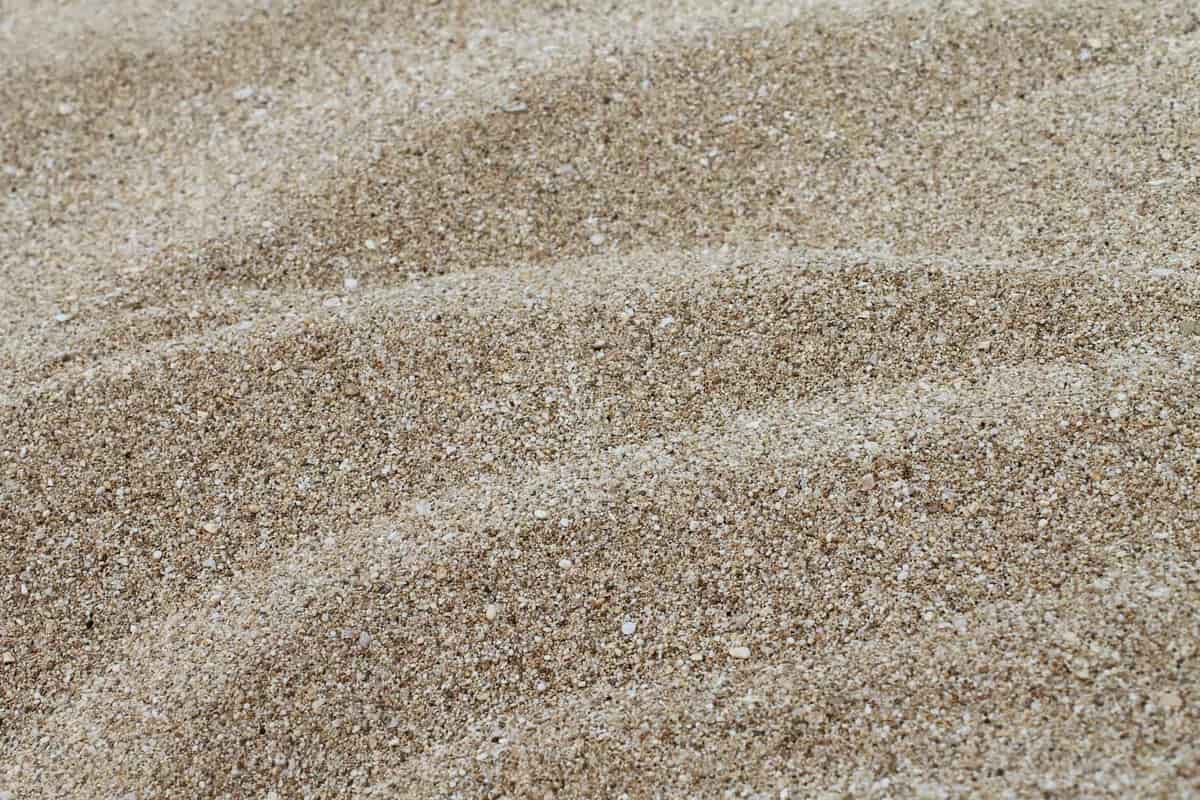
Fine, natural, undyed quartz sand appears in published naturalistic mixes for bearded dragons and is not a named hazard. Calcium sand and vitamin sand are named hazards, because their calcium carbonate content clumps in the gut and can neutralize stomach acid. Play sand is named as the dustiest option. The products are not interchangeable.
Shed & Bask earns a commission from qualifying Amazon purchases made through links on this page. It does not change what we recommend or the order we rank things in. Read the full disclosure.
The confusion is a product-naming problem
"Is sand safe" is unanswerable as asked, because at least four different products are sold as reptile sand and they behave differently.
| Product | What it is | Position in the published guidance |
|---|---|---|
| Fine natural quartz sand | Silica sand, undyed, very fine texture | Named as an appropriate loose substrate component |
| Calcium sand / Vita-Sand / Reptilite | Calcium carbonate granules sold as a supplement substrate | Named hazard - clumps in the gut, neutralizes stomach acid |
| Play sand | Builders / children's play sand | Named as the dustiest option |
| Dyed colored sand | Sand with added color | Avoid - it will dye the animal |
The guidance is specific enough to name products in both directions: Zoo Med ReptiSand and Exo Terra Desert Sand appear as appropriate fine natural quartz sands in undyed colors, with an explicit note not to confuse them with Vita-Sand or Reptilite.
Why calcium sand is different in kind
It is not simply a finer or coarser version of the same material. The published objection has two parts: calcium carbonate granules have a documented history of clumping up inside reptile intestines, and the calcium carbonate can neutralize stomach acid, preventing proper digestion. So even where the material is in principle digestible, it can interfere with digestion. That is a different failure mechanism from mechanical blockage, and it is why this product gets named rather than discussed in general terms.
The four risks of sand, and how each is managed
The published guidance sets out the actual risks rather than a blanket prohibition, which is a more useful framework:
- Dust. Prevented by using high-quality sand. Play sand is named as the dustiest.
- Dyes. Easy to spot - unnatural colors such as green, pink or blue are dyed and will dye the animal in turn.
- Sticking to medical ointment. Unavoidable. If the animal is wearing an ointment, remove the sand or lay another substrate on top until treatment finishes, and use tile or flagstone as a temporary immovable surface.
- Bacterial build-up. Managed by complete replacement every 3 to 6 months, with daily spot-cleaning that removes the surrounding sand along with the waste.
And the impaction question
The published position is direct: sand does not cause impaction. Dehydration, low basking temperatures and high parasite loads cause impaction, and a healthy bearded dragon should be able to handle a loose substrate, passing any ingested particles safely. The supporting evidence is the 2017 retrospective study of 529 captive bearded dragon patients discussed on our impaction page.
We are stating that plainly because the opposite claim is repeated so widely. We are also not overstating it: "sand does not cause impaction" is a statement about a healthy animal at correct temperatures. If your basking surface is not at 108-113 F (42-45 C) surface temperature and verified with an infrared gun, the floor is not the variable to be arguing about.
Sand is a component, not a substrate
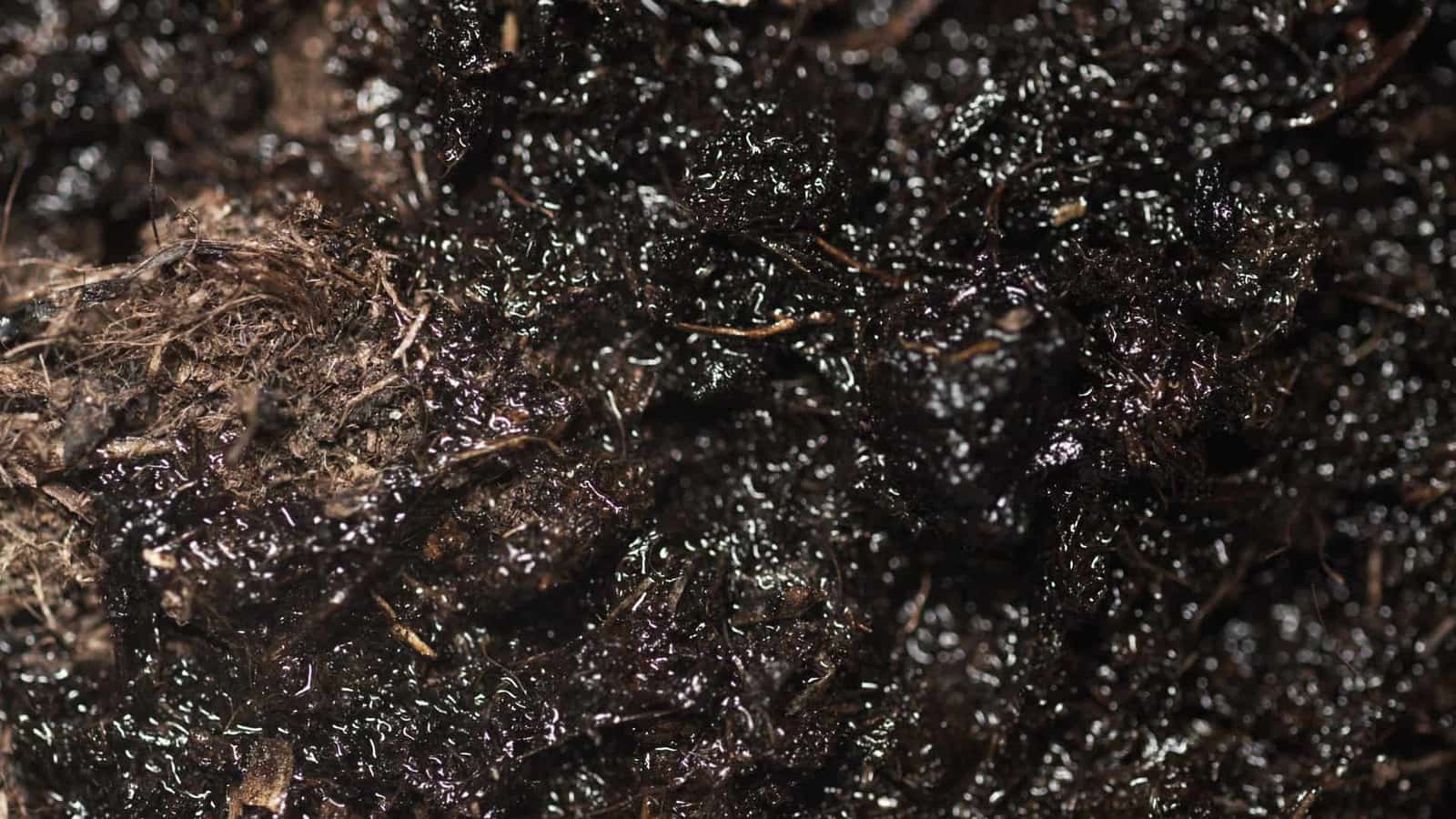
One practical point that gets lost: fine sand on its own does not hold a burrow. The published naturalistic mix is 50% very fine sand, 30% organic topsoil and 20% excavator clay, packed 4 to 6 inches deep - the soil and clay are what give it structure. A tank floored with pure sand is a less functional substrate than a mix, regardless of the safety debate.
The sand component
Zoo Med ReptiSand
Fine natural quartz sand in undyed colors - named in the guidance, and explicitly not the same product as calcium sand.
The binder that makes it work
Zoo Med Excavator Clay Burrowing Substrate
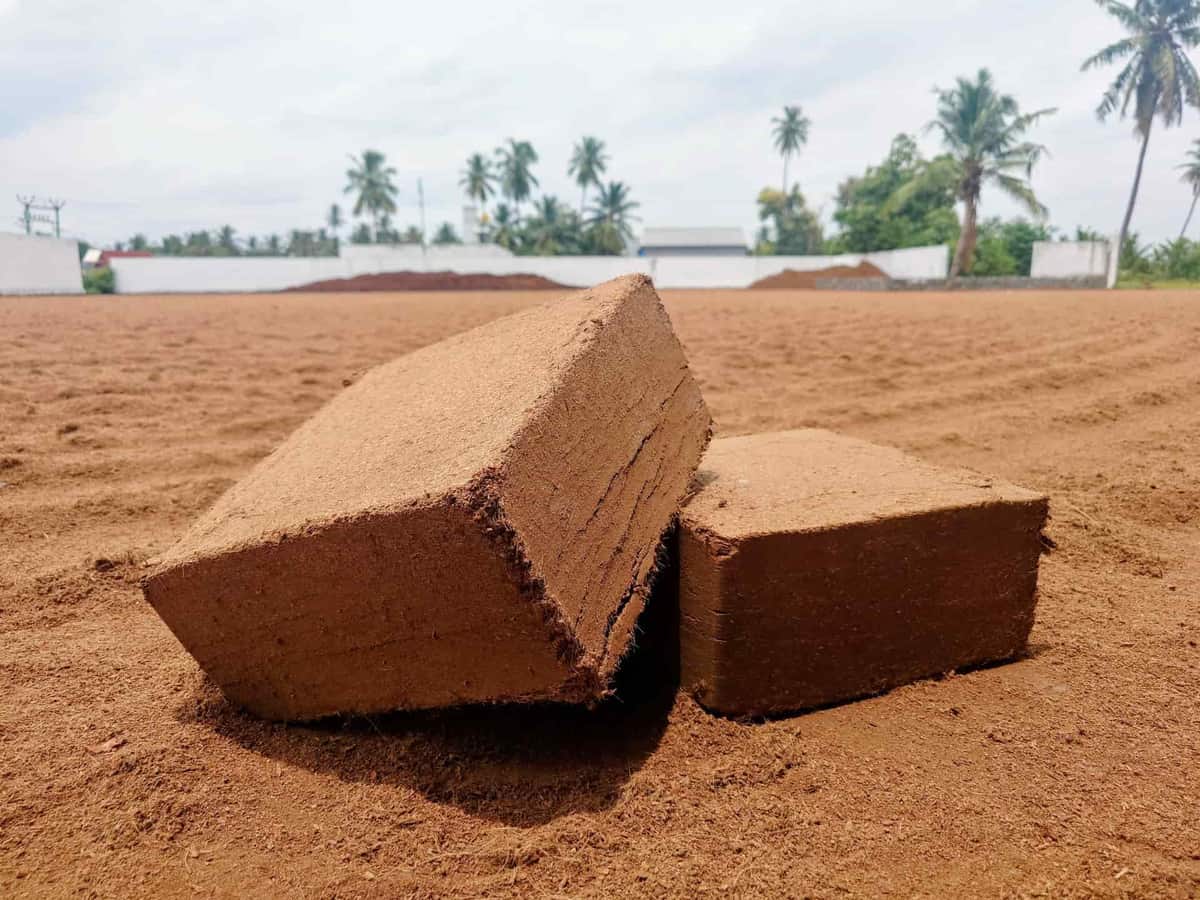
The 20% clay in the published 50/30/20 mix. Without it the sand will not hold a tunnel.
Which species this applies to
Sand is an arid-species question. For a ball python or a crested gecko, sand is the wrong direction entirely - those species need moisture-retentive substrates, and the whole debate is irrelevant. The substrate roundup covers each species.
Frequently asked questions
Is sand safe for bearded dragons?
Fine, natural, undyed quartz sand appears in published naturalistic dragon mixes and is not named as a hazard. Calcium sand and vitamin sand are named hazards. Play sand is named as the dustiest option.
Does sand cause impaction in reptiles?
The published position is that it does not - dehydration, low basking temperatures and parasite loads do, and a healthy animal at correct temperatures passes ingested particles. The supporting evidence is a 2017 retrospective study of 529 captive bearded dragon patients.
Why is calcium sand bad for reptiles?
It has a documented history of clumping inside reptile intestines because of its calcium carbonate content, and the calcium carbonate can neutralize stomach acid and interfere with digestion.
How often should reptile sand be replaced?
Completely every 3 to 6 months to control bacterial growth, with daily spot-cleaning that removes the surrounding sand along with the waste.
Sources
Read next
Hub
Reptile substrate and enclosure material safety
What the enclosure is made of, sealed with and floored with. This is the part of reptile keeping with the most confident advice and the least cited evidence.
Substrate & safety
Best reptile substrate (2026), by species and risk
Substrates judged against named hazards, usable depth and the species moisture target.
Substrate & safety
Reptile impaction risk: what the evidence identifies
The published causes of impaction, the named hazard substrates, and how to prevent it.
Substrate & safety
How much substrate do you need?
Published substrate depths and the volume formula to work out what to order.
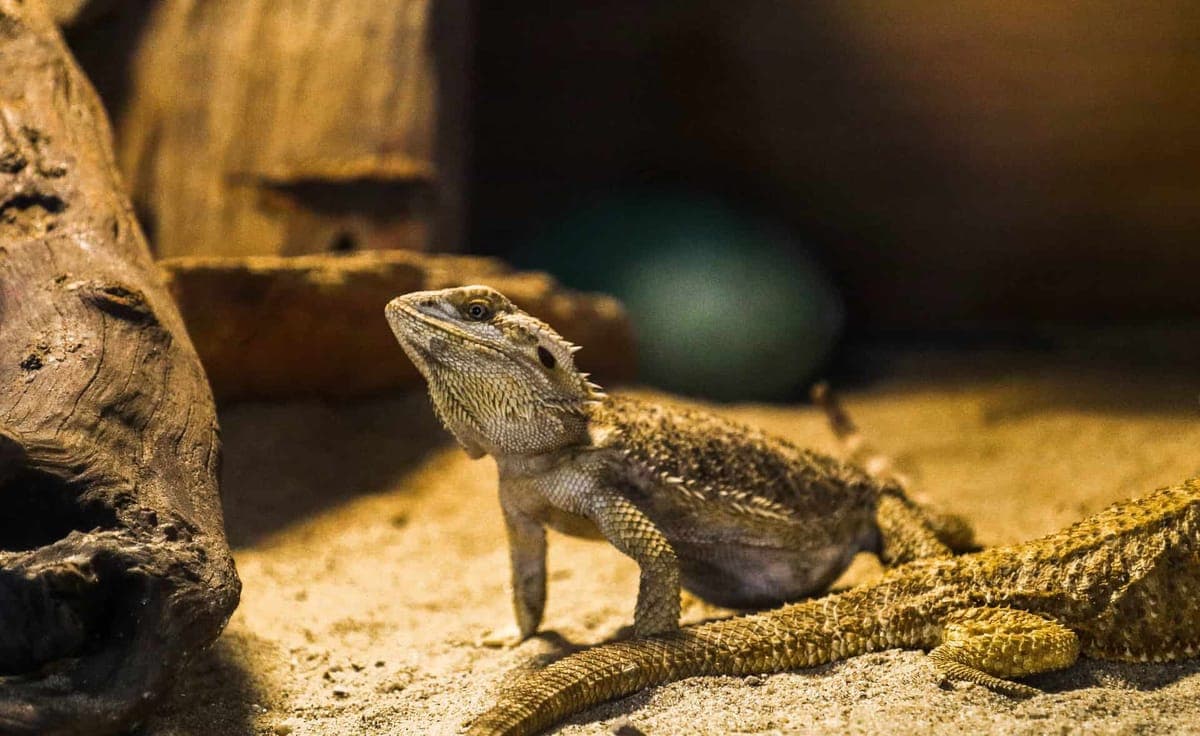
Bearded dragon
Bearded dragon substrate
The published dragon substrate mix, depth figure and named hazards.
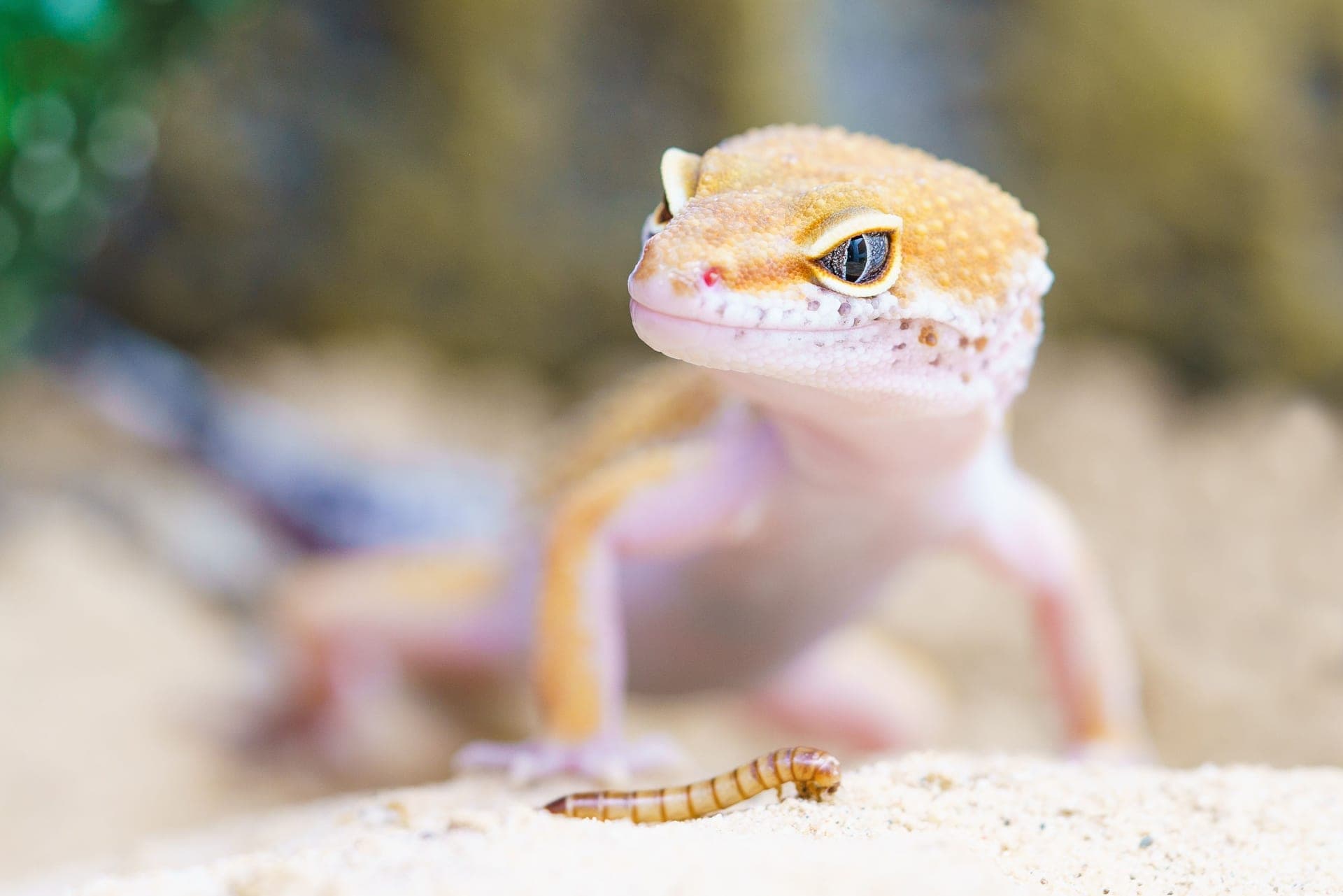
Leopard gecko
Best substrate for a leopard gecko tank
Leopard gecko substrate options, the named hazards, and the humid hide arrangement.