Substrate & safety
How to clean reptile substrate and when to replace it
Three different jobs on three different schedules: daily spot-cleaning, scheduled substrate replacement, and a twice-yearly deep clean.
By Brijon M.Last updated
Spot-clean every time the animal defecates, removing the surrounding substrate with the waste. Replace loose sand completely every 3-6 months; the published ball python schedule replaces substrate every 3-4 months. Deep-clean the enclosure and accessories twice a year with a reptile-safe disinfectant such as F10SC, Rescue, or a 10% bleach solution.
Shed & Bask earns a commission from qualifying Amazon purchases made through links on this page. It does not change what we recommend or the order we rank things in. Read the full disclosure.
Three schedules, not one
| Job | Interval | What it involves |
|---|---|---|
| Spot-clean | Every time the animal defecates | Remove visible waste plus the substrate around it; clean any soiled decor |
| Substrate replacement | Every 3-4 months (ball python guidance); every 3-6 months for loose sand | Full removal and replacement of the substrate |
| Deep clean | Every 6 months | Enclosure and all accessories, with F10SC, Rescue or a 10% bleach solution |
The intervals come from the ball python enclosure guidance and the bearded dragon substrate guidance. They are close enough across species to treat as a general schedule.
Spot-cleaning: take the surrounding substrate too
The detail that matters and gets skipped: when you remove waste from a loose substrate, remove the material around and beneath it as well. Waste wicks into the substrate it sits on, so lifting only the visible part leaves the contaminated layer behind. The published guidance says this explicitly for sand - spot-cleaning daily keeps substrate clean and odor-free, and for best results you remove surrounding sand along with the waste.
Deep cleaning: the disinfectants that are named
Three are named in the guidance we cite: F10SC, Rescue, or a 10% bleach solution, used twice a year on the enclosure and all accessories. Two practical notes that follow from using any of them:
- Rinse thoroughly and dry completely before the substrate and animal go back. Residue is the risk, not the disinfectant itself.
- Ventilate. Bleach in a closed enclosure is a respiratory problem for whoever is doing the cleaning as well as for the animal afterwards.
By species
- Bearded dragon: spot-clean daily, replace loose sand completely every 3 to 6 months to control bacterial growth, deep clean twice a year.
- Ball python: spot-clean every defecation including the contaminated substrate, replace substrate every 3 to 4 months, deep clean every 6 months.
- Leopard gecko: the same pattern, with particular attention to the humid hide - damp moss is the fastest thing in the enclosure to go moldy and should be replaced or rinsed regularly.
- Crested gecko: a humid planted enclosure needs the substrate monitored for mold rather than replaced on a fixed clock. The guidance is explicit that constant moisture encourages mold and mildew that can make the gecko sick, so letting it dry back is part of the cleaning regime.
Water dishes and decor
A water dish is the item most likely to be cleaned least and used most. Rinse and refill daily; scrub it at every spot-clean rather than at the deep clean. Porous decor - cork bark, wood branches - cannot be disinfected the way a plastic hide can, which is an argument for replacing it occasionally rather than scrubbing it indefinitely.
Replacement substrate for a humid setup
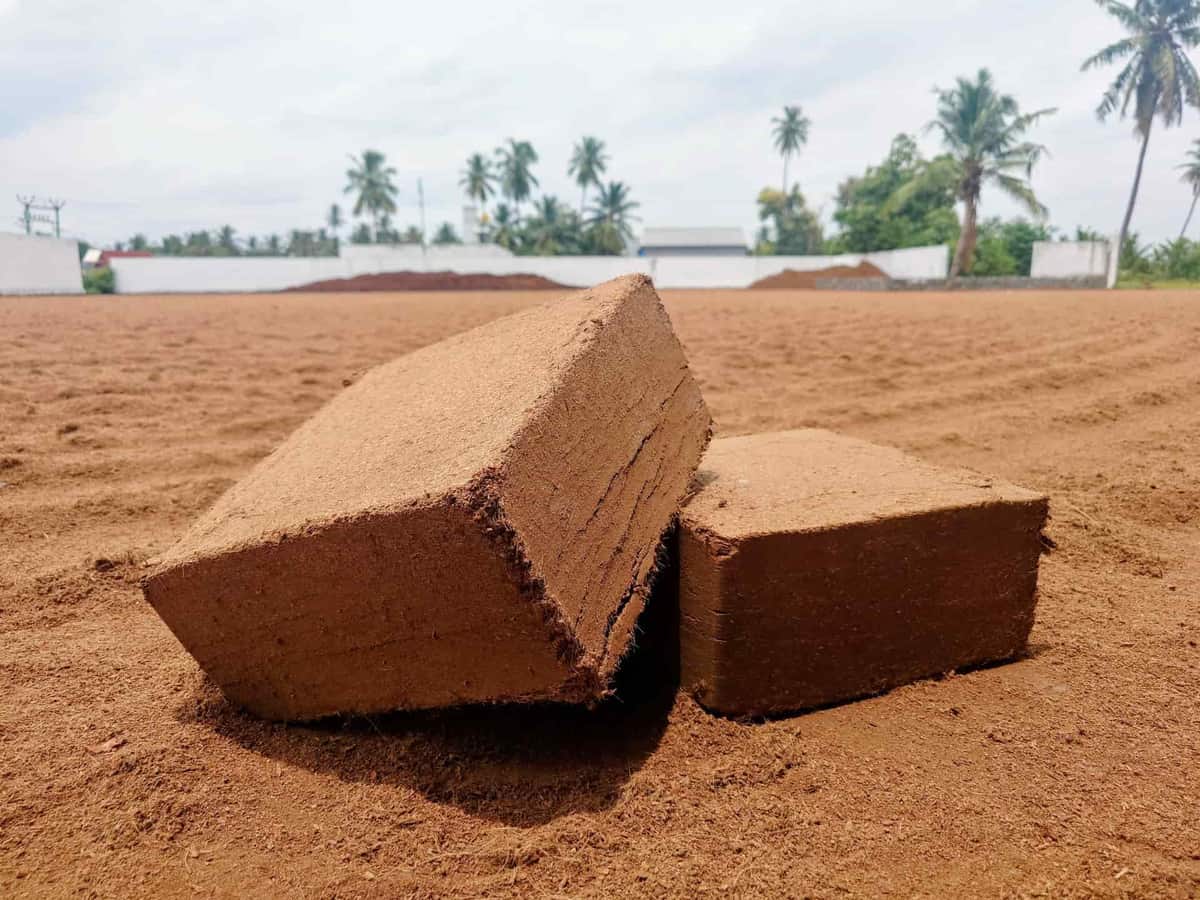
Coconut Husk / Cypress Mulch Humid Substrate
Buy the replacement before the schedule comes due, so a cleaning day is not also a shopping day.
The low-maintenance alternative
The BioDude Terra Sahara Bioactive Substrate Kit
A bioactive build replaces scheduled substrate replacement with a clean-up crew. It is the main reason keepers go bioactive.
Frequently asked questions
How often should you change reptile substrate?
Every 3 to 4 months per the ball python guidance, and every 3 to 6 months for loose sand to control bacterial growth. Bioactive substrates are topped up rather than replaced.
How do you clean a reptile enclosure?
Spot-clean every time the animal defecates, removing the surrounding substrate with the waste. Deep-clean the enclosure and all accessories every 6 months with F10SC, Rescue or a 10% bleach solution, rinsing and drying thoroughly afterwards.
Can you disinfect a bioactive enclosure?
No - disinfecting destroys the clean-up crew that makes a bioactive build work. A bioactive substrate is maintained by topping up and feeding the crew instead.
Sources
- Ball Python Terrarium Size & Lighting — ReptiFiles
- Bearded Dragon Substrate Options — ReptiFiles
- Crested Gecko Temperatures & Humidity — ReptiFiles
Read next
Hub
Reptile substrate and enclosure material safety
What the enclosure is made of, sealed with and floored with. This is the part of reptile keeping with the most confident advice and the least cited evidence.
Substrate & safety
Best reptile substrate (2026), by species and risk
Substrates judged against named hazards, usable depth and the species moisture target.
Substrate & safety
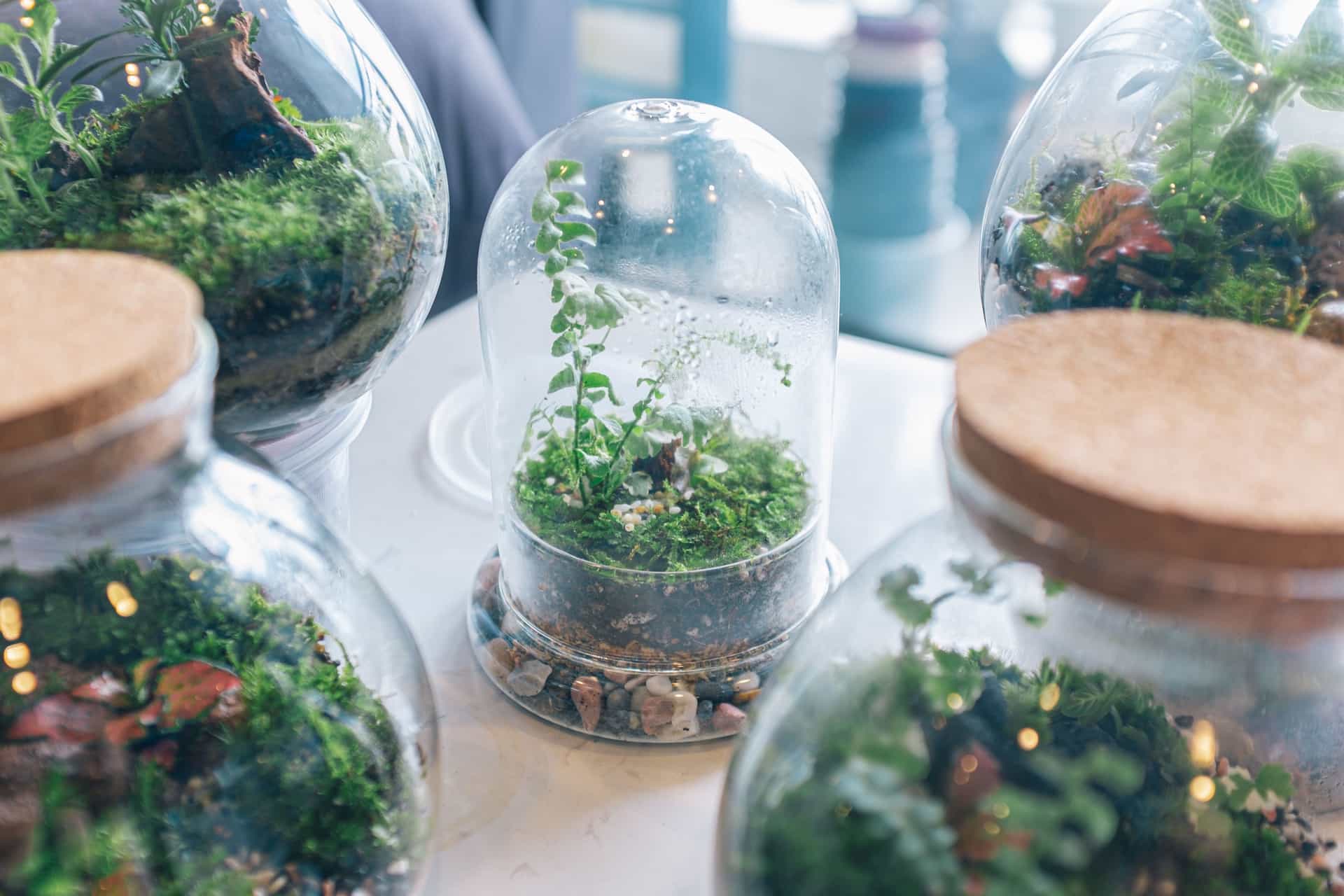
Bioactive reptile substrate basics
What bioactive means, which published mixes support it, and when a sterile setup is better.
Leopard gecko
How to clean a leopard gecko enclosure
The leopard gecko cleaning routine on four schedules, including the humid hide.
Substrate & safety
How much substrate do you need?
Published substrate depths and the volume formula to work out what to order.