Guides
3 best snake enclosures (2026), judged by the length rule
A snake enclosure has one pass-fail dimension that lizard enclosures do not: it must be at least as long as the snake. Gallon ratings hide that completely.
By Brijon M.Last updated
The best snake enclosure is the one that is at least as long as the snake, holds the species humidity range without daily intervention, and locks. For a typical adult ball python that means a 48 x 24 x 24 in PVC enclosure - about 8 sq ft of floor - with opaque sides for visual security. A 5 ft snake needs a 5 ft enclosure; gallon ratings tell you nothing about length.
Shed & Bask earns a commission from qualifying Amazon purchases made through links on this page. It does not change what we recommend or the order we rank things in. Read the full disclosure.
How we picked
Every pick below is scored against these thresholds, stated as numbers. Publishing them is the point: of the competitor roundups we surveyed, not one published a numeric selection threshold.
Meets the published adult footprint
At or above the cited minimum for the species it is sold for - 4.5 sq ft floor for a leopard gecko, about 8 sq ft for an adult ball python, 48 x 24 x 24 in or larger for a dragon, 18 x 18 x 36 in for a crested gecko
Source: ReptiFiles - Bearded Dragon Terrarium Size Requirements
Front-opening access
Doors on the front, not a lift-off lid. Less startling for the animal and harder to escape from
Holds the species humidity range
Material and lid design can hold the species target without constant intervention - 30-40% for a leopard gecko, 60-80% for a crested gecko
Takes a T5 fixture at a workable distance
Mesh top or internal mounting that puts a T5 HO lamp at its published distance - about 11 in through mesh for an Arcadia Desert 12%
Source: ReptiFiles - Bearded Dragon Temperatures & UVB Requirements
Supports a real thermal gradient
Long enough that the cool end actually reaches the species cool-side figure while the basking surface holds its target
Source: ReptiFiles - Bearded Dragon Temperatures & UVB Requirements
Materials we can account for
Manufacturer states the panel material, and any interior coating has a published temperature limit above the species basking surface temperature
Source: U.S. Environmental Protection Agency - Volatile Organic Compounds' Impact on Indoor Air Quality
These are the same criteria every roundup on this site applies. See the full methodology.
Quick picks
Every row is scored against the published criteria below. Tap a row to read the full write-up.
| # | Product | Best for | Criteria met | Price |
|---|---|---|---|---|
| 1 | 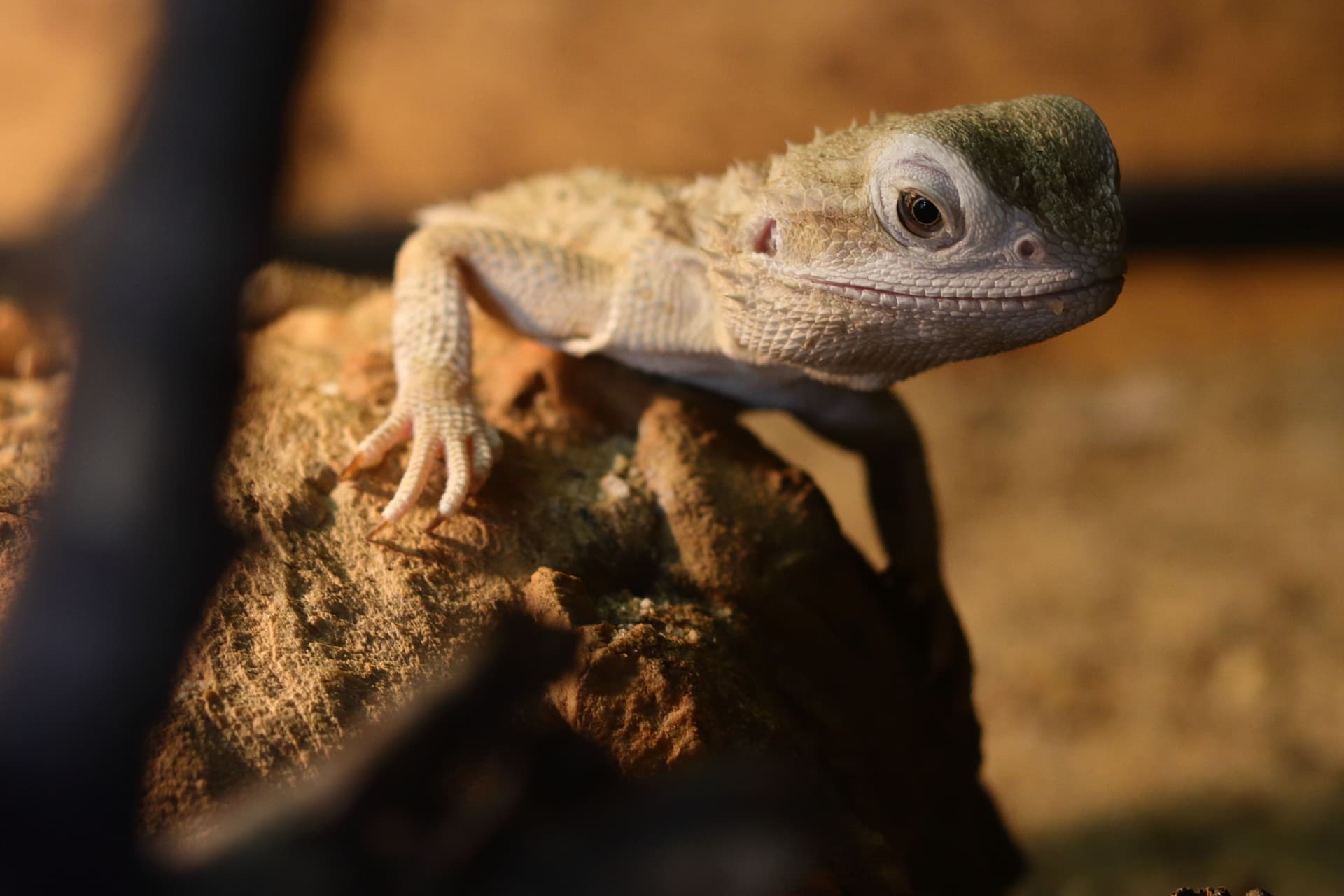 Dubia.com 4x2x2 (120 Gallon) Reptile Enclosure Best for an adult ball python | An adult ball python, or a small adult dragon | 5/6 | Check price on Amazon#ad We may earn a commission. Price and stock are resolved at Amazon. |
| 2 | 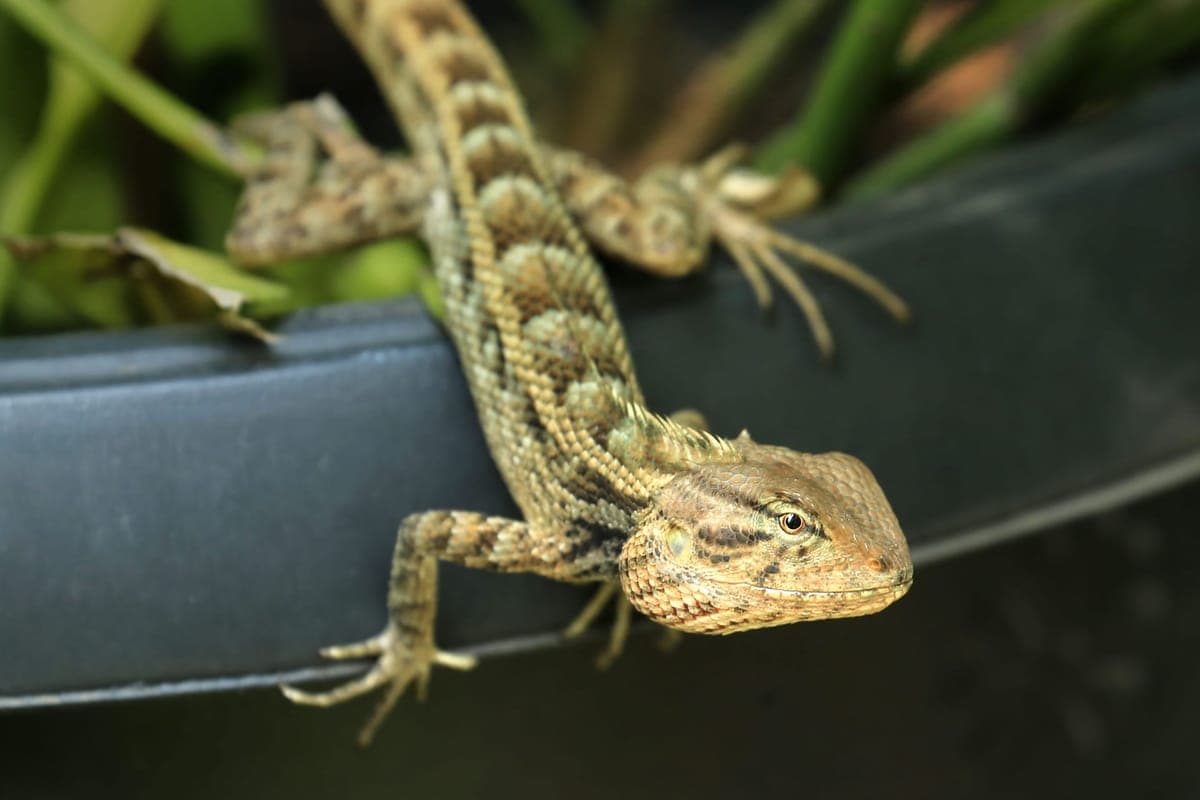 Zen Habitats 4x2x2 PVC Reptile Enclosure Best built 4 ft enclosure, and the easiest to light | A 4x2x2 adult dragon or an adult ball python | 6/6 | Check price on Amazon#ad We may earn a commission. Price and stock are resolved at Amazon. |
| 3 |  REPTI ZOO Front-Opening Glass Terrarium Best grow-out enclosure for a hatchling or juvenile | A leopard gecko at the 36 x 18 x 18 in minimum | 4/6 | Check price on Amazon#ad We may earn a commission. Price and stock are resolved at Amazon. |
The rule that decides this category
Every other enclosure decision on this site is about floor area or height. For a snake, there is an additional hard constraint: the enclosure should be at least as long as the animal. A snake that cannot stretch out straight is permanently semi-coiled, and the published ball python guidance is unusually blunt about where that leads - keeping adults in undersized enclosures is described as a welfare problem that produces overweight snakes with poor muscle tone and no enrichment.
That single rule eliminates most of what is sold as a snake enclosure. A 40-gallon breeder is 36 in long. A 4 ft adult ball python in it is housed short by a foot, and a 5 ft snake is short by two.
What we scored against
| Requirement | The figure | Why it is pass-fail |
|---|---|---|
| Length | At least as long as the snake | A snake that cannot straighten out is permanently coiled |
| Floor area | 48 x 24 x 24 in (120 x 60 x 60 cm), about 8 sq ft of floor area | The published adult figure, about 8 sq ft |
| Height | At least 2 ft | Ball pythons climb more than their reputation suggests |
| Humidity | Tropical savanna range. Raise it for sheds, ventilate to prevent scale rot | Too low causes bad sheds, too wet with poor airflow causes scale rot |
| Security | A door that locks | An escaped snake is the failure mode with the worst outcome |
Why PVC wins here and loses elsewhere
On our lizard enclosure page glass is a genuinely competitive material, because a desert lizard wants low humidity and a strong thermal gradient and glass delivers both cheaply. Snakes invert that. A tropical humidity range plus a screen lid is a losing combination, and the daily misting it forces is the most common reason a new keeper gives up on a humidity target and lets it drift.
The second reason is heat. A snake enclosure is usually heated by a lightless source - either a ceramic emitter or a ceiling-mounted radiant panel - and a radiant panel needs a solid ceiling to mount to. A screen top rules out the mounting method the category prefers. We compare the two heat options directly in radiant heat panel vs ceramic heat emitter.
Species scope, stated plainly
The only snake this site covers in depth is the ball python, because that is where our cited husbandry references are strongest. The length rule, the lock requirement and the visual-security requirement carry across to other colubrids and pythons, but the specific temperature and humidity figures do not - do not apply a ball python's warm hide 86-90 f (30-32 c) figure to a corn snake or a boa.
Heating and lighting a snake enclosure
Whatever you buy, the heat source needs a thermostat, and the controller type has to match the source: on/off is acceptable for a lightless emitter or a mat, and never for a light-emitting lamp. That is covered in how thermostats work and in the ball python-specific heat mat vs heat lamp comparison. On UVB, a ball python is a Ferguson Zone 2 animal with a published basking target of UVI 2.0-3.0 at the basking area - low, but not zero, and reachable with a modest linear T5 at 10 to 14 inches. Our lighting setup page gives the full arrangement.
The straightforward adult answer
Dubia.com 4x2x2 (120 Gallon) Reptile Enclosure
About 8 sq ft of floor, 48 in of length, and opaque PVC sides that give visual security and hold humidity without a screen-lid fight.
If you want to run UVB over the top
Zen Habitats 4x2x2 PVC Reptile Enclosure
Same footprint, with a mesh top that puts a T5 HO fixture at its published distance without an internal mount.
The picks in full
1. Best for an adult ball python
Dubia.com 4x2x2 (120 Gallon) Reptile Enclosure
Dubia.com · An adult ball python, or a small adult dragon
48 x 24 x 24 in gives about 8 sq ft of floor, which is the published adult ball python figure, and the 48 in length satisfies the length rule for a typical adult. The part that matters more than either is the material: opaque PVC on five sides gives a snake visual security without taping paper to the glass, and it holds a humidity level rather than leaking it through a screen lid. It scores partial on lamp mounting because a solid top needs an internal fixture mount.
Specifications
- Footprint
- 48 x 24 x 24 in (120 gallon)
- Material
- PVC
- Opening
- Front-opening
- Humidity
- Opaque on five sides, which helps hold humidity
How it scored against our criteria
| Meets the published adult footprintAt or above the cited minimum for the species it is sold for - 4.5 sq ft floor for a leopard gecko, about 8 sq ft for an adult ball python, 48 x 24 x 24 in or larger for a dragon, 18 x 18 x 36 in for a crested gecko | Meets |
|---|---|
| Front-opening accessDoors on the front, not a lift-off lid. Less startling for the animal and harder to escape from | Meets |
| Holds the species humidity rangeMaterial and lid design can hold the species target without constant intervention - 30-40% for a leopard gecko, 60-80% for a crested gecko | Meets |
| Takes a T5 fixture at a workable distanceMesh top or internal mounting that puts a T5 HO lamp at its published distance - about 11 in through mesh for an Arcadia Desert 12% | Partial |
| Supports a real thermal gradientLong enough that the cool end actually reaches the species cool-side figure while the basking surface holds its target | Meets |
| Materials we can account forManufacturer states the panel material, and any interior coating has a published temperature limit above the species basking surface temperature | Meets |
What works
- Carries the 8 sq ft of floor area an adult ball python needs
- Opaque sides give a snake visual security without taping paper to glass
- PVC is lighter than a glass tank of the same volume
What to know
- Ventilation needs checking if you run it humid for a python
- Shipping damage on large panels is a real risk with any flat-pack enclosure
Who should look elsewhere
If your ball python is over 4 ft, the enclosure should be at least as long as the snake. Go to a 5 or 6 ft build rather than forcing an adult into a 4 ft box.
2. Best built 4 ft enclosure, and the easiest to light
Zen Habitats 4x2x2 PVC Reptile Enclosure
Zen Habitats · A 4x2x2 adult dragon or an adult ball python
The same 48 x 24 x 24 in footprint in a PVC-and-aluminum chassis, with a mesh top that takes a T5 HO fixture at its published distance. For a keeper who intends to provide low-level UVB to a ball python - a Zone 2 animal with a published target of UVI 2.0-3.0 - that mesh top removes the awkward internal mount entirely. The trade is that mesh sheds humidity faster than a solid lid, so you will partly cover it during a shed cycle.
Specifications
- Footprint
- 48 x 24 x 24 in (about 120 gallons)
- Material
- PVC panels with an aluminum frame
- Opening
- Front-opening doors
- Top
- Mesh, lamp-compatible
How it scored against our criteria
| Meets the published adult footprintAt or above the cited minimum for the species it is sold for - 4.5 sq ft floor for a leopard gecko, about 8 sq ft for an adult ball python, 48 x 24 x 24 in or larger for a dragon, 18 x 18 x 36 in for a crested gecko | Meets |
|---|---|
| Front-opening accessDoors on the front, not a lift-off lid. Less startling for the animal and harder to escape from | Meets |
| Holds the species humidity rangeMaterial and lid design can hold the species target without constant intervention - 30-40% for a leopard gecko, 60-80% for a crested gecko | Meets |
| Takes a T5 fixture at a workable distanceMesh top or internal mounting that puts a T5 HO lamp at its published distance - about 11 in through mesh for an Arcadia Desert 12% | Meets |
| Supports a real thermal gradientLong enough that the cool end actually reaches the species cool-side figure while the basking surface holds its target | Meets |
| Materials we can account forManufacturer states the panel material, and any interior coating has a published temperature limit above the species basking surface temperature | Meets |
What works
- Front-opening, which is the access pattern every care reference prefers
- PVC holds humidity far better than screen-topped glass
- Mesh top takes a T5 HO fixture without an internal mount
What to know
- Does not reach the 24 cubic feet ReptiFiles now sets as its bearded dragon minimum
- Assembly is required and the panels are large to handle alone
Who should look elsewhere
If your dragon is a full-size adult at 19-23 in total length, the current ReptiFiles minimum is 6 x 2 x 2 ft or 24 cubic feet. Buy the 6 ft size instead of this one.
3. Best grow-out enclosure for a hatchling or juvenile
REPTI ZOO Front-Opening Glass Terrarium
REPTI ZOO · A leopard gecko at the 36 x 18 x 18 in minimum
This is on the page for one specific and temporary job. A front-opening 36 x 18 x 18 in glass terrarium with a working door lock is a sound grow-out for a hatchling or juvenile snake, and the lock matters more on a snake enclosure than on anything else we rank. It fails on humidity because the screen top will not hold a tropical range, and it scores partial on footprint because it is not an adult enclosure and we are not going to pretend it is.
Specifications
- Common sizes
- 36 x 18 x 18 in and 18 x 18 x 24 in among others
- Material
- Glass with a screen top
- Opening
- Front-opening doors
- Lock
- Door lock included on most models
How it scored against our criteria
| Meets the published adult footprintAt or above the cited minimum for the species it is sold for - 4.5 sq ft floor for a leopard gecko, about 8 sq ft for an adult ball python, 48 x 24 x 24 in or larger for a dragon, 18 x 18 x 36 in for a crested gecko | Partial |
|---|---|
| Front-opening accessDoors on the front, not a lift-off lid. Less startling for the animal and harder to escape from | Meets |
| Holds the species humidity rangeMaterial and lid design can hold the species target without constant intervention - 30-40% for a leopard gecko, 60-80% for a crested gecko | Below |
| Takes a T5 fixture at a workable distanceMesh top or internal mounting that puts a T5 HO lamp at its published distance - about 11 in through mesh for an Arcadia Desert 12% | Meets |
| Supports a real thermal gradientLong enough that the cool end actually reaches the species cool-side figure while the basking surface holds its target | Meets |
| Materials we can account forManufacturer states the panel material, and any interior coating has a published temperature limit above the species basking surface temperature | Meets |
What works
- Glass dissipates heat well, which makes a temperature gradient easier to establish
- Front-opening is less startling for the animal than reaching in from above
- Easy to see and easy to clean
What to know
- A screen top sheds humidity constantly, which is the wrong trade for a crested gecko or ball python
- Heavy, and a large glass tank is awkward to move once filled
Who should look elsewhere
If you need to hold 60-80% humidity, glass with a screen top will fight you every day. Buy PVC instead and stop misting four times a day.
Frequently asked questions
What size enclosure does a ball python need?
48 x 24 x 24 in (120 x 60 x 60 cm), about 8 sq ft of floor area, and at least as long as the snake. For a typical adult that is 48 x 24 x 24 in - about 8 sq ft of floor - per the published guidance. A 5 ft snake needs a 5 ft enclosure.
Is glass or PVC better for a snake?
PVC, for two specific reasons: it holds a tropical humidity range that a screen-topped glass tank constantly sheds, and its opaque sides give the snake visual security without taping paper over the glass. Glass is only the better buy for a temporary grow-out.
Do snake enclosures need to lock?
Yes. Snakes test every seam and an escape is the failure mode with the worst outcome for the animal. Every pick on this page is front-opening, and a working door lock is the one feature we would not compromise on at any price.
Can you keep a ball python in a 40-gallon breeder?
Not as an adult. A 40-gallon breeder is 36 in long and about 4.5 sq ft of floor, against a published adult figure of about 8 sq ft and a length rule the snake itself sets. It is a juvenile enclosure.
Sources
- Ball Python Terrarium Size & Lighting — ReptiFiles
- Ball Python Humidity & Temperature Requirements — ReptiFiles
- What Are Ferguson Zones? Reptile UVB Information — Zen Habitats
Read next
Hub
Reptile enclosure guides and comparisons
The cross-species decisions: what material to buy, how big it has to be, whether to build it yourself, and which beginner mistakes are expensive.
Hub
Ball python enclosures, heating and substrate
The enclosure should be at least as long as the snake. The idea that ball pythons want to be crammed into a small dark box is a myth the published guidance names as one.
Ball python
4 best snake enclosures for ball pythons (2026)
Ball python enclosures ranked against the published 8 sq ft floor area and humidity.
Ball python
Ball python enclosure size
Ball python enclosure minimums by snake size, with the as-long-as-the-snake rule.
Guides
3 best lizard enclosures (2026), split by floor area or height
Lizard enclosures split by the constraint that decides the purchase - floor area for terrestrial, height for arboreal.
Guides
Reptile enclosure size chart
Minimum enclosure footprints by species and life stage, in inches, cm and gallons.