Ball python
Ball python heating and lighting setup
Snake UVB is widely dismissed. The published position is more interesting, and the dose is low and specific.
By Brijon M.Last updated
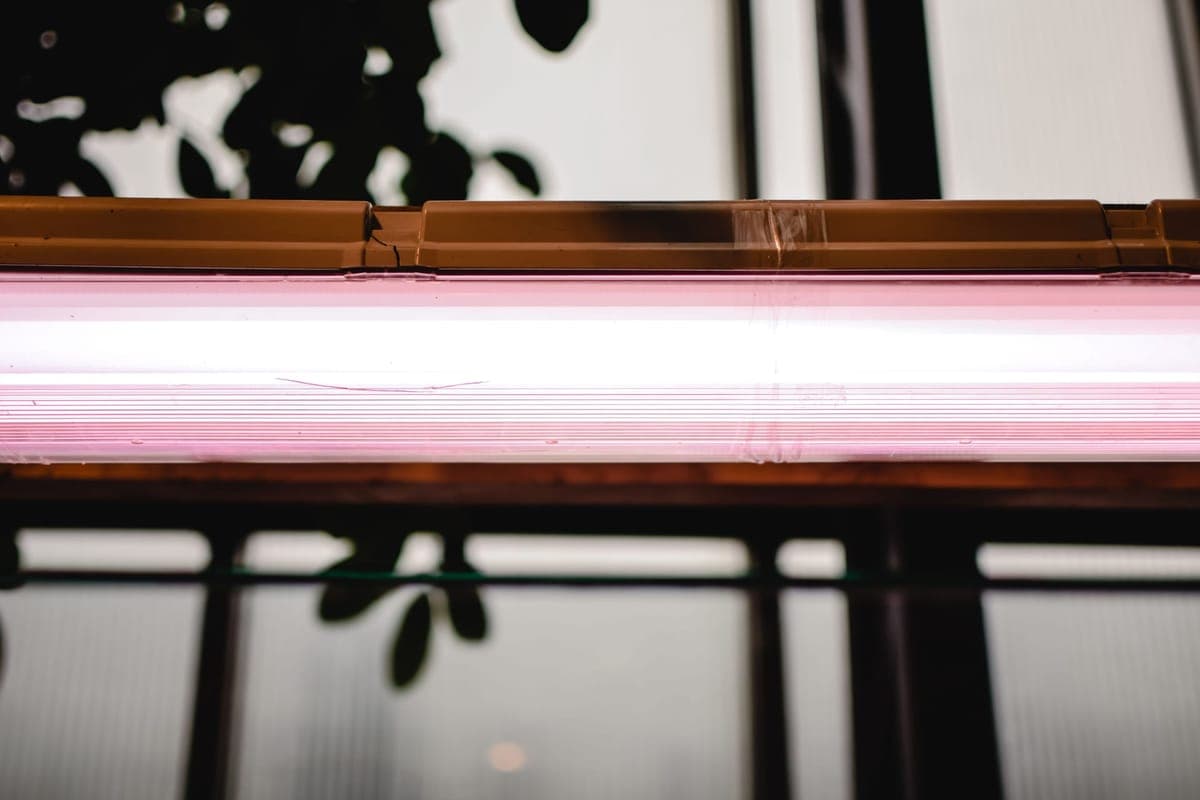
Target UVI 2.0-3.0 at the basking area with a low-intensity T5 HO tube - never a coil - at 10 to 14 inches from the snake's back through roughly 35% mesh. A 22 inch tube suits a 4x2x2. Photoperiod 12 hours on, 12 hours off (equatorial origin). Replace the tube every 12 months.
Shed & Bask earns a commission from qualifying Amazon purchases made through links on this page. It does not change what we recommend or the order we rank things in. Read the full disclosure.
The case for snake UVB
It is commonly believed that nocturnal snakes do not need UVB and that providing it is a waste of money. The published guidance says that reasoning oversimplifies the issue, and makes two arguments.
First, UVB does more than support vitamin D3 synthesis. Second - and this is the interesting one - ball pythons can see ultraviolet light, which is supported by published work on snake visual pigments. Recent studies are described as indicating UVB can be beneficial for snakes' long-term physical and mental health. So the case is as much about environment quality as about metabolism.
The dose and the distance
| Item | Figure |
|---|---|
| Ferguson zone | Zone 2 |
| Basking UVI target | 2.0 - 3.0 |
| Lamp | Zoo Med T5 HO ReptiSun 5.0 or Arcadia 6% - low intensity, tube not coil |
| Distance to the snake's back | 10-14 in / 25-35 cm, assuming about 35% mesh |
| Tube length for a 4x2x2 | 22 in |
| Fixture | Vivarium Electronics T5 HO or Arcadia ProT5 |
| Replacement | Every 12 months |
The fixture is named for a reason: optimal use distance is described as likely to be more variable with other fixtures, because reflector geometry changes the output at a given height. If you need more distance than your enclosure allows, the published suggestion is a UVB riser or prop to raise the fixture.
The lamp
Zoo Med ReptiSun T5 HO 5.0 UVB Lamp
Low-intensity T5 HO, named in the published guidance at 10-14 in for UVI 2.0-3.0. A 22 in tube for a 4x2x2.
The fixture the distances assume
Vivarium Electronics T5 HO Fixture
Named alongside the Arcadia ProT5 as a fixture whose distance behavior is predictable - which matters when the target window is narrow.
To confirm it
Solarmeter Model 6.5 UV Index Meter
A 2.0-3.0 window with a 35% mesh assumption is a thin margin. One reading at the basking area replaces the assumption.
Photoperiod
Because ball pythons are crepuscular, additional light beyond what illuminates the room is not widely considered necessary - but the guidance describes keeping a light on to mimic the natural day-night cycle as best practice. Given the equatorial origin of the species, the recommendation is 12 hours on and 12 hours off, with 12.5 hours in summer and 11.75 in winter if you want to be more precise about it.
Lighting versus heating, kept separate
These are different systems and should be different devices. UVB is a low-output tube on a timer. Daytime heat is a halogen cluster on a dimming thermostat with its probe inside the warm hide. The heating guide covers that half, and night lighting is covered here - the short version being that nothing visible runs at night.
Frequently asked questions
Do ball pythons need UVB?
Not in the way a basking lizard does, and the published guidance makes a real case for it: UVB does more than support vitamin D3, ball pythons can see ultraviolet light, and recent studies indicate benefits to long-term physical and mental health. The target is UVI 2.0-3.0 at the basking area.
What UVB bulb for a ball python?
A low-intensity T5 HO tube - a Zoo Med ReptiSun 5.0 or Arcadia 6% - at 10 to 14 inches from the snake's back through roughly 35% mesh. A 22 inch tube suits a 4x2x2. Never a coil.
Do ball pythons need light at night?
No. The photoperiod is 12 hours on, 12 hours off, and nothing visible should run at night - colored night bulbs included.
Sources
- Ball Python Humidity & Temperature Requirements — ReptiFiles
- What Are Ferguson Zones? Reptile UVB Information — Zen Habitats
- Solarmeter Model 6.5 UV Index Meter — Solarmeter
Read next
Hub
Ball python enclosures, heating and substrate
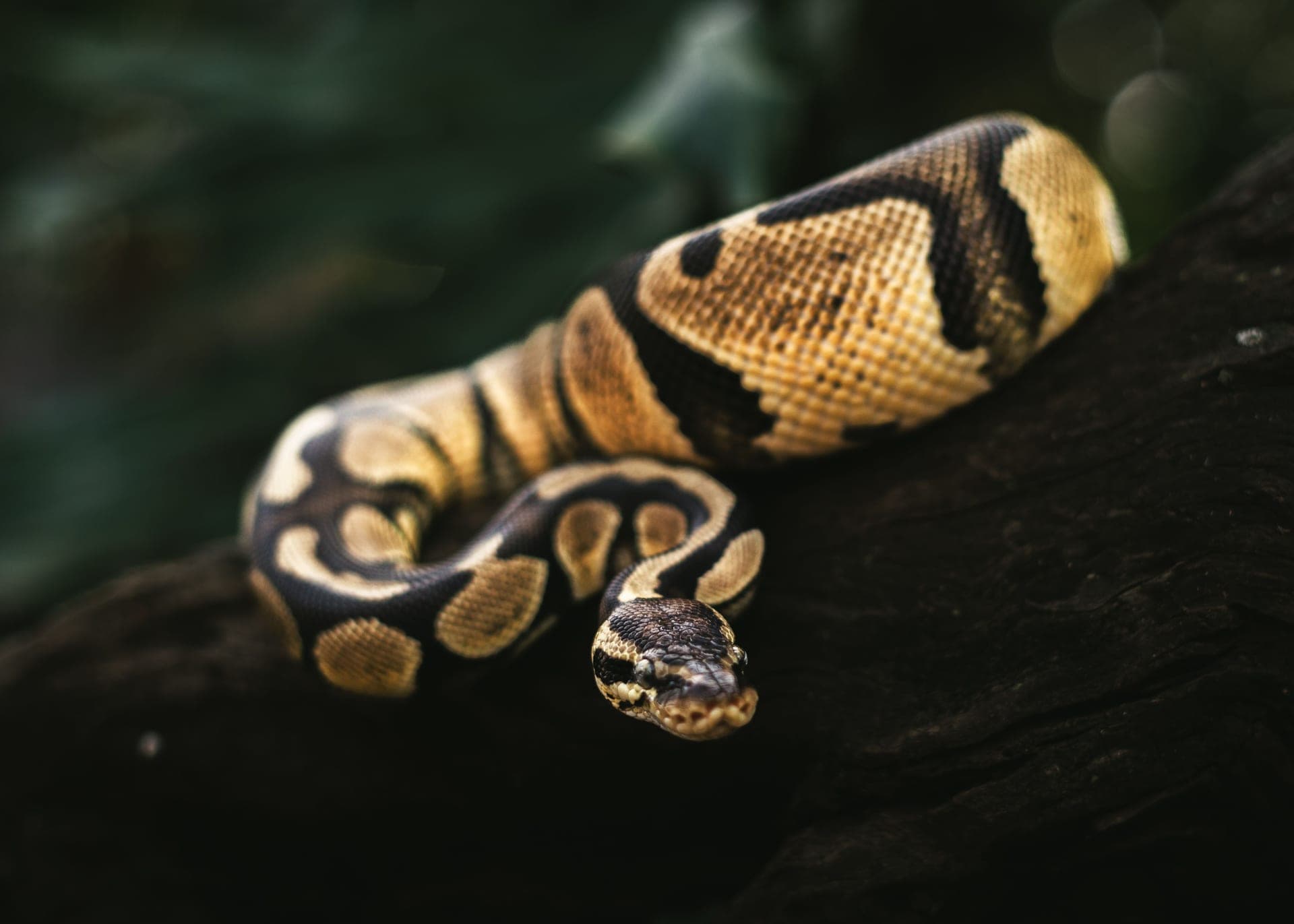
The enclosure should be at least as long as the snake. The idea that ball pythons want to be crammed into a small dark box is a myth the published guidance names as one.
Ball python
Ball python heating requirements
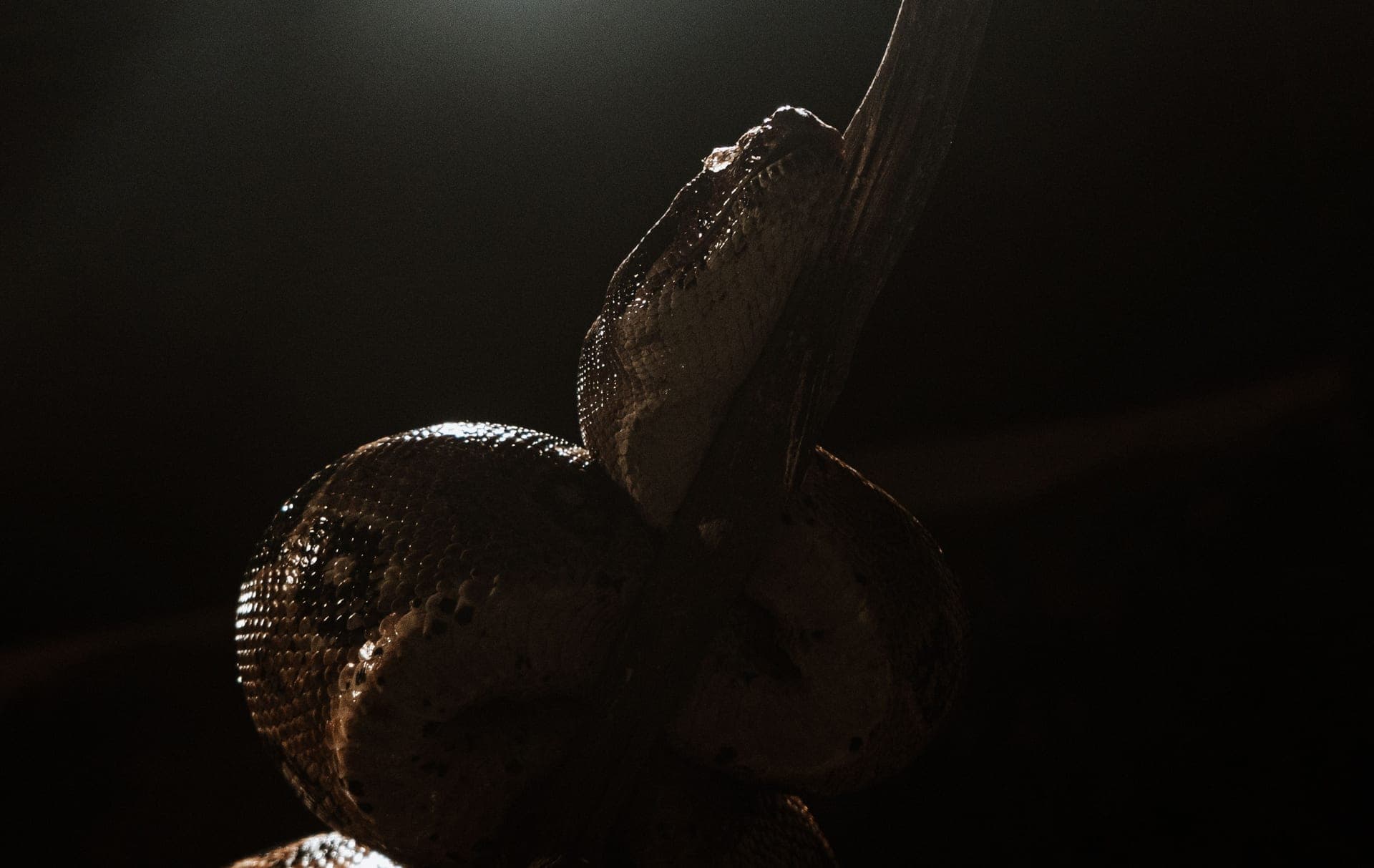
Ball python heating: the hide figures, the air ceiling, and the two-bulb rule.
Lighting & heat
6 best reptile UVB bulbs (2026), judged by UVI at a stated distance
UVB bulbs ranked by whether they reach the species UVI target at a distance your enclosure allows.
Lighting & heat
UVB distance and Ferguson zones
Ferguson zones with published UVI ranges and the mount distance for every lamp class.
Lighting & heat
UVA vs UVB for reptiles
What UVA and UVB each do for a reptile, and why one lamp covers both.
Lighting & heat
Reptile night lighting mistakes
Why colored night bulbs are wrong, what to use for night heat, and the nightly drop.