Ball python
Do ball pythons need UVB?
Not to survive, which is why decades of ball pythons were kept without it. The current guidance puts them in Ferguson Zone 2 with a real UVI target, and the lamp that hits it is not a dragon lamp.
By Brijon M.Last updated
Ball pythons do not require UVB to survive, and are widely kept without it. Current guidance places them in Zone 2 with a published basking target of UVI 2.0-3.0 at the basking area, so providing it is a benefit rather than a necessity. If you do, use a low-output linear T5 - a 5.0-class lamp 10-14 in above the snake's back through about 35% mesh - never a desert lamp and never a coil.
Shed & Bask earns a commission from qualifying Amazon purchases made through links on this page. It does not change what we recommend or the order we rank things in. Read the full disclosure.
The honest version of the answer
A ball python kept at the right temperatures, with the right humidity and correct hides, with no UVB, will live and feed and shed. That is not a controversial claim and pretending otherwise would be dishonest - a very large share of healthy captive ball pythons have never seen a UVB lamp.
What has changed is that the species now has a published Ferguson zone and a stated UVI figure: Zone 2, basking target UVI 2.0-3.0 at the basking area, per the care reference. A crepuscular savanna snake does emerge at dusk and dawn and does receive some solar UV in the wild, and the zone classification reflects that. So the accurate answer is: not required, measurably closer to the wild figure if you provide it, and easy to get wrong if you provide it carelessly.
Zone 2 is a different lamp class, not a dimmed dragon lamp
This is the part that matters more than the yes-or-no. A bearded dragon needs UVI 4.0-4.5 at the basking surface; a ball python needs UVI 2.0-3.0 at the basking area. Those are not two settings on one dial. A 10.0 or 12% desert tube at any distance a 24 in tall enclosure allows overshoots a Zone 2 target, and backing it off far enough to land inside the window puts it so far away the usable zone collapses.
The correct tool is a low-output linear T5. The published figure for a 5.0-class lamp is 10-14 in from the snake's back through roughly 35% mesh, using a 22 in tube in a 4 ft enclosure. That is a number you can set a fixture to.
| Question | The published figure | Source of the number |
|---|---|---|
| Ferguson zone | Zone 2 | Zone classification reference |
| Basking UVI target | UVI 2.0-3.0 at the basking area | Ball python care figures |
| Lamp class | Low-output linear T5 (5.0-class), never a coil | Lamp distance charts |
| Mount distance | 10-14 in / 25-35 cm through about 35% mesh | Manufacturer figure |
| Tube length for a 4x2x2 | 22 in | Manufacturer figure |
| Photoperiod | 12 hours on, 12 hours off (equatorial origin) | Ball python care figures |
The mounting problem specific to a snake enclosure
Most adult ball pythons live in a solid-topped PVC enclosure, because that is what holds the humidity range. A solid top means the UVB tube has to go inside, which creates two jobs a mesh top would have handled for you.
First, the distance is entirely yours to set - there is no mesh correction to apply, so the figure is the no-mesh one and you measure from the snake's back at its highest resting position, not from the substrate. Second, the fixture has to be mounted where a strong, climbing animal cannot dislodge or contact it. A ball python will push against anything loose.
If you are choosing an enclosure now and intend to provide UVB, a mesh-top PVC enclosure removes that whole problem - our Zen Habitats vs Dubia comparison is exactly this trade, and the lighting setup page covers the install.
UVA, and why the question keeps getting asked together
"Do ball pythons need UVB or UVA" is one of the most common forms of this search, and the two are not alternatives. UVA affects behavior and vision; UVB drives vitamin D3 synthesis. Reptile lamps that produce UVB produce UVA alongside it, so the choice is not between them. Our UVA vs UVB page separates the claims properly.
If you provide it, verify it once
The window of UVI 2.0-3.0 at the basking area is narrow and invisible. The care references accept one device for measuring reptile UVI, and if you are installing an internal fixture at a distance you set yourself, one reading at the snake's resting height tells you whether you are inside the window or not. After that it is a calendar job: a T5 fluorescent is replaced every 12 months regardless of whether it still lights - when to replace UVB bulbs.
And if the answer is that you would rather not add a lamp: the things that genuinely decide whether a ball python thrives are the hide temperatures, the humidity and the enclosure size. Get those figures right first. UVB is the refinement, not the foundation.
The correct output class
Zoo Med ReptiSun T5 HO 5.0 UVB Lamp
A 5.0 linear T5 with a published figure of 10-14 in from the snake's back, and a 22 in tube for a 4 ft enclosure.
If you set the distance yourself, measure it once
Solarmeter Model 6.5 UV Index Meter
UVI 2.0-3.0 is a narrow, invisible window, and an internally mounted fixture has no mesh correction to fall back on.
Frequently asked questions
Do ball pythons need a UVB light?
Not to survive - they are kept successfully without one. Current guidance places them in Zone 2 with a published basking target of UVI 2.0-3.0 at the basking area, so low-level UVB is a genuine benefit if you provide it correctly.
What UVB bulb is best for a ball python?
A low-output linear T5 in the 5.0 class, mounted 10-14 in from the snake's back through about 35% mesh, with a 22 in tube in a 4 ft enclosure. A desert 10.0 or 12% lamp is the wrong class and overshoots the target.
Do ball pythons need UVB or UVA?
They are not alternatives. UVA affects behavior and vision, UVB drives D3 synthesis, and a reptile UVB lamp emits both. See UVA vs UVB.
How many hours of UVB should a ball python get?
12 hours on, 12 hours off (equatorial origin), matching its equatorial origin. Put the lamp on a timer - UVB hours per day has the figures for every species we cover.
Can a ball python be kept with no light at all?
It needs a day-night cycle, which ambient room light can supply, but leaving a colored night bulb on is a mistake - see night lighting mistakes. Heat and light are separate decisions for this species.
Sources
- Ball Python Humidity & Temperature Requirements — ReptiFiles
- What Are Ferguson Zones? Reptile UVB Information — Zen Habitats
- Zoo Med ReptiSun UVB lamp information — Zoo Med Laboratories
- UVB-emitting LEDs for reptile lighting: identifying the risks of nonsolar UV spectra — Captive and Zoo Animal Welfare (CZAW)
- Solarmeter Model 6.5 UV Index Meter — Solarmeter
Read next
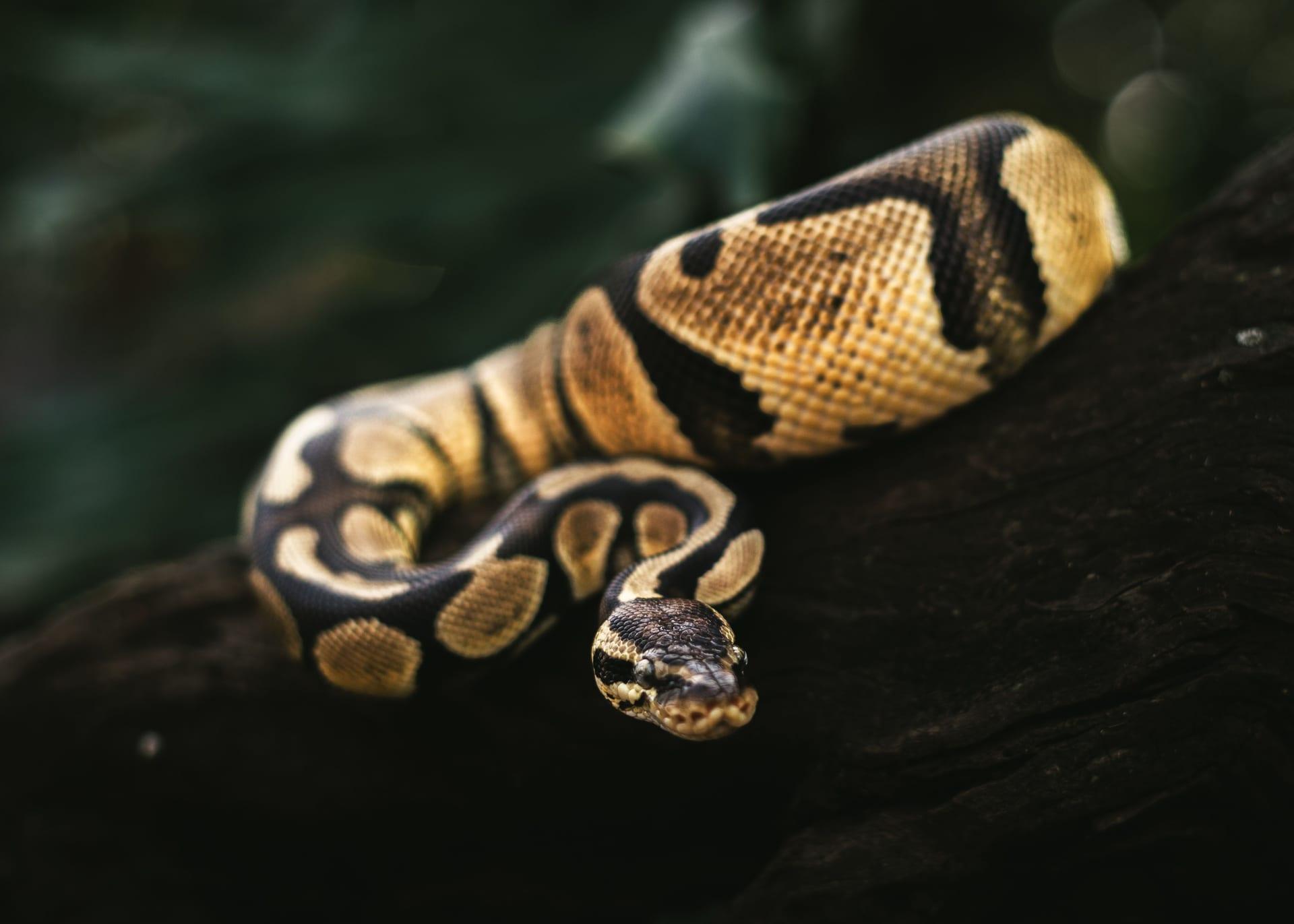
Hub
Ball python enclosures, heating and substrate
The enclosure should be at least as long as the snake. The idea that ball pythons want to be crammed into a small dark box is a myth the published guidance names as one.
Ball python
Ball python heating and lighting setup
Ball python UVB targets and distances, the photoperiod, and why snake UVB is defensible.
Lighting & heat
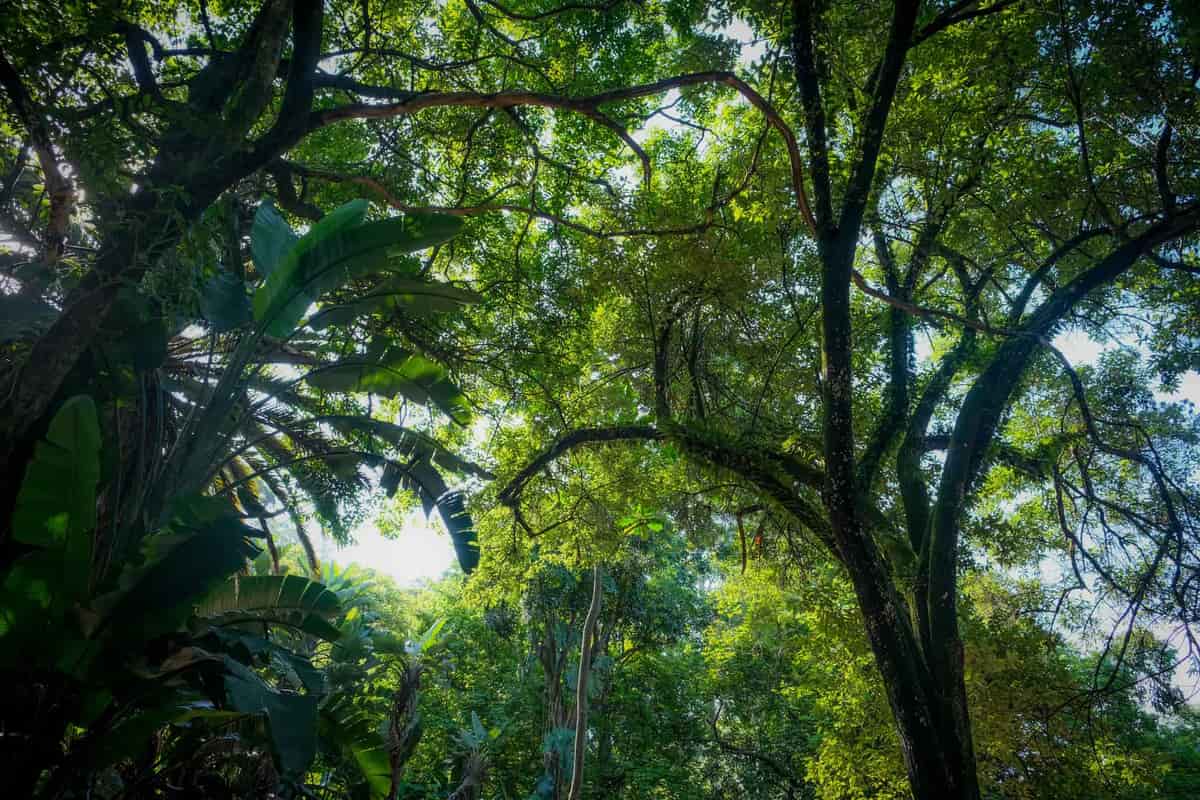
Do leopard geckos need UVB?
Yes, at a low level: UVI 0.5-1.5, and no more than 0.5-0.7 for albino and patternless morphs.
Lighting & heat
UVA vs UVB for reptiles
What UVA and UVB each do for a reptile, and why one lamp covers both.
Lighting & heat
UVB distance and Ferguson zones
Ferguson zones with published UVI ranges and the mount distance for every lamp class.
Lighting & heat
6 best reptile UVB bulbs (2026), judged by UVI at a stated distance
UVB bulbs ranked by whether they reach the species UVI target at a distance your enclosure allows.