Guides
What temperature should a reptile enclosure be?
There is no single answer, and anyone who gives you one is guessing. Here is every published figure for the four species this site covers, with the spot each one is measured at.
By Brijon M.Last updated
There is no one figure - a reptile enclosure needs a gradient, with a warm end and a cool end measured separately. Bearded dragon: basking surface 108-113 F (42-45 C) surface temperature, cool side 77-85 F (25-29 C) surface, 72-99 F (22-37 C) air gradient. Leopard gecko: warm surface 94-97 F (34-36 C) surface; warm hide 90-92 F (32-33 C), cool side 70-77 F (21-25 C). Ball python: warm hide Warm hide 86-90 F (30-32 C), cool hide Cool hide 72-80 F (22-27 C); air never above 95 F (35 C). Crested gecko: 82-85 F (28-29 C) at the top of the enclosure at the top, 70-75 F (21-24 C) at the bottom at the bottom. Basking figures are surface temperatures - measure with an infrared gun, not an air thermometer.
Shed & Bask earns a commission from qualifying Amazon purchases made through links on this page. It does not change what we recommend or the order we rank things in. Read the full disclosure.
Every published figure, in one table
| Species | Warm end | Cool end | Night | Photoperiod |
|---|---|---|---|---|
| Bearded dragon | 108-113 F (42-45 C) surface temperature | 77-85 F (25-29 C) surface, 72-99 F (22-37 C) air gradient | 55-75 F (12-24 C) | 12-14 hours of light per day, seasonally adjusted |
| Leopard gecko | 94-97 F (34-36 C) surface; warm hide 90-92 F (32-33 C) | 70-77 F (21-25 C) | Tolerates a drop to 60 F (16 C) | 14 hours in summer, 12 hours in winter |
| Ball python | Warm hide 86-90 F (30-32 C) | Cool hide 72-80 F (22-27 C); air never above 95 F (35 C) | 70-78 F (21-26 C) | 12 hours on, 12 hours off (equatorial origin) |
| Crested gecko | 82-85 F (28-29 C) at the top of the enclosure | 70-75 F (21-24 C) at the bottom | 65-72 F (18-22 C) | 14 hours in summer, 10 hours in winter |
Read along a row rather than picking one number out of it. Each species needs both ends at once, which is why the enclosure has to be long enough for the two figures to coexist - a short enclosure heated to a basking target has no cool end, and an animal with nowhere cool to go cannot thermoregulate at all.
Surface temperature and air temperature are different measurements
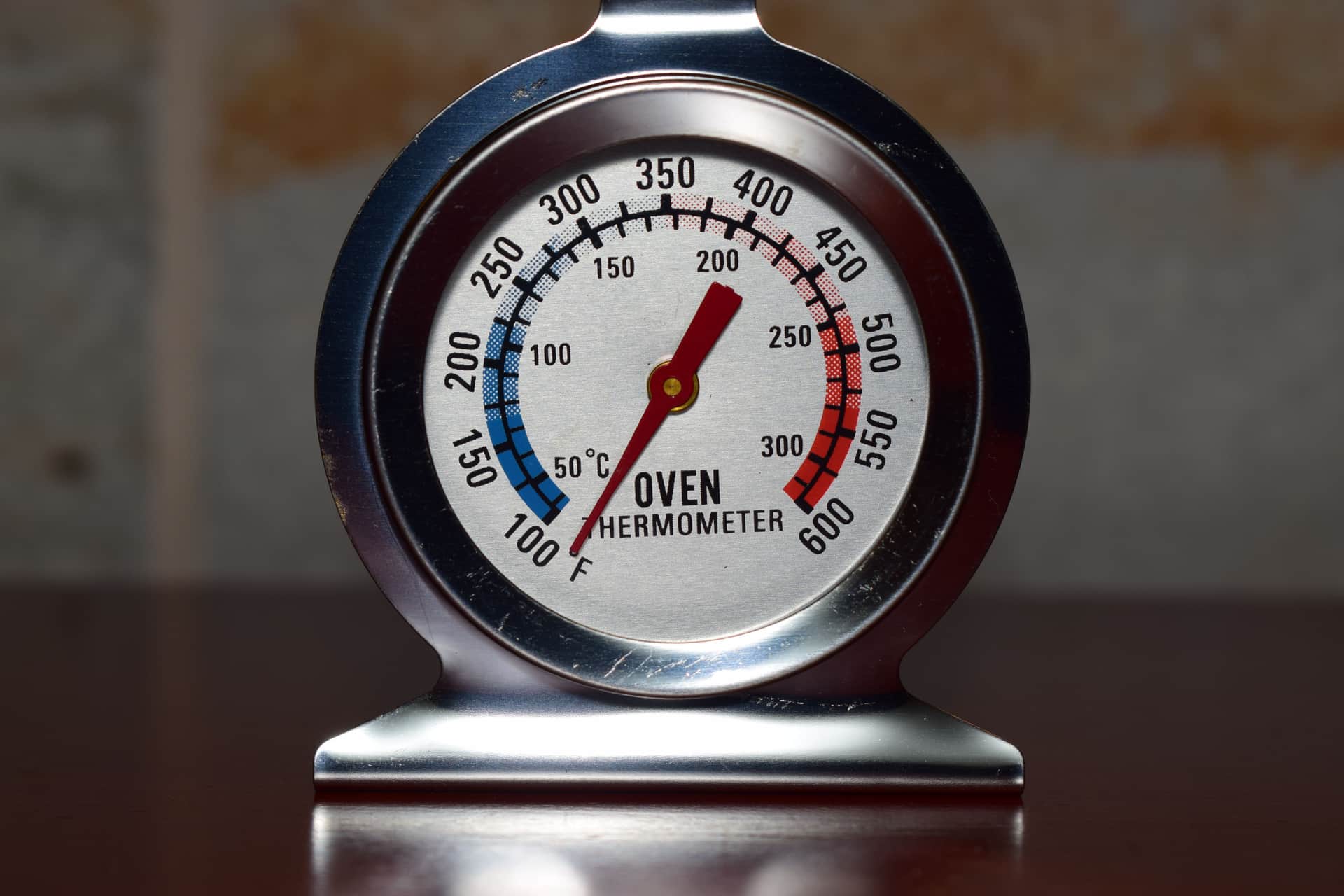
This is the distinction that makes most of the difference in practice. A bearded dragon basking figure of 108-113 F (42-45 C) surface temperature describes the surface the animal lies on - the rock, the slate, the platform - because that is where the heat enters the animal. An air thermometer hanging at mid-height in the same enclosure may read twenty degrees lower and be perfectly correct about the air.
So the tool follows the figure. Surface temperatures are read with an infrared temperature gun pointed at the spot. Air temperature and humidity are read with a probe placed where the animal actually spends time. Using one for the other is the most common reason a setup is wrong while all the equipment appears to be working. How to measure basking temperature is the method in full.
For every basking surface figure in the table
Infrared Temperature Gun
Reads the temperature of the surface the animal sits on, which is the quantity the published basking figures are stated in.
For air temperature and the cool end
Zoo Med Digital Thermometer and Humidity Gauge
A digital thermometer and humidity gauge, read at animal height rather than near the lid, which is where false readings come from.
Where the probe goes
Two probes, two different jobs, and neither goes where it is convenient.
The thermostat probe goes at the point you are controlling - normally the basking surface for an overhead lamp, or against the glass above a heat mat. It is not a monitoring device; it is the sensor the controller is steering by, so putting it somewhere cooler than the real hot spot makes the thermostat drive the lamp harder and overheat the animal.
The monitoring probe goes at the cool end, at animal height, to confirm that the cool figure in the table is actually being met. A setup where only the warm end is measured is a setup where you do not know whether a gradient exists.
Night, which is a figure and not an afterthought
Every species in the table has a published night range, and in three of the four cases the correct night action is to turn everything off. A bearded dragon tolerates 55-75 F (12-24 C); the leopard gecko figure is stated as Tolerates a drop to 60 F (16 C). Those drops are not a risk to manage, they are part of the husbandry.
Night heat is only needed when the room itself falls below the species range, and when it is needed it must be lightless - a ceramic emitter or a radiant panel on a thermostat, never a colored bulb. Night lighting mistakes covers why red and blue bulbs fail at the one job they are sold for, and how to keep a reptile enclosure warm covers cold rooms, winter and power cuts.
You cannot hold a figure without a thermostat
A heat source without a controller produces an output, not a temperature. Its effect on the enclosure moves with the room, so the same lamp that holds a basking surface correctly in April overshoots in July and undershoots in January. Every figure in the table above assumes something is holding it.
Match the controller to the heat source: a dimming or pulse thermostat for a filament or halogen lamp, an on/off controller for a lightless mat or emitter where cycling does not matter visibly. How thermostats work explains the difference, and best reptile thermostats is the roundup.
What actually holds the number
Spyder Robotics Herpstat 1 Proportional Thermostat
A proportional thermostat that dims the heat source to hold one surface figure, rather than switching it on and off around a setpoint.
If you cannot reach the figures
Three causes, in order of likelihood. The enclosure is too short for a gradient, so the two ends fight each other - see the enclosure size chart. The lamp wattage is wrong for the mount height, which is a measurement problem rather than a shopping problem - what wattage heat bulb for a reptile works it through. The room is the limit, because an enclosure cannot hold a cool end below its own room temperature, and in a hot room that is the figure that fails first.
Species-specific detail lives on the species pages: bearded dragon, leopard gecko, ball python and crested gecko.
Frequently asked questions
What temperature should a reptile tank be?
It needs two temperatures, not one - a warm end and a cool end. For a bearded dragon that is 108-113 F (42-45 C) surface temperature at the basking surface and 77-85 F (25-29 C) surface, 72-99 F (22-37 C) air gradient on the cool side. The other species figures are in the table above.
How hot should a bearded dragon enclosure be?
108-113 F (42-45 C) surface temperature measured on the basking surface with an infrared gun, with a cool side at 77-85 F (25-29 C) surface, 72-99 F (22-37 C) air gradient and a night drop to 55-75 F (12-24 C).
Should I measure air temperature or surface temperature?
Both, with different tools. Basking figures are surface temperatures and need an infrared gun pointed at the spot. Cool-end and ambient figures are air temperatures and need a probe at animal height. Reading the wrong one is the most common reason a setup looks right and is not.
Do reptile enclosures need to be heated at night?
Usually not - each species has a published night range and the drop is part of the husbandry. Add heat only if the room falls below that range, and use a lightless source on a thermostat rather than a colored bulb.
What temperature is too hot for a reptile?
Anything above the species published basking figure at the surface the animal cannot leave, and for a ball python the reference adds an explicit air ceiling of 95 F. The danger is not a hot spot - it is a hot spot with no cool end to retreat to, which is why the gradient matters more than any single number.
Sources
- Bearded Dragon Temperatures & UVB Requirements — ReptiFiles
- Leopard Gecko Temperatures & Humidity — ReptiFiles
- Ball Python Humidity & Temperature Requirements — ReptiFiles
- Crested Gecko Temperatures & Humidity — ReptiFiles
Read next
Hub
Reptile enclosure guides and comparisons
The cross-species decisions: what material to buy, how big it has to be, whether to build it yourself, and which beginner mistakes are expensive.
Guides
How to keep a reptile enclosure warm
Keeping an enclosure warm at night, in winter and during a power cut - the published night minimums first, then what to add and what never to use.
Lighting & heat
How to measure basking temperature
The method: surface readings with an infrared gun, where to aim, when to read, and what each instrument is for.
Lighting & heat
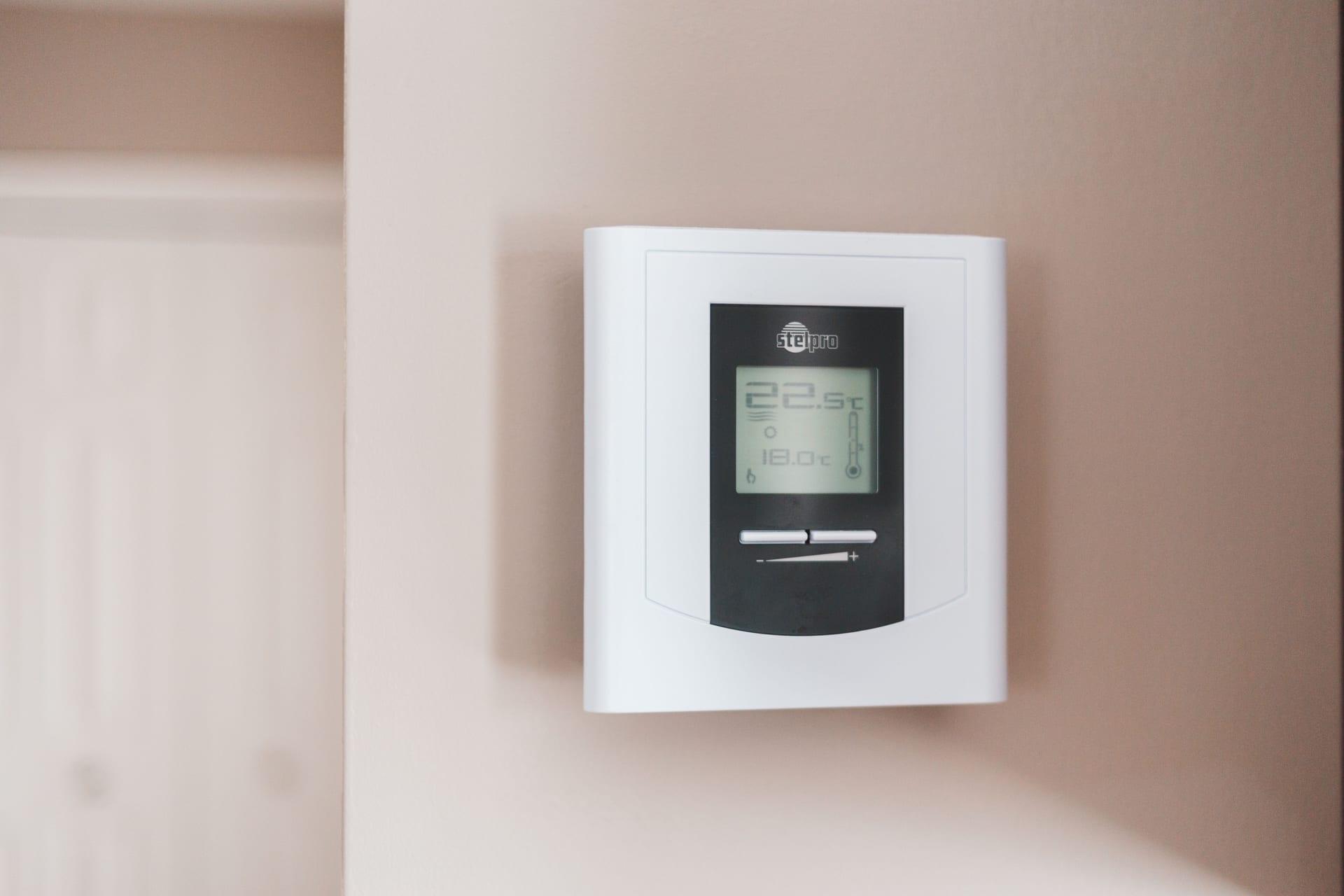
Best reptile thermostats (2026)
Thermostats ranked by control type, stated accuracy, load ceiling and whether they alarm on failure.
Lighting & heat
How reptile thermostats work
On/off, pulse and dimming control explained, and which heat source each suits.

Guides
Reptile enclosure size chart
Minimum enclosure footprints by species and life stage, in inches, cm and gallons.