Ball python
Ball python temperature and humidity
This species fails in both humidity directions, which is why ventilation is part of the humidity answer rather than the opposite of it.
By Brijon M.Last updated
Warm hide Warm hide 86-90 F (30-32 C), cool hide Cool hide 72-80 F (22-27 C); air never above 95 F (35 C), night 70-78 F (21-26 C), and air never above 95 F. For humidity, run a moisture-retentive substrate at depth inside a ventilated enclosure, raise it around a shed, and let it fall back - permanently wet with no airflow causes scale rot.
Shed & Bask earns a commission from qualifying Amazon purchases made through links on this page. It does not change what we recommend or the order we rank things in. Read the full disclosure.
The temperature figures
| Parameter | Target | Measured with |
|---|---|---|
| Warm hide | 86-90 F (30-32 C) | Probe inside the hide |
| Cool hide | 72-80 F (22-27 C) | Probe inside the hide |
| General air ceiling | Never above 95 F (35 C) | Probe thermometer |
| Night | 70-78 F (21-26 C) | Probe thermometer, logged |
These are hide temperatures because ball pythons spend much of their lives in burrows, where conditions are cooler and more stable than the open air above. A probe in the middle of the enclosure is measuring air the snake is not in. The heating guide covers placement.
Humidity: both failure directions are real
This is the parameter keepers get wrong in both directions with this species, and the failures are different.
| Too dry | Too wet with no airflow |
|---|---|
| Stuck sheds, often retained eye caps and tail tips | Scale rot |
| Dehydration | Respiratory infection |
| Refusal to feed | Mold in the substrate |
Which is why the answer is not "more humidity". It is a moisture-retentive substrate at real depth, inside an enclosure that exchanges air, with humidity raised around a shed and allowed to fall back between times.
Why PVC usually wins here
A glass tank with a full screen top vents moisture continuously, which is a daily fight for this species. A PVC enclosure with a partial mesh panel holds a target for hours while still exchanging air - the combination you actually want. The published guidance does make a real case for glass: it dissipates heat well, which makes a gradient easier, and it encourages a natural drying cycle that discourages mold in a humid environment that could otherwise get out of hand. Both things are true, and most adult keepers end up in PVC.
The humidity-friendly enclosure
Zen Habitats 4x2x2 PVC Reptile Enclosure
PVC with a partial mesh panel holds moisture for hours rather than minutes, which is the change that stops stuck sheds being recurring.
The substrate half of the system
Coconut Husk / Cypress Mulch Humid Substrate
Coconut husk or cypress mulch at depth stores moisture and releases it slowly. Depth matters more than brand - a thin layer stores nothing.
Measure, do not guess
Zoo Med Digital Thermometer and Humidity Gauge
A probe inside each hide for temperature, and a hygrometer where the snake actually is rather than stuck to the glass.
Around a shed
Raise the humidity for the shed cycle, then let it come back down. A humid hide or a damp moss box gives the snake a high-humidity option without wetting the whole enclosure, which is the same principle that works for a leopard gecko in reverse. Check the shed came off complete - including the tail tip and both eye caps - because retained pieces are the sign that humidity was short.
Frequently asked questions
What is the best humidity for a ball python enclosure?
A moisture-retentive substrate at depth inside a ventilated enclosure, raised around a shed and allowed to fall back. The failure modes run both ways: too dry gives stuck sheds and dehydration, too wet with no airflow gives scale rot and respiratory infection.
What temperature should a ball python tank be?
Warm hide Warm hide 86-90 F (30-32 C), cool hide Cool hide 72-80 F (22-27 C); air never above 95 F (35 C), night 70-78 F (21-26 C), and general air temperature never above 95 F.
How do you raise humidity for a ball python?
Deeper moisture-retentive substrate, partially covering a screen top, and a damp moss box or humid hide for shed cycles. Not by sealing the enclosure - airflow is part of the system.
Why does my ball python have a stuck shed?
Usually humidity that was too low through the shed cycle. Check the tail tip and both eye caps, raise humidity for the next cycle with a damp moss box, and confirm the substrate is deep enough to hold moisture rather than drying out within hours.
Sources
- Ball Python Humidity & Temperature Requirements — ReptiFiles
- Ball Python Substrate Options — ReptiFiles
- Ball Python Terrarium Size & Lighting — ReptiFiles
Read next
Hub
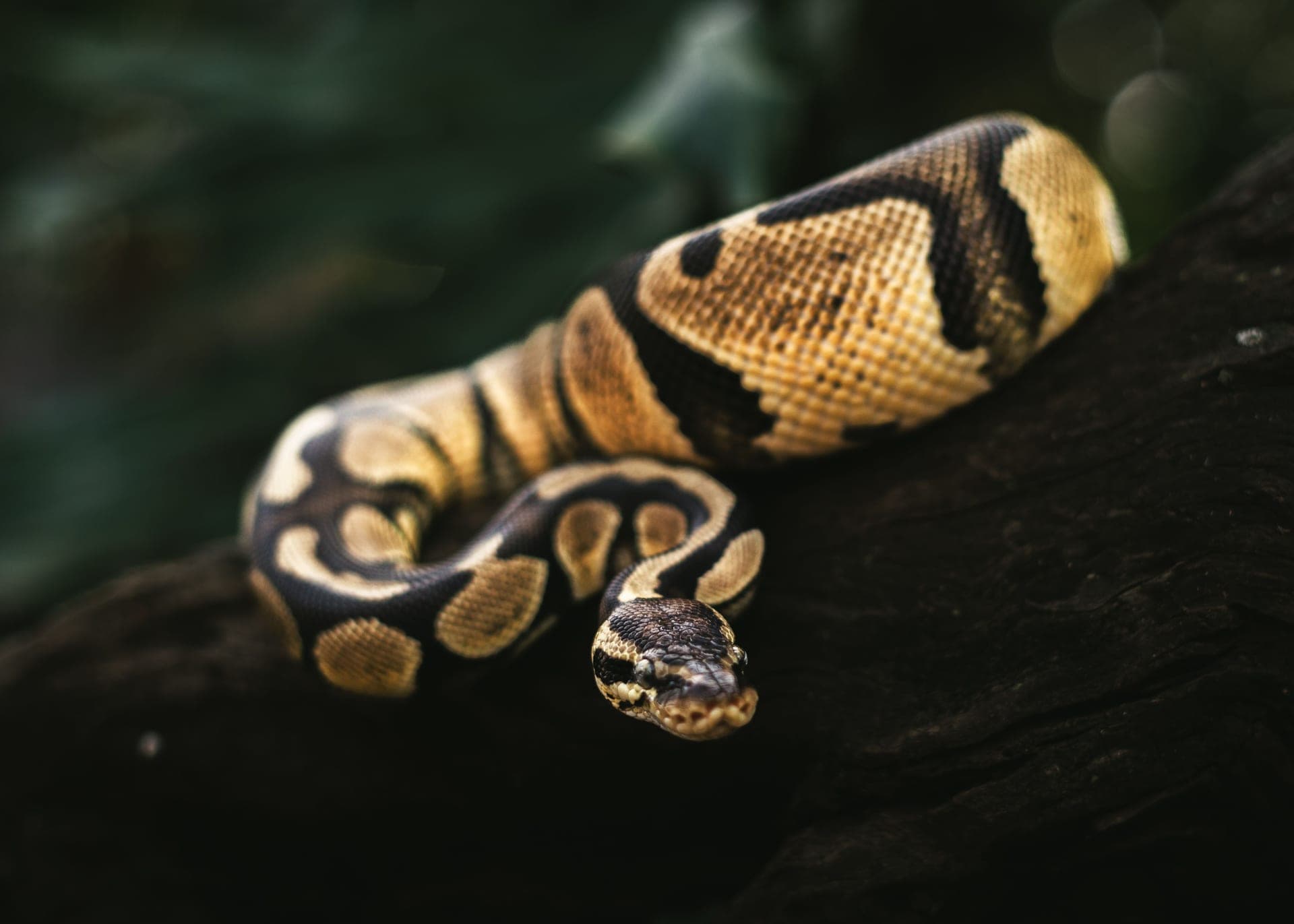
Ball python enclosures, heating and substrate
The enclosure should be at least as long as the snake. The idea that ball pythons want to be crammed into a small dark box is a myth the published guidance names as one.
Ball python
Ball python heating requirements
Ball python heating: the hide figures, the air ceiling, and the two-bulb rule.
Ball python
Best substrate for a ball python enclosure
Ball python substrate options, depth, and why ventilation is part of the choice.
Guides
Best reptile enclosures for humidity (2026)
Enclosures judged on whether they hold the species humidity target without constant intervention.
Lighting & heat
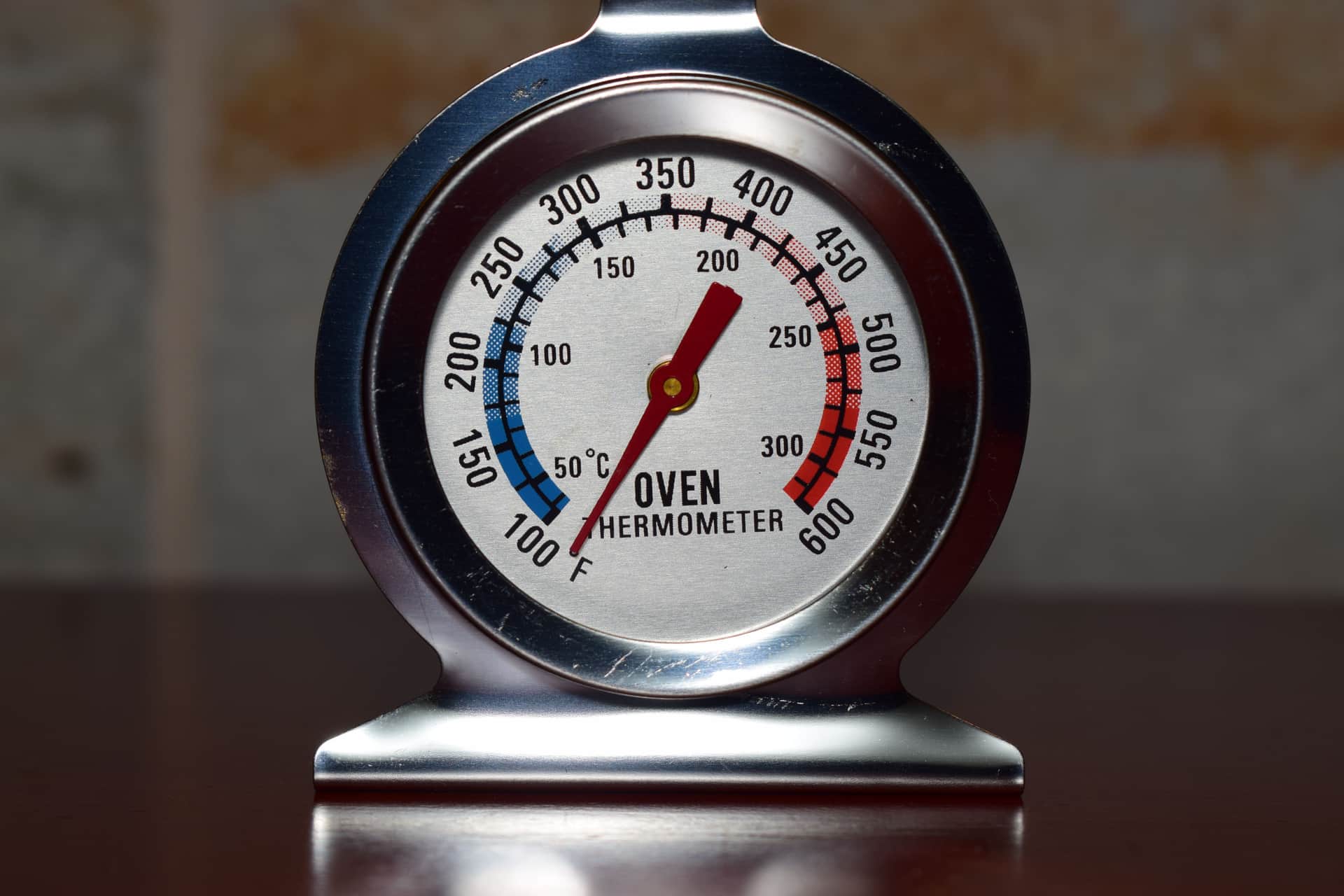
Best reptile thermometers and humidity gauges (2026)
The two instruments that can actually read the published figures: an infrared gun and a probe combo.
Ball python
Ball python enclosure requirements checklist
The full ball python setup checklist, with the figure and verification for each.