Guides
PVC vs glass vs wood reptile enclosures
Including where ABS and HDPE fit, which is the question behind most searches for this comparison.
By Brijon M.Last updated
PVC for humidity-dependent species and adult snakes; glass for dry-kept desert species and anywhere a clean thermal gradient matters most; wood only if you need a custom size and will do the sealing properly. ABS and HDPE behave like PVC - the differences are impact resistance and finish, not safety.
Shed & Bask earns a commission from qualifying Amazon purchases made through links on this page. It does not change what we recommend or the order we rank things in. Read the full disclosure.
The comparison table
| Material | Weight | Humidity retention | Heat behavior | Off-gassing question |
|---|---|---|---|---|
| Rigid PVC | Light | High - opaque, low vapor loss | Insulates; gradients need attention | Stable at enclosure temperatures; the question is coatings and adhesives, not the panel |
| Expanded PVC | Lightest | High | Insulates strongly | Same as rigid; softer surface marks more easily |
| ABS | Light | High | Insulates; better impact resistance than PVC | Same class of question as PVC |
| HDPE | Light | High | Insulates; very chemical-resistant | Hard to bond and hard to paint, which is a build problem not a safety one |
| Glass | Heavy | Low with a screen top | Dissipates heat - easiest gradient | None from the panel itself |
| Sealed plywood / melamine | Heavy | High once sealed | Insulates | The real one: adhesive, sealant, finish and cure all have to be accounted for |
Where the ABS vs PVC question comes from
Enclosure manufacturers use PVC, expanded PVC, ABS and HDPE in marketing somewhat interchangeably, and keepers reasonably want to know whether one of them is safer. For the properties that matter in an enclosure, they behave as one class: light, opaque, humidity-retentive, insulating, stable at the temperatures a correctly-run enclosure reaches. The practical differences are mechanical. ABS takes an impact better. HDPE is exceptionally chemical-resistant but difficult to bond or paint, which matters if you plan to add a background. Expanded PVC is the lightest and the easiest to mark.
None of that is a safety ranking, and we are not going to invent one. The material-safety question in a plastic enclosure is almost always about what you added - the silicone, the foam background, the paint - rather than the panel. That is covered in the materials guide.
The case for glass, which gets undersold
Glass has a poor reputation in the hobby that it does not entirely deserve. The published ball python guidance is explicit that glass enclosures are not evil: glass is one of the best materials at dissipating heat, which makes creating a temperature gradient considerably easier, and it encourages a natural drying cycle that discourages mold in a humid environment that could otherwise get out of hand. The real objections are weight, cost and the screen top - and the screen top is a lid problem you can partially solve.
For a leopard gecko at 30-40% ambient, with a humid hide at 70-80%, a front-opening glass terrarium is not a compromise. It is the right answer.
The case against wood, which gets undersold in the other direction
A wooden enclosure is cheap per cubic foot and lets you build any dimension you like. What it brings with it is the full material-safety problem: an unsealed interior absorbs waste and moisture and cannot be properly disinfected, and a sealed one introduces an adhesive, a sealant and a finish that each need a published cure time and a service temperature above your basking surface.
If you are sealing a wooden interior
Pond Armor Pond Shield Non-Toxic Epoxy
A two-part epoxy stated non-toxic once cured, with a manufacturer service range of -78 F to 140 F - which clears a 108-113 F dragon basking surface. The full cure runs up to 7 days and nothing should go in before it completes. We could not find an NSF/ANSI 61 certification for it, so the non-toxic claim is the manufacturer's own.
Pick X if, pick Y if
- Pick PVC if you keep a ball python or a crested gecko, if your home is dry, or if you will be lifting the enclosure more than once.
- Pick glass if you keep a leopard gecko or a dry-kept dragon, if you want the easiest possible thermal gradient, or if you want to watch the animal from more than one side.
- Pick wood if you need a size nobody sells and you are prepared to do the sealing work properly, with named products and full cure times.
- Pick none of them if the size you are considering is below the published minimum for your species. Material is the second decision. Size is the first.
Frequently asked questions
Is ABS or PVC better for a reptile enclosure?
For enclosure purposes they behave as one material class. ABS takes an impact better; PVC is more widely available and usually cheaper. Neither is a safety upgrade over the other, and we are not going to pretend there is a ranking the evidence does not support.
Is wood safe for a reptile enclosure?
Sealed properly, yes. The risk is not the wood, it is the sealant, adhesive and finish - each of which needs a named safety basis, a published full cure time, and a service temperature above your basking surface.
Do glass enclosures hold heat badly?
Glass dissipates heat readily, which is a disadvantage if you are fighting a cold room and an advantage if you are trying to build a gradient. The published guidance calls it one of the best materials for making a temperature gradient easier.
Sources
- Ball Python Terrarium Size & Lighting — ReptiFiles
- Volatile Organic Compounds' Impact on Indoor Air Quality — U.S. Environmental Protection Agency
- Pond Shield Non-Toxic Epoxy product information — Pond Armor
Read next
Hub
Reptile enclosure guides and comparisons
The cross-species decisions: what material to buy, how big it has to be, whether to build it yourself, and which beginner mistakes are expensive.
Guides
Best PVC reptile enclosures (2026)
PVC enclosures ranked on footprint, humidity retention and whether the panel material is disclosed.
Substrate & safety
Is PVC safe for reptiles? Enclosure material safety
What to check on enclosure materials, and why the coatings matter more than the panel.
Substrate & safety
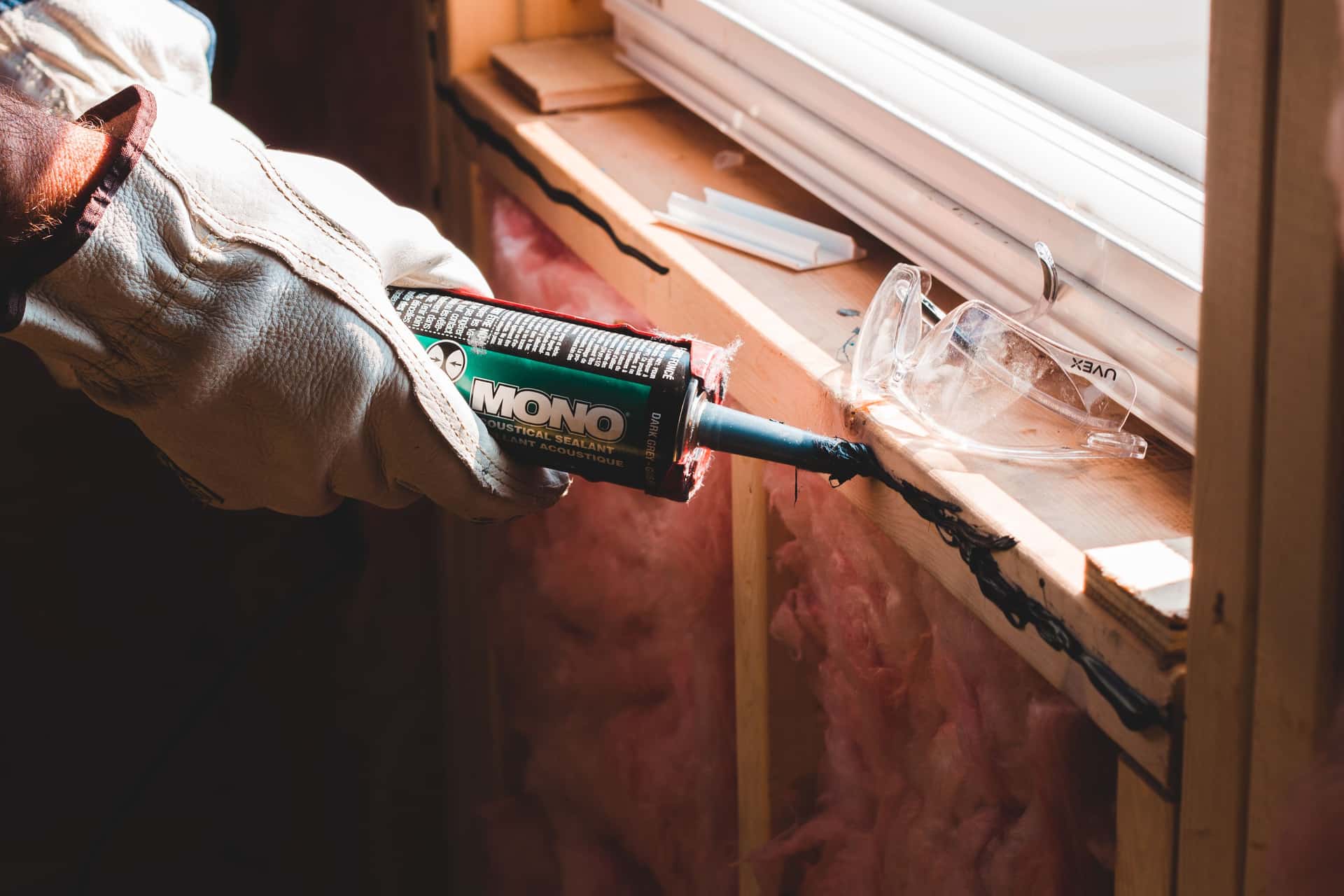
Non-toxic sealant for a reptile enclosure
Which sealants to use, the mildewcide rule, and the cure times that have to be respected.
Guides
Building vs buying a reptile enclosure
When building your own enclosure is the right call, and the costs DIY comparisons leave out.