Lighting & heat
Best reptile heat lamps and heat sources (2026)
Halogen for daytime basking, lightless for night. The distinction is not a preference - it is about which infrared band actually warms the animal.
By Brijon M.Last updated
Use halogen overhead for daytime basking, because it produces the most Infrared-A - the band that penetrates tissue. Use a lightless ceramic emitter or radiant panel for night and ambient heat only. Never use a colored night bulb: reptiles see that light and it disrupts their cycle. Every heat source goes on a thermostat.
Shed & Bask earns a commission from qualifying Amazon purchases made through links on this page. It does not change what we recommend or the order we rank things in. Read the full disclosure.
How we picked
Every pick below is scored against these thresholds, stated as numbers. Publishing them is the point: of the competitor roundups we surveyed, not one published a numeric selection threshold.
Right infrared band for the job
Halogen for daytime basking (produces Infrared-A); lightless ceramic or radiant panel for night and ambient only
Source: ReptiFiles - Ball Python Humidity & Temperature Requirements
Thermostat-controllable
Works on the correct controller type - dimming or pulse for a light-emitting lamp, on/off acceptable only for a lightless source
Source: ReptiFiles - Ball Python Humidity & Temperature Requirements
Reaches the species basking surface figure
108-113 F surface for a bearded dragon, 94-97 F for a leopard gecko, 86-90 F warm hide for a ball python
Source: ReptiFiles - Bearded Dragon Temperatures & UVB Requirements
Can be guarded
Fits a fixture with a cage guard, so an animal that can reach it cannot contact it
Source: National Fire Protection Association - Heating equipment and home fire safety
Heats a zone, not a point
Covers enough area for the animal's whole body - a single spot is too small for a coiled adult snake in a 48 in enclosure
Source: ReptiFiles - Ball Python Humidity & Temperature Requirements
These are the same criteria every roundup on this site applies. See the full methodology.
Quick picks
Every row is scored against the published criteria below. Tap a row to read the full write-up.
| # | Product | Best for | Criteria met | Price |
|---|---|---|---|---|
| 1 | Exo Terra Intense Basking Spot Lamp Best daytime basking lamp | Overhead basking heat on a thermostat | 4/5 | Check price on Amazon#ad We may earn a commission. Price and stock are resolved at Amazon. |
| 2 | 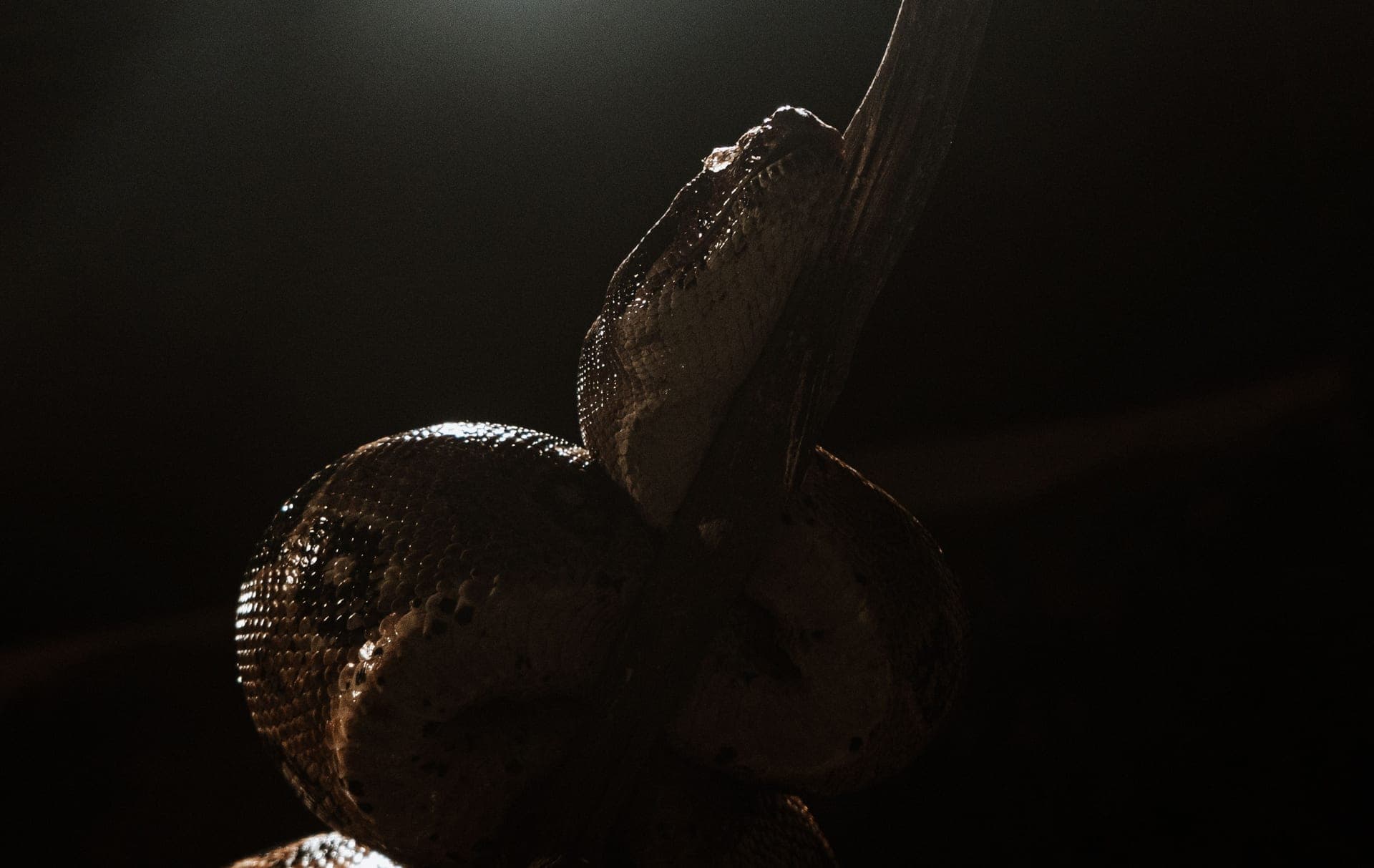 Ceramic Heat Emitter (CHE) Best lightless night heat | Night-time ambient heat in a cold room | 3/5 | Check price on Amazon#ad We may earn a commission. Price and stock are resolved at Amazon. |
| 3 | 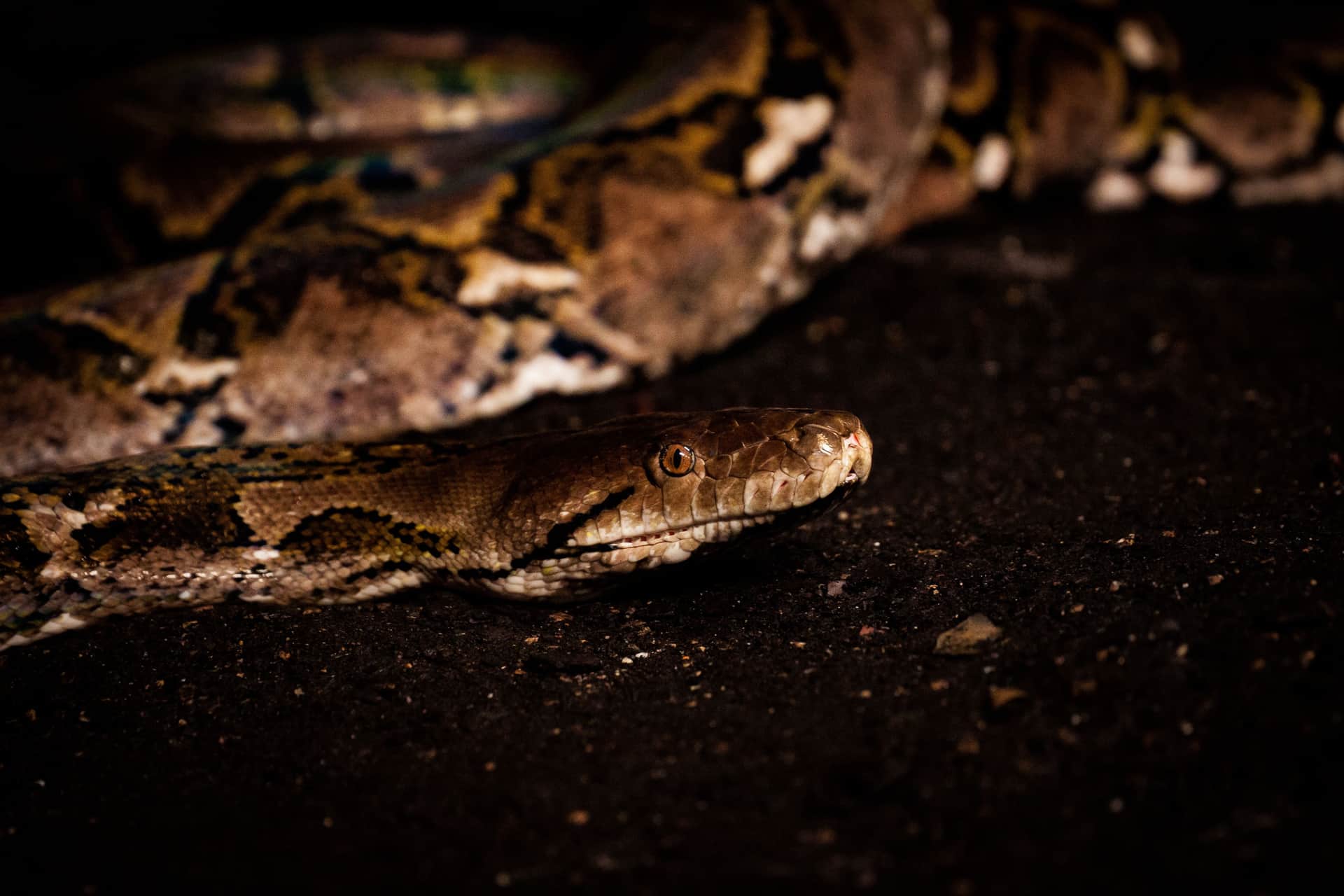 Radiant Heat Panel Best ambient heat for a PVC enclosure | Ambient heat in a PVC snake enclosure | 3/5 | Check price on Amazon#ad We may earn a commission. Price and stock are resolved at Amazon. |
The infrared distinction, briefly
Not all heat is equivalent to a reptile. Incandescent and halogen sources produce a large proportion of Infrared-A, which penetrates deeply into animal tissue, warms it faster and keeps it warm longer - which in practice means less time spent basking and more energy available for digestion and activity. Ceramic emitters, radiant panels and deep heat projectors produce weaker, longer-wavelength infrared that heats surfaces and air effectively but penetrates far less.
That is why the current guidance assigns them different jobs rather than ranking them: halogen for the basking site, lightless sources for ambient and night. Using a CHE as the primary daytime basking source is the common error, and it produces an enclosure that is warm by thermometer and still not doing the job.
Targets this has to hit
| Species | Basking / warm zone | Cool side | Night |
|---|---|---|---|
| Bearded dragon | 108-113 F (42-45 C) surface temperature | 77-85 F (25-29 C) surface, 72-99 F (22-37 C) air gradient | 55-75 F (12-24 C) |
| Leopard gecko | 94-97 F (34-36 C) surface; warm hide 90-92 F (32-33 C) | 70-77 F (21-25 C) | Tolerates a drop to 60 F (16 C) |
| Ball python | Warm hide 86-90 F (30-32 C) | Cool hide 72-80 F (22-27 C); air never above 95 F (35 C) | 70-78 F (21-26 C) |
| Crested gecko | 82-85 F (28-29 C) at the top of the enclosure | 70-75 F (21-24 C) at the bottom | 65-72 F (18-22 C) |
Two things to notice. First, these are surface or hide temperatures in most cases, not air temperatures - so an infrared gun is the measuring instrument, not a probe in the air. We cover the instruments separately. Second, the crested gecko row runs the other way from the rest: its risk is overheating, and sustained temperatures above 85 F cause stress and heat stroke. In many homes a crested gecko needs no supplemental heat at all.
Sizing the basking zone, not just the temperature
A number everyone sets and an area nobody checks. The published ball python guidance is specific: if the enclosure is longer than 36 inches - and for an adult it should be - a single halogen makes a basking area too small to evenly heat a coiled snake, so you cluster at least two bulbs close together. The same logic applies to a large dragon basking platform: one narrow spot produces a hot patch the animal cannot fit on rather than a basking site.
What to avoid
- Colored night bulbs - red, blue or black. Reptiles see the light from these, and it disrupts the sleep and wake cycle. The published guidance on both the leopard gecko and crested gecko pages says so directly.
- Heat rocks. Contact heat with a hot spot and no gradient is how contact burns happen.
- An unguarded ceramic emitter within reach. A CHE gets hot enough to cause serious burns. The wire cage guard is not optional.
- Using ambient heat to create a basking site. Raising whole-enclosure air temperature to reach a basking figure removes the gradient, which is the thing the animal actually uses to regulate.
For a halogen basking lamp
Spyder Robotics Herpstat 1 Proportional Thermostat
A light-emitting source needs a dimming or pulse-proportional controller. An on/off thermostat will visibly strobe it and shorten the bulb's life.
To set the basking surface
Infrared Temperature Gun
The published basking figures are surface temperatures. Point it at the rock, not at the air above it.
The picks in full
1. Best daytime basking lamp
Exo Terra Intense Basking Spot Lamp
Exo Terra · Overhead basking heat on a thermostat
Halogen is the preferred daytime basking source in the current guidance because incandescent heating delivers the largest quantity of Infrared-A, the band that penetrates tissue rather than just warming the air. It scores partial on zone size for one reason: in an enclosure longer than 36 inches, a single spot lamp makes too small a basking area for an adult animal, and the published advice is to cluster two.
Specifications
- Type
- Halogen spot (incandescent)
- Infrared
- Produces Infrared-A, the deeply penetrating band
- Control
- Must run on a dimming or pulse thermostat
- Common use
- A 50 W in a 5.5 in dome for a crested gecko basking area
How it scored against our criteria
| Right infrared band for the jobHalogen for daytime basking (produces Infrared-A); lightless ceramic or radiant panel for night and ambient only | Meets |
|---|---|
| Thermostat-controllableWorks on the correct controller type - dimming or pulse for a light-emitting lamp, on/off acceptable only for a lightless source | Meets |
| Reaches the species basking surface figure108-113 F surface for a bearded dragon, 94-97 F for a leopard gecko, 86-90 F warm hide for a ball python | Meets |
| Can be guardedFits a fixture with a cage guard, so an animal that can reach it cannot contact it | Meets |
| Heats a zone, not a pointCovers enough area for the animal's whole body - a single spot is too small for a coiled adult snake in a 48 in enclosure | Partial |
What works
- Halogen is the heat type current husbandry references prefer for basking
- Cheap enough to keep a spare, which you should
- Works in a standard dome fixture
What to know
- Emits visible light, so it cannot be used at night
- A single spot may be too small a basking area for a coiled snake
Who should look elsewhere
For night heat in a cold room, a halogen is the wrong tool - it lights the enclosure. Use a ceramic heat emitter in a guarded fixture instead.
2. Best lightless night heat
Ceramic Heat Emitter (CHE)
Various (Zoo Med, Fluker's, REPTI ZOO) · Night-time ambient heat in a cold room
The correct answer to a cold room at night, and the correct answer to the colored night bulb question. It scores partial on infrared deliberately: a CHE produces a weaker spectrum than halogen and should not be used as a daytime basking source, which is exactly the mistake it most often gets put to.
Specifications
- Type
- Lightless ceramic emitter
- Use
- Ambient air temperature, not daytime basking
- Fixture
- Ceramic socket, wire cage guard
- Control
- Thermostat, always
How it scored against our criteria
| Right infrared band for the jobHalogen for daytime basking (produces Infrared-A); lightless ceramic or radiant panel for night and ambient only | Partial |
|---|---|
| Thermostat-controllableWorks on the correct controller type - dimming or pulse for a light-emitting lamp, on/off acceptable only for a lightless source | Meets |
| Reaches the species basking surface figure108-113 F surface for a bearded dragon, 94-97 F for a leopard gecko, 86-90 F warm hide for a ball python | Partial |
| Can be guardedFits a fixture with a cage guard, so an animal that can reach it cannot contact it | Meets |
| Heats a zone, not a pointCovers enough area for the animal's whole body - a single spot is too small for a coiled adult snake in a 48 in enclosure | Meets |
What works
- No visible light, so it does not disrupt the day and night cycle
- Good at lifting whole-enclosure air temperature
- Long service life compared with a filament bulb
What to know
- Weaker infrared spectrum than halogen, so it is a poor daytime basking source
- Gets hot enough to burn an animal that can reach it - the guard is not optional
Who should look elsewhere
If your room never drops below the species night minimum, you do not need one at all. Measure before you buy.
3. Best ambient heat for a PVC enclosure
Radiant Heat Panel
Various (Pro Products, Vivarium Electronics) · Ambient heat in a PVC snake enclosure
Ceiling-mounted, so an animal cannot coil around it - which is the failure mode that makes ceramic emitters need a guard. Named alongside CHEs and deep heat projectors as a lightless option for ambient heat. The trade is price and the need for a solid ceiling to mount to.
Specifications
- Type
- Lightless radiant panel
- Mounting
- Enclosure ceiling
- Control
- Proportional thermostat
- Contact risk
- Low - the animal cannot normally reach it
How it scored against our criteria
| Right infrared band for the jobHalogen for daytime basking (produces Infrared-A); lightless ceramic or radiant panel for night and ambient only | Partial |
|---|---|
| Thermostat-controllableWorks on the correct controller type - dimming or pulse for a light-emitting lamp, on/off acceptable only for a lightless source | Meets |
| Reaches the species basking surface figure108-113 F surface for a bearded dragon, 94-97 F for a leopard gecko, 86-90 F warm hide for a ball python | Partial |
| Can be guardedFits a fixture with a cage guard, so an animal that can reach it cannot contact it | Meets |
| Heats a zone, not a pointCovers enough area for the animal's whole body - a single spot is too small for a coiled adult snake in a 48 in enclosure | Meets |
What works
- Ceiling-mounted, so an animal cannot coil around it
- Even ambient heat across a PVC enclosure
- No light output
What to know
- Needs a PVC or wooden ceiling to mount to - not a screen top
- The most expensive heat option per enclosure
Who should look elsewhere
For daytime basking heat for a diurnal basker, this is the wrong spectrum. Use overhead halogen and keep the panel for ambient.
Frequently asked questions
What is the best heat lamp for a reptile?
For daytime basking, a halogen spot on a dimming thermostat - halogen produces the most Infrared-A, the band that penetrates tissue. For night or ambient heat in a cold room, a lightless ceramic emitter or radiant panel.
How hot does a reptile heat lamp get?
Hot enough to matter: an uncontrolled lamp will keep raising the surface beneath it until it reaches equilibrium with the room, which is why the published figures are surface temperatures and why a thermostat is mandatory. A bearded dragon basking surface should sit at 108-113 F (42-45 C) surface temperature, and the same guidance notes it does not need to exceed 122 F.
Can I use a red night bulb for my reptile?
No. Contrary to a persistent belief, reptiles do see light from colored night bulbs and it disrupts their sleep and wake cycle. If you need night heat, use a lightless ceramic heat emitter in a guarded fixture.
Do ball pythons need heat at night?
Only if the room falls below 70-78 F (21-26 C). If it does, use a lightless source - a ceramic heat emitter, radiant heat panel or deep heat projector - rather than a colored bulb.
Sources
- Ball Python Humidity & Temperature Requirements — ReptiFiles
- Bearded Dragon Temperatures & UVB Requirements — ReptiFiles
- Leopard Gecko Temperatures & Humidity — ReptiFiles
- Crested Gecko Temperatures & Humidity — ReptiFiles
Read next
Hub
Reptile UVB, heat and thermostats
Wattage and percentage tell you almost nothing on their own. UV index at a stated mount distance is the number that decides whether a lamp is right for your animal.
Lighting & heat
Best reptile thermostats (2026)
Thermostats ranked by control type, stated accuracy, load ceiling and whether they alarm on failure.
Lighting & heat
Can a reptile heat lamp start a fire?
The three ways a reptile heat lamp causes a fire, and the control for each.

Lighting & heat
Reptile night lighting mistakes
Why colored night bulbs are wrong, what to use for night heat, and the nightly drop.
Lighting & heat
Best reptile thermometers and humidity gauges (2026)
The two instruments that can actually read the published figures: an infrared gun and a probe combo.
Ball python
Ball python heating requirements
Ball python heating: the hide figures, the air ceiling, and the two-bulb rule.