Leopard gecko
Best leopard gecko setup for beginners (2026)
Not a kit - a list, in the order you should buy it. The three-hide requirement is the part most beginner setups miss entirely.
By Brijon M.Last updated
Buy in this order: enclosure at 36 x 18 x 18 in, thermostat, heat source, infrared gun plus probe thermometer and hygrometer, three hides (warm, cool and humid), substrate, then low-output UVB. The humid hide is not optional - it is how shedding problems are prevented.
Shed & Bask earns a commission from qualifying Amazon purchases made through links on this page. It does not change what we recommend or the order we rank things in. Read the full disclosure.
How we picked
Every pick below is scored against these thresholds, stated as numbers. Publishing them is the point: of the competitor roundups we surveyed, not one published a numeric selection threshold.
Meets the published adult footprint
At or above the cited minimum for the species it is sold for - 4.5 sq ft floor for a leopard gecko, about 8 sq ft for an adult ball python, 48 x 24 x 24 in or larger for a dragon, 18 x 18 x 36 in for a crested gecko
Source: ReptiFiles - Bearded Dragon Terrarium Size Requirements
Front-opening access
Doors on the front, not a lift-off lid. Less startling for the animal and harder to escape from
Holds the species humidity range
Material and lid design can hold the species target without constant intervention - 30-40% for a leopard gecko, 60-80% for a crested gecko
Takes a T5 fixture at a workable distance
Mesh top or internal mounting that puts a T5 HO lamp at its published distance - about 11 in through mesh for an Arcadia Desert 12%
Source: ReptiFiles - Bearded Dragon Temperatures & UVB Requirements
Supports a real thermal gradient
Long enough that the cool end actually reaches the species cool-side figure while the basking surface holds its target
Source: ReptiFiles - Bearded Dragon Temperatures & UVB Requirements
Materials we can account for
Manufacturer states the panel material, and any interior coating has a published temperature limit above the species basking surface temperature
Source: U.S. Environmental Protection Agency - Volatile Organic Compounds' Impact on Indoor Air Quality
These are the same criteria every roundup on this site applies. See the full methodology.
Quick picks
Every row is scored against the published criteria below. Tap a row to read the full write-up.
| # | Product | Best for | Criteria met | Price |
|---|---|---|---|---|
| 1 | 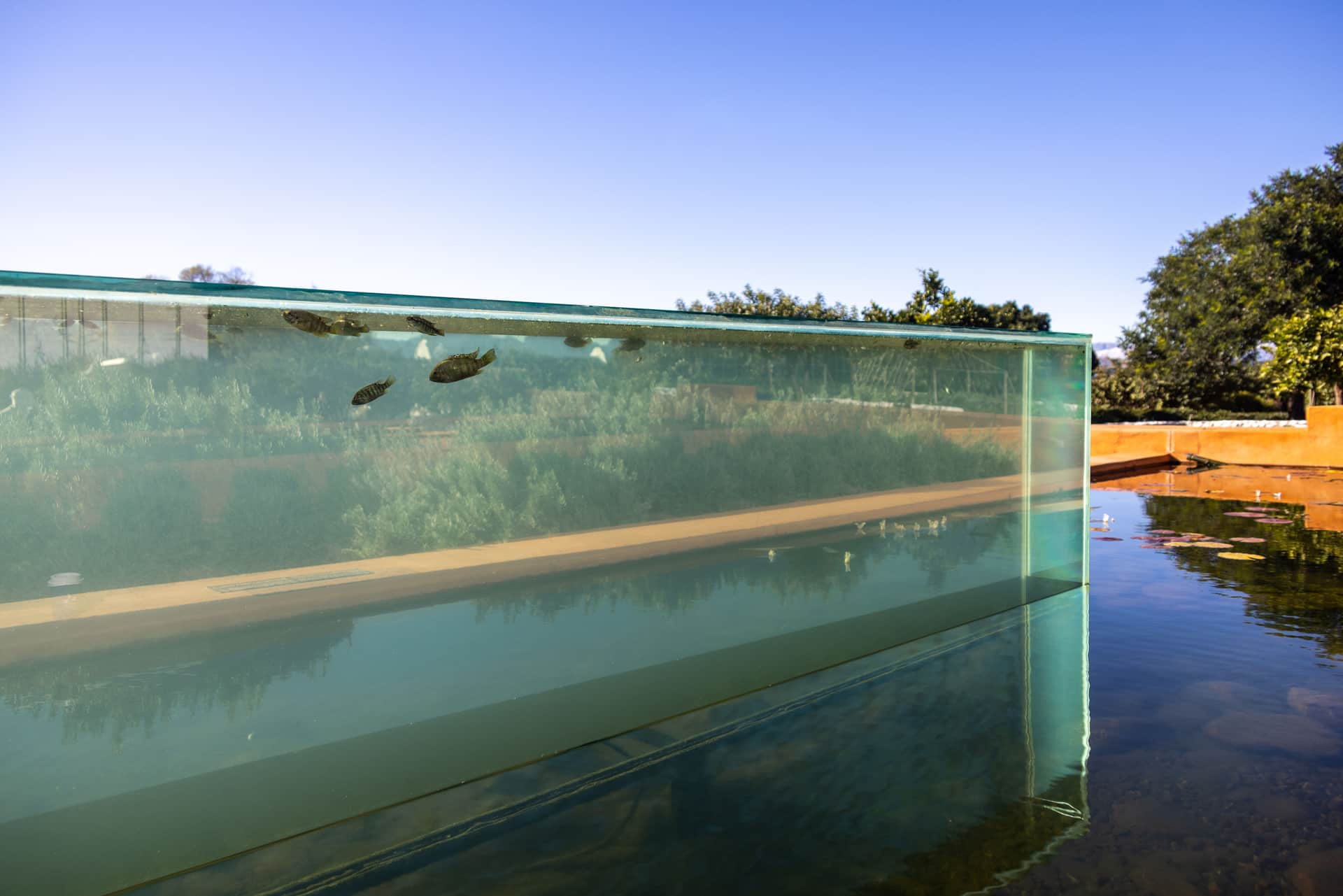 REPTI ZOO Front-Opening Glass Terrarium Buy first: the enclosure at 4.5 sq ft | A leopard gecko at the 36 x 18 x 18 in minimum | 6/6 | Check price on Amazon#ad We may earn a commission. Price and stock are resolved at Amazon. |
| 2 | 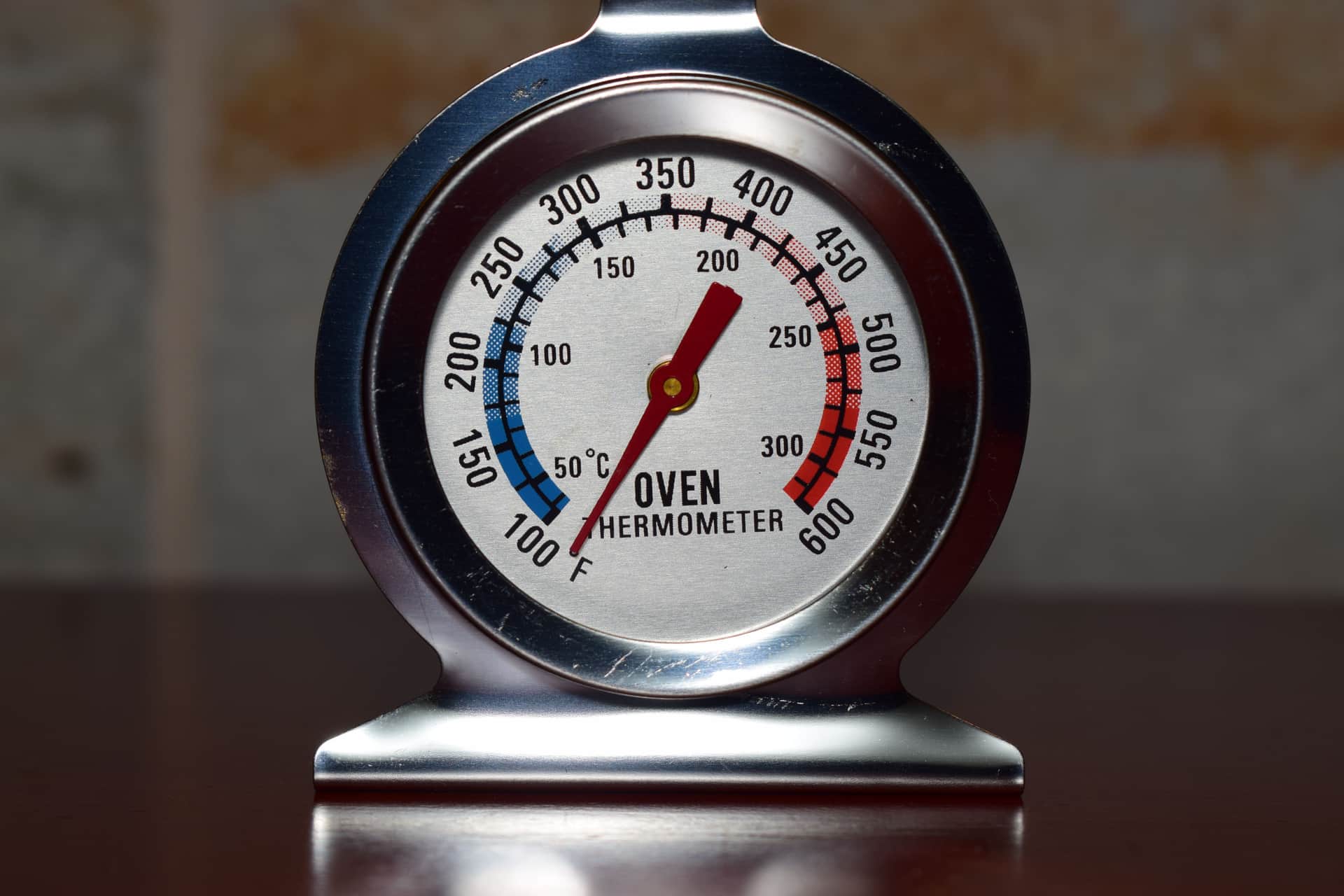 Inkbird ITC-308 Temperature Controller Buy second: the thermostat | A single lightless heat source on a budget | 2/6 | Check price on Amazon#ad We may earn a commission. Price and stock are resolved at Amazon. |
| 3 | 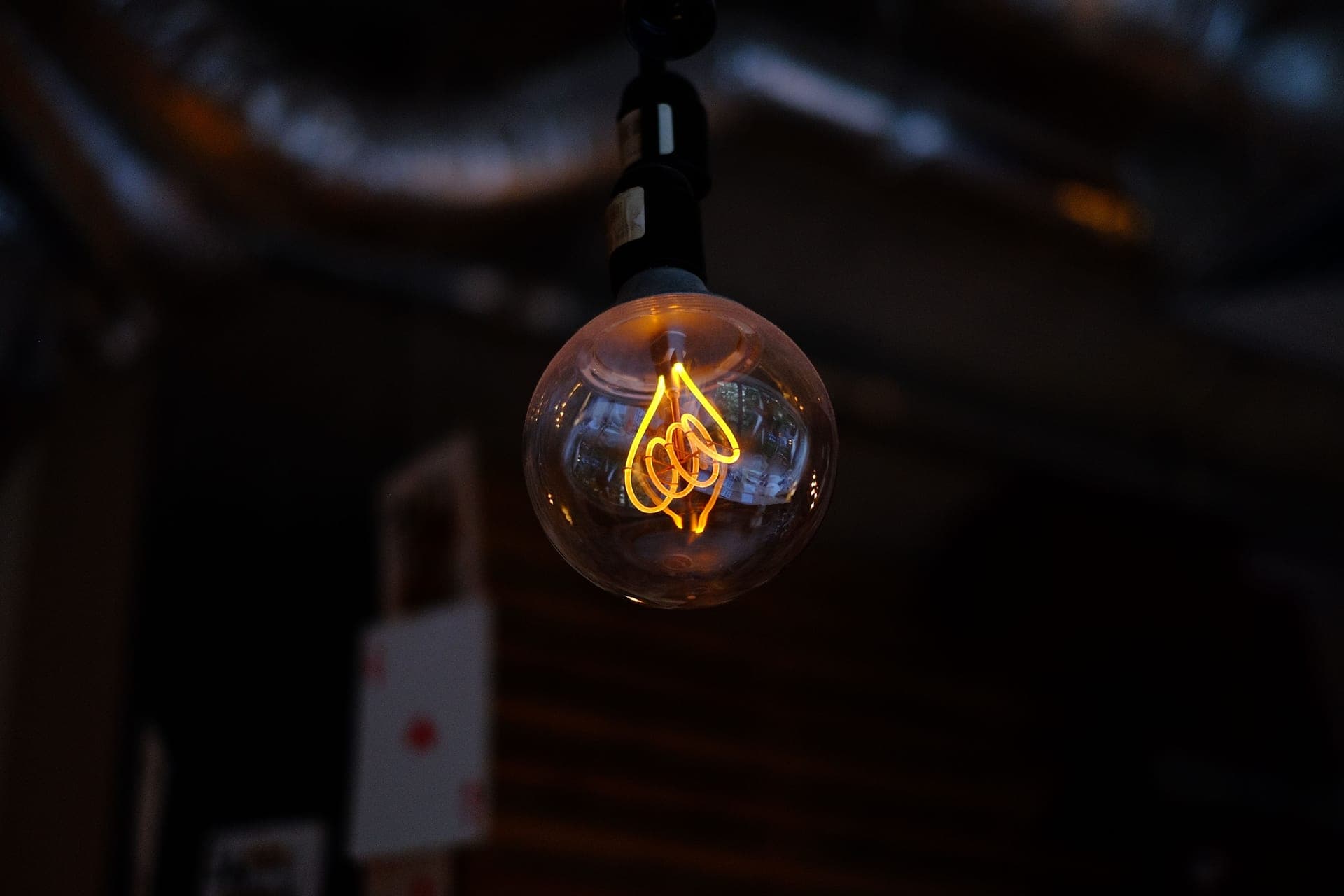 Exo Terra Intense Basking Spot Lamp Buy third: overhead heat | Overhead basking heat on a thermostat | 2/6 | Check price on Amazon#ad We may earn a commission. Price and stock are resolved at Amazon. |
| 4 | 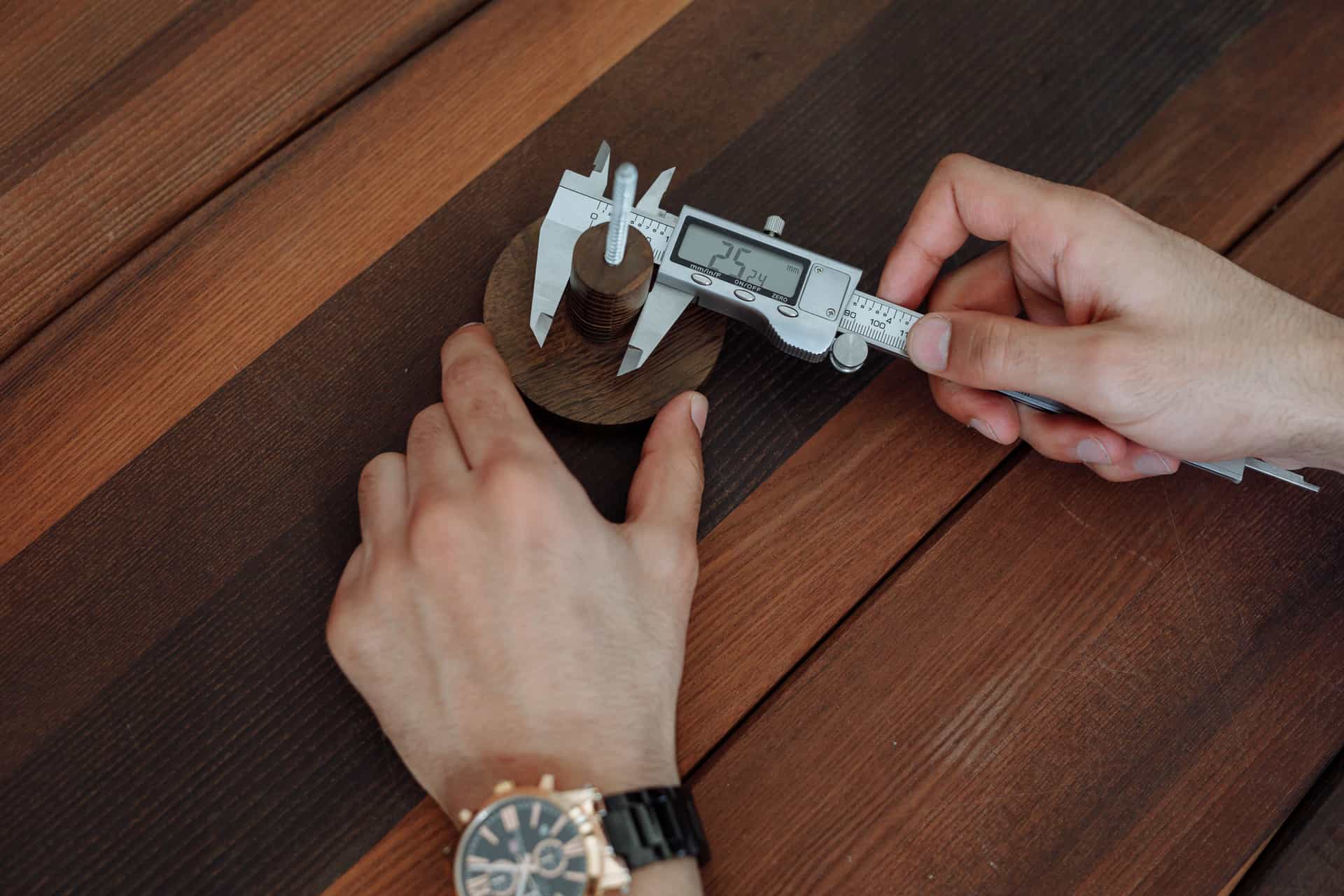 Infrared Temperature Gun Buy fourth: the instruments | Setting a basking surface to a stated figure | 1/6 | Check price on Amazon#ad We may earn a commission. Price and stock are resolved at Amazon. |
| 5 | 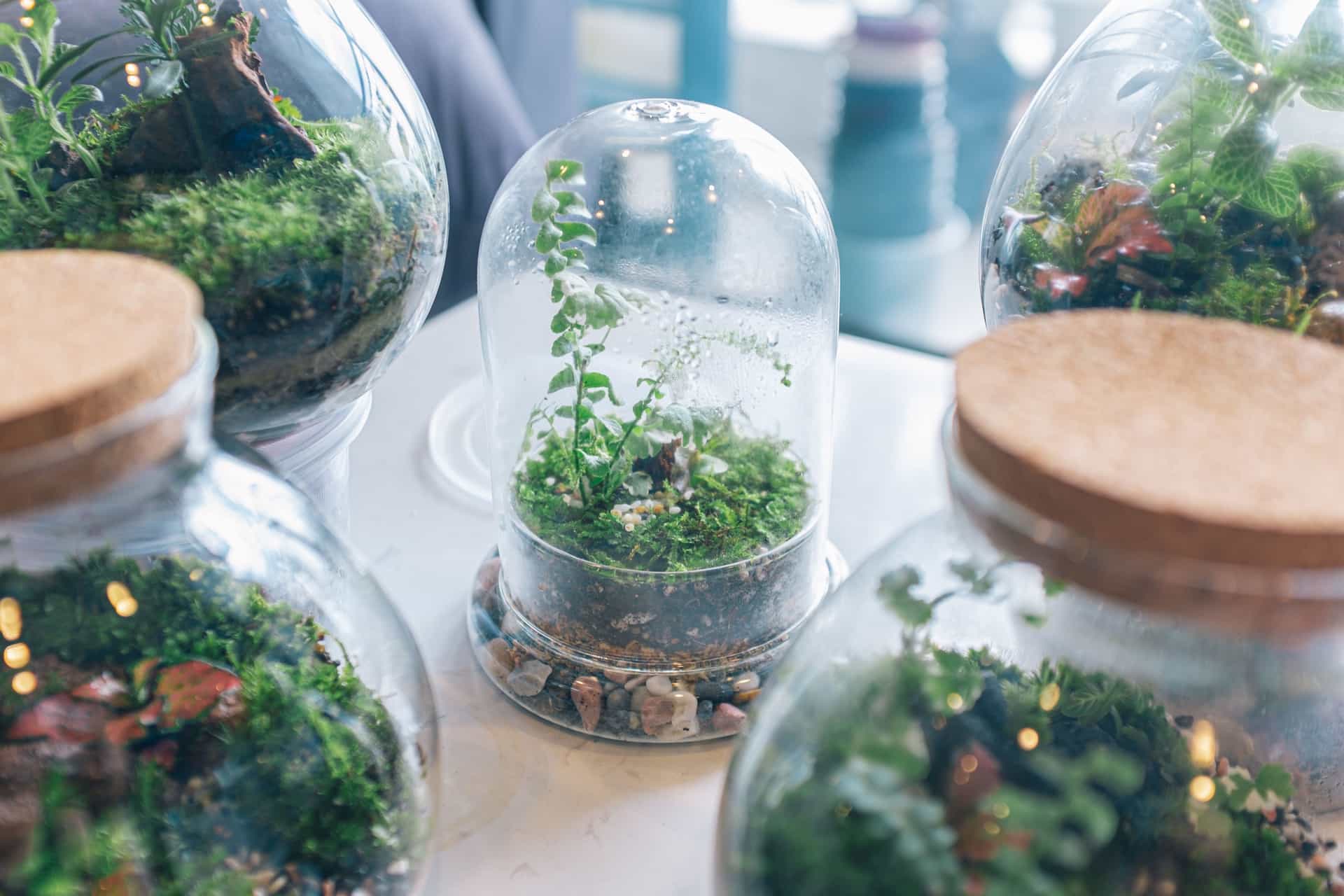 Sphagnum Moss Buy fifth: the humid hide lining | Lining a humid hide | 2/6 | Check price on Amazon#ad We may earn a commission. Price and stock are resolved at Amazon. |
| 6 | Arcadia ShadeDweller ProT5 Kit (7% UVB) Buy sixth: low-output UVB | Leopard geckos and crested geckos | 2/6 | Check price on Amazon#ad We may earn a commission. Price and stock are resolved at Amazon. |
The three-hide rule
This is the requirement beginner setups skip, and it is specific to the species.
| Hide | Placement | Target | Why |
|---|---|---|---|
| Warm hide | Under or beside the heat source | 90-92 F (32-33 C) | Where digestion happens |
| Cool hide | Far end | 70-77 F (21-25 C) | Somewhere to retreat without giving up cover |
| Humid hide | Middle to cool end | 70-80% humidity inside | Shedding, without raising whole-enclosure humidity |
Shedding problems are among the most common health complaints in this species, and the published fix is the humid hide - not misting the enclosure, which makes a desert gecko ill.
The component list
- Enclosure at 36 x 18 x 18 in or larger, front-opening.
- Thermostat matched to the heat source type.
- Heat source - overhead halogen, or a thermostatted mat under the warm hide.
- Infrared gun and a probe thermometer/hygrometer.
- Three hides, plus moss for the humid one.
- Substrate from a safe class, at a depth the gecko can dig in.
- Low-output T5 UVB on the seasonal photoperiod.
- Shallow water dish and climbing or sheltering decor.
What to avoid
- Kits built around a 10-gallon or 20-gallon long tank.
- Colored night bulbs - reptiles see them and they disrupt the sleep cycle.
- Heat rocks.
- Calcium sand, vitamin sand and other named hazard substrates.
- A desert-strength UVB lamp. For an albino or patternless morph the published ceiling is UVI 0.5-0.7, and excess UVB can burn these animals.
The picks in full
1. Buy first: the enclosure at 4.5 sq ft
REPTI ZOO Front-Opening Glass Terrarium
REPTI ZOO · A leopard gecko at the 36 x 18 x 18 in minimum
36 x 18 x 18 in hits the published floor-space figure exactly. Front-opening, glass, and the screen top that works against you for most species works for you here.
Specifications
- Common sizes
- 36 x 18 x 18 in and 18 x 18 x 24 in among others
- Material
- Glass with a screen top
- Opening
- Front-opening doors
- Lock
- Door lock included on most models
How it scored against our criteria
| Meets the published adult footprintAt or above the cited minimum for the species it is sold for - 4.5 sq ft floor for a leopard gecko, about 8 sq ft for an adult ball python, 48 x 24 x 24 in or larger for a dragon, 18 x 18 x 36 in for a crested gecko | Meets |
|---|---|
| Front-opening accessDoors on the front, not a lift-off lid. Less startling for the animal and harder to escape from | Meets |
| Holds the species humidity rangeMaterial and lid design can hold the species target without constant intervention - 30-40% for a leopard gecko, 60-80% for a crested gecko | Meets |
| Takes a T5 fixture at a workable distanceMesh top or internal mounting that puts a T5 HO lamp at its published distance - about 11 in through mesh for an Arcadia Desert 12% | Meets |
| Supports a real thermal gradientLong enough that the cool end actually reaches the species cool-side figure while the basking surface holds its target | Meets |
| Materials we can account forManufacturer states the panel material, and any interior coating has a published temperature limit above the species basking surface temperature | Meets |
What works
- Glass dissipates heat well, which makes a temperature gradient easier to establish
- Front-opening is less startling for the animal than reaching in from above
- Easy to see and easy to clean
What to know
- A screen top sheds humidity constantly, which is the wrong trade for a crested gecko or ball python
- Heavy, and a large glass tank is awkward to move once filled
Who should look elsewhere
If you need to hold 60-80% humidity, glass with a screen top will fight you every day. Buy PVC instead and stop misting four times a day.
2. Buy second: the thermostat
Inkbird ITC-308 Temperature Controller
Inkbird · A single lightless heat source on a budget
If your heat source is a mat or a ceramic emitter, an on/off controller with a stated plus or minus 0.5 F accuracy does the job at the lowest cost. If you are running an overhead halogen instead, buy a dimming controller rather than this one.
Specifications
- Control type
- On/off (dual relay, heating and cooling)
- Stated range
- 58-248 F
- Stated accuracy
- Plus or minus 0.5 F
- Form
- Plug-in, no wiring
How it scored against our criteria
| Meets the published adult footprintAt or above the cited minimum for the species it is sold for - 4.5 sq ft floor for a leopard gecko, about 8 sq ft for an adult ball python, 48 x 24 x 24 in or larger for a dragon, 18 x 18 x 36 in for a crested gecko | Not published |
|---|---|
| Front-opening accessDoors on the front, not a lift-off lid. Less startling for the animal and harder to escape from | Not published |
| Holds the species humidity rangeMaterial and lid design can hold the species target without constant intervention - 30-40% for a leopard gecko, 60-80% for a crested gecko | Not published |
| Takes a T5 fixture at a workable distanceMesh top or internal mounting that puts a T5 HO lamp at its published distance - about 11 in through mesh for an Arcadia Desert 12% | Meets |
| Supports a real thermal gradientLong enough that the cool end actually reaches the species cool-side figure while the basking surface holds its target | Meets |
| Materials we can account forManufacturer states the panel material, and any interior coating has a published temperature limit above the species basking surface temperature | Not published |
What works
- Plug-in, so there is nothing to wire
- Puts a heat mat or ceramic emitter under control immediately
- Widely available and widely used
What to know
- On/off switching makes a light-emitting bulb flash, so it is unsuitable for halogen basking lamps
- Hard cycling shortens filament bulb life
Who should look elsewhere
If your heat source emits light, do not buy this. An on/off controller will strobe your basking lamp. Buy a dimming or pulse-proportional unit instead.
3. Buy third: overhead heat
Exo Terra Intense Basking Spot Lamp
Exo Terra · Overhead basking heat on a thermostat
A halogen over a warm hide reaches the published basking surface figure of 94-97 F and warms the top of the hide to the 90-92 F the gecko digests at. Needs a dimming controller, not the on/off unit above.
Specifications
- Type
- Halogen spot (incandescent)
- Infrared
- Produces Infrared-A, the deeply penetrating band
- Control
- Must run on a dimming or pulse thermostat
- Common use
- A 50 W in a 5.5 in dome for a crested gecko basking area
How it scored against our criteria
| Meets the published adult footprintAt or above the cited minimum for the species it is sold for - 4.5 sq ft floor for a leopard gecko, about 8 sq ft for an adult ball python, 48 x 24 x 24 in or larger for a dragon, 18 x 18 x 36 in for a crested gecko | Not published |
|---|---|
| Front-opening accessDoors on the front, not a lift-off lid. Less startling for the animal and harder to escape from | Not published |
| Holds the species humidity rangeMaterial and lid design can hold the species target without constant intervention - 30-40% for a leopard gecko, 60-80% for a crested gecko | Not published |
| Takes a T5 fixture at a workable distanceMesh top or internal mounting that puts a T5 HO lamp at its published distance - about 11 in through mesh for an Arcadia Desert 12% | Meets |
| Supports a real thermal gradientLong enough that the cool end actually reaches the species cool-side figure while the basking surface holds its target | Meets |
| Materials we can account forManufacturer states the panel material, and any interior coating has a published temperature limit above the species basking surface temperature | Not published |
What works
- Halogen is the heat type current husbandry references prefer for basking
- Cheap enough to keep a spare, which you should
- Works in a standard dome fixture
What to know
- Emits visible light, so it cannot be used at night
- A single spot may be too small a basking area for a coiled snake
Who should look elsewhere
For night heat in a cold room, a halogen is the wrong tool - it lights the enclosure. Use a ceramic heat emitter in a guarded fixture instead.
4. Buy fourth: the instruments
Infrared Temperature Gun
Various (Etekcity, Lasergrip) · Setting a basking surface to a stated figure
The 94-97 F figure is a surface temperature and the 90-92 F figure is a hide temperature. Neither can be read by a stick-on dial on the glass.
Specifications
- Measures
- Surface temperature
- Why it matters
- Basking targets are surface figures, not air figures
- Use
- Aim at the basking rock, not at the air above it
How it scored against our criteria
| Meets the published adult footprintAt or above the cited minimum for the species it is sold for - 4.5 sq ft floor for a leopard gecko, about 8 sq ft for an adult ball python, 48 x 24 x 24 in or larger for a dragon, 18 x 18 x 36 in for a crested gecko | Not published |
|---|---|
| Front-opening accessDoors on the front, not a lift-off lid. Less startling for the animal and harder to escape from | Not published |
| Holds the species humidity rangeMaterial and lid design can hold the species target without constant intervention - 30-40% for a leopard gecko, 60-80% for a crested gecko | Not published |
| Takes a T5 fixture at a workable distanceMesh top or internal mounting that puts a T5 HO lamp at its published distance - about 11 in through mesh for an Arcadia Desert 12% | Not published |
| Supports a real thermal gradientLong enough that the cool end actually reaches the species cool-side figure while the basking surface holds its target | Meets |
| Materials we can account forManufacturer states the panel material, and any interior coating has a published temperature limit above the species basking surface temperature | Not published |
What works
- Instant reading of the exact surface the animal lies on
- Cheap relative to everything else in a setup
- Finds cold spots a single probe will miss
What to know
- Reads surfaces only, so it tells you nothing about air temperature or humidity
- Emissivity differences between surfaces introduce small errors
Who should look elsewhere
It does not replace a probe thermometer. You need both: surface for the basking spot, probe for the ambient gradient.
5. Buy fifth: the humid hide lining
Sphagnum Moss
Various (Zoo Med, Galapagos) · Lining a humid hide
The humid hide at 70-80% is how you solve shedding problems without raising whole-enclosure humidity, which makes this species ill. Moss-lined hide at the middle to cool end.
Specifications
- Use
- Humid hide lining, or a humidity-boosting top layer
- Leopard gecko humid hide target
- 70-80% inside the hide
- Placement
- Middle to cool end of the enclosure
How it scored against our criteria
| Meets the published adult footprintAt or above the cited minimum for the species it is sold for - 4.5 sq ft floor for a leopard gecko, about 8 sq ft for an adult ball python, 48 x 24 x 24 in or larger for a dragon, 18 x 18 x 36 in for a crested gecko | Not published |
|---|---|
| Front-opening accessDoors on the front, not a lift-off lid. Less startling for the animal and harder to escape from | Not published |
| Holds the species humidity rangeMaterial and lid design can hold the species target without constant intervention - 30-40% for a leopard gecko, 60-80% for a crested gecko | Meets |
| Takes a T5 fixture at a workable distanceMesh top or internal mounting that puts a T5 HO lamp at its published distance - about 11 in through mesh for an Arcadia Desert 12% | Not published |
| Supports a real thermal gradientLong enough that the cool end actually reaches the species cool-side figure while the basking surface holds its target | Not published |
| Materials we can account forManufacturer states the panel material, and any interior coating has a published temperature limit above the species basking surface temperature | Meets |
What works
- Holds water for days and releases it slowly
- Solves shedding problems without raising whole-enclosure humidity
- Cheap and reusable after rinsing
What to know
- Goes moldy if it is never allowed to dry or be replaced
- Long strands can be ingested if an animal is feeding over it
Who should look elsewhere
If your whole enclosure is already at the species humidity target, you do not need a moss-lined hide on top of it.
6. Buy sixth: low-output UVB
Arcadia ShadeDweller ProT5 Kit (7% UVB)
Arcadia Reptile · Leopard geckos and crested geckos
Optional in the sense that geckos have been kept without it for decades, and worth having because the current evidence is that they bask under it and benefit. Zone 1 output only - a desert lamp here is a burn risk.
Specifications
- Output
- 7% UVB, T5 SO
- Leopard gecko (normal pigment)
- 10-18 in / 25-45 cm, about 30% mesh
- Crested gecko (12 in lamp)
- 8-12 in / 20-30 cm, about 35% mesh
- Replace
- Every 12 months
How it scored against our criteria
| Meets the published adult footprintAt or above the cited minimum for the species it is sold for - 4.5 sq ft floor for a leopard gecko, about 8 sq ft for an adult ball python, 48 x 24 x 24 in or larger for a dragon, 18 x 18 x 36 in for a crested gecko | Not published |
|---|---|
| Front-opening accessDoors on the front, not a lift-off lid. Less startling for the animal and harder to escape from | Not published |
| Holds the species humidity rangeMaterial and lid design can hold the species target without constant intervention - 30-40% for a leopard gecko, 60-80% for a crested gecko | Not published |
| Takes a T5 fixture at a workable distanceMesh top or internal mounting that puts a T5 HO lamp at its published distance - about 11 in through mesh for an Arcadia Desert 12% | Meets |
| Supports a real thermal gradientLong enough that the cool end actually reaches the species cool-side figure while the basking surface holds its target | Meets |
| Materials we can account forManufacturer states the panel material, and any interior coating has a published temperature limit above the species basking surface temperature | Not published |
What works
- Purpose-built for Zone 1 targets instead of a de-rated desert lamp
- Sold as a kit, so the fixture and lamp are already matched
- Published distances for both normal and reduced-pigment morphs
What to know
- Short tube lengths only, so it lights a zone rather than the whole enclosure
- Still needs a meter if you keep an albino
Who should look elsewhere
For an albino or patternless leopard gecko the ceiling drops to UVI 0.5-0.7. Use the ShadeDweller Max 2.5% at the published distance instead of this 7%.
Frequently asked questions
How should I set up my leopard gecko tank?
A 36 x 18 x 18 in enclosure with three hides - warm at 90-92 F, cool at 70-77 F, and a humid hide at 70-80% at the middle to cool end - a thermostatted heat source, a safe substrate, and low-output UVB on a seasonal photoperiod.
Do leopard geckos need a humid hide?
Yes. Shedding problems are among the most common health issues in this species, and a humid hide at 70-80% is the published fix. Raising whole-enclosure humidity instead can make the gecko ill.
Do leopard geckos need belly heat?
What they need is the digestive tract reaching temperature, which an appropriate basking area and warm hide at 90-92 F delivers. Overhead heat or a thermostatted mat both achieve it.
Sources
- Leopard Gecko Terrarium Size & Lighting Requirements — ReptiFiles
- Leopard Gecko Temperatures & Humidity — ReptiFiles
- Leopard Gecko Substrate Options — ReptiFiles
Read next
Hub
Leopard gecko tanks, lighting and substrate
Floor space is the constraint, not height. The published adult minimum is 4.5 sq ft - more than a 20-gallon long gives you.
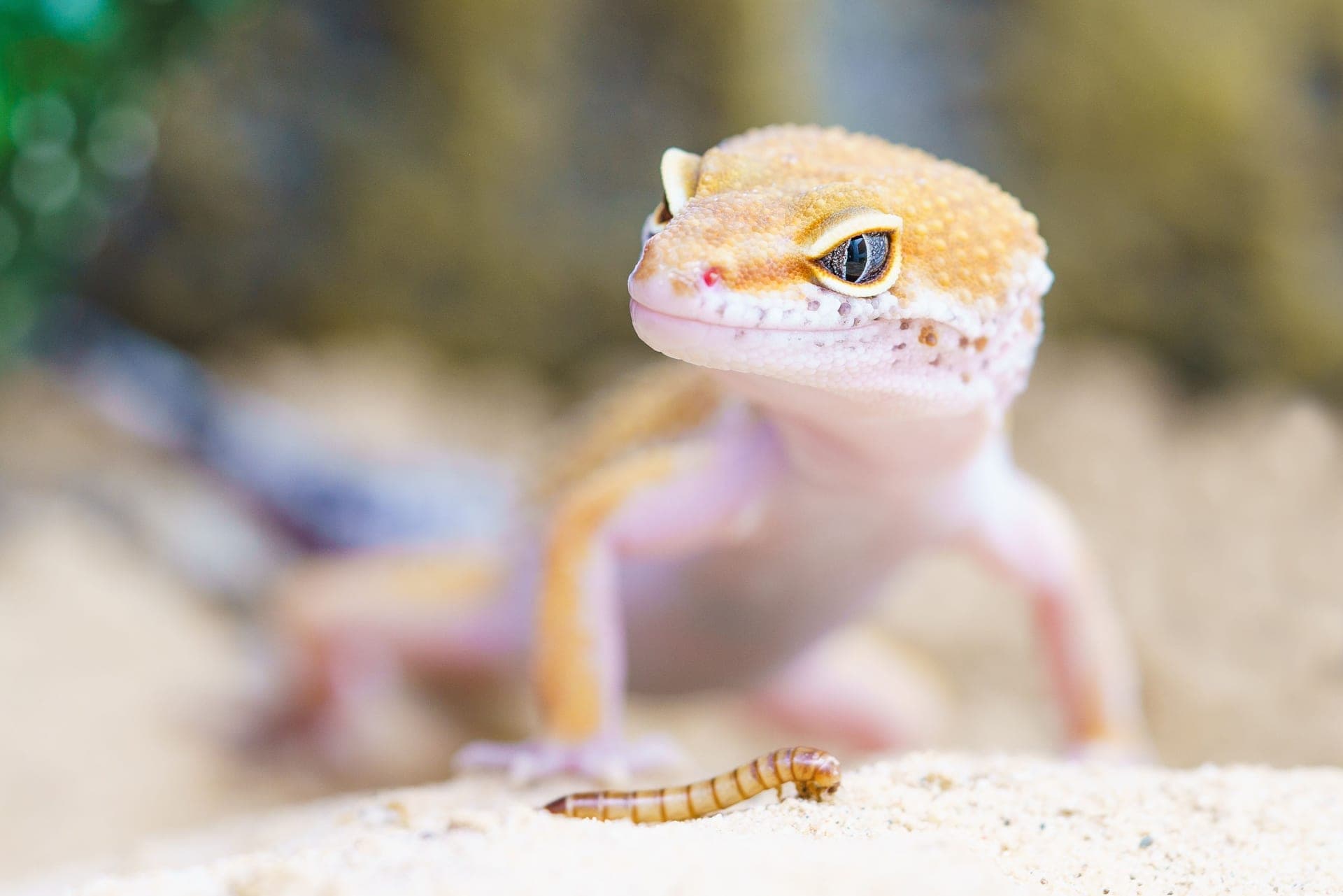
Leopard gecko
Leopard gecko setup checklist
The complete leopard gecko setup checklist with the figure and instrument for each.
Leopard gecko
Leopard gecko temperature and humidity
The published leopard gecko temperature and humidity figures and how to hit them.

Leopard gecko
Leopard gecko setup cost, line by line
The leopard gecko setup line items in priority order, with where not to economize.
Guides
9 beginner reptile setup mistakes that cost the most
The nine setup mistakes that cost beginners the most, and what to buy instead in what order.
Lighting & heat
Best reptile thermostats (2026)
Thermostats ranked by control type, stated accuracy, load ceiling and whether they alarm on failure.