Substrate & safety
Calci Sand review: is calcium sand safe for reptiles?
No, and this is the one product on this site we will not link you to. The calcium carbonate that makes it marketable is the same thing that makes it a named hazard in the care guidance we cite throughout.
By Brijon M.Last updated
No. Calcium sand - sold as Calci Sand, Vita-Sand and similar - is a named hazard in the care guidance this site cites: its calcium carbonate content clumps in the gut and can neutralize stomach acid per the substrate guidance. The vitamin-fortified version is worse rather than better, because adding calcium and vitamins to a substrate encourages an animal to eat it deliberately. It is not the same product as Zoo Med ReptiSand, which is a quartz sand and is not a named hazard. Buy a packed soil-and-sand mix or a coconut husk substrate instead, depending on your species.
Shed & Bask earns a commission from qualifying Amazon purchases made through links on this page. It does not change what we recommend or the order we rank things in. Read the full disclosure.
What calcium sand actually is
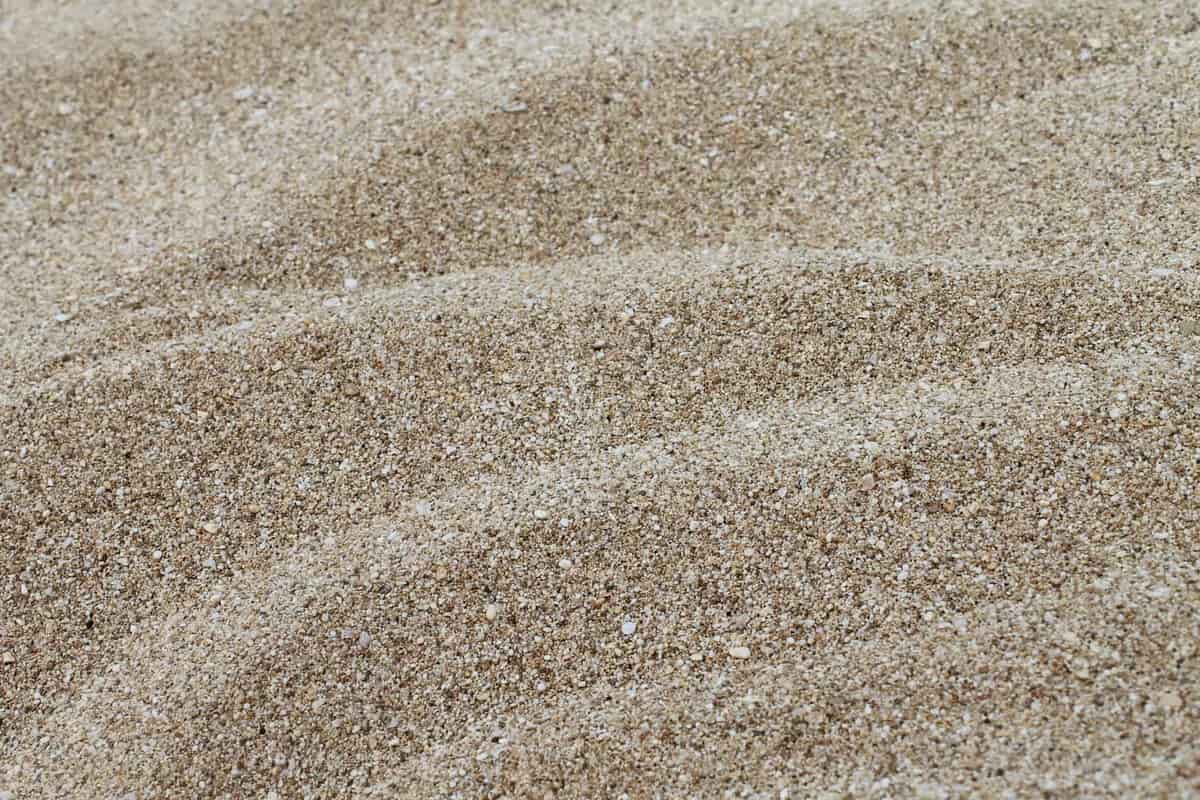
Calcium sand is not sand in the geological sense. Ordinary reptile sand is quartz - silica - which is chemically inert and passes through a digestive tract without reacting with anything. Calcium sand is calcium carbonate, the same compound as chalk and limestone, ground to a sand-like grain and usually dyed into bright colors.
That substitution is the entire product. It is what lets the packaging carry a calcium claim, it is what lets the grains be colored so vividly, and it is what makes the product a hazard. Everything below follows from it.
The two named mechanisms
The substrate guidance we cite across this site names calcium sand and vitamin sand as hazards for two specific, stated reasons in the bearded dragon substrate guidance and repeated in the leopard gecko guidance:
| Mechanism | What happens | Why quartz sand does not do this |
|---|---|---|
| It clumps in the gut | Calcium carbonate binds and sets when wet, so ingested grains can consolidate into a mass rather than passing as individual particles | Silica is inert and non-binding - grains stay separate |
| It neutralizes stomach acid | Calcium carbonate is an antacid. Enough of it in the stomach raises gastric pH, which impairs digestion of actual food | Silica does not react with stomach acid at all |
Read the first row next to a water bowl and the problem becomes concrete: a binder that sets when wet, in an enclosure that contains standing water, a humid hide and an animal that defecates on the floor. The clumping is not a hypothetical in the gut - you can watch it happen in the enclosure.
Vita-Sand: the vitamin version is the worse version
The query "is vita sand good for bearded dragons" deserves a direct answer: no, and specifically it is a worse buy than plain calcium sand rather than an upgrade.
The selling proposition of a vitamin-fortified substrate is that an animal which ingests some of its floor gets a nutritional benefit from doing so. Look at that sentence as a husbandry claim and the problem is obvious: it treats substrate ingestion as a feature to be rewarded. A substrate should be the thing an animal walks on and digs in, and the only thing it should encourage is burrowing. Making the floor taste of supplement gives a dragon a reason to eat it on purpose - layered on top of a material that the guidance already names for clumping and for neutralizing stomach acid.
Calcium belongs in the diet, dusted on insects, in a quantity you control and can stop. It does not belong in a quantity set by how much floor the animal happened to swallow.
It fails a second criterion too: the color
Our substrate criteria ask for natural, undyed material with low enough dust not to be a respiratory risk. Calcium sand is routinely sold in bright colors, and the dye exists for the person buying rather than the animal living on it - no reptile benefits from a red or purple floor, and a dyed grain is one more thing in the enclosure whose composition you cannot account for. For a site whose readers filter on what a product is made of, an unnecessary colorant on a substrate the animal may ingest is a second independent reason to pass.
Which raises the fair question of why it is still stocked everywhere. It is cheap to produce, it photographs well on a shelf, the calcium claim sounds like a benefit to a first-time buyer, and it is bought by exactly the people least equipped to evaluate it - someone setting up a first enclosure from a pet-store display. Wide availability is a retail fact, not evidence of suitability. Our beginner reptile setup mistakes page covers the other purchases that arrive the same way.
The confusion that sends people here: ReptiSand is not calcium sand
A large share of the searches behind this page are really asking which Zoo Med sand is which, because the brand sells more than one and the names look alike on a shelf.
| Product | What it is | Named hazard? |
|---|---|---|
| Calci Sand and similar calcium sands | Calcium carbonate, usually dyed | Yes - clumping and acid neutralization |
| Vita-Sand and other fortified calcium sands | Calcium carbonate plus added vitamins | Yes - same chemistry, plus it encourages ingestion |
| Zoo Med ReptiSand | Natural quartz sand, undyed | No - but it is a mix component, not a standalone substrate |
| Play sand | Quartz, construction grade | Not a chemical hazard; named as the dustiest option |
If you came here having already bought ReptiSand, you have the inert product rather than the hazard, and our Zoo Med ReptiSand review covers the one condition that decides whether it works - it is the sand fraction of a packed burrowing mix, not a substrate on its own. The four-way comparison across the whole sand category is in is sand safe for reptiles.
What to buy instead
The substrate decision is made by your species moisture requirement, not by what is cheapest on the shelf. Our published substrate criteria score every option on named hazards, usable depth, the species moisture target, whether the material is natural and undyed, and whether there is a stated maintenance interval - and calcium sand fails the first of those outright.
For an arid burrowing species - a bearded dragon or a leopard gecko - you want a soil-and-sand mix that holds a burrow at the published depth without holding water. A ready-mixed bioactive arid kit does this out of the bag; excavator clay does it when you want a mix that will hold a tunnel shape structurally.
For an arid species, ready mixed
The BioDude Terra Sahara Bioactive Substrate Kit
A bioactive arid substrate kit: natural, undyed, no calcium carbonate binder, and usable at the 4-6 in packed depth a burrowing species needs.
For a burrow that holds its shape
Zoo Med Excavator Clay Burrowing Substrate
Gives a sand and soil mix the structure to hold a tunnel, which is the behavior calcium sand is wrongly bought for.
For a humidity-dependent species - a ball python or a crested gecko - sand of any kind is the wrong category. You want a substrate that absorbs and releases moisture, with moss for the humid hide.
For a humid species
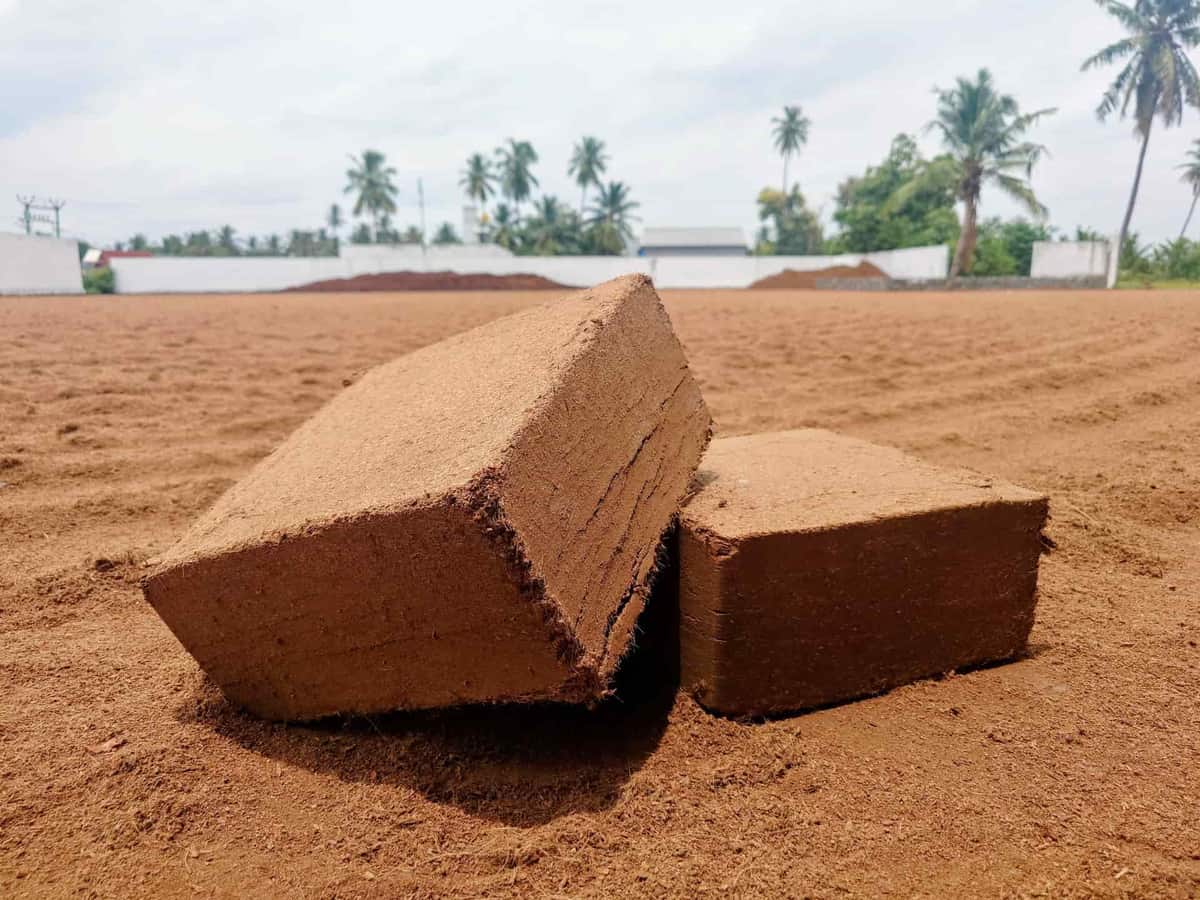
Coconut Husk / Cypress Mulch Humid Substrate
Holds and releases moisture rather than standing water, which is what a tropical species needs and what no sand product provides.
For the humid hide specifically
Sphagnum Moss
Cheap, replaceable, and holds moisture by design - the correct way to give a dry-enclosure animal a damp retreat.
If your animal is already on calcium sand
Change it, and do not wait for a symptom to justify the change. Take the substrate out completely rather than topping it with something better, because the calcium carbonate layer underneath is still a binder and the animal still digs. Then check the two things the guidance identifies as the real upstream causes of gut trouble: that the basking surface is at its published figure, and that the animal is properly hydrated. Cleaning and replacing substrate covers the strip-out, and how to clean a reptile enclosure covers doing it without leaving residue behind.
If the animal is showing signs of being unwell - not passing waste, lethargy, loss of appetite - that is a veterinary question and not a substrate question. This site publishes husbandry figures and product assessments; it claims no veterinary credential and does not diagnose.
The verdict
Do not buy it. There is no species on this site for which calcium sand is the correct substrate, and there is no price at which a named hazard becomes a good purchase. This is the rare product where our selection criteria produce a flat no rather than a ranking, and we would rather say so than build a page that ranks four brands of it.
For the full ranked substrate list, see best reptile substrate. For the depth figures, see substrate depth. And for the per-species picks, see bearded dragon substrate and best substrate for a leopard gecko.
Frequently asked questions
Is Calci Sand safe for reptiles?
No. The care guidance names calcium sand as a hazard because its calcium carbonate content clumps in the gut and can neutralize stomach acid. That is a property of the material, so it applies to every brand of calcium sand rather than to one product.
Is Vita-Sand good for bearded dragons?
No, and it is a worse choice than plain calcium sand. It is the same calcium carbonate material, with added vitamins that give the animal a reason to eat the substrate deliberately. Dust calcium onto food, where you control the dose.
Is calcium sand safe for leopard geckos?
No - the leopard gecko substrate guidance names it for the same reasons as the dragon guidance. A leopard gecko wants a packed soil-and-sand mix it can burrow in, with a separate humid hide. See best substrate for a leopard gecko.
Is ReptiSand the same as Calci Sand?
No. ReptiSand is a natural quartz sand, which is chemically inert and not a named hazard; Calci Sand is calcium carbonate, which is. They sit on the same shelf and behave completely differently.
What sand is safe for lizards?
Fine, natural, undyed quartz sand appears in published naturalistic mixes and is not a named hazard - but it belongs in a packed soil-and-sand mix rather than loose on its own. Avoid calcium sand, vitamin sand and dusty play sand. See is sand safe for reptiles.
Sources
- Bearded Dragon Substrate Options — ReptiFiles
- Leopard Gecko Substrate Options — ReptiFiles
- Ball Python Substrate Options — ReptiFiles
- ReptiSand Desert White product information — Zoo Med Laboratories
- Bearded Dragon Temperatures & UVB Requirements — ReptiFiles
Read next
Hub
Reptile substrate and enclosure material safety
What the enclosure is made of, sealed with and floored with. This is the part of reptile keeping with the most confident advice and the least cited evidence.
Substrate & safety
Is sand safe for reptiles?
Which sands are named as hazards, which appear in published mixes, and what the impaction evidence says.
Substrate & safety
Zoo Med ReptiSand review: is it good for bearded dragons?
A single-product review of Zoo Med ReptiSand: the manufacturer's claims, the impaction evidence, the mix it belongs in, and who should not buy it.
Substrate & safety
Reptile impaction risk: what the evidence identifies
The published causes of impaction, the named hazard substrates, and how to prevent it.
Substrate & safety
Best reptile substrate (2026), by species and risk
Substrates judged against named hazards, usable depth and the species moisture target.
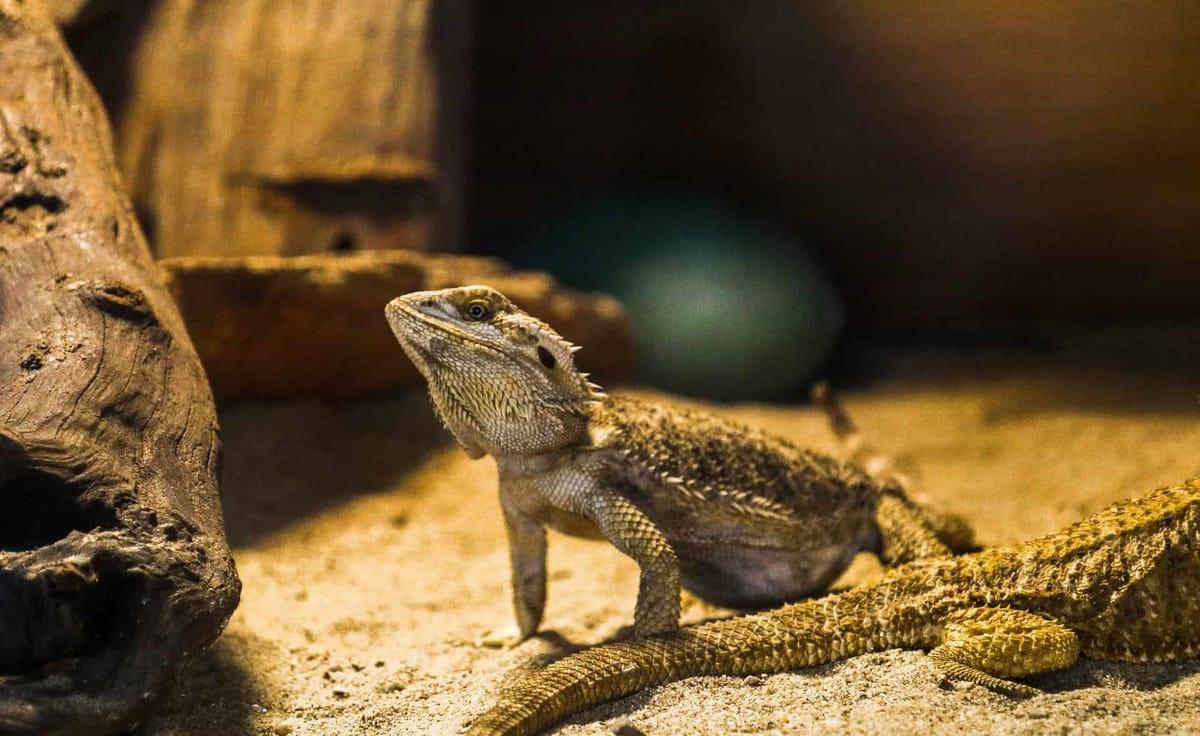
Bearded dragon
Bearded dragon substrate
The published dragon substrate mix, depth figure and named hazards.