Substrate & safety
Zoo Med ReptiSand review: is it good for bearded dragons?
Yes, with one condition that decides everything: it is the sand fraction of a packed burrowing mix, not a substrate on its own. Here is what Zoo Med publishes, what the care references say, and where this product genuinely fails.
By Brijon M.Last updated
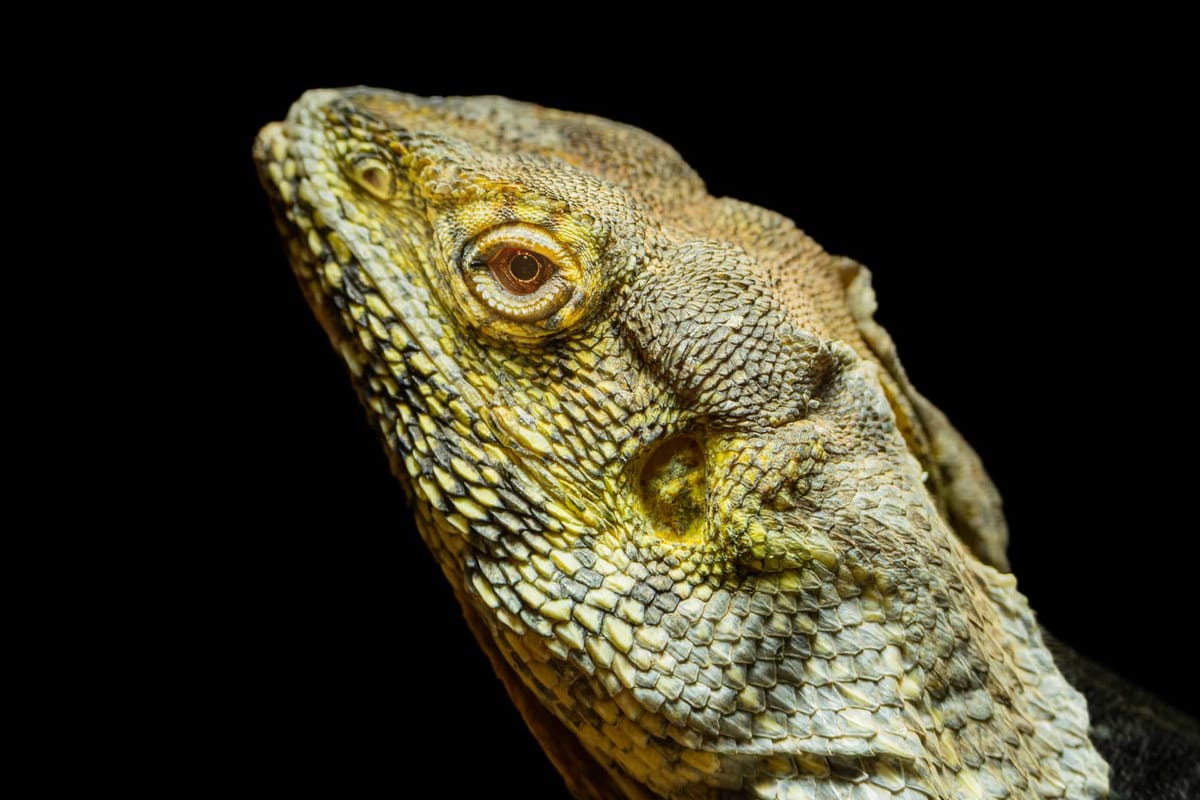
ReptiSand is good for an adult bearded dragon as the sand component of a mix, packed 4-6 in deep so it holds a burrow - and poor as a thin layer of loose sand on its own. It is quartz sand, not calcium sand: Zoo Med states the colors are natural with no added dyes or chemicals, and the bearded dragon substrate guidance names ReptiSand among the quality sands while rejecting calcium sand outright. It is the wrong product for a crested gecko, a ball python, and any animal that is underweight or unwell.
Shed & Bask earns a commission from qualifying Amazon purchases made through links on this page. It does not change what we recommend or the order we rank things in. Read the full disclosure.
What you are actually buying
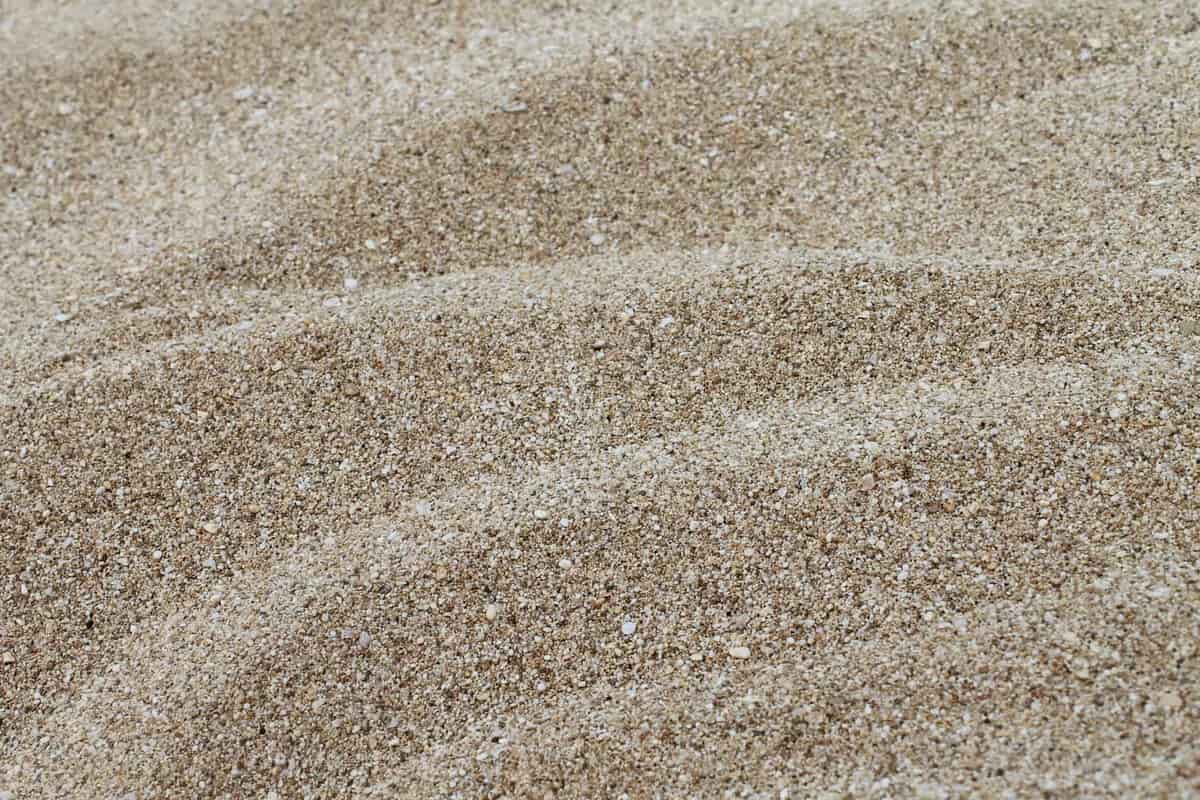
ReptiSand is a fine natural sand sold in 10 lb and 20 lb bags in two colors, Desert White and Natural Red. Zoo Med's own description is short enough to quote in full on the points that matter: the colors are natural sand colors with no added dyes or chemicals, the product stimulates natural digging and burrowing behavior and is an excellent heat conductor, and it is great for Bearded Dragons, Sand Boas, soft-shell turtles, etc. per Zoo Med's product information.
Three things are worth noticing about that copy. It makes no calcium claim, because there is no calcium in it - this is not Vita-Sand, Reptilite or any other calcium carbonate sand, and the distinction is the single most important fact on this page. It claims heat conduction, which is true and useful under a basking zone. And it claims burrowing stimulation, which is only half true: sand alone will not hold a tunnel, a point we come back to below because it is where most ReptiSand setups go wrong.
The impaction question, with the actual evidence
Search "is ReptiSand safe" and you will find a decade of forum posts saying sand causes impaction. The current care guidance says the opposite in plain terms - sand does not cause impaction - and points at a 2017 retrospective survey of 529 captive bearded dragon patients in which impaction cases were rare despite most animals being housed on loose substrate, and were attributed to underlying conditions such as parasites and metabolic bone disease rather than to the substrate in the bearded dragon substrate guidance, citing the 2017 survey.
The practical reading is not "sand is harmless." It is that a healthy adult dragon passes incidental grains, and an unhealthy one has a problem that sand can expose. So the risk assessment is about the animal, not the bag: if your dragon is underweight, has not been fecal-tested, or shows any sign of metabolic bone disease, fix that before you change the substrate. Our impaction risk page works through the warning signs, and is sand safe for reptiles covers the generic version of this question across species.
Where ReptiSand is genuinely good: as 50% of a mix
The bearded dragon guidance does not recommend sand alone. It recommends a naturalistic blend - roughly 50% sand (preferably very fine), 30% organic topsoil, 20% Zoo Med Excavator Clay - packed 4-6 in deep for best results in the substrate guidance. That is exactly the job ReptiSand is built for: it is very fine, it is undyed, and it is the component that makes the mix diggable rather than cloddy.
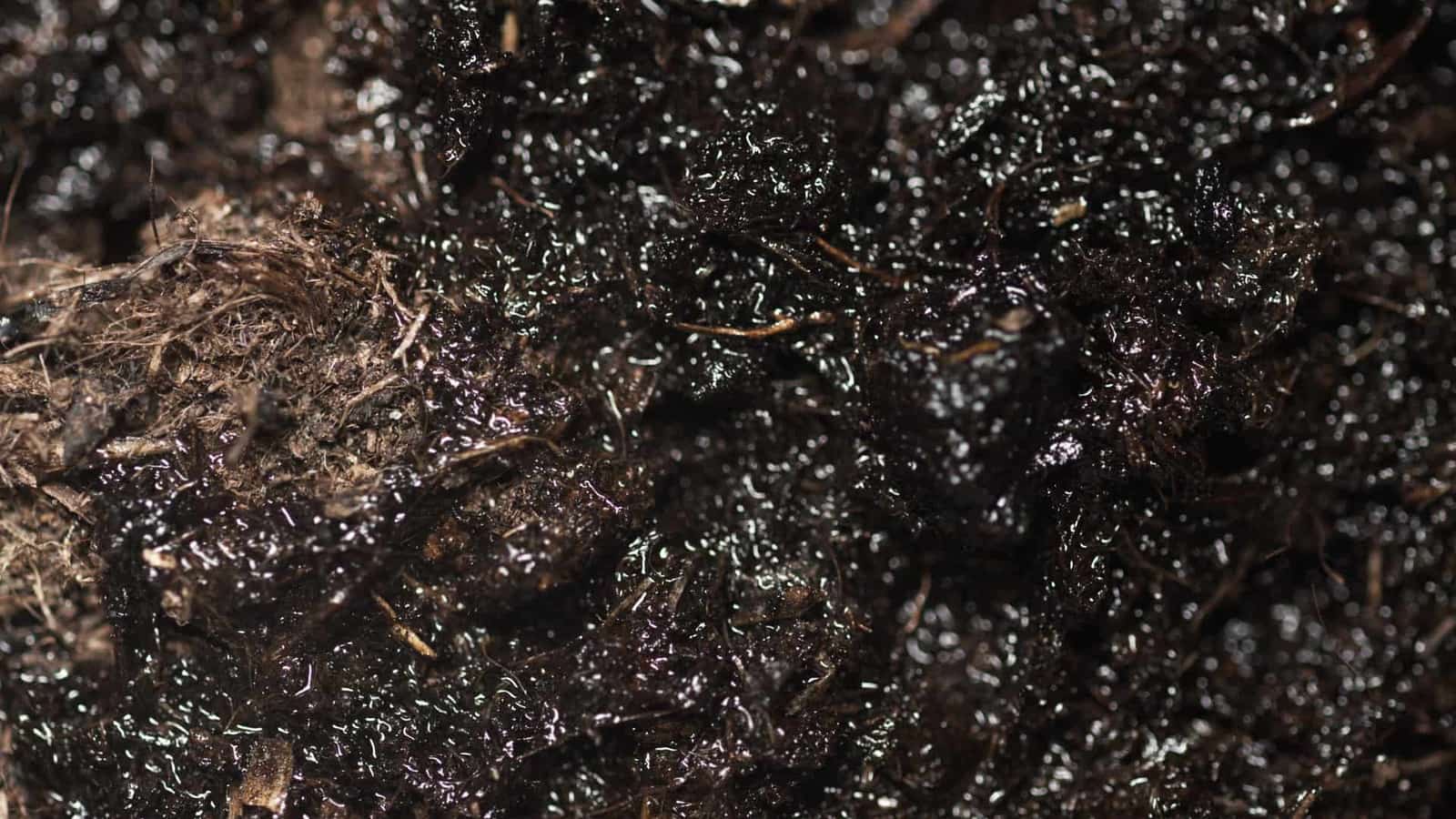
The clay is what makes a burrow stay up, the topsoil holds the small amount of moisture that keeps a tunnel from collapsing, and the sand keeps the whole thing loose enough for an animal to work. Leave the sand out and you get a surface that cracks; leave the clay out and you get the setup most people actually have, which is a sand tray a dragon scrapes at without ever being able to dig. Burrowable sand and soil mix packed 4-6 in deep. Never calcium sand is how the guidance summarizes the target.
| What the guidance asks for | Figure | What that means for a ReptiSand order |
|---|---|---|
| Depth, packed | 4-6 in | About 2.7 cubic feet of mix at 4 in across a 48 x 24 in floor |
| Sand share of the mix | About 50%, very fine | ReptiSand sells in 10 lb and 20 lb bags - several bags, not one |
| Soil share | About 30%, organic topsoil | The cheapest ingredient by volume, bought from a garden center |
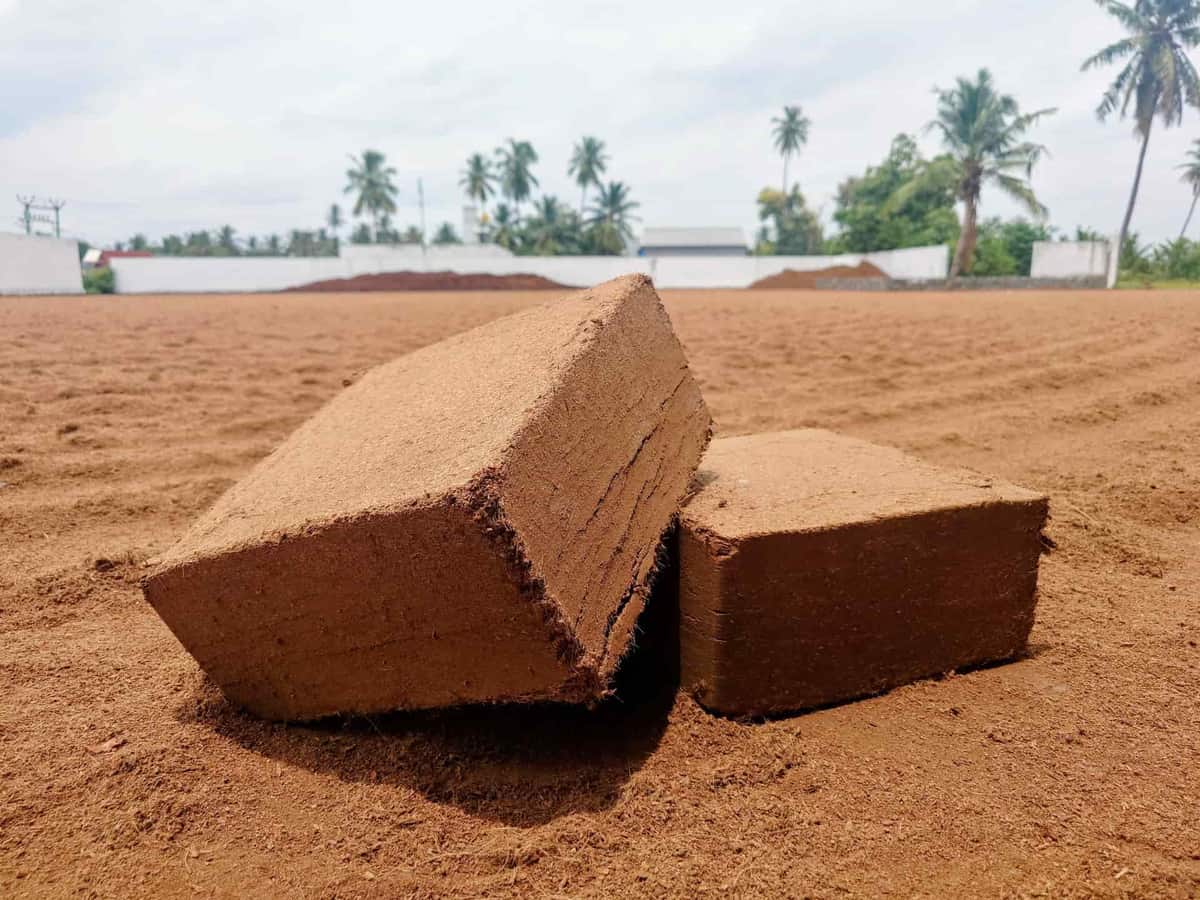
| Clay share | About 20%, Excavator Clay | Sold dry and mixed with water, so it is bought by weight too |
| Full replacement | Every 3-6 months for a loose mix | Budget it as a recurring cost, not a one-off |
That table is also the honest cost warning. Filling a 4 x 2 x 2 ft floor to the published depth out of 20 lb bags of branded sand is an expensive way to do it, and it is why the recommended blend is half topsoil and clay rather than all sand. Our substrate depth page has the volume arithmetic for the other enclosure sizes.
What this product does badly
- It does not hold a burrow on its own. Zoo Med's burrowing claim needs the clay component to be true in practice. Sold alone, as it usually is, the product oversells what a bag of sand can do.
- Fine sand is dusty when dry. Less so than play sand, which the guidance calls the dustiest of them all, but enough that a bone-dry sand-only surface in a well-ventilated enclosure puts dust in the air. The soil and clay in the mix are part of the fix.
- Zoo Med publishes no grain size. "Very fine" is the guidance's requirement and the product meets it in practice, but there is no specification on the page to hold them to, so we cannot score it against a number.
- It is the wrong substrate for three of the four species we cover. That is not a defect, it is a scope limit - see the species table below.
- Loose substrate needs replacing on a schedule. Spot-clean daily, full replacement every few months. Our cleaning and replacing guide has the routine.
Who should not buy it
| Species | Published substrate requirement | ReptiSand? |
|---|---|---|
| Bearded dragon | Burrowable sand and soil mix packed 4-6 in deep. Never calcium sand | Yes - as the sand half of the mix, packed 4-6 in |
| Leopard gecko | Naturalistic sand and soil mix, or a bare quarantine surface. Never calcium sand | Yes, in a mix - and never as bare loose sand for a hatchling or an unwell animal |
| Ball python | Moisture-retentive and ventilated, deep enough to burrow without holding standing water | No - the species needs moisture retention, which sand works against |
| Crested gecko | Moisture-retentive, bioactive-capable mix that dries back between mistings | No - a tropical planted setup needs a moisture-retentive mix |
For the two gecko species the detail matters more than the yes or no. A leopard gecko sits at a published humidity of 30-40% ambient, with a humid hide at 70-80%, so a dry sand-and-soil mix suits it - but the same health caveat applies, and a quarantine or hospital setup should be a bare surface rather than loose substrate. We cover the species choice on best substrate for a leopard gecko. A crested gecko at 60-80%, allowed to dry back to 40-50% between mistings needs the opposite material entirely.
The alternatives, and when each one wins
Zoo Med Excavator Clay is not a competitor to ReptiSand, it is the other half of the recommendation - the component that lets a tunnel stand up. If you are buying sand for a dragon and not buying clay, you have bought the less important of the two.
The BioDude Terra Sahara is the pre-blended route: a bioactive-capable arid kit that arrives mixed, which costs more per cubic foot and removes the part people get wrong. For a first naturalistic dragon setup it is the lower-risk purchase, and we compare the bioactive options on best bioactive substrate.
Play sand is the cheap alternative people reach for, and the guidance calls it the dustiest of them all. It is also unwashed and inconsistent in grain size. The saving is real; so is the reason not to take it. Reptile carpet is the other common substitute and the one we recommend least - see reptile carpet vs loose substrate.
The sand half of the mix
Zoo Med ReptiSand
Fine, undyed quartz sand named in the bearded dragon substrate guidance - buy it with the clay, not instead of it.
The part that makes the burrow hold
Zoo Med Excavator Clay Burrowing Substrate
About 20% of the recommended blend, and the component that turns a sand tray into something a dragon can actually dig.
If you would rather not mix it yourself
The BioDude Terra Sahara Bioactive Substrate Kit
A pre-blended arid kit: more expensive per cubic foot, and it removes the ratio people most often get wrong.
Verdict
Buy ReptiSand if you keep a healthy adult bearded dragon and you are building the recommended sand, soil and clay mix to a packed depth of 4-6 in. In that job it is a well-specified product doing something the care guidance explicitly asks for, and the impaction fear attached to it belongs to a different product on the same shelf. Do not buy it as a standalone substrate, do not buy it for a crested gecko or a ball python, and do not put any loose substrate under an animal whose health you are unsure of. Our best reptile substrate roundup ranks the full set, and bearded dragon substrate walks the mix build step by step.
The product this one is most often confused with is not inert at all. Calci Sand review covers the calcium carbonate sands - Calci Sand, Vita-Sand and the rest of the class - and why they are named hazards where this quartz sand is not.
Frequently asked questions
Is ReptiSand good for bearded dragons?
Yes, for a healthy adult, as the sand component of a mix packed 4-6 in deep - the bearded dragon substrate guidance names ReptiSand among its quality sand options and recommends roughly 50% very fine sand, 30% organic topsoil and 20% Excavator Clay. As a thin layer of loose sand on its own it is a poor substrate, because nothing holds a burrow.
Is ReptiSand the same as calcium sand?
No, and this is the distinction that matters most. ReptiSand is natural quartz sand which Zoo Med states has no added dyes or chemicals. Calcium sands such as Vita-Sand and Reptilite contain calcium carbonate, which the care guidance says leads to impaction if ingested. The impaction warnings you have read are mostly about those products.
Is ReptiSand the same as play sand?
No. Play sand is unwashed, inconsistent in grain size and described in the bearded dragon substrate guidance as the dustiest of them all. ReptiSand is a washed, graded, undyed reptile sand. Play sand is cheaper and that is its only advantage here.
Is ReptiSand good for leopard geckos?
In a mix, yes - a leopard gecko's published humidity range is 30-40% ambient, with a humid hide at 70-80%, so a dry sand-and-soil blend suits the species. Not as bare loose sand, and not for a hatchling, a new arrival in quarantine or any animal that is underweight or undiagnosed. See best substrate for a leopard gecko.
How deep should ReptiSand be, and how often do you replace it?
Pack the mix 4-6 in deep, which is the depth the bearded dragon guidance gives for burrowing. Spot-clean daily and plan a full replacement every 3-6 months for any loose substrate. Our substrate depth page has the volume figures per enclosure size.
Does ReptiSand cause impaction?
The current guidance says sand does not cause impaction, citing a 2017 survey of 529 captive bearded dragon patients in which impaction was rare despite most animals living on loose substrate and was attributed to parasites and metabolic bone disease rather than to the substrate. A healthy adult passes incidental grains. An animal that is already unwell is the risk factor, not the bag.
Sources
- ReptiSand Desert White product information — Zoo Med Laboratories
- Bearded Dragon Substrate Options — ReptiFiles
- A survey of diseases in captive bearded dragons: a retrospective study of 529 patients (Schmidt-Ukaj et al., 2017) — Veterinarni Medicina
- Leopard Gecko Substrate Options — ReptiFiles
- Crested Gecko Substrate Options — ReptiFiles
- Ball Python Substrate Options — ReptiFiles
Read next
Hub
Reptile substrate and enclosure material safety
What the enclosure is made of, sealed with and floored with. This is the part of reptile keeping with the most confident advice and the least cited evidence.
Substrate & safety
Is sand safe for reptiles?
Which sands are named as hazards, which appear in published mixes, and what the impaction evidence says.
Substrate & safety
Reptile impaction risk: what the evidence identifies
The published causes of impaction, the named hazard substrates, and how to prevent it.
Substrate & safety
How much substrate do you need?
Published substrate depths and the volume formula to work out what to order.
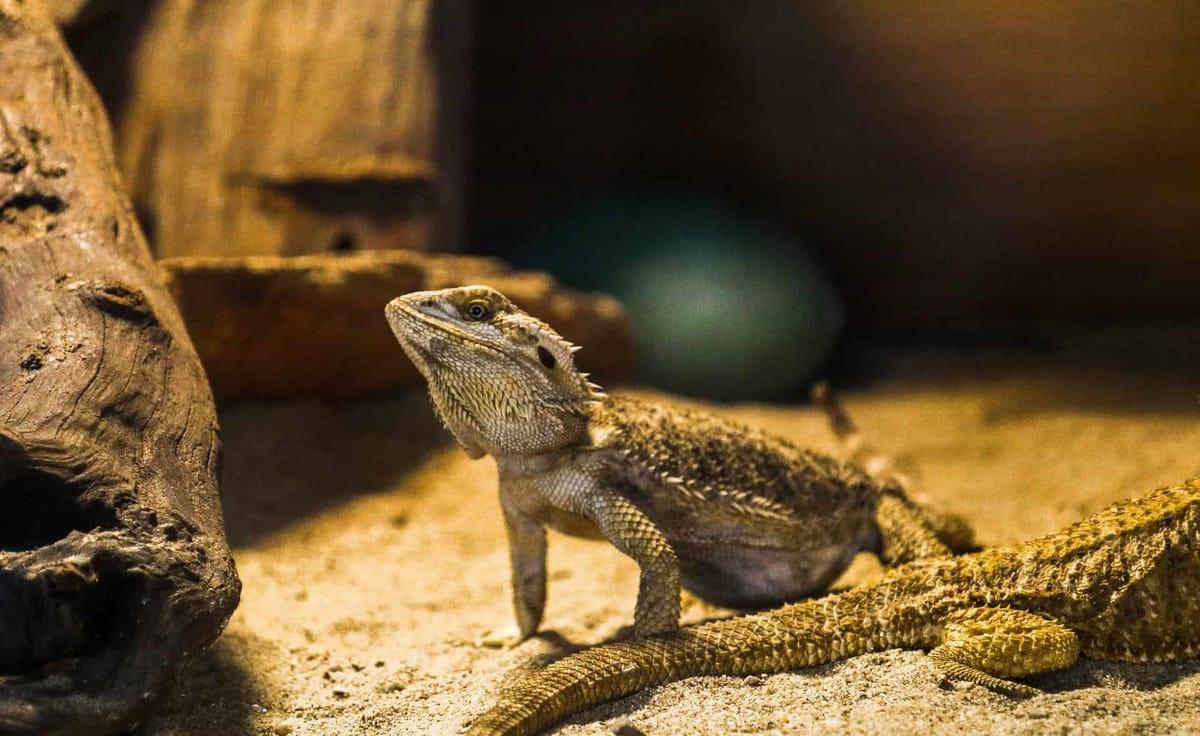
Bearded dragon
Bearded dragon substrate
The published dragon substrate mix, depth figure and named hazards.
Substrate & safety
Best bioactive substrate for reptiles (2026), by species
Bioactive substrates scored on hazards, burrow depth and moisture, split into arid and tropical builds.