Guides
How to increase humidity in a reptile enclosure
Humidity is a structural problem before it is an equipment problem. Fix the lid and the substrate first, because everything you spray into a screen-topped tank leaves through the screen.
By Brijon M.Last updated
Raise humidity in a reptile enclosure in this order: cover part of the screen top or switch to a solid-lidded enclosure, change to a moisture-retentive substrate at the published depth, move the water dish toward the warm end, add a moss-packed humid hide, and only then mist. Measure at animal height with a probe, never with a stick-on dial, and keep airflow - standing damp with no ventilation causes scale rot.
Shed & Bask earns a commission from qualifying Amazon purchases made through links on this page. It does not change what we recommend or the order we rank things in. Read the full disclosure.
Work down this list, not up it
Almost everyone starts at the bottom - misting more, then a fogger - and then wonders why the reading falls back within an hour. A screen-topped glass tank vents warm, moist air upward continuously. Water you add to it is leaving as fast as you add it, which is why misting feels like effort with no result.
The fixes that hold are the structural ones, and they are the ones that cost nothing per day once they are done.
1. The lid, which is most of the answer
A full screen top is the single biggest humidity leak in the hobby. Covering a portion of it - with a cut acrylic or glass panel, not foil over a hot lamp - cuts the loss immediately and is reversible in seconds. Leave a clear run of open mesh for airflow and for the lamp.
If you are buying rather than patching, a solid-topped PVC enclosure solves this structurally. That is the whole argument for PVC over glass for a humidity species, and it is why our best enclosures for humidity page exists. The lid trade-off is covered in detail on Zen Habitats vs Dubia and on enclosure ventilation.
2. Substrate, at depth, and chosen for moisture behavior
Substrate is a reservoir. A moisture-retentive material at the published depth absorbs water and releases it slowly, which is what turns a spike into a stable range. Coconut husk and cypress mulch do this well. Reptile carpet does not do it at all, and neither does a thin layer of anything.
Depth matters as much as material: a 1 in layer dries out in hours. For a burrowing species the figure is a 4-6 in packed layer per the substrate guidance. See substrate depth and best reptile substrate.
3. Water placement, which is free
Move the water dish toward the warm end. Evaporation rises with temperature, so the same dish at the warm end lifts ambient humidity noticeably more than it does at the cool end. A wider, shallower dish evaporates more than a tall narrow one of the same volume.
Do not put it directly under the basking lamp. You want evaporation, not a dish that needs refilling twice a day and a basking surface sitting in a steam plume.
4. A humid hide, for the species that need a pocket rather than a room
This is the correct answer for a leopard gecko and it is frequently confused with the ambient question. A leopard gecko's published figures are 30-40% ambient, with a humid hide at 70-80% - a dry enclosure with a wet box in it. Raising the whole enclosure to 70% would be wrong for the species; packing one hide with damp sphagnum moss gives the animal the shedding humidity it needs on demand.
| Species | Published humidity target | Main lever | Watch for |
|---|---|---|---|
| Leopard gecko | 30-40% ambient, with a humid hide at 70-80% | A moss-packed humid hide, not ambient humidity | Raising the whole enclosure is the wrong fix |
| Crested gecko | 60-80%, allowed to dry back to 40-50% between mistings | Solid or partly covered lid, deep husk substrate, misting cycle | It must dry back between mistings |
| Ball python | Tropical savanna range. Raise it for sheds, ventilate to prevent scale rot | Solid lid and moisture-retentive substrate at depth | Standing damp with no airflow causes scale rot |
| Bearded dragon | 30-60% ambient average | Usually nothing - this species wants it low | Over-misting an arid enclosure causes respiratory problems |
5. Misting, and what a fogger is actually for
Misting is a cycle, not a baseline. For a crested gecko the published pattern is 60-80%, allowed to dry back to 40-50% between mistings - spike it with a heavy mist, let it dry back, repeat. That drying-back phase is part of the requirement, not a failure to maintain humidity, and a fogger running continuously removes it.
A fogger or automatic mister is worth buying when the structural fixes are already done and you need the cycle to happen while you are at work. Buying one to compensate for a screen top is paying a daily electricity cost to work around a problem a panel of acrylic would have solved. When you do reach that point, best reptile foggers and misters scores four units on whether they can schedule the dry-back at all - which is the criterion that separates a mister from a fogger.
Measure it properly or you are guessing
A stick-on analog dial on the glass at mid-height is not measuring where the animal is, and those dials are frequently far out. Use a digital unit with a remote probe and put the probe where the figure is stated: at the basking branch for a crested gecko, inside the humid hide when you are checking a humid hide, at substrate level for a snake.
Our meter roundup covers what to buy, and how to measure basking temperature covers the method for the temperature side of the same job.
The reservoir, at depth
Coconut Husk / Cypress Mulch Humid Substrate
Absorbs and releases moisture rather than holding standing water, which is what turns a misting spike into a stable range.
Measure where the animal is
Zoo Med Digital Thermometer and Humidity Gauge
A remote probe at animal height, because a stick-on dial on the glass is measuring neither the hide nor the basking zone.
If your problem is the opposite one, how to lower humidity in a reptile enclosure works the same kind of fixes in reverse. The temperature figures that must not move to serve a hygrometer are in what temperature should a reptile enclosure be, and if a damp enclosure has started to smell, how to clean a reptile enclosure covers the routine and the rinse-and-dry rule.
Frequently asked questions
How do I raise humidity in a reptile tank with a screen top?
Cover part of the screen with a cut acrylic or glass panel, leaving a clear run for the lamp and for airflow. Then switch to a moisture-retentive substrate at the published depth and move the water dish toward the warm end. Misting alone will not hold against an open screen.
Is it bad to spray a reptile enclosure every day?
Not for a species whose published range is a cycle - a crested gecko at 60-80%, allowed to dry back to 40-50% between mistings is meant to be misted and then dry back. It is wrong for an arid species: over-misting a bearded dragon enclosure at 30-60% ambient average risks respiratory problems.
What humidity does a ball python need?
Tropical savanna range. Raise it for sheds, ventilate to prevent scale rot, per the published figures. The two halves matter equally: raise it for a shed, and keep air moving so the enclosure never sits as still standing damp.
Do I need a fogger for a reptile enclosure?
Only after the lid and substrate are right, and mainly to run the misting cycle while you are out. A fogger fighting an open screen top is a daily running cost standing in for a one-time structural fix.
Sources
- Ball Python Humidity & Temperature Requirements — ReptiFiles
- Crested Gecko Temperatures & Humidity — ReptiFiles
- Leopard Gecko Temperatures & Humidity — ReptiFiles
- Bearded Dragon Substrate Options — ReptiFiles
Read next
Hub
Reptile enclosure guides and comparisons
The cross-species decisions: what material to buy, how big it has to be, whether to build it yourself, and which beginner mistakes are expensive.
Guides
Best reptile foggers and misters
Four reptile misters and foggers scored on scheduled interval and duration, published reservoir, dry-run safety and nozzle coverage.
Guides
Best reptile enclosures for humidity (2026)
Enclosures judged on whether they hold the species humidity target without constant intervention.
Guides
Reptile enclosure ventilation
How much ventilation an enclosure needs, where to place it for cross-flow, and the failures at each extreme.

Substrate & safety
Best reptile substrate (2026), by species and risk
Substrates judged against named hazards, usable depth and the species moisture target.
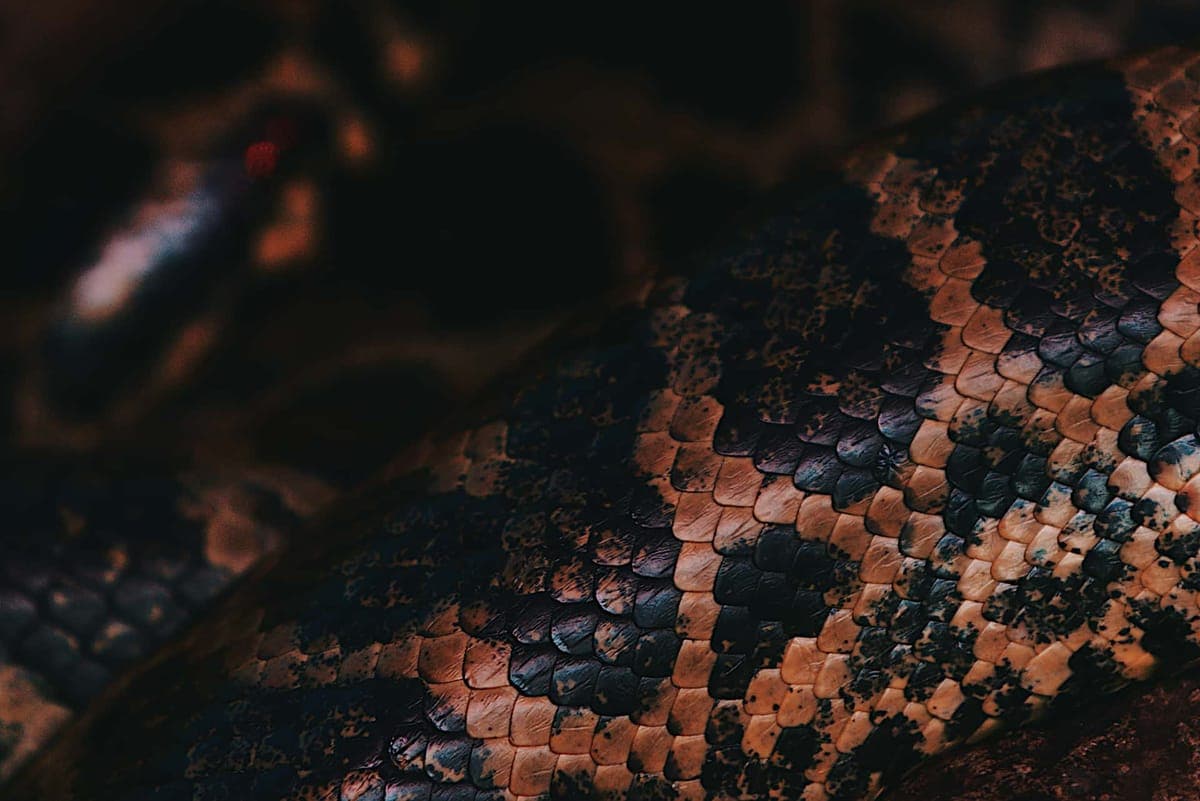
Ball python
Ball python temperature and humidity
Ball python temperature and humidity, and why ventilation is part of the humidity system.