Bearded dragon
Building a bearded dragon enclosure vs buying one
DIY makes real sense here, because the size the current standard asks for is hard to buy. It also brings the whole material-safety problem with it.
By Brijon M.Last updated
Build if you want the 72 x 24 x 24 in / 24 cubic feet the current published minimum asks for - that size is genuinely hard to buy. Buy if 48 x 24 x 24 in suits your animal, because a commercial PVC enclosure has already solved the sealing, the doors and the lamp mounting.
Shed & Bask earns a commission from qualifying Amazon purchases made through links on this page. It does not change what we recommend or the order we rank things in. Read the full disclosure.
Why DIY has a stronger case for this species than most
For a leopard gecko or a crested gecko, the published minimum is a standard commercial size and there is nothing to build around. For a bearded dragon at the current published minimum of 6 ft L x 2 ft W x 2 ft H (1.8 x 0.6 x 0.6 m), or 24 cubic feet of internal volume, the market thins out considerably. Six-foot enclosures exist but are specialist, large to ship and expensive. That is a real reason to build rather than a hobbyist preference.
What the build has to deliver
| Requirement | Figure | Why |
|---|---|---|
| Internal footprint | 72 x 24 x 24 in, or 24 cubic feet | Current published adult minimum |
| Height above basking platform | At least 11 in to the lamp through mesh | Arcadia Desert 12% published distance |
| Substrate depth below the door line | 4-6 in packed | Published burrowing depth |
| Interior coating service temperature | Above 108-113 F | Basking surface figure |
| Ventilation | Mesh panels plus a mesh lamp area | 30-60% ambient humidity, and lamp heat dissipation |
The interior is the hard part, not the carpentry
Cutting panels square is a skill problem you can solve with a straight edge. Sealing an interior that holds waste, gets disinfected twice a year and sits under a basking lamp is a materials problem, and it is the one that can harm the animal.
Structural joints
Titebond III Ultimate Wood Glue
Waterproof PVA for wood-to-wood joints, with water clean-up and no solvent exposure during the build. Clamp, cure, then seal over it.
Waterproofing the interior
Pond Armor Pond Shield Non-Toxic Epoxy
Stated service range -78 F to 140 F, which clears a 108-113 F basking surface with margin. Full cure up to 7 days, and nothing goes in before it completes. No NSF/ANSI 61 certification found - the non-toxic claim is the manufacturer's own.
Seams
100% RTV Silicone Sealant (aquarium grade)
100% RTV silicone, no mildewcide. Kitchen and bathroom tubes usually contain one and must not be used.
Materials to avoid for the interior
- Cedar and pine - aromatic softwoods are not interior enclosure materials.
- Pressure-treated timber.
- Any silicone or paint carrying a mildew-resistance or antimicrobial claim.
- Any coating with no published service temperature, anywhere the basking lamp heats.
Pick build if, pick buy if
- Build if you want 6 x 2 x 2 ft, you own or can borrow a saw and clamps, and you can leave the enclosure curing for a week before the animal moves in.
- Buy if 48 x 24 x 24 in suits your dragon, you want it this week, or you would rather not take on the sealing decisions. The roundup is here.
The general build-versus-buy guide has the cross-species version, including the cost line items most DIY comparisons omit.
Frequently asked questions
How do you build a bearded dragon enclosure?
Build the carcass from a stable sheet good with waterproof PVA and mechanical fasteners, fit ventilation panels and front-opening doors, seal every interior seam with 100% silicone, coat the interior with a finish rated above 113 F, and let everything reach full cure before the dragon goes in.
Is it cheaper to build a bearded dragon enclosure?
At the standard 4x2x2 size, often not once you count doors, hardware, sealant and coating. At 6 x 2 x 2 ft it usually is, because there is very little to compare against commercially.
What wood is safe for a bearded dragon enclosure?
A stable sheet good such as birch plywood or melamine, sealed so the surface the animal contacts is the coating rather than the timber. Avoid cedar, pine and pressure-treated wood for interiors.
Sources
- Bearded Dragon Terrarium Size Requirements — ReptiFiles
- Bearded Dragon Temperatures & UVB Requirements — ReptiFiles
- Pond Shield Non-Toxic Epoxy product information — Pond Armor
- Volatile Organic Compounds' Impact on Indoor Air Quality — U.S. Environmental Protection Agency
Read next
Hub
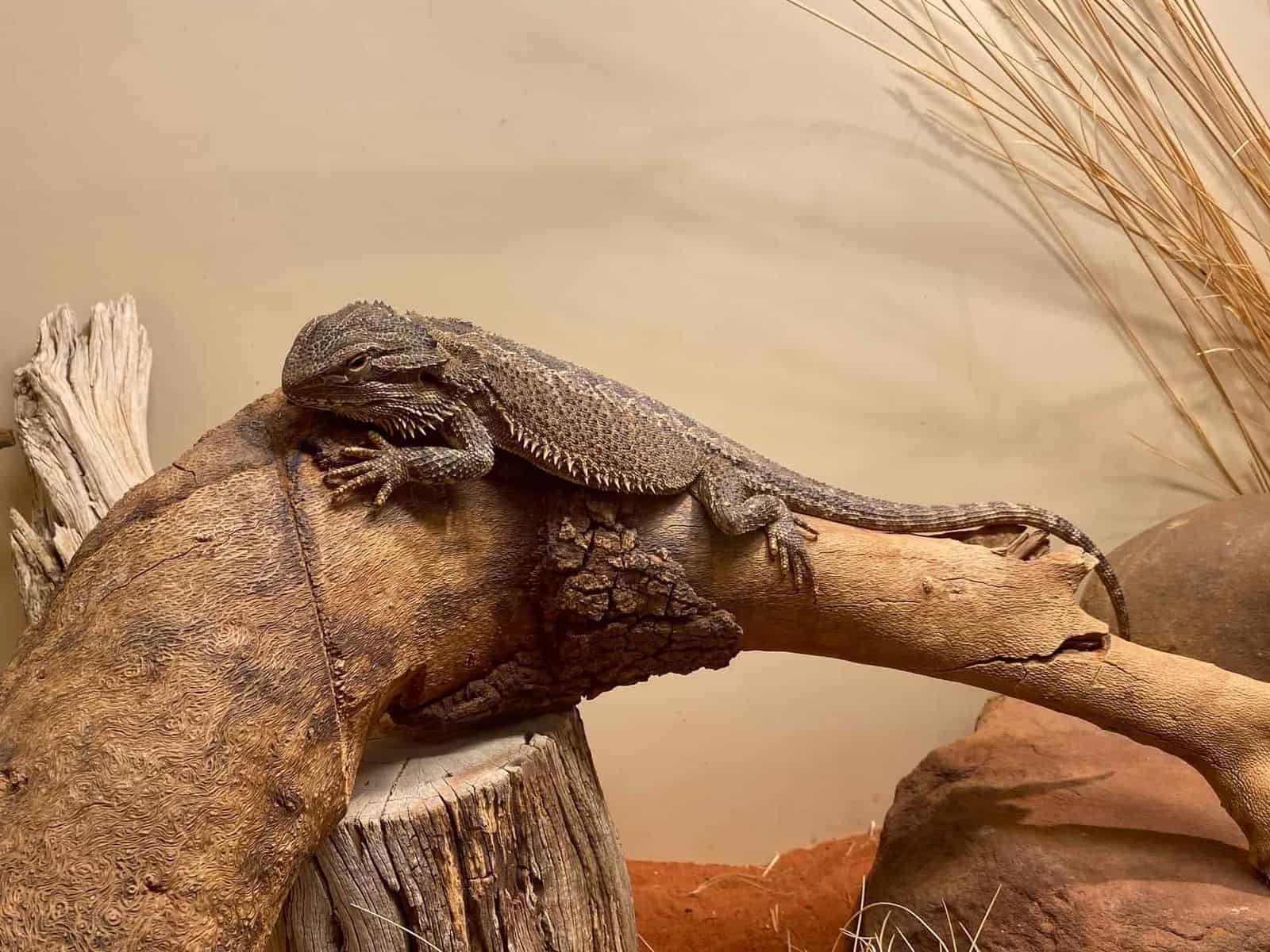
Bearded dragon enclosures, lighting and substrate
A 4x2x2 is the standard most of the hobby works to. The current published minimum is larger than that. Here is what the numbers actually say, and what to buy once you know them.
Bearded dragon
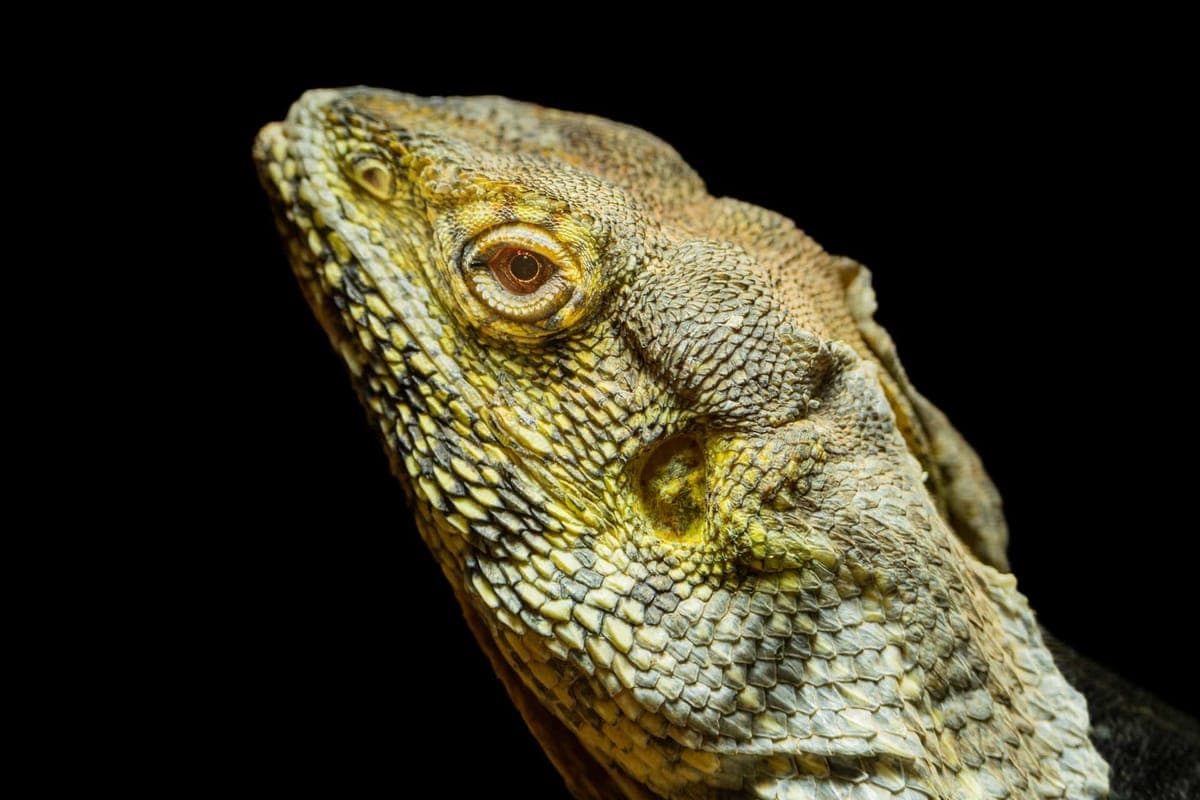
Bearded dragon tank size chart
Bearded dragon tank sizes by life stage, with the source disagreement named.
Guides
Building vs buying a reptile enclosure
When building your own enclosure is the right call, and the costs DIY comparisons leave out.
Substrate & safety
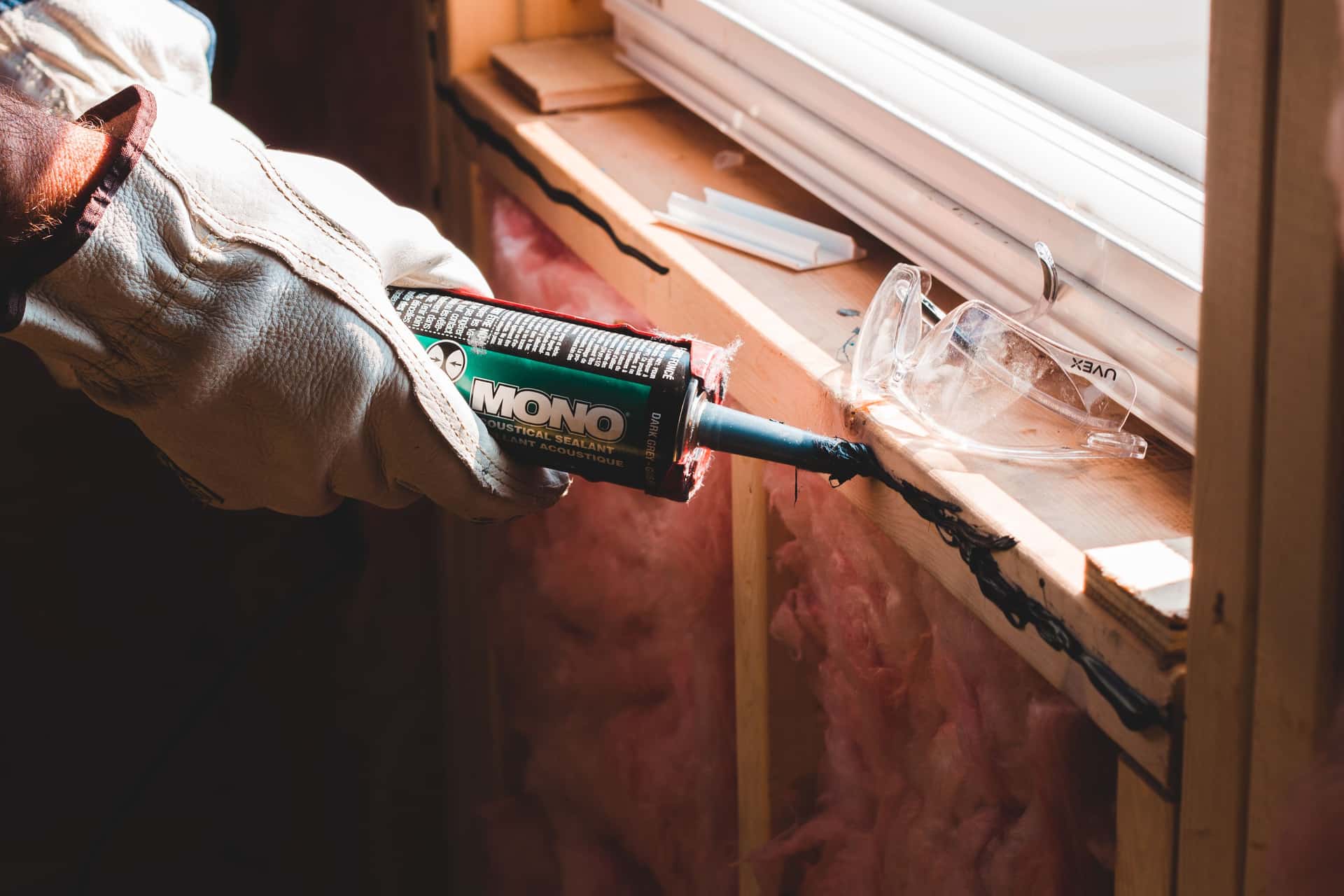
Non-toxic sealant for a reptile enclosure
Which sealants to use, the mildewcide rule, and the cure times that have to be respected.
Substrate & safety
Is PVC safe for reptiles? Enclosure material safety
What to check on enclosure materials, and why the coatings matter more than the panel.