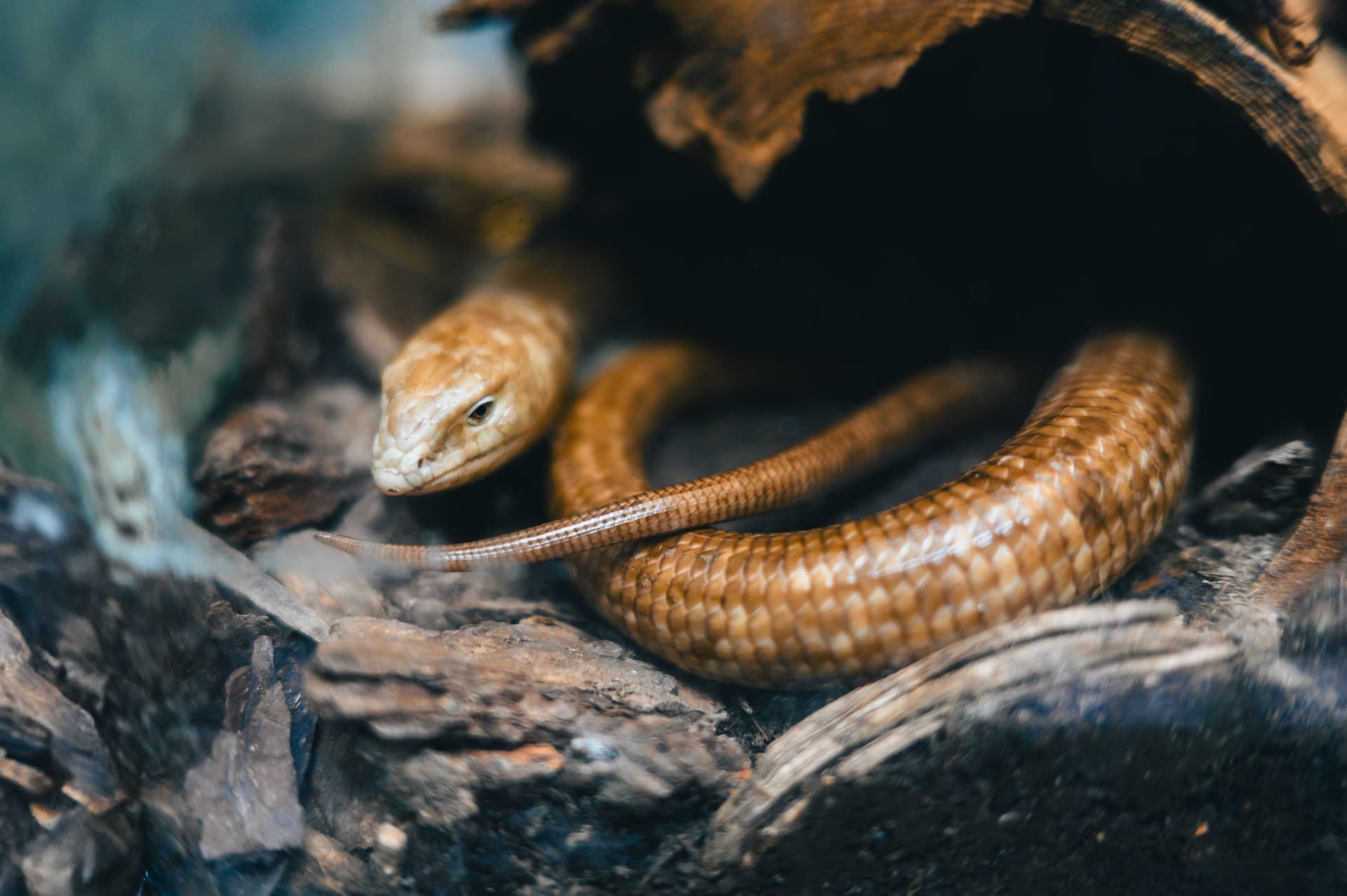
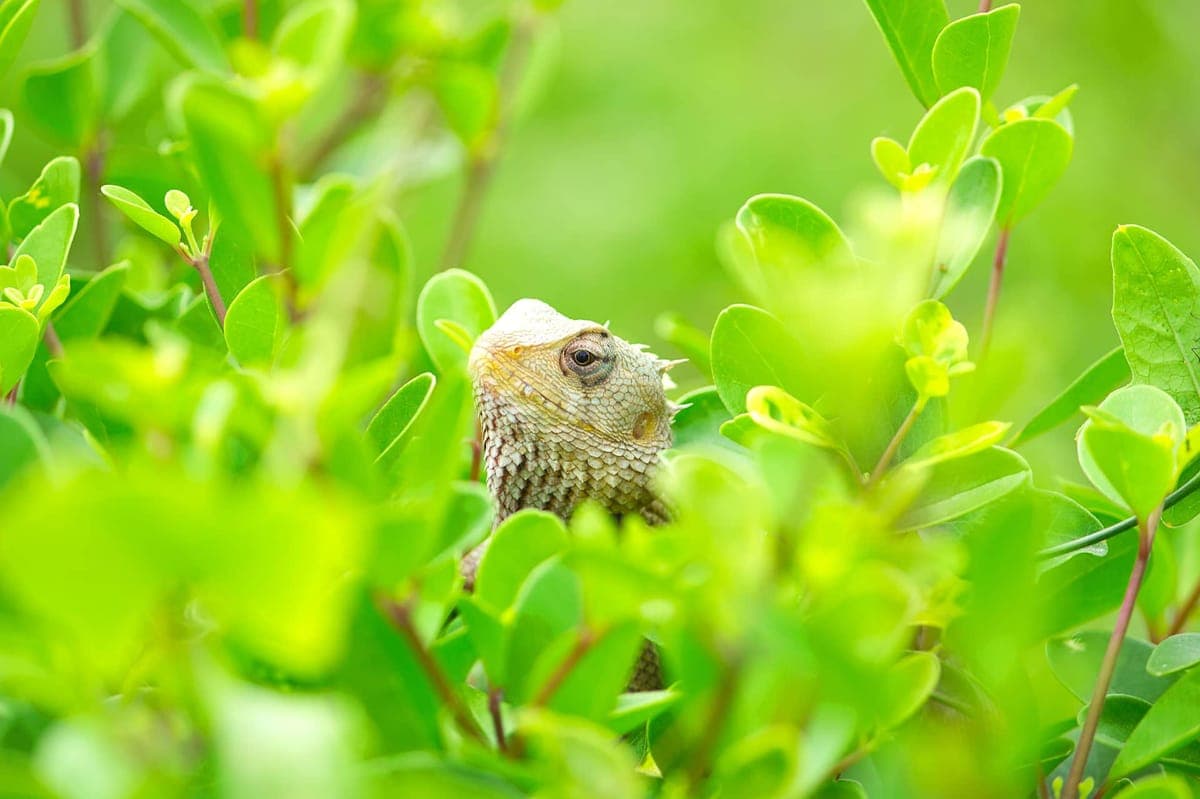
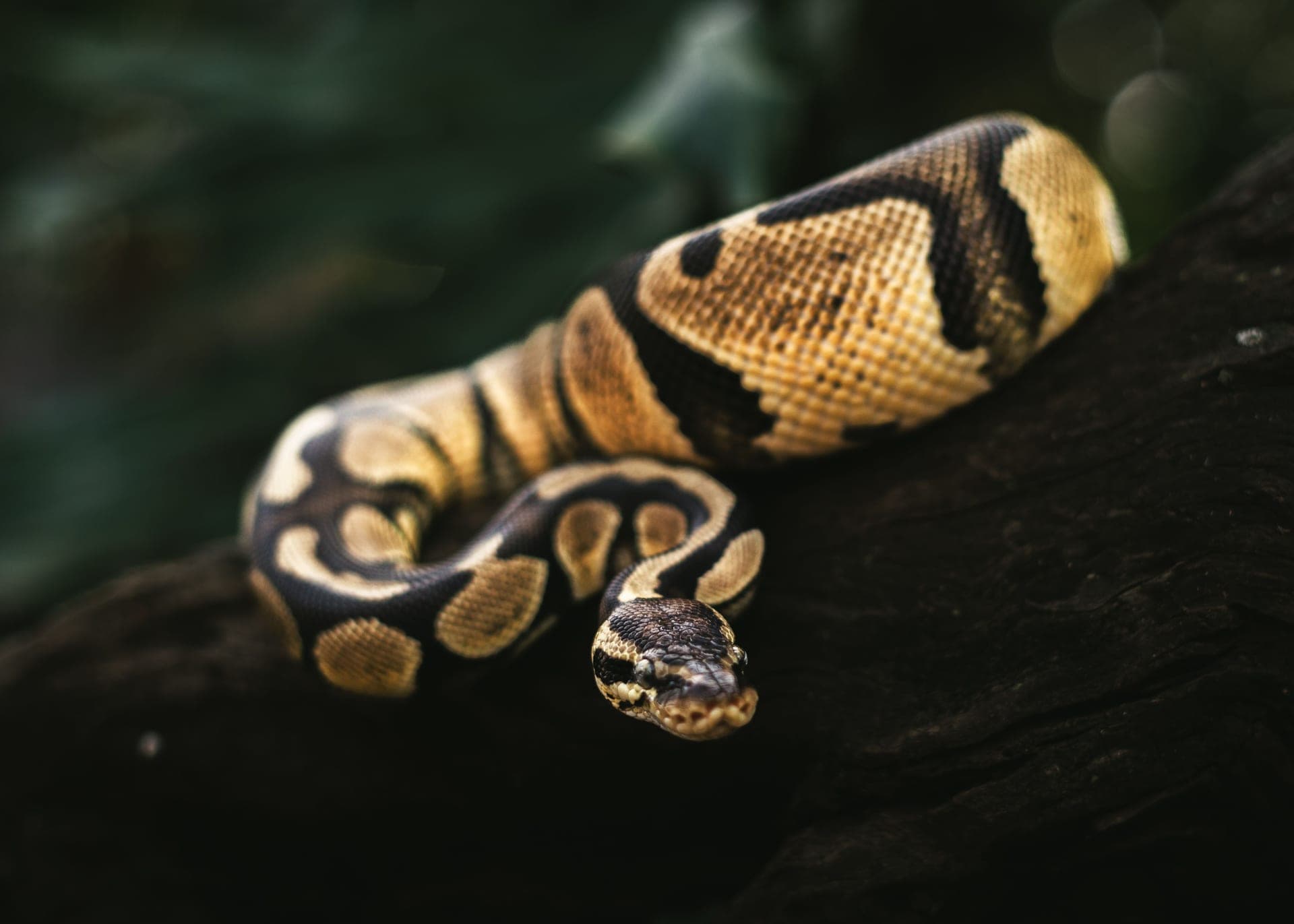
Some decisions are not species-specific. Whether to buy PVC or glass, how to read a size chart, whether building your own is actually cheaper, and which beginner purchases get replaced within a year - those questions have the same shape whatever animal you keep. This section answers them once, properly, and links into the species hubs for the numbers that do change.
Footprint is the first decision and the expensive one
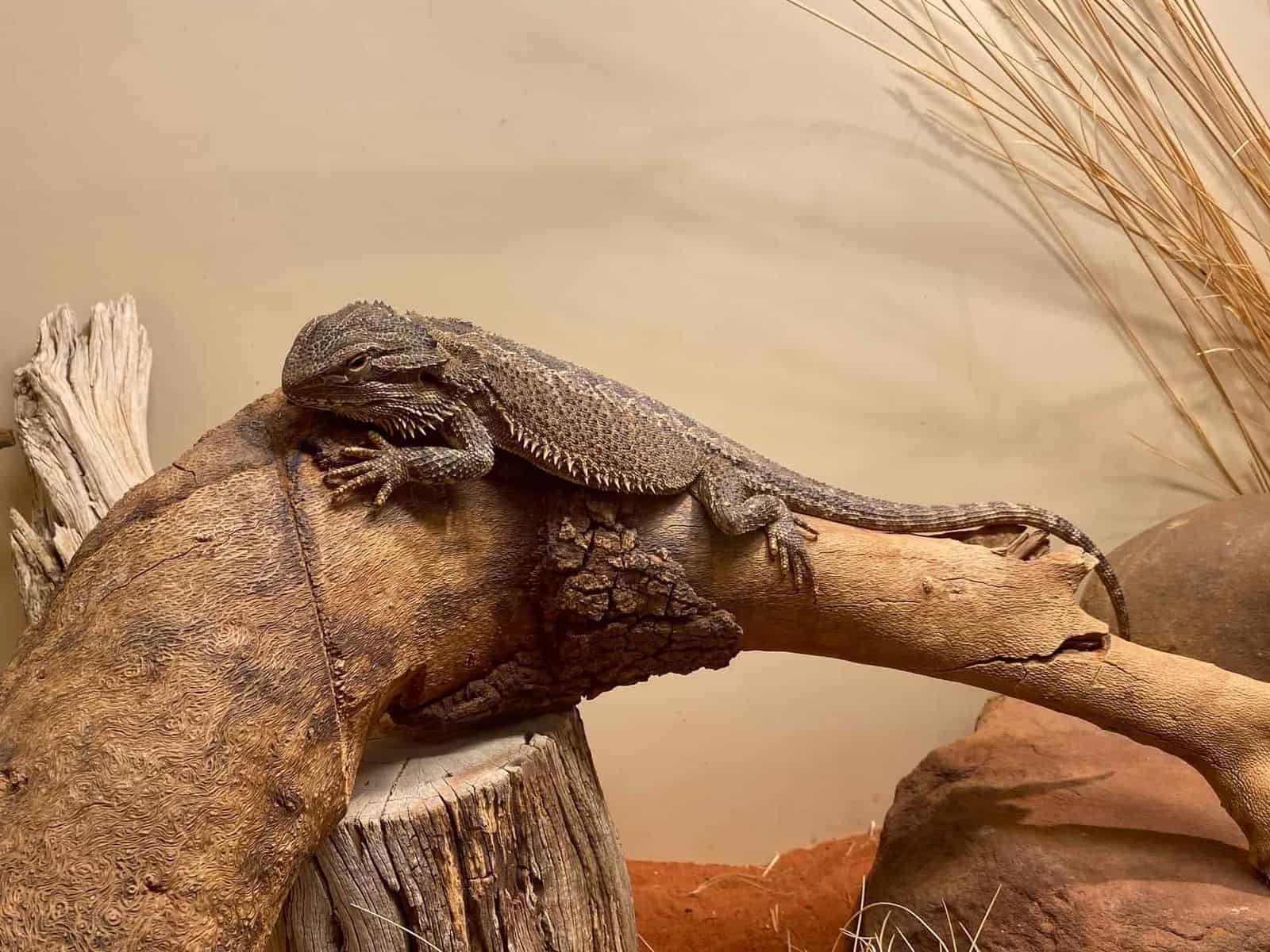
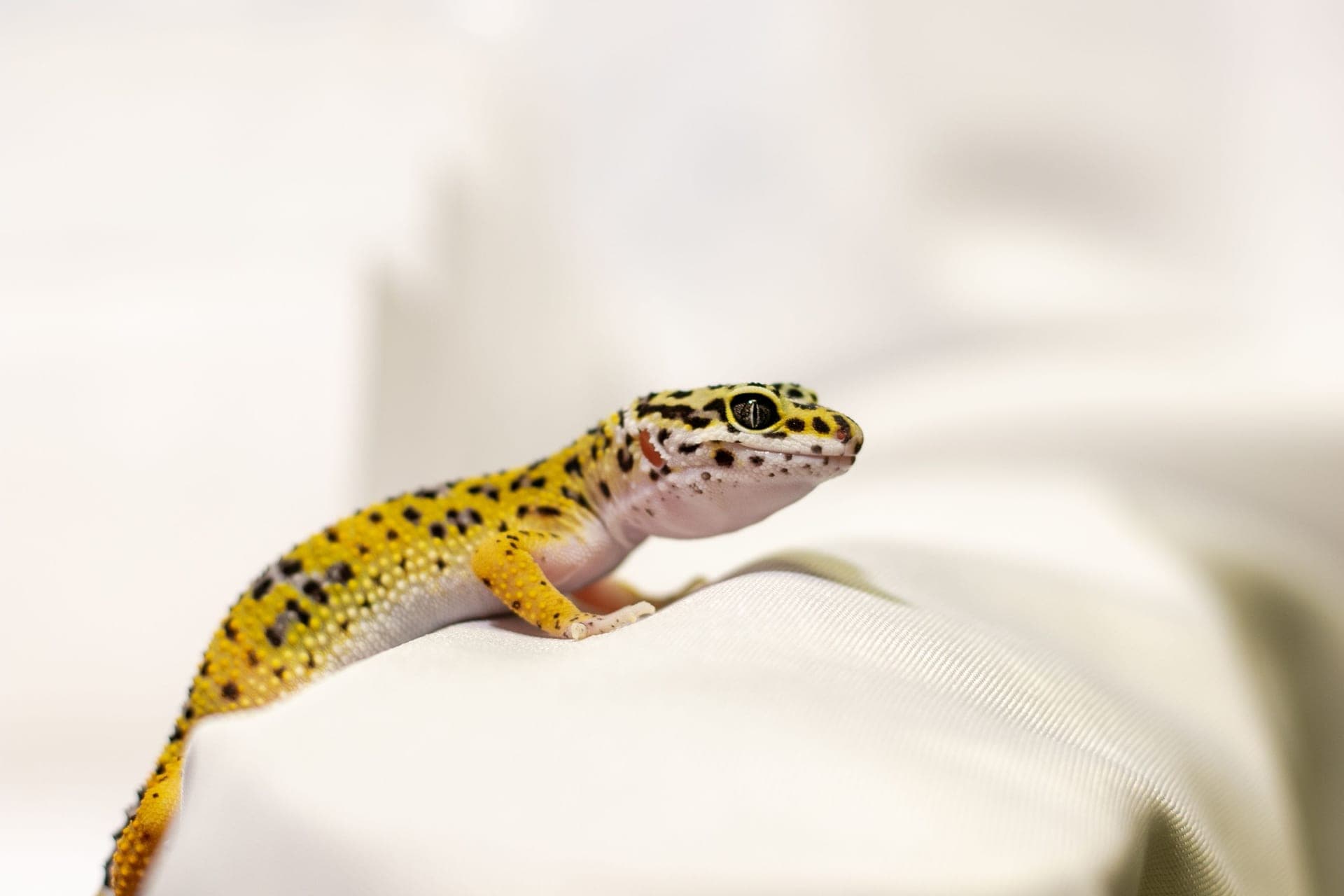
Everything else can be upgraded incrementally. The enclosure cannot: buying a second one costs the full price of the first. The pattern across our four species is simple once you see it. Terrestrial animals are constrained by floor area - 4.5 sq ft for a leopard gecko, about 8 sq ft for an adult ball python. Arboreal animals are constrained by height - 36 inches for a crested gecko. Bearded dragons need both, which is why they end up in the largest enclosure of the four.
Gallon ratings actively mislead here, because two enclosures of the same volume can have completely different floor areas. A 20-gallon tall and a 20-gallon long are not interchangeable for a terrestrial lizard. Compare length times width, and treat height as a separate number.
Material changes which problems you have
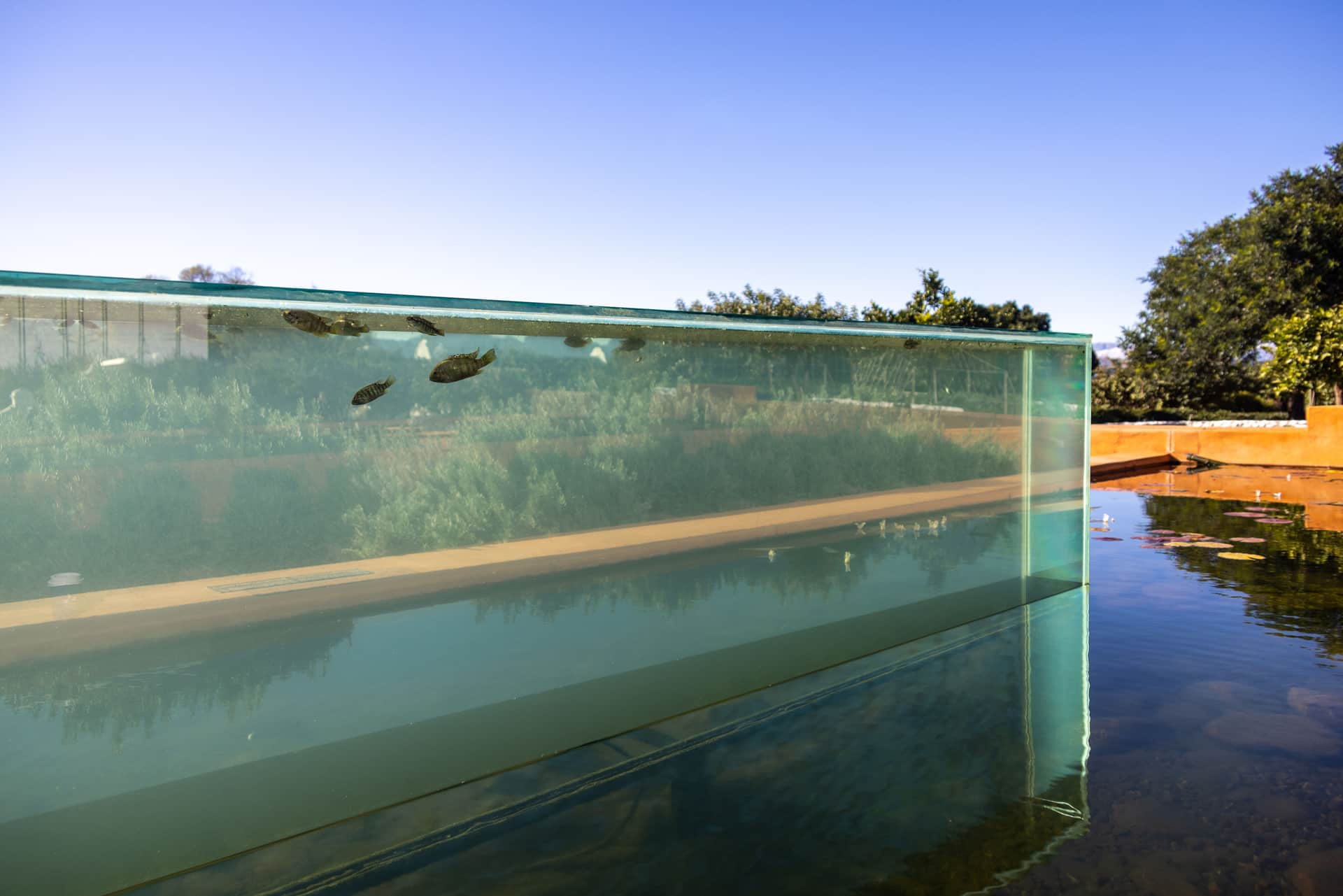
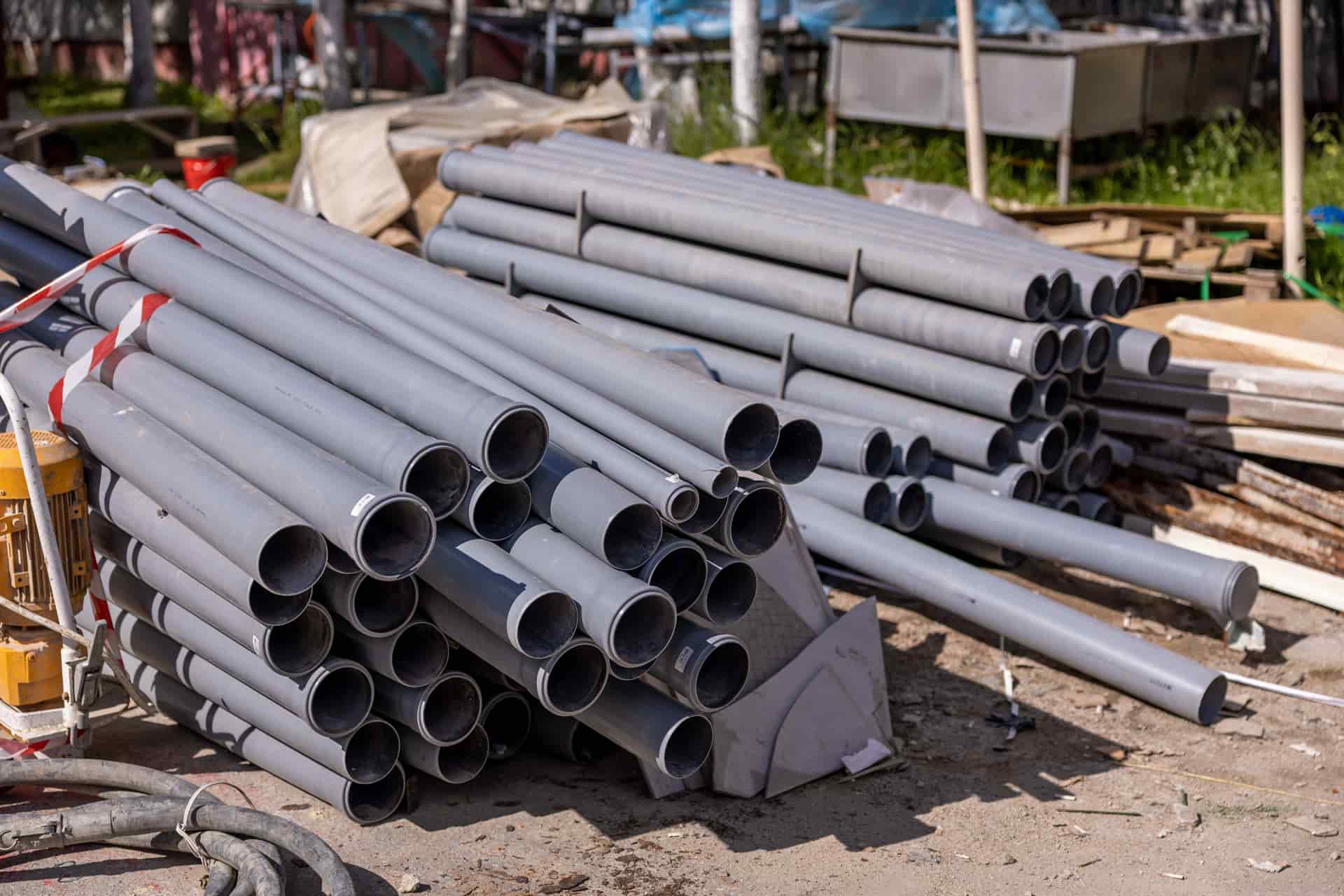
Glass is heavy and loses humidity through a screen top, but it dissipates heat well, which genuinely makes building a temperature gradient easier, and it encourages a drying cycle that keeps mold down in a humid build. PVC is lighter, holds humidity far better, is opaque on five sides - which snakes prefer - and is more durable. Wood is cheap and customizable and brings the whole material-safety question with it, because an unsealed wooden interior absorbs waste and a badly sealed one off-gasses.
There is no universally correct answer. There is a correct answer per species: a glass front-opening terrarium for a leopard gecko, a tall glass terrarium for a crested gecko, PVC for an adult ball python, and either for a dragon depending on how dry your home runs.
On building your own
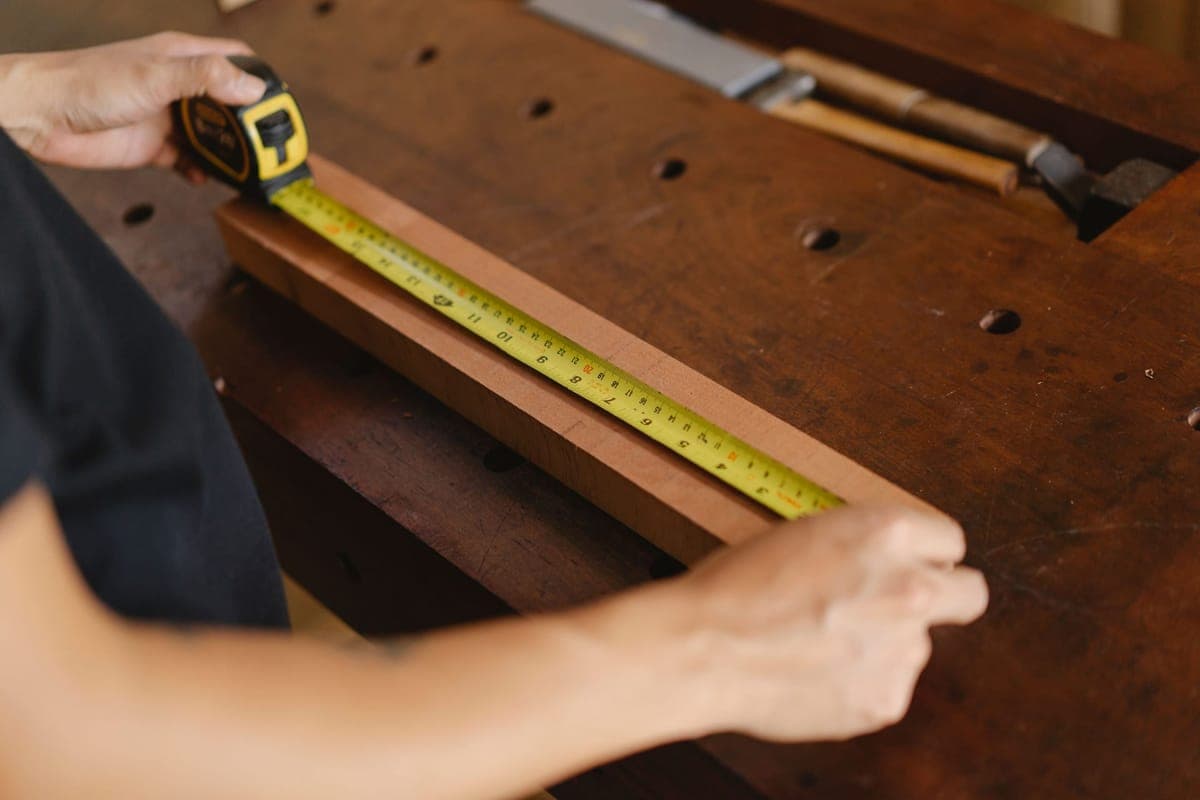
DIY makes sense when you need a size nobody sells, and much less often when you are trying to save money. Once you cost the sheet material, the hardware, the glass or acrylic for the doors, the sealant and the finish, a self-built enclosure frequently lands close to a commercial PVC unit - and it carries the material-safety work that the commercial unit has already done. Our DIY guide is written honestly about that, including the cases where buying is simply the better decision.
Shed & Bask earns a commission from qualifying Amazon purchases made through links on this page. It does not change what we recommend or the order we rank things in. Read the full disclosure.