Crested gecko
Do crested geckos need a heat lamp?
Usually no, and this is the one species on this site where the common mistake is adding heat rather than skipping it. The ceiling matters more than the floor.
By Brijon M.Last updated
Usually no. A crested gecko wants 82-85 F (28-29 C) at the top of the enclosure with the bottom of the enclosure at 70-75 F (21-24 C) at the bottom - a range most heated homes already sit inside, so the honest first step is to measure your room rather than buy a lamp. 85 F sustained is a hard ceiling for this species, which makes overheating the real risk and a heat lamp the more likely way to cause harm. If your room genuinely runs below the range, use a low-wattage lightless source on a dimming thermostat - never a mat against the glass and never an unregulated bulb.
Shed & Bask earns a commission from qualifying Amazon purchases made through links on this page. It does not change what we recommend or the order we rank things in. Read the full disclosure.
Why this species is the exception
Every other animal on this site is heated toward a target. A bearded dragon basks at 108-113 F (42-45 C) surface temperature; a ball python wants a warm hide at Warm hide 86-90 F (30-32 C); a leopard gecko needs a warm surface at 94-97 F (34-36 C) surface; warm hide 90-92 F (32-33 C). In each case you are adding heat to reach a figure.
A crested gecko is a crepuscular, arboreal, new caledonian forest gecko from a cool, humid forest, and its published range is 82-85 F (28-29 C) at the top of the enclosure at the top with 70-75 F (21-24 C) at the bottom at the bottom per the care reference. That top figure is not a target to chase - it is close to a limit. Sustained exposure above about 85 F is dangerous for this species, and heat stress in a crested gecko is both easy to cause and hard to reverse.
So the question in the title has a different shape from the equivalent question for any other species we cover. It is not "how do I reach the figure". It is "am I already inside the range, and if I add a lamp will I leave it from the top?"
Step one: measure the room, not the enclosure
| Zone | Published figure | What it means in practice |
|---|---|---|
| Top of enclosure | 82-85 F (28-29 C) at the top of the enclosure | The warm end of the range, and close to the ceiling - not a basking target |
| Bottom of enclosure | 70-75 F (21-24 C) at the bottom | Where the gecko goes to cool down; a tall enclosure creates this naturally |
| Night | 65-72 F (18-22 C) | A drop is normal and beneficial |
| Humidity | 60-80%, allowed to dry back to 40-50% between mistings | Cycling, not held flat - and heat is what breaks the cycle |
| Photoperiod | 14 hours in summer, 10 hours in winter | Seasonally adjusted; nothing visible at night |
Put a digital thermometer in the room for twenty-four hours and read the high and the low. If the room sits in the high 60s to low 80s Fahrenheit, your enclosure is already in range and the correct purchase is nothing at all. That is the most common outcome, and it is why this page leads with measurement rather than product.
The only thing most keepers should buy here
Zoo Med Digital Thermometer and Humidity Gauge
Air temperature and humidity read at animal height - the measurement that tells you whether you need a heat source at all.
Why a tall enclosure does the work a lamp would
Heat rises, and the published figures for this species are stated as a top reading and a bottom reading rather than a hot spot and a cool spot. A 18 x 18 x 36 in for juveniles and adults over 12 g enclosure therefore builds its own vertical gradient out of ordinary room air: the top is a little warmer, the floor is a little cooler, and the gecko picks a height.
That is the whole thermal design, and it is why enclosure shape matters more than wattage for this animal. Crested gecko enclosure size covers the footprint, and 18x18x24 vs 18x18x36 compares the two heights on exactly this point.
If the room genuinely is too cold
Some rooms do run below the range - an unheated spare room in winter, a basement, a house kept cool at night. In that case you are adding a small amount of ambient heat, and three rules apply.
Lightless, and ambient rather than spot. You are lifting the whole enclosure a few degrees, not creating a basking site this species will not use. A low ceramic emitter mounted above and outside the enclosure, or a low-wattage radiant source, does that. A bright spot lamp pointed at a branch is the wrong shape of heat.
On a dimming thermostat, with the probe at the top. The probe goes where the ceiling figure applies - the top of the enclosure - because that is the reading that must not exceed the limit. A thermostat holding the bottom of the enclosure at a comfortable number will happily cook the top.
Never a heat mat on the side or under a planted terrarium. A mat against glass creates a hot patch an arboreal gecko has no reason to expect and cannot easily detect, and under a drainage layer it mostly heats water. This is a species that climbs; its heat should come from above or not at all.
If you add any heat, add this with it
Spyder Robotics Herpstat 1 Proportional Thermostat
A proportional thermostat dims the source to hold one figure rather than switching around it, which is what keeps a small ambient lift from crossing the ceiling.
For a genuinely cold room
Ceramic Heat Emitter (CHE)
Lightless ambient heat that does not break the photoperiod, mounted above and outside the enclosure, on a thermostat and behind a guard.
What overheating looks like, and why it is the real risk
A crested gecko in an enclosure that is too warm stops eating, becomes lethargic and spends its time on the floor or pressed against the coolest glass it can find - the opposite of normal behavior for an arboreal animal that should be up in the canopy at night. Because those signs read as "unwell" rather than "hot", the instinct is often to add more heat, which is the loop this page exists to break.
Heat also attacks humidity, which is the other half of this species' requirement. The published range is 60-80%, allowed to dry back to 40-50% between mistings as stated - a cycle, with a dry-back between mistings. A heat lamp running all day flattens that cycle into permanently dry air, and then the shedding problems start. Crested gecko temperature and humidity covers the interaction, and how to increase humidity in a reptile enclosure covers the fix if you have already dried it out.
Heat is not UVB, and the UVB answer is different
Autocomplete pairs this question with UVB constantly - "do crested geckos need a heat lamp and uvb", "...or uvb" - so it is worth separating them. They are different lamps answering different questions, and for this species the UVB answer is more often yes than the heat answer.
A crested gecko sits in zone 1 with a published target of UVI 1.0-2.0 at the basking branch per the Ferguson zone guidance- a low figure that a small low-output tube reaches at a sensible height. Critically, a linear UVB tube adds effectively no basking heat, so providing UVB does not push you toward the ceiling. Do crested geckos need UVB answers it properly and best UVB for crested geckos covers the lamp.
Worth owning either way
Infrared Temperature Gun
Confirms the top of the enclosure is under the ceiling figure, which is the one reading that matters most for this species.
The short answer, restated
Measure the room. If it sits in the published range, buy nothing - this species is kept successfully at room temperature in most homes, and that is not a corner being cut. If the room is genuinely cold, add a small lightless ambient source on a dimming thermostat with the probe at the top of the enclosure, and keep the top under the limit. Then spend the money you did not spend on a lamp on vertical space and planting instead, which is what this animal actually uses.
The setup in full is in the crested gecko setup checklist, and for the species where the heating answer is the opposite of this one, see leopard gecko heating.
Frequently asked questions
Do crested geckos need a heat lamp?
Usually not. The published range is 82-85 F (28-29 C) at the top of the enclosure at the top and 70-75 F (21-24 C) at the bottom at the bottom, which most heated homes already satisfy. Measure the room for twenty-four hours first; add heat only if it falls below the range, and then use a lightless source on a dimming thermostat.
Do crested geckos need a heat lamp at night?
No. The published night figure is 65-72 F (18-22 C) and a drop after dark is beneficial. Nothing that emits visible light should run at night. If the room gets genuinely cold overnight, a thermostatically controlled lightless emitter is the only appropriate option.
Do crested geckos need a heat lamp in the winter?
Only if winter takes the room below the published range - measure rather than assume. Moving the enclosure off an exterior wall and away from drafts often solves it without any heat source at all.
What happens if a crested gecko gets too hot?
Sustained exposure above about 85 F is dangerous for this species. A gecko that is too warm stops eating, turns lethargic and sits on the floor or against the coolest glass instead of climbing. Those signs are easy to misread as illness, which is why the enclosure top should be verified with a thermometer rather than judged by behavior.
Do crested geckos need a heat lamp or UVB?
They are separate questions with different answers. Heat: usually not. UVB: there is a published target of UVI 1.0-2.0 at the basking branch, and a low-output linear tube reaches it while adding essentially no heat. See do crested geckos need UVB.
Sources
- Crested Gecko Temperatures & Humidity — ReptiFiles
- Crested Gecko Terrarium Size & Cohabitation Notes — ReptiFiles
- What Are Ferguson Zones? Reptile UVB Information — Zen Habitats
- Crested Gecko Substrate Options — ReptiFiles
- Heating equipment and home fire safety — National Fire Protection Association
Read next
Hub
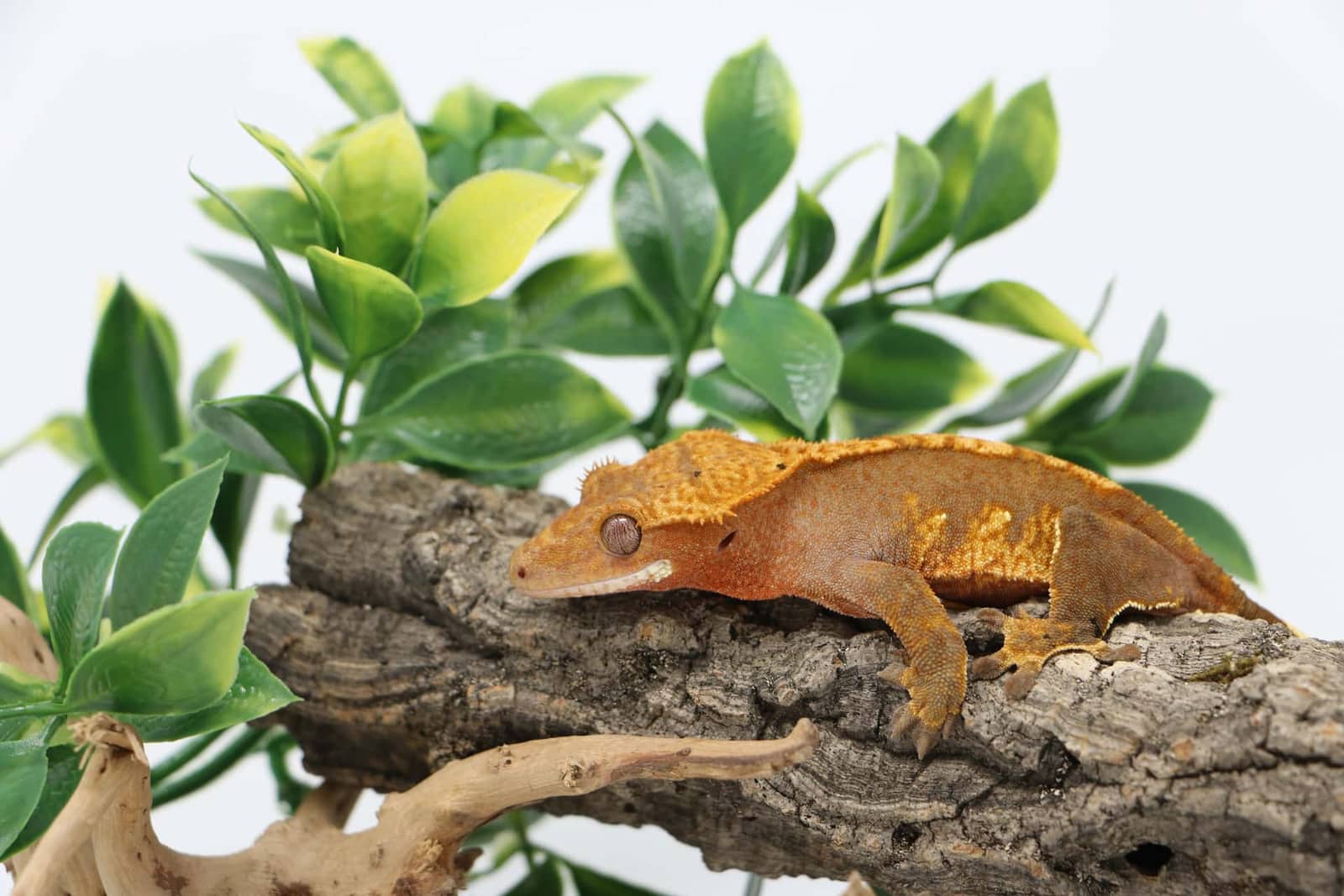
Crested gecko terrariums, humidity and substrate
Arboreal, so height is the constraint. And the number most new keepers miss is the ceiling: sustained temperatures above 85 F cause heat stress.
Crested gecko
Crested gecko temperature and humidity
The crested gecko temperature limits and the humidity cycle, with both failure modes.
Crested gecko
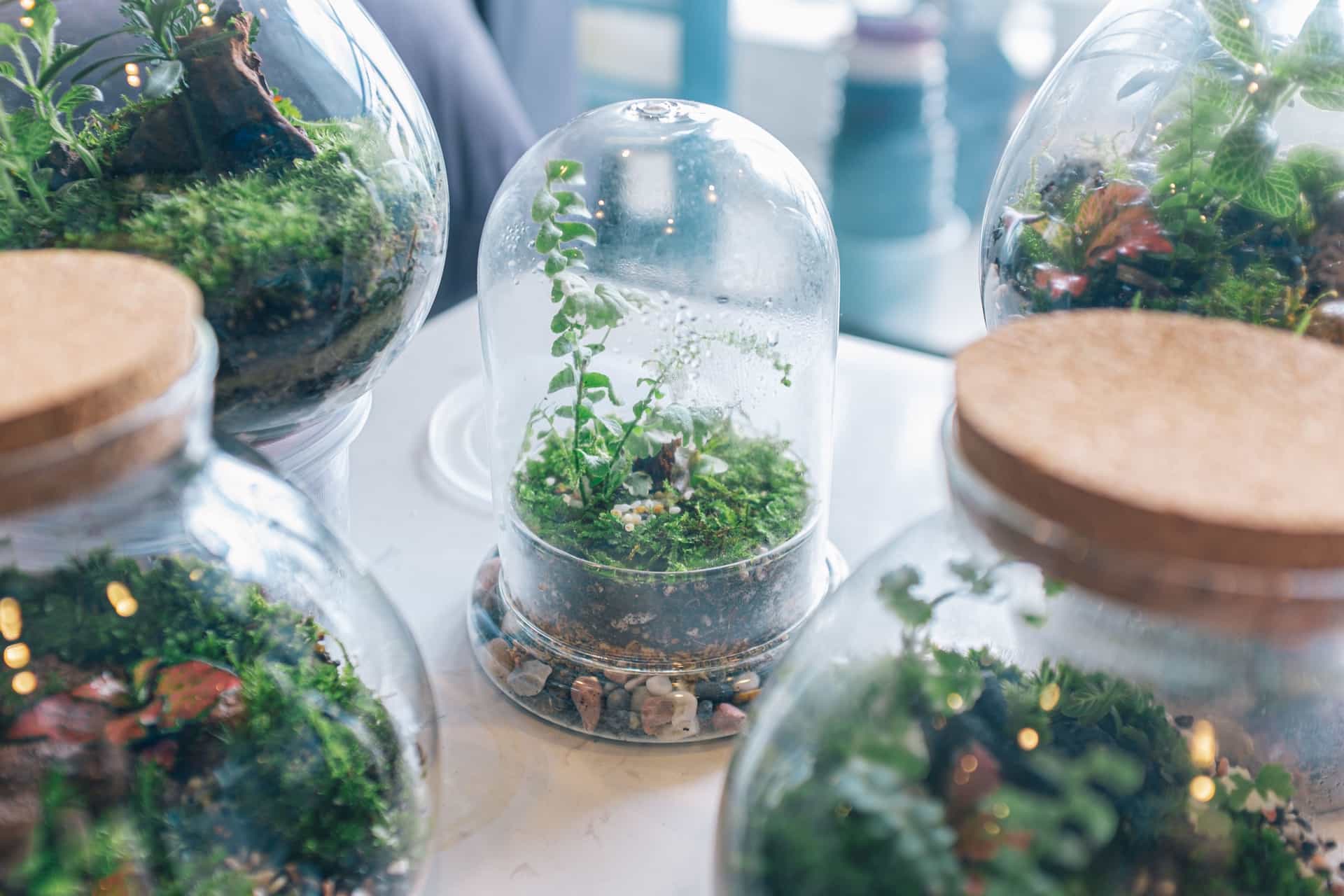
Crested gecko enclosure requirements checklist
The full crested gecko setup checklist, with the figure and verification for each.
Leopard gecko
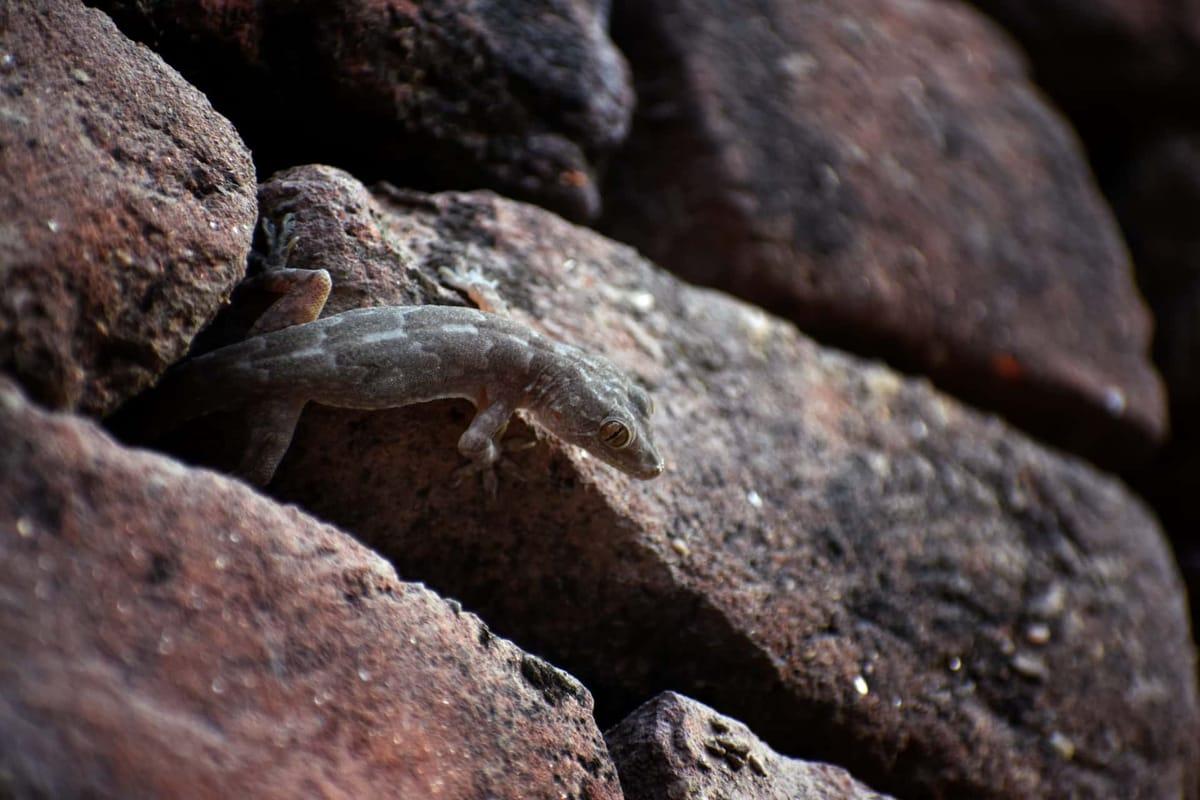
Leopard gecko heating
Leopard gecko heating to the published 94-97 F warm surface figure - mat versus overhead lamp, where the probe goes, and what to run at night.
Lighting & heat
Do crested geckos need UVB?
Recommended at UVI 1.0-2.0 at the basking branch, with a specific hatchling caution.
Guides
How to keep a reptile enclosure warm
Keeping an enclosure warm at night, in winter and during a power cut - the published night minimums first, then what to add and what never to use.