Ball python
Best ball python setup for beginners (2026)
A list in buying order rather than a kit. The two things beginner setups always miss are the second hide and the second basking bulb.
By Brijon M.Last updated
Buy in this order: enclosure at adult footprint, dimming thermostat, two halogen bulbs clustered (not one), moisture-retentive substrate at depth, probe thermometer/hygrometer plus an infrared gun, two tight hides, then low-output UVB. Night heat only if the room falls below 70-78 F (21-26 C).
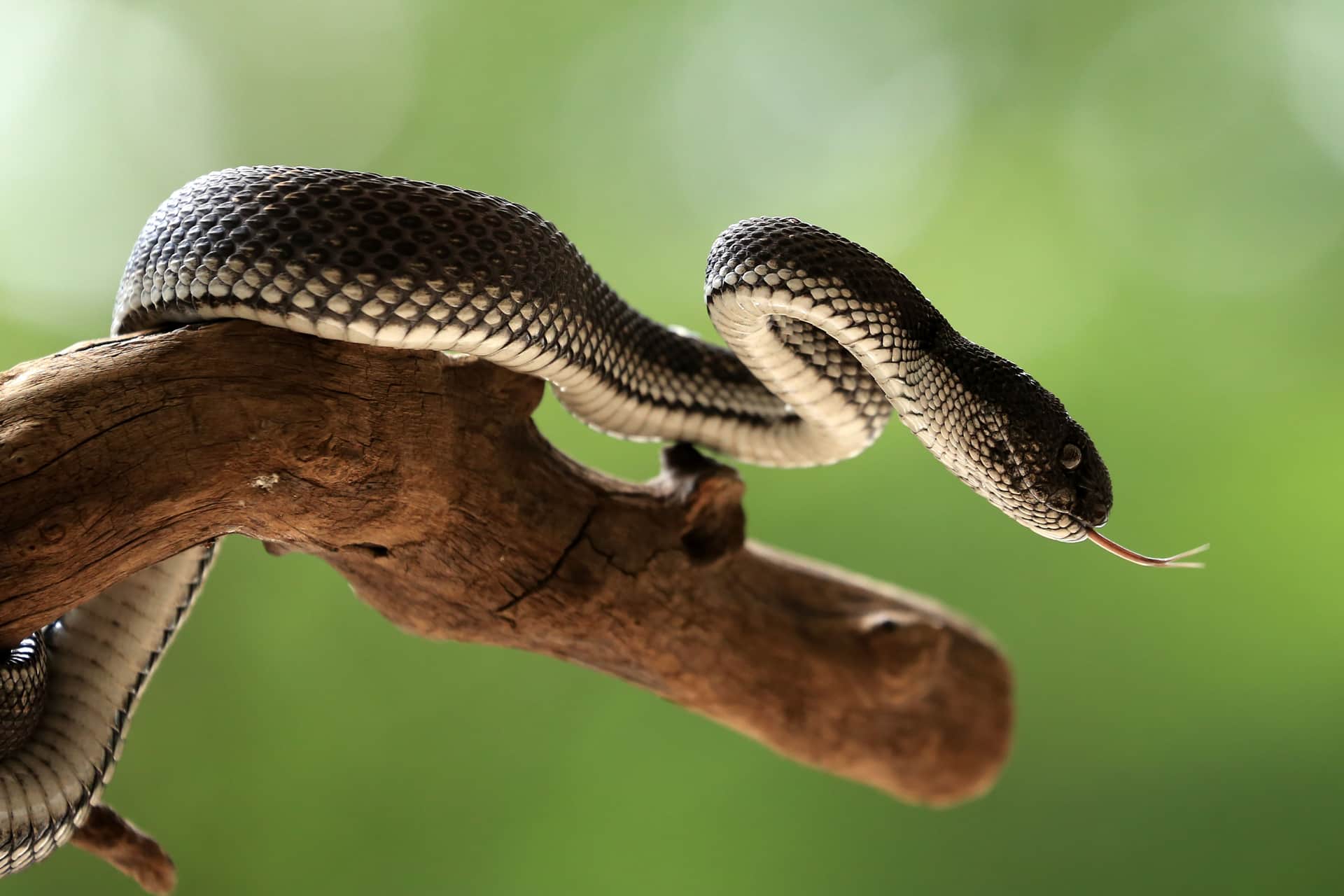
Shed & Bask earns a commission from qualifying Amazon purchases made through links on this page. It does not change what we recommend or the order we rank things in. Read the full disclosure.
How we picked
Every pick below is scored against these thresholds, stated as numbers. Publishing them is the point: of the competitor roundups we surveyed, not one published a numeric selection threshold.
Meets the published adult footprint
At or above the cited minimum for the species it is sold for - 4.5 sq ft floor for a leopard gecko, about 8 sq ft for an adult ball python, 48 x 24 x 24 in or larger for a dragon, 18 x 18 x 36 in for a crested gecko
Source: ReptiFiles - Bearded Dragon Terrarium Size Requirements
Front-opening access
Doors on the front, not a lift-off lid. Less startling for the animal and harder to escape from
Holds the species humidity range
Material and lid design can hold the species target without constant intervention - 30-40% for a leopard gecko, 60-80% for a crested gecko
Takes a T5 fixture at a workable distance
Mesh top or internal mounting that puts a T5 HO lamp at its published distance - about 11 in through mesh for an Arcadia Desert 12%
Source: ReptiFiles - Bearded Dragon Temperatures & UVB Requirements
Supports a real thermal gradient
Long enough that the cool end actually reaches the species cool-side figure while the basking surface holds its target
Source: ReptiFiles - Bearded Dragon Temperatures & UVB Requirements
Materials we can account for
Manufacturer states the panel material, and any interior coating has a published temperature limit above the species basking surface temperature
Source: U.S. Environmental Protection Agency - Volatile Organic Compounds' Impact on Indoor Air Quality
These are the same criteria every roundup on this site applies. See the full methodology.
Quick picks
Every row is scored against the published criteria below. Tap a row to read the full write-up.
| # | Product | Best for | Criteria met | Price |
|---|---|---|---|---|
| 1 | 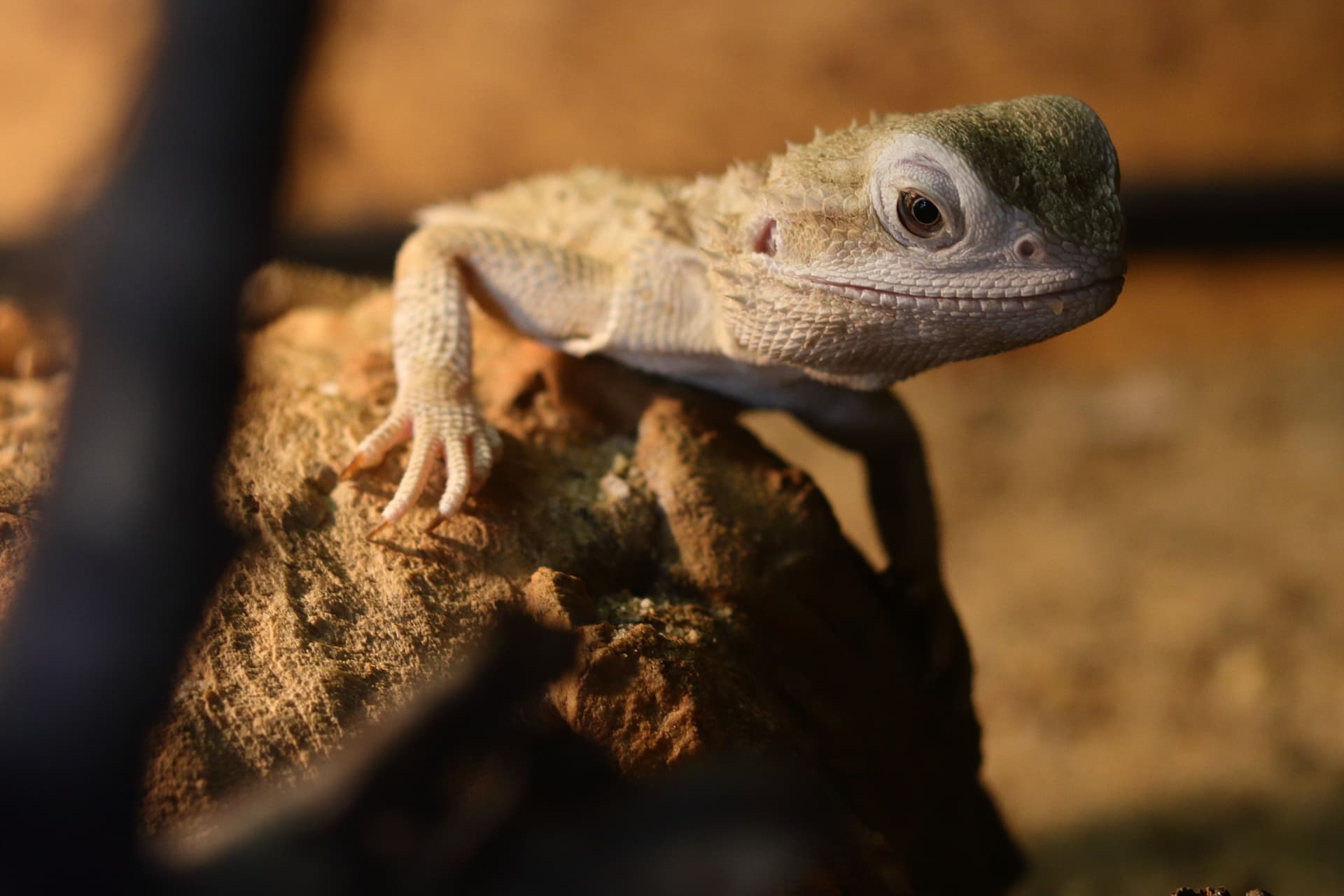 Dubia.com 4x2x2 (120 Gallon) Reptile Enclosure Buy first: the enclosure | An adult ball python, or a small adult dragon | 5/6 | Check price on Amazon#ad We may earn a commission. Price and stock are resolved at Amazon. |
| 2 | 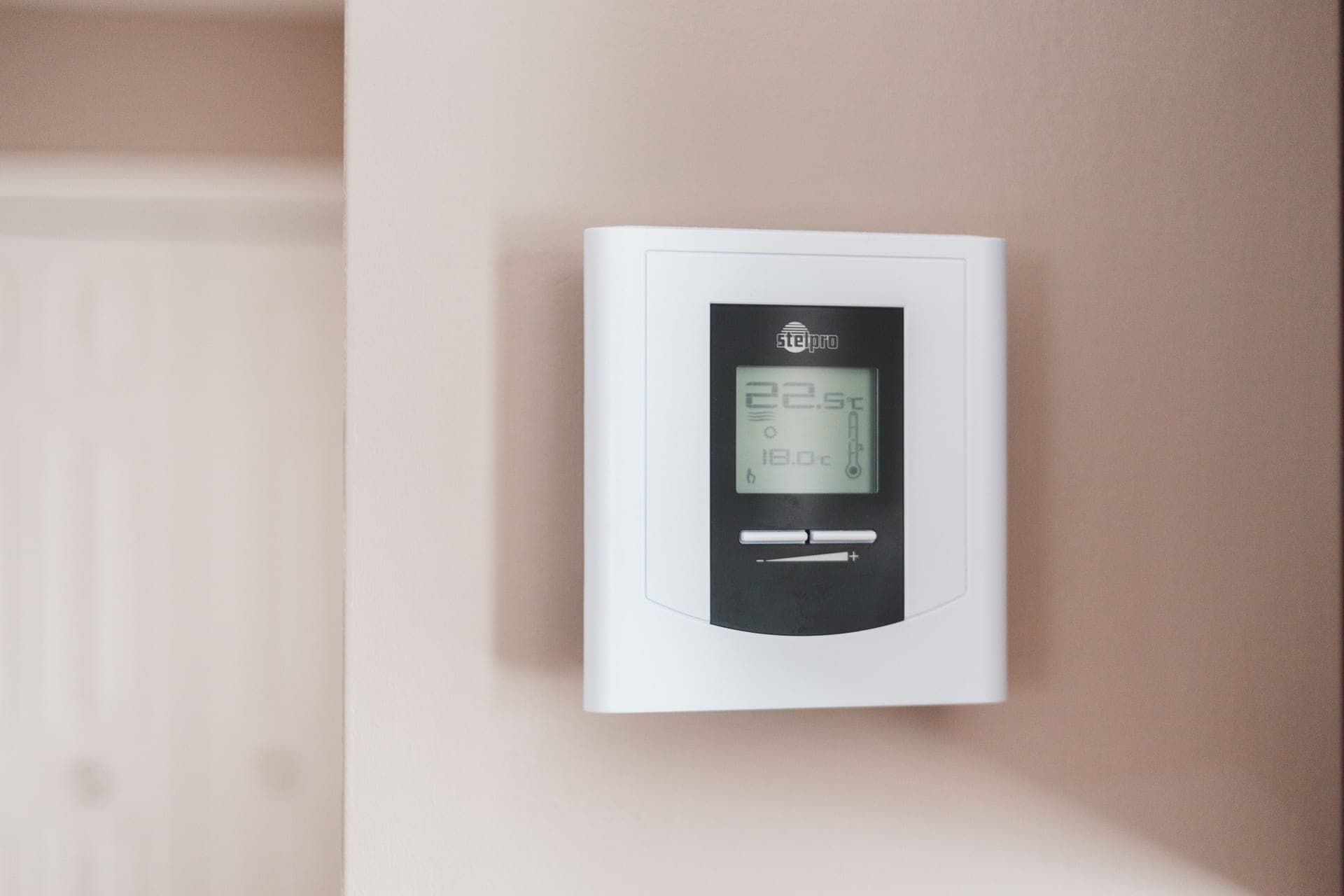 Spyder Robotics Herpstat 1 Proportional Thermostat Buy second: the thermostat | One enclosure, one lamp, dimmed properly | 2/6 | Check price on Amazon#ad We may earn a commission. Price and stock are resolved at Amazon. |
| 3 | 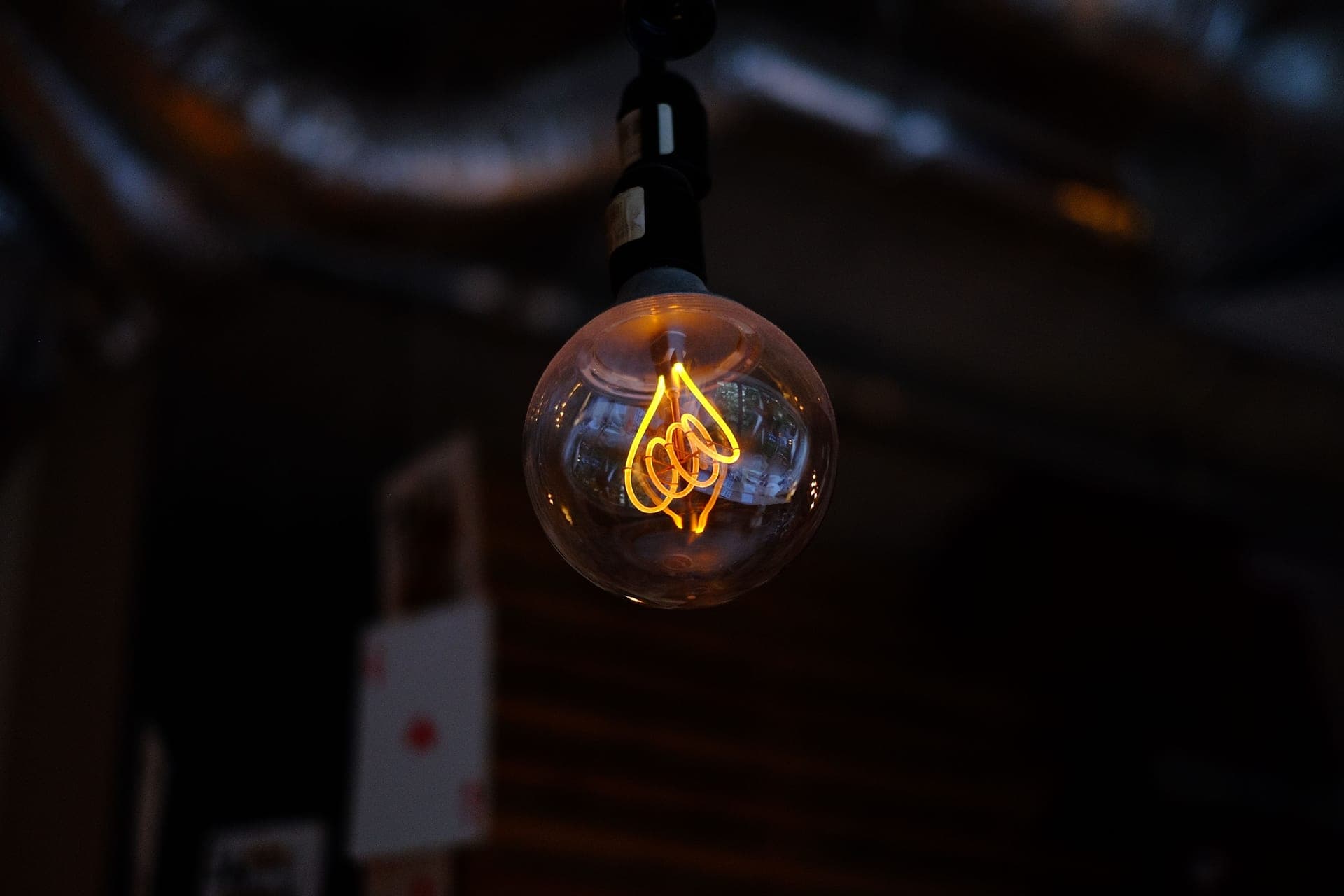 Exo Terra Intense Basking Spot Lamp Buy third: two of these, not one | Overhead basking heat on a thermostat | 2/6 | Check price on Amazon#ad We may earn a commission. Price and stock are resolved at Amazon. |
| 4 | 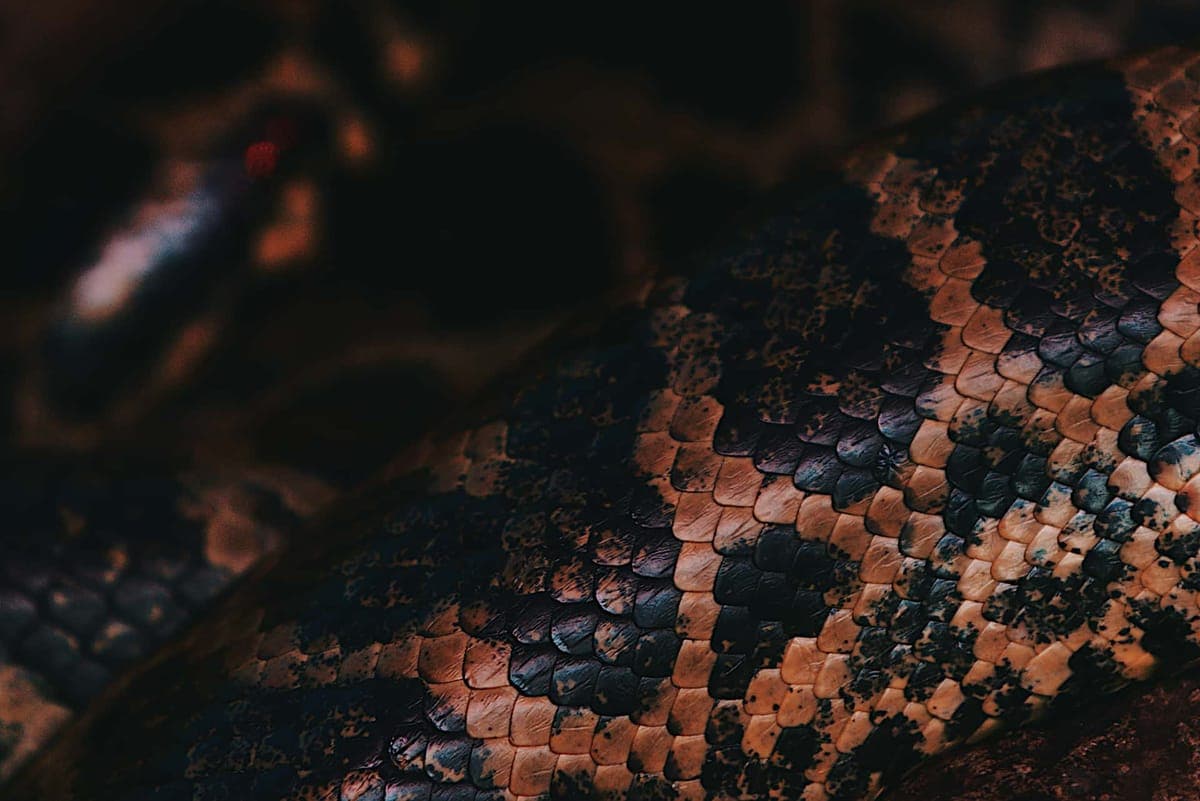 Coconut Husk / Cypress Mulch Humid Substrate Buy fourth: the substrate | Humidity-dependent species | 2/6 | Check price on Amazon#ad We may earn a commission. Price and stock are resolved at Amazon. |
| 5 | 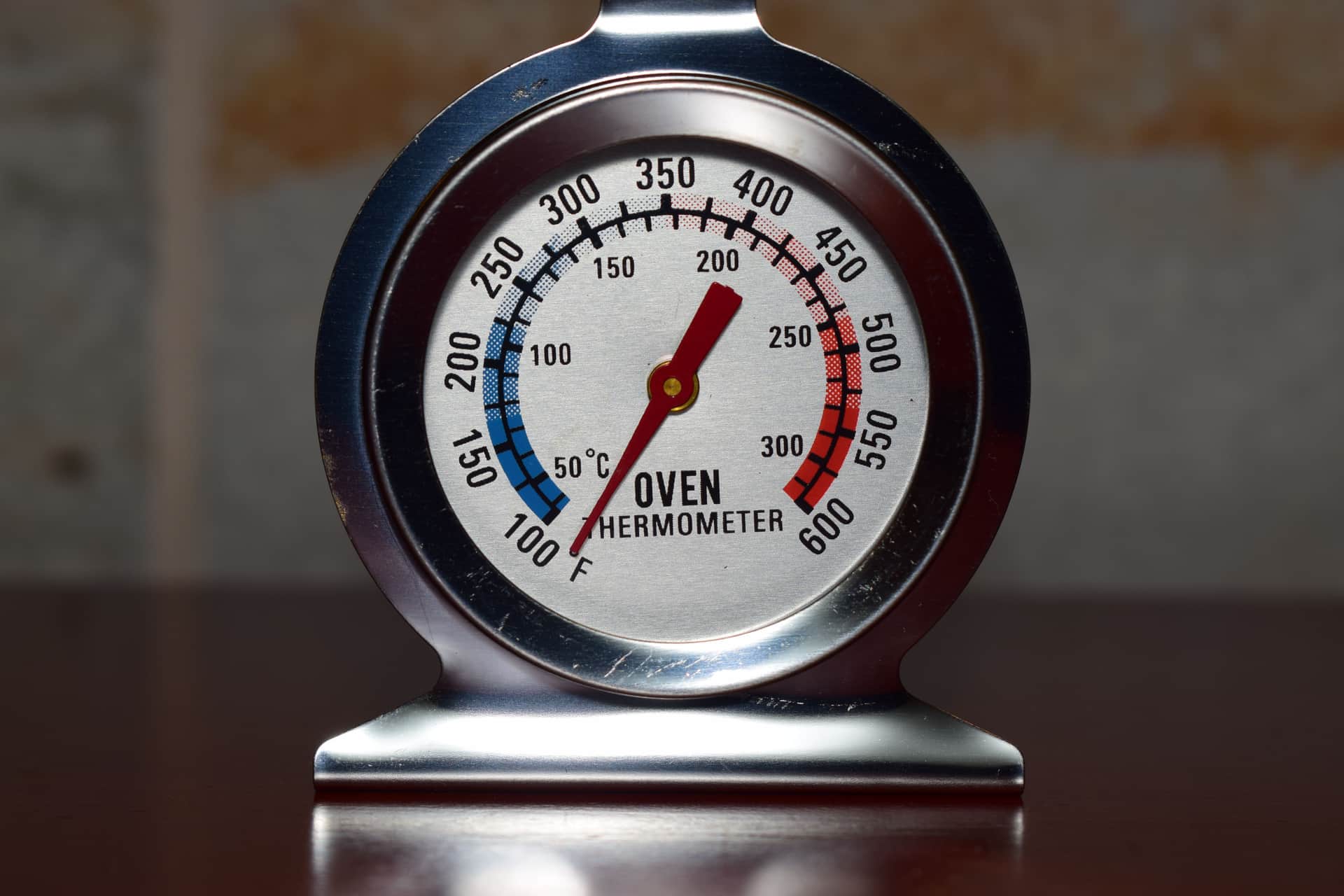 Zoo Med Digital Thermometer and Humidity Gauge Buy fifth: the instruments | Air temperature and humidity, measured where the animal is | 2/6 | Check price on Amazon#ad We may earn a commission. Price and stock are resolved at Amazon. |
| 6 |  Zoo Med ReptiSun T5 HO 5.0 UVB Lamp Buy sixth: low-output UVB | A ball python in a 4x2x2 (use the 22 in tube) | 2/6 | Check price on Amazon#ad We may earn a commission. Price and stock are resolved at Amazon. |
The two hides, and why they must be tight
A ball python needs cover at both ends of the gradient: a warm hide at Warm hide 86-90 F (30-32 C) and a cool hide at Cool hide 72-80 F (22-27 C); air never above 95 F (35 C). Those are the published figures and they are hide temperatures, not air temperatures.
Tight matters. A snake in a cavernous hide is not covered; it wants contact on multiple sides. Two identical snug hides at opposite ends mean the animal never has to choose between temperature and security - which is the real reason the small-dark-box theory has any traction at all. The answer is not a small enclosure; it is a large enclosure with good cover.
Two bulbs, not one
The other thing beginner setups miss. In an enclosure longer than 36 inches, the published guidance calls for a cluster of at least two halogen bulbs placed close together, because a single spot produces a basking area too small to evenly heat a snake in a coiled position. An adult ball python coiled is a surprisingly large footprint.
The full list
- Enclosure at the adult footprint, front-opening, lockable.
- Dimming or proportional thermostat.
- Two halogen bulbs in guarded fixtures, clustered.
- Moisture-retentive substrate at a depth the snake can burrow into.
- Probe thermometer and hygrometer, plus an infrared gun.
- Two tight hides, warm and cool.
- A water bowl large enough to soak in.
- Low-output T5 HO UVB and fixture, 22 in for a 4x2x2.
- Branches and climbing structure - they use it.
- A lightless night heat source only if the room drops below 70-78 F (21-26 C).
What to avoid
- Rack tubs sold as a complete adult solution.
- A single spot bulb in a 4 ft enclosure.
- Colored night bulbs - reptiles see them.
- Sealing the enclosure to hold humidity, with no ventilation.
- Taped lids.
The picks in full
1. Buy first: the enclosure
Dubia.com 4x2x2 (120 Gallon) Reptile Enclosure
Dubia.com · An adult ball python, or a small adult dragon
48 x 24 x 24 in PVC, opaque on five sides. Buying the adult footprint on day one avoids buying twice, and the published guidance is clear that a juvenile can live in an adult enclosure as long as sufficient cover and hides are provided.
Specifications
- Footprint
- 48 x 24 x 24 in (120 gallon)
- Material
- PVC
- Opening
- Front-opening
- Humidity
- Opaque on five sides, which helps hold humidity
How it scored against our criteria
| Meets the published adult footprintAt or above the cited minimum for the species it is sold for - 4.5 sq ft floor for a leopard gecko, about 8 sq ft for an adult ball python, 48 x 24 x 24 in or larger for a dragon, 18 x 18 x 36 in for a crested gecko | Meets |
|---|---|
| Front-opening accessDoors on the front, not a lift-off lid. Less startling for the animal and harder to escape from | Meets |
| Holds the species humidity rangeMaterial and lid design can hold the species target without constant intervention - 30-40% for a leopard gecko, 60-80% for a crested gecko | Meets |
| Takes a T5 fixture at a workable distanceMesh top or internal mounting that puts a T5 HO lamp at its published distance - about 11 in through mesh for an Arcadia Desert 12% | Meets |
| Supports a real thermal gradientLong enough that the cool end actually reaches the species cool-side figure while the basking surface holds its target | Meets |
| Materials we can account forManufacturer states the panel material, and any interior coating has a published temperature limit above the species basking surface temperature | Partial |
What works
- Carries the 8 sq ft of floor area an adult ball python needs
- Opaque sides give a snake visual security without taping paper to glass
- PVC is lighter than a glass tank of the same volume
What to know
- Ventilation needs checking if you run it humid for a python
- Shipping damage on large panels is a real risk with any flat-pack enclosure
Who should look elsewhere
If your ball python is over 4 ft, the enclosure should be at least as long as the snake. Go to a 5 or 6 ft build rather than forcing an adult into a 4 ft box.
2. Buy second: the thermostat
Spyder Robotics Herpstat 1 Proportional Thermostat
Spyder Robotics · One enclosure, one lamp, dimmed properly
Before the heat source. Dimming output, because a halogen basking cluster needs it and an on/off controller would strobe the enclosure every cycle.
Specifications
- Channels
- 1
- Control type
- Proportional / dimming
- Suits
- Halogen basking lamps and lightless emitters
- Alarms
- Configurable
How it scored against our criteria
| Meets the published adult footprintAt or above the cited minimum for the species it is sold for - 4.5 sq ft floor for a leopard gecko, about 8 sq ft for an adult ball python, 48 x 24 x 24 in or larger for a dragon, 18 x 18 x 36 in for a crested gecko | Not published |
|---|---|
| Front-opening accessDoors on the front, not a lift-off lid. Less startling for the animal and harder to escape from | Not published |
| Holds the species humidity rangeMaterial and lid design can hold the species target without constant intervention - 30-40% for a leopard gecko, 60-80% for a crested gecko | Not published |
| Takes a T5 fixture at a workable distanceMesh top or internal mounting that puts a T5 HO lamp at its published distance - about 11 in through mesh for an Arcadia Desert 12% | Meets |
| Supports a real thermal gradientLong enough that the cool end actually reaches the species cool-side figure while the basking surface holds its target | Meets |
| Materials we can account forManufacturer states the panel material, and any interior coating has a published temperature limit above the species basking surface temperature | Not published |
What works
- Dimming output means a basking lamp holds steady without flashing
- Alarm output catches a probe failure
- Single channel keeps the cost below a dual unit
What to know
- One channel only, so a second enclosure needs a second unit
- Overkill if your only heat source is a mat
Who should look elsewhere
Running two or more enclosures? A dual-channel unit costs less than two singles and gives you one place to check.
3. Buy third: two of these, not one
Exo Terra Intense Basking Spot Lamp
Exo Terra · Overhead basking heat on a thermostat
Halogen for daytime heat, and the published guidance is specific: in an enclosure over 36 inches long you need a cluster of at least two bulbs placed close together to make a basking area large enough to evenly heat a coiled snake. One spot lamp is not a basking site for this species.
Specifications
- Type
- Halogen spot (incandescent)
- Infrared
- Produces Infrared-A, the deeply penetrating band
- Control
- Must run on a dimming or pulse thermostat
- Common use
- A 50 W in a 5.5 in dome for a crested gecko basking area
How it scored against our criteria
| Meets the published adult footprintAt or above the cited minimum for the species it is sold for - 4.5 sq ft floor for a leopard gecko, about 8 sq ft for an adult ball python, 48 x 24 x 24 in or larger for a dragon, 18 x 18 x 36 in for a crested gecko | Not published |
|---|---|
| Front-opening accessDoors on the front, not a lift-off lid. Less startling for the animal and harder to escape from | Not published |
| Holds the species humidity rangeMaterial and lid design can hold the species target without constant intervention - 30-40% for a leopard gecko, 60-80% for a crested gecko | Not published |
| Takes a T5 fixture at a workable distanceMesh top or internal mounting that puts a T5 HO lamp at its published distance - about 11 in through mesh for an Arcadia Desert 12% | Meets |
| Supports a real thermal gradientLong enough that the cool end actually reaches the species cool-side figure while the basking surface holds its target | Meets |
| Materials we can account forManufacturer states the panel material, and any interior coating has a published temperature limit above the species basking surface temperature | Not published |
What works
- Halogen is the heat type current husbandry references prefer for basking
- Cheap enough to keep a spare, which you should
- Works in a standard dome fixture
What to know
- Emits visible light, so it cannot be used at night
- A single spot may be too small a basking area for a coiled snake
Who should look elsewhere
For night heat in a cold room, a halogen is the wrong tool - it lights the enclosure. Use a ceramic heat emitter in a guarded fixture instead.
4. Buy fourth: the substrate
Coconut Husk / Cypress Mulch Humid Substrate
Various (Zoo Med Eco Earth, Forest Floor) · Humidity-dependent species
Moisture-retentive and deep enough to burrow in. For this species the substrate is half the humidity system, which is why it moves up the list relative to other setups.
Specifications
- Type
- Coconut husk chip or cypress mulch
- Function
- Holds humidity, releases it slowly
- Depth
- Deep enough to burrow without sitting wet at the base
- Ventilation
- Needs airflow, or it becomes a scale rot risk
How it scored against our criteria
| Meets the published adult footprintAt or above the cited minimum for the species it is sold for - 4.5 sq ft floor for a leopard gecko, about 8 sq ft for an adult ball python, 48 x 24 x 24 in or larger for a dragon, 18 x 18 x 36 in for a crested gecko | Not published |
|---|---|
| Front-opening accessDoors on the front, not a lift-off lid. Less startling for the animal and harder to escape from | Not published |
| Holds the species humidity rangeMaterial and lid design can hold the species target without constant intervention - 30-40% for a leopard gecko, 60-80% for a crested gecko | Meets |
| Takes a T5 fixture at a workable distanceMesh top or internal mounting that puts a T5 HO lamp at its published distance - about 11 in through mesh for an Arcadia Desert 12% | Not published |
| Supports a real thermal gradientLong enough that the cool end actually reaches the species cool-side figure while the basking surface holds its target | Not published |
| Materials we can account forManufacturer states the panel material, and any interior coating has a published temperature limit above the species basking surface temperature | Meets |
What works
- Holds humidity across a day rather than for an hour
- Lets a snake burrow, which is natural behavior it is often denied
- Cheap per volume at the depth these species need
What to know
- Permanently wet substrate causes scale rot - this needs ventilation, not just moisture
- Mold appears fast if it never dries back
Who should look elsewhere
A leopard gecko wants 30-40% ambient humidity. Do not put a desert gecko on a substrate designed to hold water; give it a humid hide instead.
5. Buy fifth: the instruments
Zoo Med Digital Thermometer and Humidity Gauge
Zoo Med · Air temperature and humidity, measured where the animal is
The published figures are hide temperatures, so you need a probe you can place inside each hide. Pair it with an infrared gun for surfaces.
Specifications
- Measures
- Air temperature and relative humidity
- Probe
- Remote probe, placed in the zone you care about
- Named in
- Bearded dragon, crested gecko and leopard gecko guidance
How it scored against our criteria
| Meets the published adult footprintAt or above the cited minimum for the species it is sold for - 4.5 sq ft floor for a leopard gecko, about 8 sq ft for an adult ball python, 48 x 24 x 24 in or larger for a dragon, 18 x 18 x 36 in for a crested gecko | Not published |
|---|---|
| Front-opening accessDoors on the front, not a lift-off lid. Less startling for the animal and harder to escape from | Not published |
| Holds the species humidity rangeMaterial and lid design can hold the species target without constant intervention - 30-40% for a leopard gecko, 60-80% for a crested gecko | Meets |
| Takes a T5 fixture at a workable distanceMesh top or internal mounting that puts a T5 HO lamp at its published distance - about 11 in through mesh for an Arcadia Desert 12% | Not published |
| Supports a real thermal gradientLong enough that the cool end actually reaches the species cool-side figure while the basking surface holds its target | Meets |
| Materials we can account forManufacturer states the panel material, and any interior coating has a published temperature limit above the species basking surface temperature | Not published |
What works
- A probe reads the zone you place it in, not the air near the glass
- Covers temperature and humidity in one device
- Cheap enough to run one per enclosure zone
What to know
- Reads air, not surface - you still need an infrared gun for basking surface temperature
- Single probe means one zone at a time
Who should look elsewhere
To set a basking surface to 108-113 F you need a surface reading. An infrared temperature gun is the right tool for that, not this.
6. Buy sixth: low-output UVB
Zoo Med ReptiSun T5 HO 5.0 UVB Lamp
Zoo Med · A ball python in a 4x2x2 (use the 22 in tube)
A 22 inch low-intensity T5 HO suits a 4x2x2 at 10 to 14 inches from the snake's back. Not a requirement in the way heat is, and the published guidance makes a real case for it on both metabolic and enrichment grounds.
Specifications
- Output
- 5.0, T5 HO linear
- Distance for UVI 2.0-3.0
- 10-14 in / 25-35 cm through about 35% mesh
- Tube length for a 4 ft enclosure
- 22 in
- Replace
- Every 12 months
How it scored against our criteria
| Meets the published adult footprintAt or above the cited minimum for the species it is sold for - 4.5 sq ft floor for a leopard gecko, about 8 sq ft for an adult ball python, 48 x 24 x 24 in or larger for a dragon, 18 x 18 x 36 in for a crested gecko | Not published |
|---|---|
| Front-opening accessDoors on the front, not a lift-off lid. Less startling for the animal and harder to escape from | Not published |
| Holds the species humidity rangeMaterial and lid design can hold the species target without constant intervention - 30-40% for a leopard gecko, 60-80% for a crested gecko | Not published |
| Takes a T5 fixture at a workable distanceMesh top or internal mounting that puts a T5 HO lamp at its published distance - about 11 in through mesh for an Arcadia Desert 12% | Meets |
| Supports a real thermal gradientLong enough that the cool end actually reaches the species cool-side figure while the basking surface holds its target | Meets |
| Materials we can account forManufacturer states the panel material, and any interior coating has a published temperature limit above the species basking surface temperature | Not published |
What works
- Correct output class for a Ferguson Zone 2 animal
- Published distance range, not guesswork
- Linear tube, not a coil, so output is even across the basking zone
What to know
- Needs a reflector fixture rated for T5 HO
- Too weak for a bearded dragon at any sensible distance
Who should look elsewhere
A bearded dragon needs UVI 4.0-4.5 at the basking surface. This lamp cannot deliver that at a safe mount distance. Use a 12-14% Arcadia or a ReptiSun 10.0.
Frequently asked questions
What do you need for a ball python setup?
A 48 x 24 x 24 in enclosure, a dimming thermostat, two clustered halogen bulbs, a moisture-retentive substrate at depth, two tight hides, a soaking-sized water bowl, probe thermometer and hygrometer, an infrared gun, and a low-output T5 HO UVB.
How many hides does a ball python need?
At least two - one at the warm end at Warm hide 86-90 F (30-32 C) and one at the cool end at Cool hide 72-80 F (22-27 C); air never above 95 F (35 C) - so the snake never has to choose between temperature and security.
Do you need two heat bulbs for a ball python?
In an enclosure longer than 36 inches, yes. The published guidance calls for a cluster of at least two halogen bulbs close together, because one spot makes too small a basking area for a coiled snake.
Sources
- Ball Python Terrarium Size & Lighting — ReptiFiles
- Ball Python Humidity & Temperature Requirements — ReptiFiles
- Ball Python Substrate Options — ReptiFiles
Read next
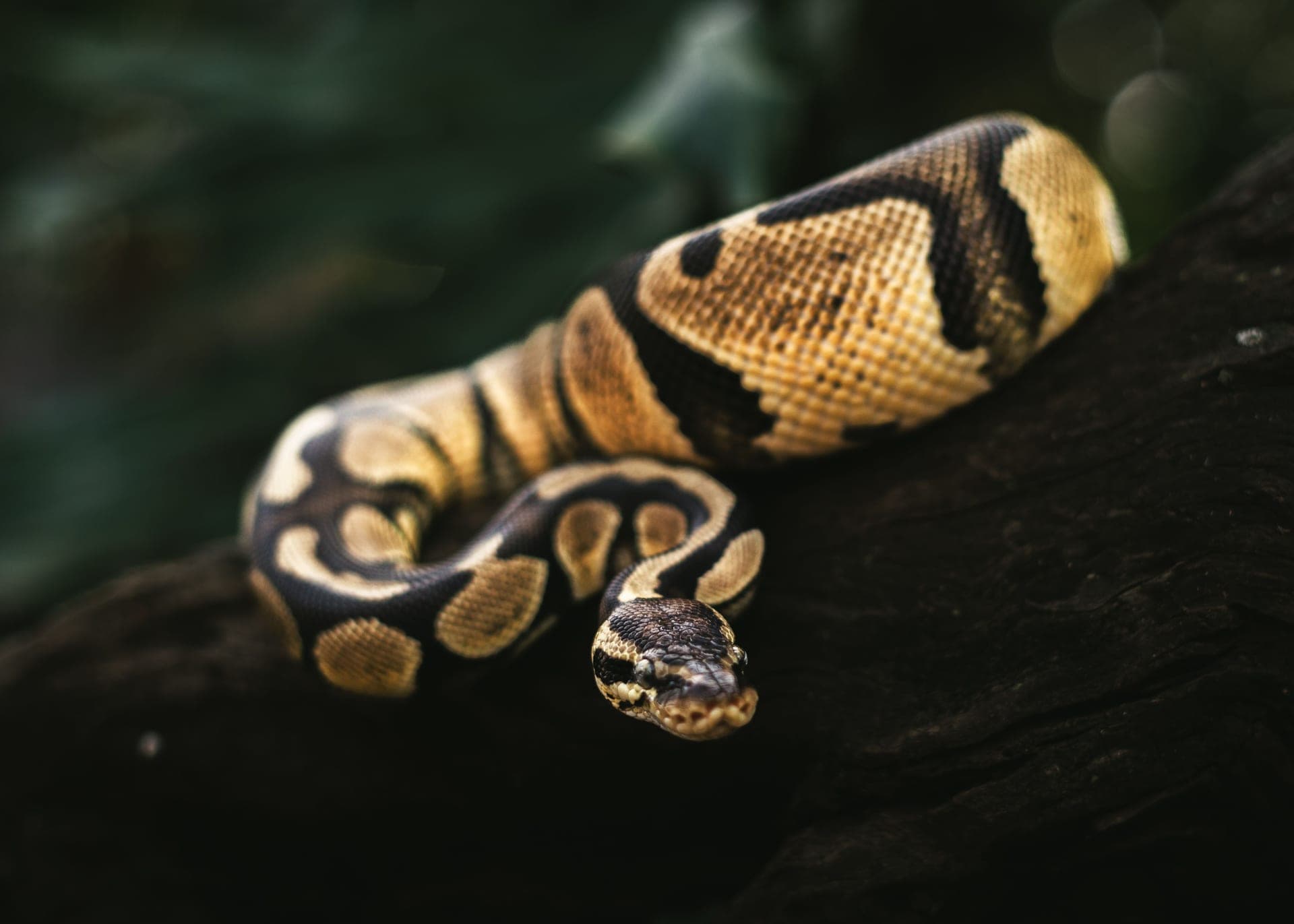
Hub
Ball python enclosures, heating and substrate
The enclosure should be at least as long as the snake. The idea that ball pythons want to be crammed into a small dark box is a myth the published guidance names as one.
Ball python
Ball python enclosure requirements checklist
The full ball python setup checklist, with the figure and verification for each.
Ball python
Ball python heating requirements
Ball python heating: the hide figures, the air ceiling, and the two-bulb rule.

Ball python
Ball python setup cost, line by line
Ball python setup line items in priority order, with recurring costs and where not to save.
Guides
9 beginner reptile setup mistakes that cost the most
The nine setup mistakes that cost beginners the most, and what to buy instead in what order.
Lighting & heat
Best reptile thermostats (2026)
Thermostats ranked by control type, stated accuracy, load ceiling and whether they alarm on failure.