Substrate & safety
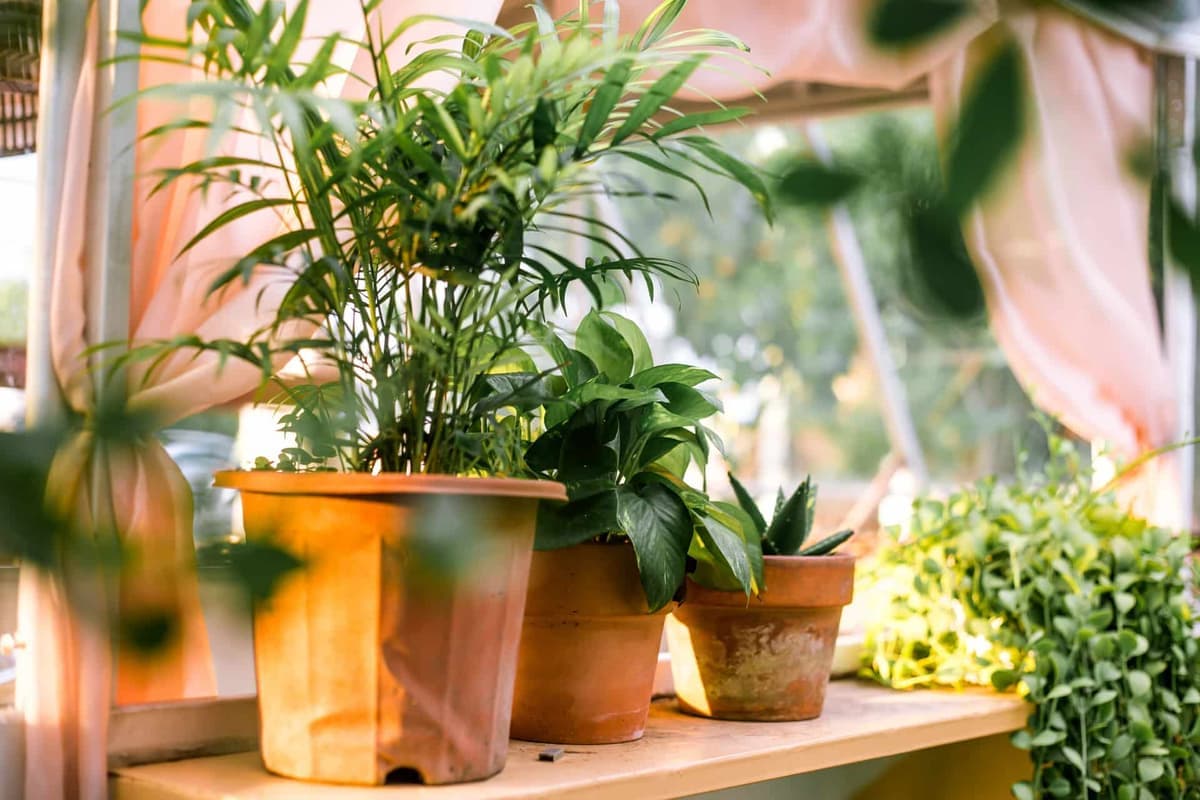
Non-toxic plants for reptile enclosures
Two separate questions: is the species itself toxic, and what was sprayed on this particular plant at the nursery. The second one catches more keepers.
By Brijon M.Last updated
Check the plant species against a toxicity reference such as the ASPCA's toxic and non-toxic plant list, using the botanical name rather than the common one. Then deal with the residue: nursery plants are routinely treated with pesticides and systemic insecticides, so repot into clean substrate, rinse the foliage, and quarantine the plant before it goes in.
Shed & Bask earns a commission from qualifying Amazon purchases made through links on this page. It does not change what we recommend or the order we rank things in. Read the full disclosure.
Two questions, and the second is the one people skip
"Is this plant safe for my reptile" is actually two questions. The first is about the species: does this plant produce compounds that are toxic if chewed or ingested. The second is about the individual plant you bought: what was applied to it in production.
Keepers research the first and almost never the second, and the second is the one that reaches an animal faster - a systemic insecticide is inside the plant tissue, not on the surface, and it does not wash off.
Checking the species
Use a toxicity reference rather than a reptile forum, and look the plant up by its botanical name. The ASPCA toxic and non-toxic plant list is the most accessible general reference, and it is searchable by botanical and common name.
Common names are the trap. "Dumb cane", "philodendron" and "ivy" each cover several different plants with different profiles. The botanical name on the nursery tag is the thing to search.
Dealing with what was sprayed on it
Nursery and garden-center plants are produced commercially, which usually means pesticides, fungicides and often systemic insecticides. Systemics are taken up into the plant tissue and persist; surface sprays can be rinsed off. Neither belongs in a sealed enclosure with an animal that may lick condensation off the leaves.
- Remove all the nursery soil. Bare-root the plant and discard the original potting medium entirely - it carries both residue and whatever came with it.
- Rinse the foliage and roots thoroughly under running water.
- Repot into clean substrate and grow it on outside the enclosure.
- Quarantine the plant for several weeks before it goes in, watering normally. This lets surface residues wash out and gives systemics time to decline, and it also catches any pest the plant arrived with.
- Prefer plants grown for the hobby where you can find them, from suppliers who state they are pesticide-free.
The physical risks, separate from toxicity
- Spines and sharp edges. Succulents and cacti are popular in arid builds and some of them are a physical injury risk in an enclosure with a large active lizard.
- Structural failure. A plant that cannot take the weight of an animal climbing on it will be climbed on anyway. Anchor it properly.
- Sap. Some species exude irritant sap when broken, which is a different risk from systemic toxicity and is triggered by exactly the kind of damage an enclosure plant receives.
Lighting the plants without breaking the UVI target
Live plants need light, which tempts keepers to add a lamp. Two cautions. First, any additional lamp changes the thermal picture, and the species targets - especially the crested gecko ceiling of 82-85 F (28-29 C) at the top of the enclosure at the top of the enclosure - are hard limits. Second, if the extra lamp is a UVB source, you have changed the UVI the animal receives. Re-check the distance figures rather than assuming the setup is unchanged.
For a planted arid build
The BioDude Terra Sahara Bioactive Substrate Kit
Bioactive-ready substrate is the one designed to support plants and a clean-up crew together, rather than a mix adapted after the fact.
For a humid planted build
Sphagnum Moss
A top layer that holds moisture for the plants and gives the clean-up crew cover.
Frequently asked questions
What plants are safe for a reptile enclosure?
Check the botanical name against a toxicity reference such as the ASPCA list, and then deal with the pesticide question by bare-rooting, rinsing, repotting into clean substrate and quarantining the plant for several weeks before it goes in.
Are nursery plants safe for reptiles?
Not as purchased. Commercially grown plants are routinely treated with pesticides and often systemic insecticides, which are inside the plant tissue and do not rinse off. Quarantine and grow them on before use.
Can I use the ASPCA plant list for reptiles?
As a screening tool, yes - a plant toxic to a mammal is not one to put in an enclosure. But it is compiled for dogs, cats and horses, not reptiles, so treat an unlisted species as unknown rather than cleared.
Sources
- Toxic and Non-Toxic Plant List — ASPCA Animal Poison Control Center
- Crested Gecko Temperatures & Humidity — ReptiFiles
- Volatile Organic Compounds' Impact on Indoor Air Quality — U.S. Environmental Protection Agency
Read next
Hub
Reptile substrate and enclosure material safety
What the enclosure is made of, sealed with and floored with. This is the part of reptile keeping with the most confident advice and the least cited evidence.
Substrate & safety
Bioactive reptile substrate basics
What bioactive means, which published mixes support it, and when a sterile setup is better.

Substrate & safety
Best reptile substrate (2026), by species and risk
Substrates judged against named hazards, usable depth and the species moisture target.
Crested gecko
Crested gecko enclosure ideas
Crested gecko decor organized by function, starting with climbing routes at height.
Bearded dragon
Bearded dragon enclosure ideas that serve a function
Dragon enclosure decor organized by the function each piece serves.